Karibu kutoka Masatu Tours. Even after hundreds of safaris, we still get goosebumps the first time a guest spots a lion on the horizon, an elephant family crossing a dusty track, or a leopard lounging in a tree. The Big Five are more than a checklist, they are a doorway into a landscape shaped by ancient rhythms and modern conservation.
This guide is written for travelers who want clear, practical answers: what the Big Five actually are, where to see them in Tanzania, the best time to go, how to observe wildlife safely and ethically, and how to plan a high-success itinerary. Whether you're a first-time visitor or a returning wildlife lover, everything you need is below.
Safari Guide's Note
The single most important tip for completing the Big Five: stay longer, not wider. A 6–7 day Northern Circuit safari through Tarangire, Ngorongoro, and the Serengeti gives you far better odds than a rushed 3-day trip to one park. Wildlife rewards time in the field, and our guides know exactly where to look for each species.
Big Five Quick Facts
The Five
Elephant, Lion, Leopard, Rhino, Buffalo
Scientific Names
Loxodonta, Panthera leo, P. pardus, Diceros, Syncerus
Class
Mammalia (mammals)
Best Parks
Serengeti, Ngorongoro, Tarangire
Best Season
June–Oct (dry) & Feb–Mar (calving)
Trip Length
5–10 days recommended
Hardest to Spot
Black rhino, then leopard
Best Lens
100–400mm zoom
Size Range
8 kg leopard to 6 t elephant
Diet Types
Herbivores & carnivores combined
Conservation
Rhino critically endangered; elephant & lion vulnerable
All Five Odds
High, possible in one Northern Circuit trip
What Are the Big Five, and Why That Name?
The Big Five, elephant, lion, buffalo, leopard, and black rhino, was originally a hunter's list: the five animals most dangerous and difficult to hunt on foot in Africa. Today the meaning has shifted completely: we now "collect" the Big Five not with rifles but with cameras and good memories.
What unites them now is status. They are iconic, charismatic, and central to safari culture, and they are keystone species whose survival matters for whole ecosystems. Seeing the Big Five is a celebration, and an invitation to learn how to protect them. For a deeper look at one of Tanzania's smaller (but no less fascinating) predators, see our complete Serval Cat guide.
African Elephant (Loxodonta africana)
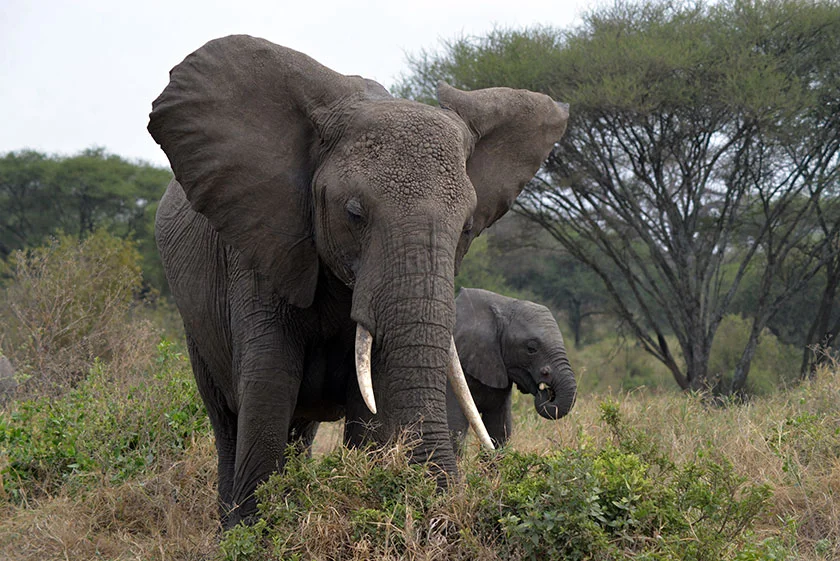
African savanna elephants are ecosystem engineers, opening up woodlands, digging waterholes in dry seasons, and creating microhabitats used by dozens of species. Their intelligence and long-term social memory mean family bonds run deep, watching an elephant calf learn to use its trunk is one of the sweetest safari moments.
Where to See African Elephants in Tanzania
Tarangire National Park (dense herds and baobabs), Serengeti National Park (large migrating groups and resident families), Ngorongoro Conservation Area (high density on crater floor), Ruaha & Nyerere (big numbers in southern parks).
Estimated population: ~43,000–50,000 in Tanzania
size
Up to 4 m tall; several tonnes in weight
social
Matriarchal herds led by an older female
diet
Grasses, leaves, bark, up to 200+ kg per day
lifespan
Up to 60–70 years in the wild
status
Endangered (IUCN)
Why African Elephants Matter
They shape entire landscapes by opening woodlands, creating water sources, and supporting biodiversity. Their complex social structures and emotional intelligence make them endlessly fascinating.
Safety & Behavior
Elephants are formidable and unpredictable if threatened, especially females with calves or musth bulls. In protected parks, they tolerate vehicles at safe distances, but on-foot encounters can be dangerous.
Morning and late afternoon near water sources during dry season
Keep respectful distance; use zoom lens for portraits
Watch matriarch body language (ear position, foot stomp) for mood
Listen for low rumbles, elephants communicate at frequencies we can barely hear
Masatu Field Story
A matriarch led her family across the dusty riverbed in Tarangire, pausing so the youngest calf could catch up. Our vehicle sat in respectful silence as the herd passed, close enough to hear their low rumbles and see the tender trunk touches between mother and baby, a moment of pure awe and humility.
Lion (Panthera leo)
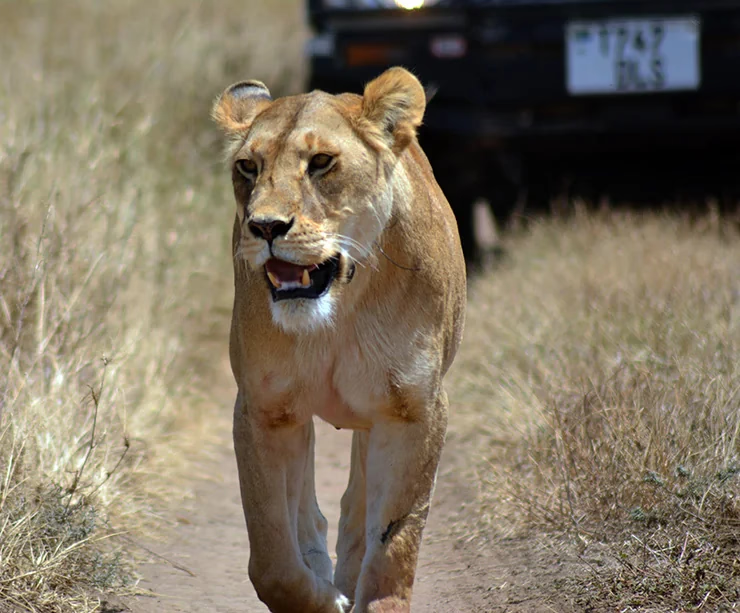
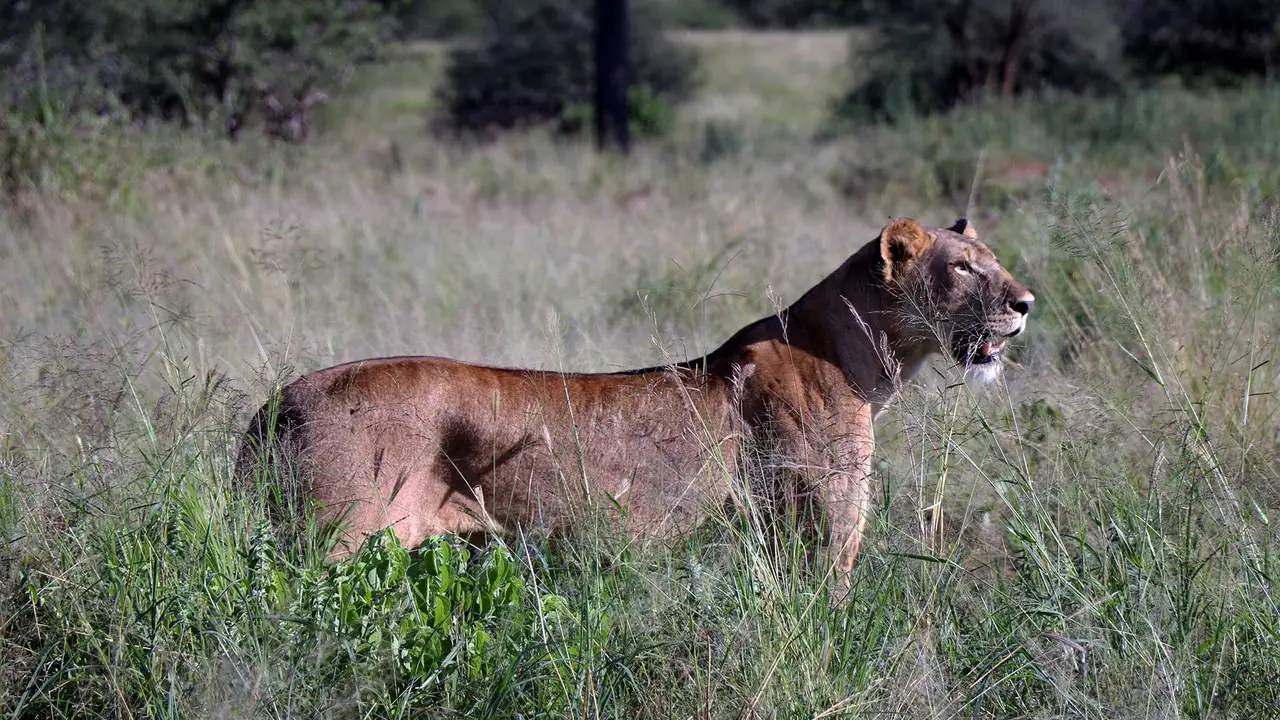
Lions are the only truly social big cats, living in prides ruled by lionesses who do most of the hunting through cooperative strategy, clever flanking, and ambushes. Males defend territory and pride, and coalitions may hold a pride together. Most active at dawn and dusk, midday finds them resting in shade.
Where to See Lions in Tanzania
Serengeti National Park (large prides and excellent predator action), Ngorongoro Crater (very high density within crater floor), Ruaha & Nyerere (healthy populations in quieter settings), Tarangire & Lake Manyara (good numbers near water in dry months).
Estimated population: ~15,000–20,000 in Tanzania
size
Males 150–250 kg; females somewhat smaller
social
Pride-based, mostly lionesses hunt cooperatively
diet
Carnivore, wildebeest, zebra, buffalo, antelope
lifespan
10–15 years in the wild
status
Vulnerable (IUCN)
Why Lions Matter
Apex predators that regulate prey populations and shape ecosystem balance. Their social complexity and hunting strategies provide endless fascination for safari-goers.
Safety & Behavior
Lions are powerful predators. While habituated to vehicles in parks, maintain distance and never exit vehicle. Males protecting territories can be especially aggressive.
Early morning and late afternoon drives are best
Follow your guide, radio networks share news of hunts and prides
Look for kopjes (rocky outcrops) where lions survey territory
Bring 100–400mm zoom for detail shots; keep noise minimal
Masatu Field Story
On a golden morning in the Serengeti, our guests watched a pride of 18 lions, cubs tumbling playfully, mothers grooming each other, and the magnificent alpha male surveying his domain from a termite mound. The air vibrated with their presence, raw power mixed with tender family bonds, a memory to last a lifetime.
Leopard (Panthera pardus)
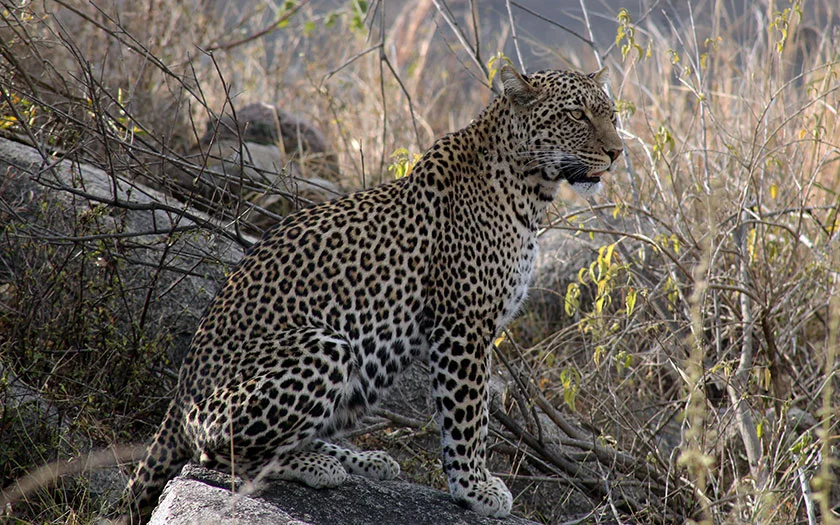
Solitary and secretive, leopards are superb climbers who stash kills in trees to avoid hyenas and lions. They can rest for days in a favorite branch. Hunting a broad diet from small rodents to antelope, their spotted rosettes provide perfect camouflage in dappled shade.
Where to See Leopards in Tanzania
Serengeti (classic sightings, especially Seronera Valley), Ngorongoro Crater (good chance), Lake Manyara (tree-climbing individuals famous here), Ruaha & Nyerere (higher densities in quiet southern parks).
Estimated population: 15,000–20,000 in Tanzania
size
20–90 kg, depending on sex and region
social
Solitary, secretive, superb climbers
diet
Carnivore, impala, warthog, birds, rodents
lifespan
12–17 years in the wild
status
Vulnerable (IUCN)
Why Leopards Matter
Adaptable predators that thrive in diverse habitats from riverine forests to rocky hillsides. Their stealth and hunting prowess make every sighting a genuine achievement.
Safety & Behavior
Generally shy of humans but can be dangerous if cornered or protecting cubs. Respect space and trust experienced guides who know behavior patterns.
Patience pays, trust guides who know favorite trees and ridgelines
Dawn and dusk are prime; try night drives where permitted
Scan tree branches for draped kills or resting leopards
Use long lenses (200–600mm) and soft shutter sounds, leopards are wary
Masatu Field Story
A flash of gold in the acacia trees, our guide pointed silently upward. There, draped languorously over a thick branch, a leopard watched us with cool, unblinking amber eyes. Its spotted coat melted into the dappled shadows. The bush fell silent, even the birds quieted, and time seemed to stop in that perfect, wild moment.
Black Rhinoceros (Diceros bicornis)
Thick-skinned, solitary, and often shy, black rhinos are powerful browsers with pointed lips adapted for eating leaves and shoots. Despite their bulk, they can charge at surprising speed. Their horns make them prime targets for poachers, which remains the biggest threat to survival.
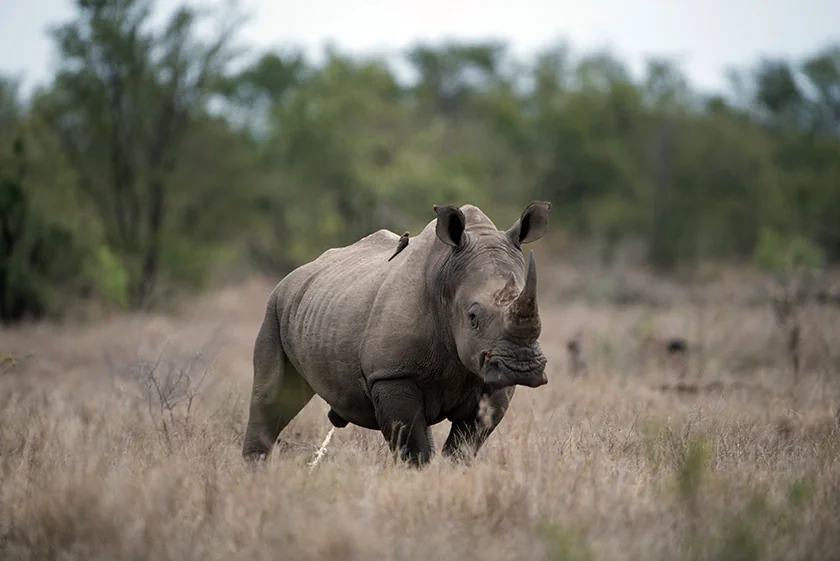
Where to See Black Rhinoceross in Tanzania
Ngorongoro Conservation Area (best chance in northern Tanzania), Serengeti & Nyerere (small protected populations with armed rangers), Mkomazi Rhino Sanctuary (breeding and protection programs).
Estimated population: Fewer than 1,000 in Tanzania
size
Black rhino: 800–1,400 kg
social
Solitary, highly territorial
diet
Browser, pointed lip for leaves, shoots, branches
lifespan
35–50 years in the wild
status
Critically Endangered (IUCN)
Why Black Rhinoceross Matter
Ancient megafauna whose survival depends on intensive protection. Every sighting represents decades of conservation work, anti-poaching patrols, and hope for the species' future.
Safety & Behavior
Can be aggressive if surprised or feel threatened. Always follow park rules, keep distance, and remain in vehicle. Rhino conservation depends on visitor restraint and ethical behavior.
Rhinos are shy; sightings are special and often from distance
Respect park rules; your visit funds anti-poaching patrols
Early morning in Ngorongoro offers best odds
Support conservation: choose operators who contribute to rhino protection
Masatu Field Story
Through the morning mist in Ngorongoro, a lone rhino emerged from the fever trees, its prehistoric horn silhouetted against the crater wall, steam rising from its back. Our guide whispered about the decades-long battle to save these ancient giants, the rangers who risk their lives daily, and the fragile hope that this species might yet survive another generation.
African Buffalo (Syncerus caffer)
Buffalo are highly social and protective, working as a defensive unit to deter lions and other predators. Herds can number from small groups to hundreds or thousands. Older solitary bulls (dagga boys) are often the boldest and most dangerous members of the species.
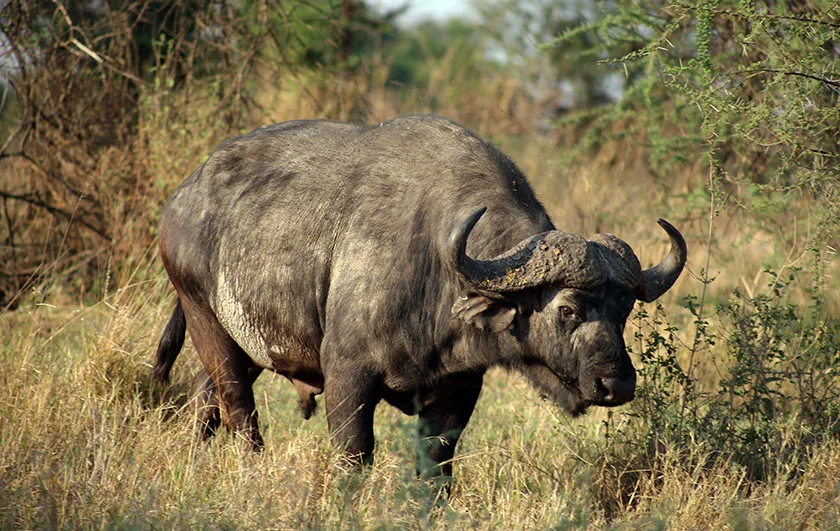
Where to See African Buffalos in Tanzania
Serengeti (massive herds), Tarangire (common year-round), Ngorongoro (abundant on crater floor), Nyerere & Ruaha (southern populations), Lake Manyara & Arusha (smaller herds).
Estimated population: 100,000+ in Tanzania
size
300–900 kg (varies with age and subspecies)
social
Herds from dozens to thousands
diet
Grazer, grasses and sedges
lifespan
15–25 years in the wild
status
Near Threatened (IUCN)
Why African Buffalos Matter
Keystone grazers that maintain grassland ecosystems and provide prey for apex predators. Their defensive behaviors and cooperative herd dynamics are fascinating to observe.
Safety & Behavior
Unpredictable and can charge if threatened or surprised. Solitary bulls are especially dangerous. Respect their space and never approach on foot under any circumstances.
Watch herd edges where sentries guard against predators
Good photo opportunities at waterholes in late dry season
Respect space, bulls may charge if feel cornered
Look for oxpeckers and cattle egrets attending the herds
Masatu Field Story
A living wall of horns and muscle blocked our path in Tarangire. The massive herd parted slowly and deliberately, vulnerable calves protected in the center, as oxpeckers danced on muscular backs. The guide explained the intricate social structure, how buffalo will circle to defend injured members and face down lion prides as a coordinated unit.
Where to See All Big Five in One Tanzania Trip
Yes, it's possible. In Tanzania, the best odds of seeing all Big Five on a single trip are in protected landscapes where populations overlap: Serengeti National Park, Ngorongoro Conservation Area, and Tarangire offer the highest chances. Nyerere National Park in the south is a quieter, wilderness-heavy alternative with excellent big cat numbers.
But wildlife is wild: luck, timing, and time in the field all matter. Longer stays (5–10 days) and flexible itineraries increase your odds dramatically. Our expert guides use radio networks, track patterns, and decades of local knowledge to maximize your Big Five encounters.
Serengeti
Excellent
Migration, all big cats, large mammal herds
Ngorongoro
Very High
Crater density, rhino sightings possible
Nyerere
Excellent
Vast wilderness, fewer crowds, wild dogs
Best Parks & Best Time to See the Big Five
Northern Circuit
Best for first-timers and classic safaris
Migration, all big cats, large herds
Rhino chances, dense game viewing
Elephants, buffalo, baobab landscapes
Tree-climbing lions, flamingos
Best time: Jun–Oct (dry season) for concentrated game. Feb–Mar for calving and predator action in southern Serengeti.
Southern Circuit
More remote, fewer crowds, wild encounters
Huge wilderness, large elephant and lion populations
Vast, quieter, excellent for boat safaris, wild dogs
Best time: Jun–Oct (dry season), fewer vehicles, richer encounters.
Conservation sites: Mkomazi Rhino Sanctuary runs active black rhino breeding programs; Rubondo Island protects pristine biodiversity.
Photography, Safety & Viewing Ethics
Safety First
- Always obey your guide
- Never exit vehicles unless allowed
- Keep noise low and movements slow
- Respect park rules and communities
Photography Tips
- Bring versatile zoom (100–400mm)
- Shoot burst mode for action shots
- Use golden hours for warm light
- Don't use flash, it disturbs animals
Viewing Ethics
- Don't chase animals for photos
- Avoid blocking wildlife paths
- Keep distance from dens and cubs
- Respect their home, you're the visitor
Conservation: Threats & How Your Visit Helps
Current Threats
- Poaching: Elephants and rhinos targeted for ivory and horn
- Habitat Loss: Agriculture and development fragment ranges
- Human-Wildlife Conflict: Retaliation killings, livestock predation
- Climate Change: Altering water sources and grazing patterns
How Safaris Help
- Park Fees: Fund rangers and anti-poaching patrols
- Economic Incentives: Create jobs and reasons to protect wildlife
- Education & Research: Link visitors with conservation work
- Community Support: Masatu Tours partners with local initiatives
How You Can Help
- Choose operators who give back to communities
- Buy local crafts ethically; support community tourism
- Reduce single-use plastics; choose eco-friendly lodges
- Share your experiences, inspire others to protect wildlife
Conservation Resources
- IUCN Red List, species conservation status
- World Wildlife Fund (WWF), global conservation
- African Wildlife Foundation, regional protection
- Tanzania National Parks (TANAPA), park rules & fees
Other "Fives" You Might Enjoy
Collecting these playful lists can broaden your safari beyond the headline species, and they're a wonderful way to get children excited about the smaller, shyer residents of the bush.
The Little Five
Tiny counterparts of the Big Five, a fun collecting challenge
The Shy Five
Elusive nocturnal and burrow-dwelling mammals
The Ugly Five
Fascinatingly 'unglamorous' but ecologically vital species
Sample 10-Day Big Five Itinerary
Northern Circuit Big Five Safari
10 days · Private safari · Expert guides
Transfer to Arusha, overnight at comfortable lodge, safari briefing
Elephants and baobabs; sunrise game drives, afternoon photography
Tree-climbing lions, flamingos; transfer to Ngorongoro rim for sunset
High-density wildlife; rhino chances; picnic lunch on crater floor
Predator action, migration (seasonal), optional balloon safari
Cultural visits, departure or extend with Zanzibar beach
Want a Longer Adventure?
Add Ruaha or Nyerere for wilder encounters and higher rhino/leopard odds. We customize every itinerary to your dates, budget, and wildlife priorities.
Request Custom ItineraryFamilies & Children: Is This Trip Right for Everyone?
Yes, with planning. Choose family-friendly lodges, shorter drives for little ones, and a program that balances game drives with time to rest. Children aged 3+ often start to appreciate animals, be mindful of vaccinations, sun protection, and safety around water and lodges.
Frequently Asked Questions
How to See the Big Five on Safari
You can chase the Big Five on any Masatu Tours safari, every program visits the national parks where these animals live in their natural habitat. Tell your guide what you're hoping to see, and they'll build your drives around it.
Best Time to Go
June to October for the classic dry-season safari, when animals concentrate around water and grass is short. February to March adds the wildebeest calving spectacle in the southern Serengeti and Ndutu, with superb predator action.
Where to Look
Serengeti for lions and leopards, Ngorongoro for rhino and density, Tarangire for elephant herds and baobabs, Lake Manyara for tree-climbing lions. Dawn and dusk are the best hours for all five.
How to Spot Them
Trust your guide's radio network, scan kopjes and tree branches for lions and leopards, and check water sources during the dry season. Rhinos need early mornings and patience, ask your guide to prioritize the crater floor.
Maximize Your Odds
Longer stays win. A 6–7 day Northern Circuit with flexible daily routes dramatically beats a packed 3-day itinerary. Combine northern and southern parks for the fullest Big Five, and Little Five, experience.
Complete the Big Five with Masatu Tours
Our expert guides know where every species hangs out and when. From Tarangire's elephant herds to Ngorongoro's rhinos and the Serengeti's lion prides, we'll design a safari built around completing your Big Five checklist, responsibly and memorably.
Conclusion
The Big Five are a fantastic reason to visit Tanzania, but the true gift of a safari is the whole experience: the dawn light filtering through acacia trees, the small birds and insects that knit ecosystems together, the warm Maasai greetings, and the conservation stories you carry home.
Seeing a rhino or a leopard on a good day is unforgettable, and often life-changing. But it's the quiet moments in between, the connections with guides, and the understanding of how fragile and precious these wild places are that stay with you longest.
When you choose Masatu Tours, we'll help you see the Big Five with respect: thoughtfully, ethically, and with real chances of meaningful encounters. Karibu sana, welcome to Tanzania. We can't wait to show you the wild.
Plan Your Tanzania Safari
Whether you want to witness the Great Migration, photograph a leopard in a tree, or track rhino in Ngorongoro, our expert-led safaris take you to Tanzania's finest parks with guides who know the bush like the back of their hands. Talk to a safari expert today.
Related Wildlife & Safari Guides
Serval Cat, Complete Guide
Africa's long-legged wild cat
Great Wildebeest Migration
Nature's greatest show, timed perfectly
Serengeti National Park Guide
Explore the world's most famous ecosystem
Honey Badger, Complete Safari Guide
Africa's most fearless animal
Do Tigers Live in Africa?
Why tigers are Asian cats, not African
Tanzania Safari Packages
Plan your dream wildlife safari
Last updated: August 3, 2026. All facts verified against IUCN Red List data and current wildlife research.
