
Protecting Kilimanjaro, One Climb at a Time
Leave No Trace is more than a membership badge — it is the operating system for every Masatu expedition. Pack out what you pack in, stay on the trail, and leave campsites cleaner than you found them.
1The Growing Pressure on Kilimanjaro
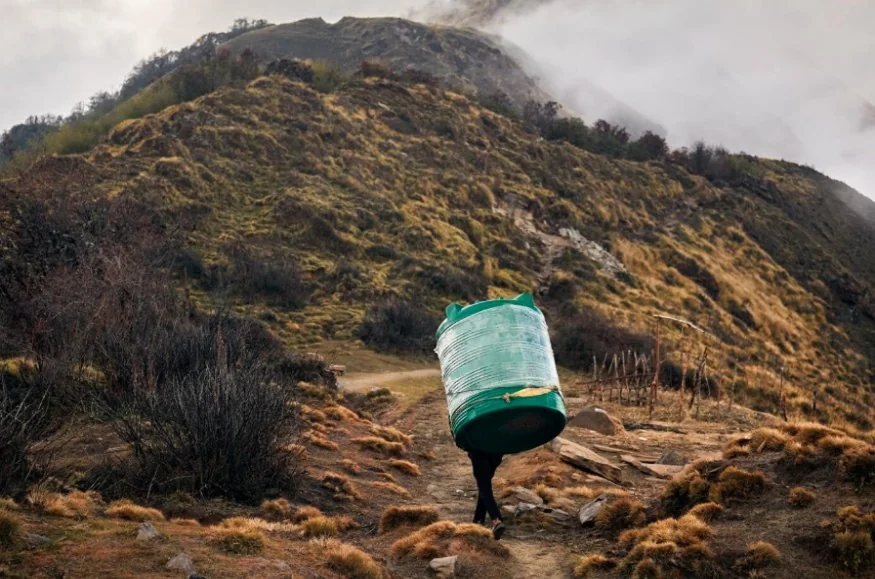
In the early 1990s only about 1,000 people a year climbed Mount Kilimanjaro. By 2025 that number had grown to over 60,000 — one of the fastest rises among the world's popular mountain destinations. That growth places real pressure on Kilimanjaro's fragile ecosystems.
If future generations are to experience this mountain as we know and love it today, we must act now to reduce our impact.
60× growth in visitor numbers. From 1,000 climbers in the 1990s to 60,000+ in 2025, Kilimanjaro faces unprecedented tourism pressure requiring immediate conservation action.
2Why We Joined Leave No Trace
In 2023 Masatu Tours became a member of Leave No Trace because their outdoor ethics reflect how we believe tourism should be done — with respect, restraint, and responsibility.
The membership means far more than a logo on our website. It commits every Masatu guide, porter, and cook to a trained standard of behaviour, and it keeps conservation at the centre of how we plan, run, and review each expedition on the mountain.
3The Seven Principles of Leave No Trace
Leave No Trace's core principles are simple and powerful. They sit at the heart of every Masatu expedition and guide every decision our teams make on the mountain:
1. Plan ahead and prepare
Responsible travel starts with preparation
2. Travel and camp on durable surfaces
Minimize environmental impact
3. Dispose of waste properly
Pack it in, pack it out
4. Leave what you find
Preserve the natural environment
5. Minimize campfire impacts
Responsible fire management
6. Respect wildlife
Observe from a distance
7. Be considerate of other visitors
Share the experience
4Our Conservation Work Across Tanzania
As a Travelife-certified operator, Masatu Tours supports conservation in practical, measurable ways — on the mountain and across Tanzania's parks:
Tree-planting programs
Restore habitat and reduce erosion across mountain ecosystems.
Wildlife veterinary care
Covering treatment for wildlife that cannot survive without intervention.
Wildlife research partnership
Supporting research in partnership with Tanzania National Parks (TANAPA).
Serengeti de-snaring project
Funding anti-poaching and conservation initiatives across the country.
Beyond the mountain: conservation runs through every safari we run. See our full commitment on the Sustainability page.
5Caring for the People Who Protect the Mountain
Sustainability means protecting both wildlife and the people who work on the mountain. Masatu Tours is a proud member of the Kilimanjaro Porters Assistance Project (KPAP).
KPAP membership commits us to fair pay, safe working conditions, reasonable loads, and the wellbeing of the porters who make every climb possible. To understand how Kilimanjaro porters differ from Himalayan Sherpas and why their work is vital, read our guide on Sherpas vs Kilimanjaro Porters.
Porter welfare first. Every Masatu climb adheres to strict KPAP standards: fair wages, proper equipment, weight limits, and comprehensive care for our mountain teams.
6What Leave No Trace Looks Like in Practice
Our Leave No Trace membership plays out in practical, measurable ways. Every Masatu expedition is planned to leave no trace:
- At each camp we provide clearly marked trash bins and guidance so guests can dispose of waste responsibly.
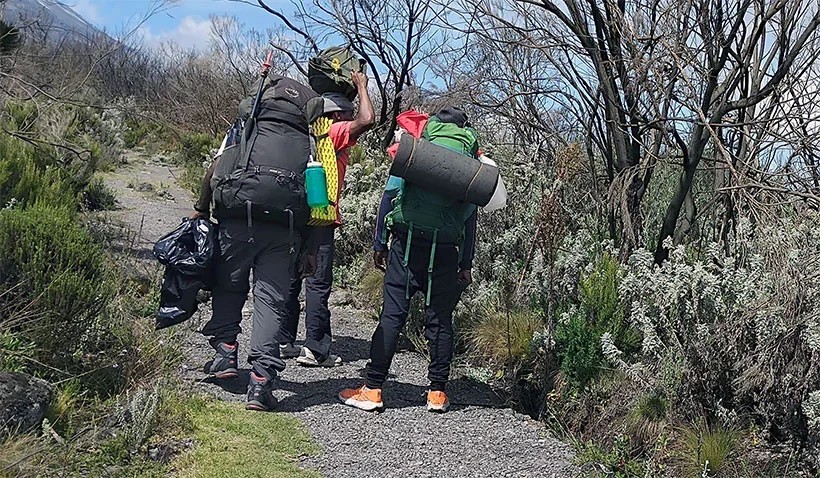
- Each team includes a porter assigned to ensure no trash is left behind by guests or crew.
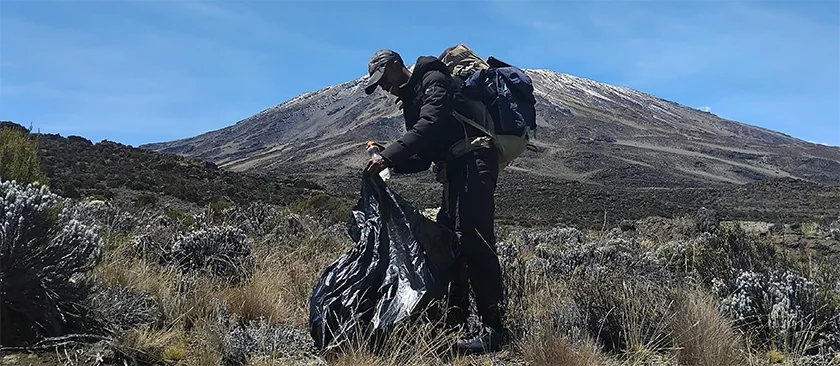
- Our crews actively pick up litter found on the trails, most commonly snack wrappers and empty bottles.
- We run dedicated Kilimanjaro cleanup climbs. In 2024 our teams collected over 500 kg of waste left by other expeditions.
Progress we can see: encouragingly, despite rising visitor numbers, the mountain is noticeably cleaner now than it was five or six years ago.
7Training and Capacity Building
In 2025 we launched Masatu Academy, our training initiative for guides and porters. Alongside medical and professional development programs, the academy teaches Leave No Trace principles so every member of our mountain team is equipped to protect the environment and promote responsible tourism.
- Leave No Trace principles training
- Medical and emergency response programs
- Professional development for guides and porters
- Environmental protection protocols
8Supporting Leave No Trace Worldwide
Leave No Trace is a global nonprofit and depends on donations to continue its work. Since 2022 Masatu Tours has donated one full Kilimanjaro expedition per year to Leave No Trace charity auctions — 100% of the proceeds go directly to the organization.
We provide full-service climbs for those donated expeditions, just as we do for any guest. In 2025 we plan to increase the scale of our contribution and deepen our cooperation with Leave No Trace.
9Frequently Asked Questions
Step with Us, Responsibly
Protecting Kilimanjaro is a shared responsibility. When you climb with Masatu Tours you choose an operator that cleans the trails, trains its teams, supports wildlife and porters, and gives back to conservation.
