
Photography Safari Toursin Tanzania
Capture the raw beauty of Africa with expert-led photography safaris. Specialised vehicles, golden-hour game drives, and professional guidance, from the Great Migration to Kilimanjaro's alpine flowers.
Go Beyond Snapshots, Capture Masterpieces
A standard safari keeps to a schedule. A photography safari keeps to the light. Your guide reads animal behaviour, positions the vehicle for the best angle, and waits, because the difference between a good shot and a portfolio image is patience, position, and timing.
Whether you're a hobbyist with a smartphone or a professional with a 600mm prime, Masatu Tours' photography safaris are designed to maximise your creative output across Tanzania's most photogenic landscapes, from the endless plains of the Serengeti to the dramatic crater rim of Ngorongoro.

What Sets Our Photography Safaris Apart
Every detail, from vehicle design to guide training, is optimised for photographers.
Photo-Optimised Vehicles
Modified 4x4 Land Cruisers with pop-up roofs, bean-bag mounts, dust-sealed compartments, USB charging, and maximum 4 photographers per vehicle for unrestricted 360° shooting.
Golden & Blue Hour Drives
We schedule around the light, not the clock. Early departures for golden-hour predator activity and late returns for dramatic sunset silhouettes, with packed breakfasts and sundowners in the bush.
Expert Naturalist Guides
Our guides know animal behaviour intimately, predicting hunts, reading body language, and positioning you ahead of the action. Many are skilled photographers themselves.
Post-Processing Workshops
Evening sessions at camp covering Lightroom and Photoshop techniques, RAW processing, composition critique, and portfolio review. Learn from professional wildlife photographers.
Strategic Positioning
We don't queue behind 20 vehicles. Our guides know exclusive spots, hidden waterholes, and secret approaches that put you in front-row seats with clean backgrounds.
Gear Protection & Insurance
Dust-proof gear lockers, waterproof covers for sudden showers, and guidance on equipment insurance. We understand the value of what you carry.
Best Parks for Wildlife Photography
Each park offers unique photographic opportunities, from Big Five encounters to rare birds and sweeping landscapes.

Serengeti National Park
The world's greatest wildlife spectacle unfolds across 14,763 km². Photograph the Great Wildebeest Migration, dramatic river crossings, Big Five encounters, and endless golden-grass plains with copy-space skies.

Ngorongoro Crater
The world's largest unbroken volcanic caldera, a natural amphitheatre of 260 km² packed with 25,000+ large animals. Photograph all Big Five in a single day against dramatic crater walls. Superb for wide-angle environmental portraits.

Tarangire National Park
Iconic ancient baobab trees create stunning compositional foregrounds for elephant herds. Tarangire has Tanzania's highest elephant density, September brings 3,000+ elephants to the Tarangire River. Superb for black-and-white photography.
Lake Manyara National Park
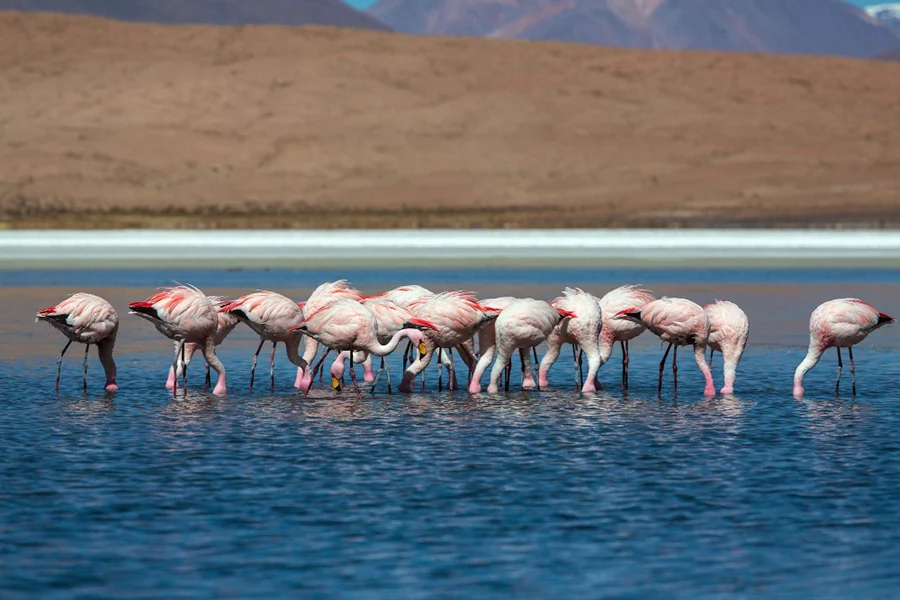
A Rift Valley gem famous for tree-climbing lions and flamingo-fringed alkaline shores. The groundwater forest canopy creates dappled lighting ideal for primate portraits, while the open lakeshore delivers reflection shots of pelicans, storks, and 400+ bird species.
More Photography Destinations
Beyond the northern circuit, Ruaha National Park offers remote wilderness with virtually no other vehicles, ideal for exclusive predator photography.Arusha National Park is superb for Mt. Meru backdrops and colobus monkey portraits. For dramatic landscapes, consider adding Ol Doinyo Lengai (the only active natrocarbonatite volcano on Earth) and Lake Natron with its surreal pink-red waters and flamingo breeding colonies.


Capture Africa's Rooftop, 5,895m of Drama
Mount Kilimanjaro isn't just a climb, it's a journey through five ecological zones, each offering completely different photographic landscapes. From lush rainforests alive with birds and primates to the otherworldlygiant groundselsof the alpine desert, and finally the glaciers at Uhuru Peak under the Milky Way.
Photography Safari Packages
Every itinerary can be customised. These are our most popular photography-focused starting points.

3-Day Photo Safari

6-Day Northern Circuit Photo Safari
7-Day Migration Photography Safari
Want a longer expedition? Browse our 6-day Ndutu andSafari + Beach options, orrequest a custom itinerary.
Essential Camera Equipment for Tanzania
Camera Bodies
A full-frame DSLR or mirrorless body is ideal for low-light performance during dawn/dusk drives. Top picks: Canon R5/R6, Nikon Z8/Z6III, Sony A7RV/A1. APS-C bodies like the Canon R7 or Nikon Z50 give you extra reach with 1.5× crop factor. Even a quality smartphone (iPhone 16 Pro, Samsung Galaxy S24 Ultra) captures excellent landscapes and environmental portraits.
Essential Lenses
- 100-400mm f/4.5-5.6, workhorse telephoto for wildlife at distance. The single most important safari lens.
- 24-70mm f/2.8, landscapes, environmental portraits, vehicle shots.
- 16-35mm wide-angle, dramatic skies, Milky Way on Kilimanjaro, crater panoramas.
- 1.4× teleconverter, turns your 400mm into 560mm for shy subjects.
Accessories
Pro tip: Don't over-pack. Two bodies and three lenses cover 95% of safari situations. Extra weight means slower lens changes and fatigue. Read ourgear packing guidefor weight-saving strategies.
When to Go: Photography Seasons
| Season | Months | Photography Highlights | Conditions | Rating |
|---|---|---|---|---|
| Peak Dry | Jul – Oct | Migration crossings, predator hunts, elephants at rivers | Clear skies, dusty, sparse vegetation | ★★★★★ |
| Dry Shoulder | Jun & Nov | Fewer crowds, excellent light, transitional drama | Mixed skies, some rain, green start/end | ★★★★ |
| Green Season | Jan – Mar | Calving season, baby animals, vivid landscapes, birds | Lush, afternoon showers, dramatic clouds | ★★★★ |
| Long Rains | Apr – May | Migratory birds, lush scenery, rainbow opportunities | Heavy rain, mud roads, reduced access | ★★★ |
| Short Dry | Dec – Feb | Wildebeest calving, clear skies, raptor migration | Warm, some haze, green plains | ★★★★ |
Not sure when to visit? Read our detailedbest time to visitguide or ask our team.
Wildlife Photography Tips from the Pros
Shoot at Eye Level
Lower your camera to the animal's eye level for intimate, impactful portraits. Use the vehicle's window ledge with a bean bag rather than shooting from above through the roof hatch.
Wait for the Moment
The best wildlife shots come from patience. A yawning lion, a leaping wildebeest, eye contact, these moments require staying put. Our guides know when action is imminent.
Use Back-Button Focus
Separate focus from the shutter button using AF-ON (back-button focus). This lets you pre-focus, recompose, and fire instantly when the decisive moment arrives.
Embrace the Golden Hours
The 30 minutes after sunrise and before sunset produce the warmest, most flattering light. Our drives are scheduled specifically around these windows.
Tell a Story
Don't just zoom in, pull back to show the animal in its environment. A cheetah on a termite mound with the Serengeti horizon is far more compelling than a tight head crop.
Shoot in RAW
RAW files preserve highlight and shadow detail crucial for the harsh African light. You can recover 2-3 stops of exposure in post-processing, impossible with JPEG.
Captured by Our Guests
A selection of images from recent photography safari departures.
