
Walk With
The Wild
Step off the vehicle and into Africa's heartbeat. Expert-guided walking safaris that bring you face-to-face with Tanzania's wildlife, one footstep at a time.
Why Choose a Walking Safari?
A walking safari isn't just a tour, it's an immersion. Leave the engine behind and discover Tanzania with every step, every breath, every heartbeat.
See What Vehicles Miss
On foot, you notice the tiny details: fresh leopard tracks in the mud, a dung beetle rolling its prize, orchids clinging to acacia bark. The slower pace reveals layers of the ecosystem invisible from a Land Cruiser.
Exceptional Birding
Walking safaris are the preferred method for serious birders. Without engine noise, you'll hear and spot species that flee from vehicles, over 1,100 bird species call Tanzania home.
Low-Impact Eco Tourism
Walking safaris have a near-zero carbon footprint. No fuel, no tyre tracks, no engine disturbance. It's the most sustainable way to experience Africa's wild places while supporting local communities.
A Deeper Connection
Standing on equal footing with wildlife, literally, creates a primal, unforgettable connection. Your senses heighten, your awareness sharpens and you feel truly part of the landscape.

Your guide reads the bush like a book, every track, every call, every shifted leaf tells a story.
Walking Safari Experiences
From gentle forest strolls to challenging highland treks, choose the walking safari that matches your spirit of adventure.

Arusha National Park Walk
Walk among giraffes, buffaloes and colobus monkeys beneath the shadow of Mount Meru. Arusha National Park is one of the few parks in Tanzania where walking safaris are encouraged daily.
Serengeti Bush Walk
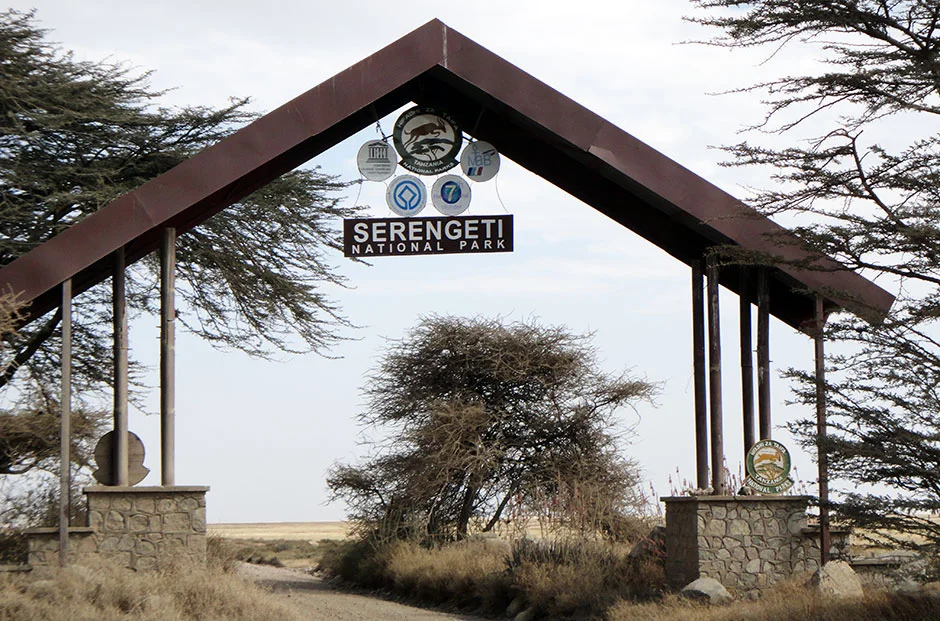
Venture into the Serengeti on foot with an armed ranger. Track big cats by their spoor, learn about medicinal plants and feel the pulse of Africa's most iconic savannah without the barrier of a vehicle.

Lake Manyara Treetop Walk
Explore the elevated treetop walkway and forest floor trails through the groundwater forest. Watch tree-climbing lions from a unique vantage point and spot over 400 bird species in one of Tanzania's most biodiverse habitats.

Ngorongoro Highlands Trek
Hike the forested rim of the Ngorongoro Crater and descend to Empakaai Crater Lake. The highland trails offer sweeping views across the Great Rift Valley and opportunities to encounter Maasai pastoralists.

Tarangire Guided Bush Walk
Walk through ancient baobab forests and along the Tarangire River. Your guide will track elephant herds, identify dung beetles and reveal the intricate web of savannah ecology that vehicles simply drive past.

Maasai Cultural Walk
Join a Maasai warrior on a guided walk through their ancestral lands, learning traditional tracking techniques, medicinal plant uses and livestock herding practices that have remained unchanged for centuries.
Arusha National Park Walk
Walk among giraffes, buffaloes and colobus monkeys beneath the shadow of Mount Meru. Arusha National Park is one of the few parks in Tanzania where walking safaris are encouraged daily.
Serengeti Bush Walk
Venture into the Serengeti on foot with an armed ranger. Track big cats by their spoor, learn about medicinal plants and feel the pulse of Africa's most iconic savannah without the barrier of a vehicle.
Lake Manyara Treetop Walk
Explore the elevated treetop walkway and forest floor trails through the groundwater forest. Watch tree-climbing lions from a unique vantage point and spot over 400 bird species in one of Tanzania's most biodiverse habitats.
Ngorongoro Highlands Trek
Hike the forested rim of the Ngorongoro Crater and descend to Empakaai Crater Lake. The highland trails offer sweeping views across the Great Rift Valley and opportunities to encounter Maasai pastoralists.
Tarangire Guided Bush Walk
Walk through ancient baobab forests and along the Tarangire River. Your guide will track elephant herds, identify dung beetles and reveal the intricate web of savannah ecology that vehicles simply drive past.
Maasai Cultural Walk
Join a Maasai warrior on a guided walk through their ancestral lands, learning traditional tracking techniques, medicinal plant uses and livestock herding practices that have remained unchanged for centuries.
Safety & Protocols
Walking among wild animals demands the highest safety standards. Here's how we ensure your complete protection on every walk.
Armed and certified TAWA-licensed ranger on every walk
Maximum group size of 6 for safety and intimacy
Pre-walk briefing on animal behavior and protocols
Emergency communication equipment carried at all times
GPS-tracked routes with vehicle backup nearby
Comprehensive travel insurance requirement
Included & Excluded
What's Included
Not Included
Best Time for Walking Safaris
Walking safaris run year-round, but conditions vary by season. Here's when to plan your trip.
Jun – Oct
Dry Season
The best period for walking safaris. Cool mornings, clear skies and shorter grass make for excellent visibility and comfortable walking conditions.
Nov – Dec
Short Rains
Brief afternoon showers green the landscape. Migratory birds arrive and newborns appear. Walking is still excellent in the mornings.
Jan – Mar
Warm & Dry
Warm temperatures and drying conditions. Great for Serengeti walks during the Great Migration calving season in the southern plains.
Apr – May
Long Rains
Heavy rains can make trails slippery. However, the lush green landscapes and fewer tourists create a unique and private experience for the adventurous.
Pro Tip
June to October offers the best walking conditions: cool mornings, dry trails and shorter grass for wildlife visibility. Book at least 3 months in advance for peak-season walking permits.
7-Day Walking Safari Journey
A curated week combining walking safaris, game drives and cultural encounters across Tanzania's most iconic landscapes.
Day 1
Arrival & Arusha Walk
Arrive at Kilimanjaro Airport, transfer to your lodge and take an afternoon acclimatization walk through Arusha National Park's Momella sector. Spot giraffes, zebras and flamingos at the crater lakes.
Day 2
Tarangire Bush Walk
Early morning drive to Tarangire. Spend the morning on a guided bush walk through baobab forests, tracking elephant herds along the river. Afternoon game drive to spot tree-climbing pythons and lion prides.
Day 3
Ngorongoro Crater Rim Trek
Hike along the forested rim of Ngorongoro Crater. Descend on foot to Empakaai Crater Lake to watch flamingos. Visit a Maasai boma in the highlands for a cultural exchange.
Day 4
Serengeti Bush Walk
Fly or drive to the Serengeti. Join an armed ranger for a morning bush walk across the savannah. Learn to read animal tracks, identify medicinal plants and observe the web of life that connects everything.
Day 5
Full-Day Serengeti Exploration
Morning walking safari focused on birding and small wildlife. Afternoon vehicle-based game drive to spot the Big Five. Sundowner drinks at a scenic kopje as the sun sets over the endless plains.
Day 6
Lake Manyara Treetop Walk
Transfer to Lake Manyara. Experience the elevated treetop walkway through the groundwater forest. Walk the lakeshore trail to spot hippos, flamingos and the park's famous tree-climbing lions.
Day 7
Departure
Final morning coffee walk through the lodge gardens, spotting resident birds and butterflies. Transfer to Kilimanjaro Airport for your departure with memories of Africa's wild trails.
Arrival & Arusha Walk
Arrive at Kilimanjaro Airport, transfer to your lodge and take an afternoon acclimatization walk through Arusha National Park's Momella sector. Spot giraffes, zebras and flamingos at the crater lakes.
Tarangire Bush Walk
Early morning drive to Tarangire. Spend the morning on a guided bush walk through baobab forests, tracking elephant herds along the river. Afternoon game drive to spot tree-climbing pythons and lion prides.
Ngorongoro Crater Rim Trek
Hike along the forested rim of Ngorongoro Crater. Descend on foot to Empakaai Crater Lake to watch flamingos. Visit a Maasai boma in the highlands for a cultural exchange.
Serengeti Bush Walk
Fly or drive to the Serengeti. Join an armed ranger for a morning bush walk across the savannah. Learn to read animal tracks, identify medicinal plants and observe the web of life that connects everything.
Full-Day Serengeti Exploration
Morning walking safari focused on birding and small wildlife. Afternoon vehicle-based game drive to spot the Big Five. Sundowner drinks at a scenic kopje as the sun sets over the endless plains.
Lake Manyara Treetop Walk
Transfer to Lake Manyara. Experience the elevated treetop walkway through the groundwater forest. Walk the lakeshore trail to spot hippos, flamingos and the park's famous tree-climbing lions.
Departure
Final morning coffee walk through the lodge gardens, spotting resident birds and butterflies. Transfer to Kilimanjaro Airport for your departure with memories of Africa's wild trails.
What Our Walkers Say
"Walking through the Serengeti on foot was the most thrilling experience of our lives. Our guide spotted fresh lion tracks and we followed them, heart pounding, until we saw a pride resting in the shade just 80 meters away. Absolutely incredible."
Sarah & David Mitchell
London, UK, Serengeti Bush Walk
"As a wildlife photographer, walking safaris give me shots that are impossible from a vehicle. The eye-level perspective, the natural light filtering through acacia canopy, Masatu's guides knew exactly where to position us for the best frames."
Dr. Marcus Olsen
Copenhagen, Denmark, Arusha & Tarangire Walking
"We did the Maasai Cultural Walk with our teenage children. Watching them learn tracking from a Maasai warrior, completely absorbed, phones forgotten, was the highlight of our entire Tanzania trip. Masatu made it seamless."
The Nakamura Family
Tokyo, Japan, Maasai Cultural Walk
Walk With The Experts
Not all walking safaris are created equal. Here's what sets Masatu Tours apart.
Expert Walking Guides
Our guides hold TAWA (Tanzania Association of Tour Operators) walking certifications and have 10+ years of bush experience. They're not just guides, they're naturalists, trackers and storytellers.
- TAWA-certified professionals
- 10+ years field experience
- Multi-lingual capabilities
- Published naturalists
Safety-First Approach
Every walking safari is co-led by an armed ranger from TANAPA (Tanzania National Parks Authority). We maintain strict protocols and small group sizes to ensure your complete safety.
- Armed TANAPA ranger escort
- Maximum 6 guests per walk
- GPS-tracked routes
- Vehicle backup at all times
Conservation-Led Travel
A portion of every walking safari directly funds community conservancies and anti-poaching patrols. By walking, you're actively supporting Tanzania's wildlife protection efforts.
- Community conservancy funding
- Anti-poaching support
- Zero carbon footprint
- Local employment priority
Where You'll Walk
Tanzania's premier walking safari destinations, each offering a unique on-foot experience.
Arusha National Park
Tanzania's most popular walking safari destination, easily accessible from Arusha town.
Serengeti National Park
Walk the iconic savannah alongside the Great Migration and Big Five.
Tarangire National Park
Ancient baobab forests and elephant herds along the Tarangire River.
Ngorongoro Conservation Area
Crater rim treks and Maasai cultural encounters in the highlands.
Prepare for Your Walk
A little preparation goes a long way. Here's everything you need to know before your walking safari.
What to Wear
- Sturdy, broken-in walking boots (ankle support)
- Neutral-colored clothing (khaki, olive, brown)
- Long sleeves and trousers for bush protection
- Wide-brimmed sun hat
- Light rain jacket (seasonal)
- Comfortable moisture-wicking socks
What to Bring
- Binoculars (or request from us)
- Camera with silent shutter mode
- Sunscreen SPF 50+ and lip balm
- Insect repellent (DEET-based)
- 1–2 liters of water
- Small daypack for personal items
Health & Fitness
- Average fitness for most walks (5–10 km)
- Higher fitness for highland treks
- Malaria prophylaxis recommended, see our prevention guide
- Yellow fever certificate may be required
- Travel insurance is mandatory
- Inform us of any medical conditions
Walking Safari FAQ
Absolutely. Every walking safari is led by a certified professional guide and accompanied by a TANAPA armed ranger. Groups are kept small (max 6) and walks follow established, GPS-tracked routes. Your guide will brief you on animal behavior and safety protocols before every walk. Additionally, a backup vehicle is always within radio contact.
Most walking safaris require only average fitness, you'll typically walk 5–10 km at a gentle pace with frequent stops to observe wildlife. Some highland treks (Ngorongoro rim, Empakaai) are more demanding and require reasonable fitness. We'll match you to the right experience based on your ability.
Wear neutral-colored clothing (khaki, olive, brown), avoid bright colors and white. Sturdy, broken-in walking boots are essential. Bring a sun hat, sunscreen, insect repellent, binoculars and a water bottle. We provide walking poles for highland treks and binoculars on request.
Children aged 12 and above can join most walking safaris. Some parks have a minimum age of 16 for walks in big game areas. The Maasai Cultural Walk and Arusha National Park walks are particularly suitable for families with older children.
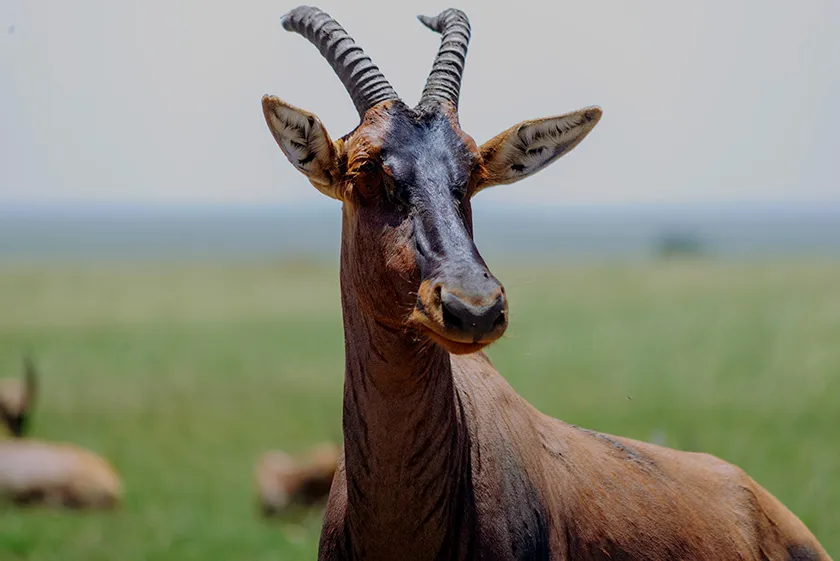
This depends on the location, but common sightings include giraffes, zebras, elephants, buffaloes, various antelope species, primates and an astonishing variety of birds. In the Serengeti, you may track lion, leopard and cheetah spoor. Remember, walking safaris focus on the complete ecosystem, from insects and plants to mega-fauna.
A walking safari engages all your senses. You hear the snap of a twig, smell wild sage, feel the earth under your feet. Your guide teaches you to read tracks, identify bird calls and understand the interconnected ecology. It's a slower, deeper and more intimate experience compared to a vehicle-based game drive.
The dry season (June–October) offers the best conditions: short grass for visibility, cooler walking temperatures and concentrated wildlife around water sources. However, walks run year-round. The short rains (November–December) bring lush landscapes and migratory birds, making it an excellent alternative season.
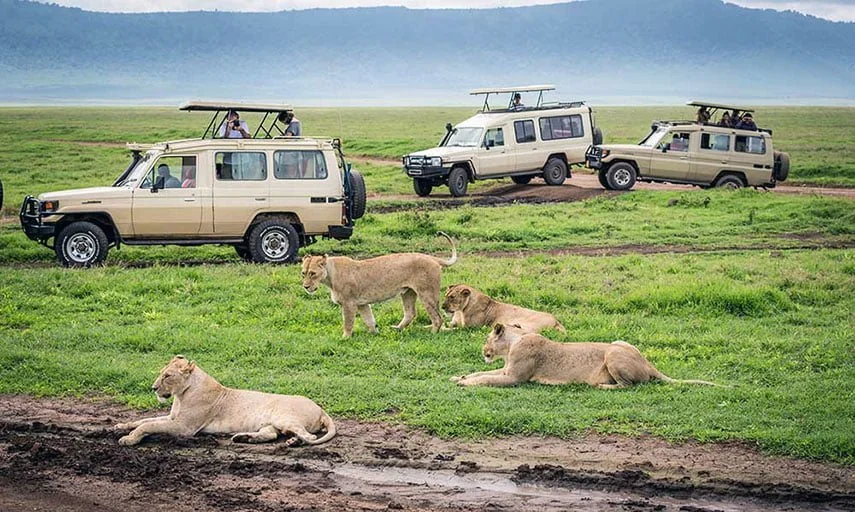
Yes! In fact, we recommend it. Most of our itineraries combine morning walks with afternoon game drives, giving you the best of both worlds. Multi-day packages alternate between walking and driving to cover more ground and maximize wildlife encounters.
Ready to Walk the Wild?
Let us design your perfect walking safari, tailored to your fitness, interests and sense of adventure. Every step brings you closer to Africa.

Ready to plan your dream adventure?