01 — Overview
Land of Giants and Baobabs
Tarangire packs Tanzania's largest elephant population, ancient baobab woodland and a permanent river into one approachable day safari. In the dry season, hundreds of elephants gather along the Tarangire River, while lions, leopards and 550+ bird species make the park far more than an elephant stop.
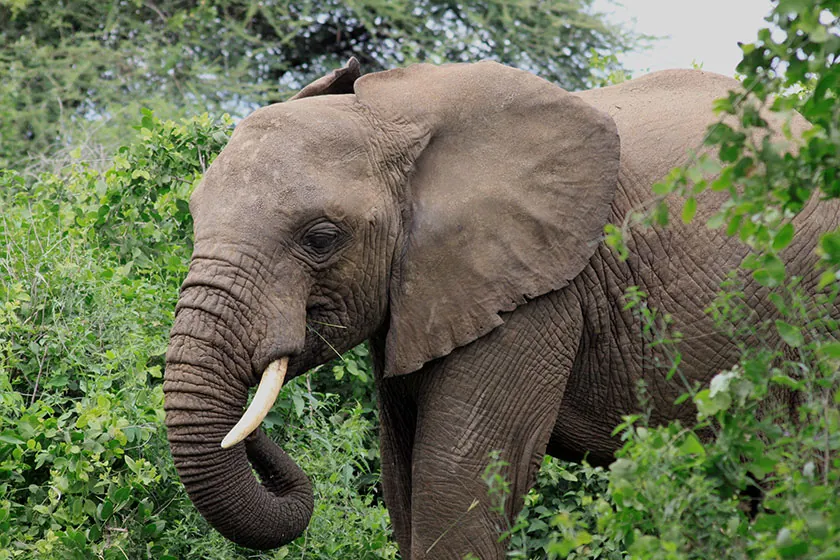
Elephant Herds
Tanzania's largest population, with herds of 200–300 in the dry season.
Ancient Baobabs
Iconic trees, some over 1,000 years old, across open savanna.
Big Cats
Lions, leopards and cheetahs hunt the grassland and woodland.
550+ Bird Species
Raptors, barbets and dry-country specialities along the river.
02 — Experiences
Choose Your Day in the Park
Every trip is hosted by local guides who know the river, the baobab woodland and the quiet tracks away from the crowds. Choose a classic full day or build a private safari around the wildlife you most want to see.
Elephant Herd Tracking
Tarangire supports Tanzania's largest elephant population. In the dry season, family herds of 100–300 animals gather along the Tarangire River, and your guide knows the routes they use each morning.
- Tanzania's largest elephant population
- Best herds from June to October
About 2 hours · Wildlife
Baobab Country Drive
Ancient baobabs, some over 1,000 years old, stand across the park's open savanna. Their huge trunks and twisted branches make Tarangire one of Africa's most recognisable safari landscapes.
- Baobabs up to 1,000 years old
- Iconic photographic scenery
All day · Scenic
Tarangire River Game Drive
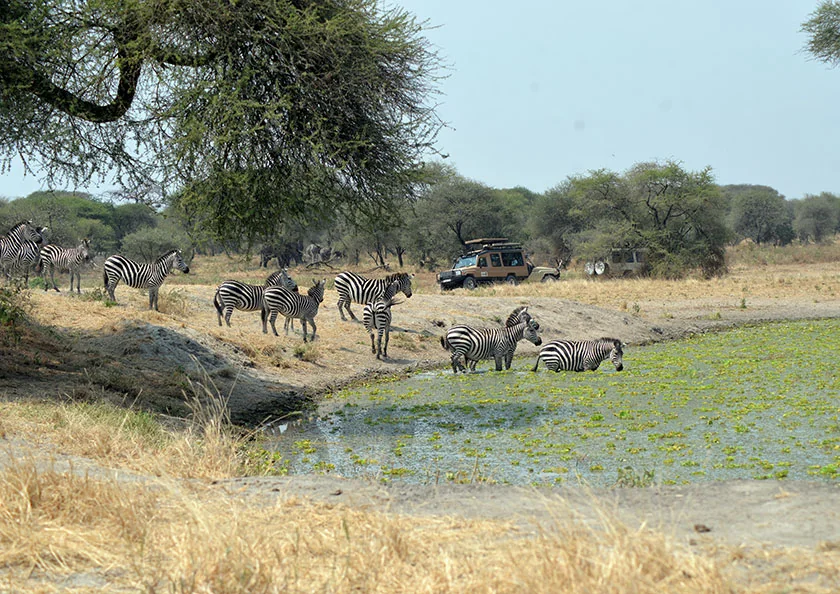
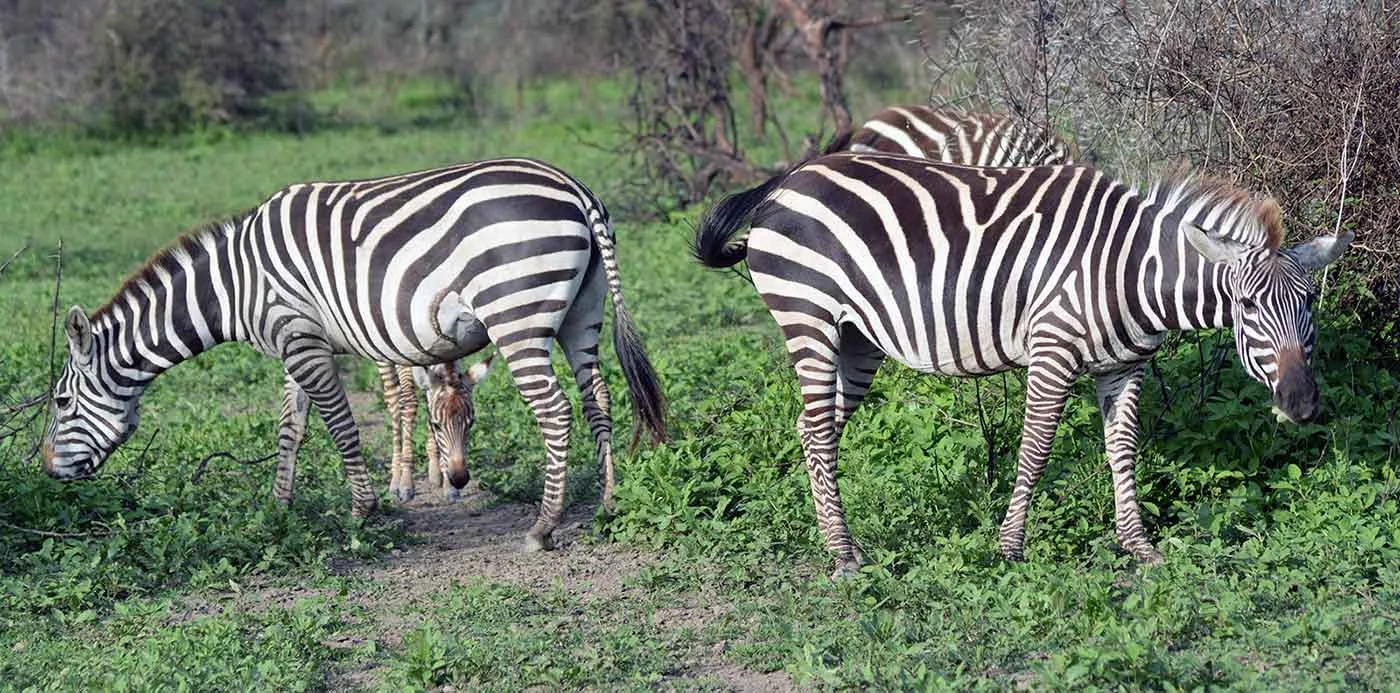
The permanent river is the park's lifeline. Follow it through the dry season as zebra, wildebeest, buffalo, giraffe and elephant come down to drink, with predators never far behind.
- Permanent water and wildlife
- Excellent dry-season concentrations
About 2 hours · Vehicle
Big Cat & Predator Search
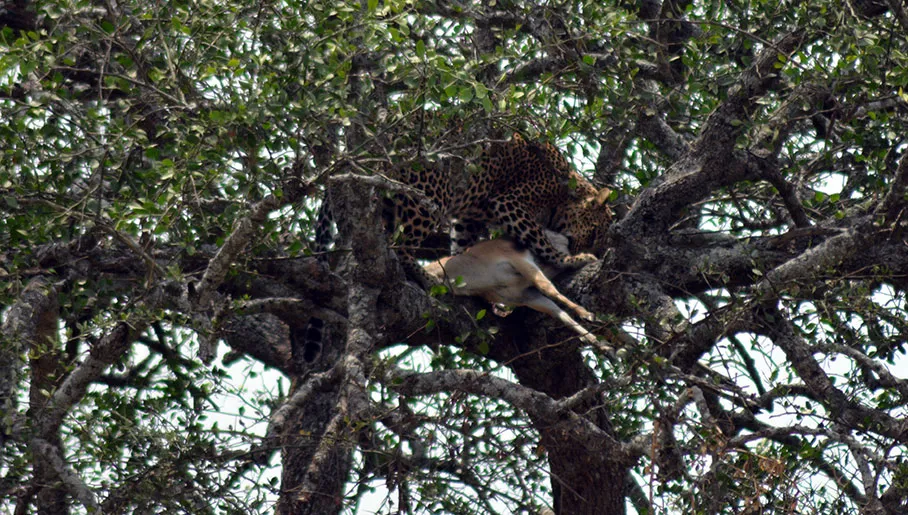
Lions, leopards and cheetahs thrive where grassland meets acacia woodland. Tarangire's quieter tracks and lower visitor numbers make for relaxed, unhurried predator sightings.
- Lions, leopards and cheetahs
- Low visitor numbers
All day · Wildlife
Birding & Raptors
Over 550 species have been recorded here, from martial eagles and kori bustards to colourful red-and-yellow barbets. The river corridor and baobab woodland are especially productive.
- 550+ recorded species
- Raptors and dry-country specialities
Best Nov–Apr · Birding
Private & Family Safari
Travelling with children or prefer a private vehicle? We arrange flexible start times and a pace that suits your group. Open landscapes and big, visible animals keep younger travellers engaged.
- Flexible start times
- Family friendly
Flexible · Private option
03 — Itinerary
Your Tarangire Day
A sample full-day safari from Arusha, with Kilimanjaro Airport and Moshi on request. Timings flex around your hotel, the wildlife and the season — where you stay changes your start time, so we have set out the options and our recommendation below.
Arusha hotels & lodges
Recommended- About 120 km to the gate
- Pickup 6:00 AM · return about 6:30 PM
Arusha is the natural base for this day trip — roughly two hours southwest on good tarmac. You reach the river as the herds move in the morning and still have the afternoon for the quieter southern tracks.
Kilimanjaro Airport (JRO)
On request- About 170 km to the gate
- Pickup 5:15 AM · return about 7:00 PM
Ideal if you are arriving or departing the same day. We can time the pickup around your flight, store luggage in the vehicle and have you back at JRO with a comfortable buffer.
Moshi hotels & lodges
About 3 hours- About 200 km to the gate
- Pickup 5:00 AM · return about 7:30 PM
Moshi works if you are already based there before or after a Kilimanjaro climb. It makes for a long day, but the drive around the mountain is scenic and Tarangire is still an easy add-on.
Our recommendation
Stay in Arusha if you can. The gate is about two hours southwest of town, so a 6:00 AM start gets you to the river as the herds move and back by early evening. JRO and Moshi are possible on the same day, but they add time at each end — Moshi especially makes for a very early start.
Your day, step by step
Eight stops from pickup to drop-off, with the time each one usually starts.
- 6:00 AM2–3 hr driveStep 01
Hotel Pickup — Arusha, JRO or Moshi
Your guide collects you from your hotel in Arusha (6:00 AM), Kilimanjaro Airport (5:15 AM) or Moshi (5:00 AM). The scenic drive southwest passes through Maasai farmland and acacia woodland.
Arusha 6:00 AMJRO 5:15 AMMoshi 5:00 AM - 8:00 AM30 minStep 02
Enter Tarangire National Park
Arrive at the main gate and complete registration while your guide handles the permits. Baboons, warthogs and towering baobabs greet you along the entrance road.
- 9:00 AM1.5 hoursStep 03
Elephant Herds & Baobab Forest
Drive through the baobab-studded landscape searching for elephant families. Your guide knows their preferred morning feeding grounds and the routes they use each day.
- 10:30 AM1.5 hoursStep 04
Tarangire River Game Drive
Follow the river where predators patrol the banks. Excellent chances for lion, leopard and cheetah sightings in the surrounding grassland, with herds coming down to drink.
- 12:00 PM1 hourStep 05
Picnic Lunch with Savanna Views
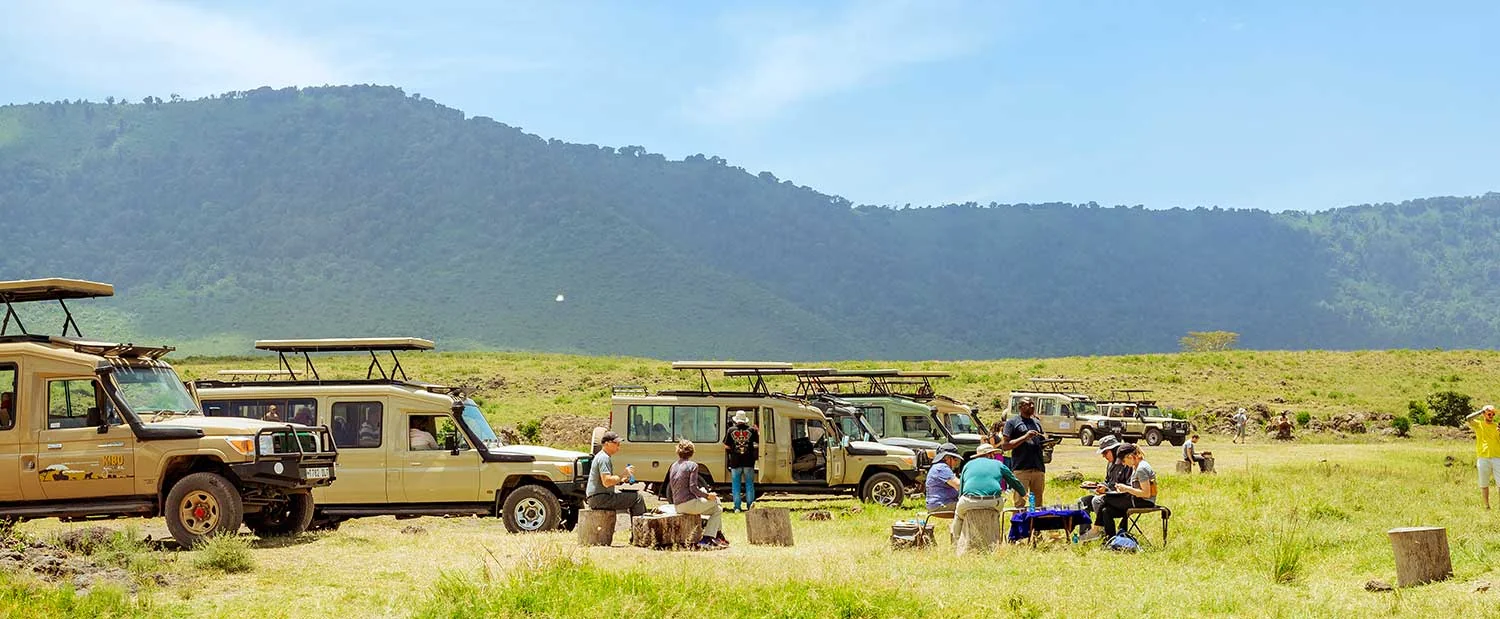
Enjoy a packed lunch at a scenic picnic site overlooking the plains, with elephants and giraffes often visible in the distance. Dietary needs can be arranged in advance when you book.
- 1:30 PM1.5 hoursStep 06
Deep Park Exploration
Venture into quieter areas of the park, looking for greater kudu, fringe-eared oryx and gerenuk in the drier southern zones away from the busier tracks.
- 3:30 PM1 hourStep 07
Golden Hour Photography
Afternoon light transforms the landscape. This is prime time for dramatic wildlife photography with baobab silhouettes and long shadows across the savanna.
- 4:30 PM2–3 hr driveStep 08
Exit Park & Return Journey
Final game viewing as you leave the park. Arrive back at your Arusha hotel around 6:30 PM, or later for JRO and Moshi drop-offs.
04 — Nearby Attractions
Combine With Lake Manyara & Ngorongoro
Tarangire sits on the eastern edge of the northern circuit. Lake Manyara is a short drive west, the Ngorongoro Crater is within easy reach for a second day, and Arusha is close enough for an early start.
Lake Manyara National Park
- Distance: Around 1.5 hours (70 km) from Tarangire
- Setting: Groundwater forest and a soda lake below the Rift Valley
- Highlights: Tree-climbing lions, flamingos and escarpment views
- Style: Full-day game drive with a picnic lunch
- Location: Lake Manyara National Park, Manyara Region, Tanzania
Pair the two parks for a classic two-day safari, or add a Ngorongoro Crater day for the full northern circuit.
05 — Getting There & Practical Tips
Getting There, What to Bring & Tips
Location
- Main gate near Tarangire village, Manyara Region
- About two hours (120 km) from Arusha on tarmac road
- Hotel or lodge pickup and drop-off included
What to Bring
- Comfortable, neutral-coloured clothing
- Light jacket for cool early mornings
- Sunhat, sunscreen & insect repellent
- Camera with zoom lens or binoculars
Practical Tips
- Elephants: herds are largest along the river from June to October
- Birding: migrant species arrive with the short rains from November
- Early start: leaving at 6:00 AM gives the best wildlife hours
- Families welcome: open landscapes keep animals easy to see
06 — Best Time to Visit
Best Time to Visit Tarangire
The park is a year-round destination. The dry season brings the great elephant concentrations, while the rains turn the baobabs green and fill the park with migrant birds.
Jun – Oct (Best)
Dry season — wildlife concentrates along the Tarangire River and predator sightings peak.
Sep – Oct
Peak elephant season — herds of 200–300 gather at the last permanent water.
Nov – Feb
Short rains — green baobabs, newborn animals, migrant birds and fewer visitors.
Mar – May
Long rains — lush scenery, quiet tracks and the lowest prices of the year.
Note: Elephant herd sizes and wildlife concentrations change with the seasons. Your guide plans the route around current conditions and recent ranger reports.
07 — Location & Map
Find Tarangire National Park
Tarangire lies about 120 km southwest of Arusha, between the Maasai Steppe and the Rift Valley. The main gate is close to Tarangire village, making it an easy day trip from Arusha and a natural first stop on the northern circuit.
08 — Community Impact
Roots of Conservation at Tarangire
Tarangire protects a vast elephant range that stretches far beyond the park boundary. Every tour is hosted by guides from Arusha and the villages around the park, and park fees help fund rangers, anti-poaching patrols and conservation work.
Happening Today
- Every trip is led by guides from Arusha and the villages around the park
- Park fees support rangers and anti-poaching patrols across the elephant range
- Local families supply picnic lunches, transport and guiding services
- School groups visit to learn about elephants, baobabs and the river ecosystem
The Vision Ahead
- Roots of Learning: conservation education for local schoolchildren
- Tree planting along village boundaries and wildlife corridors
- Clean-water and waste projects in communities near the park
- Tour income reinvested in guiding training and community projects
09 — Gallery
A Glimpse of Tarangire
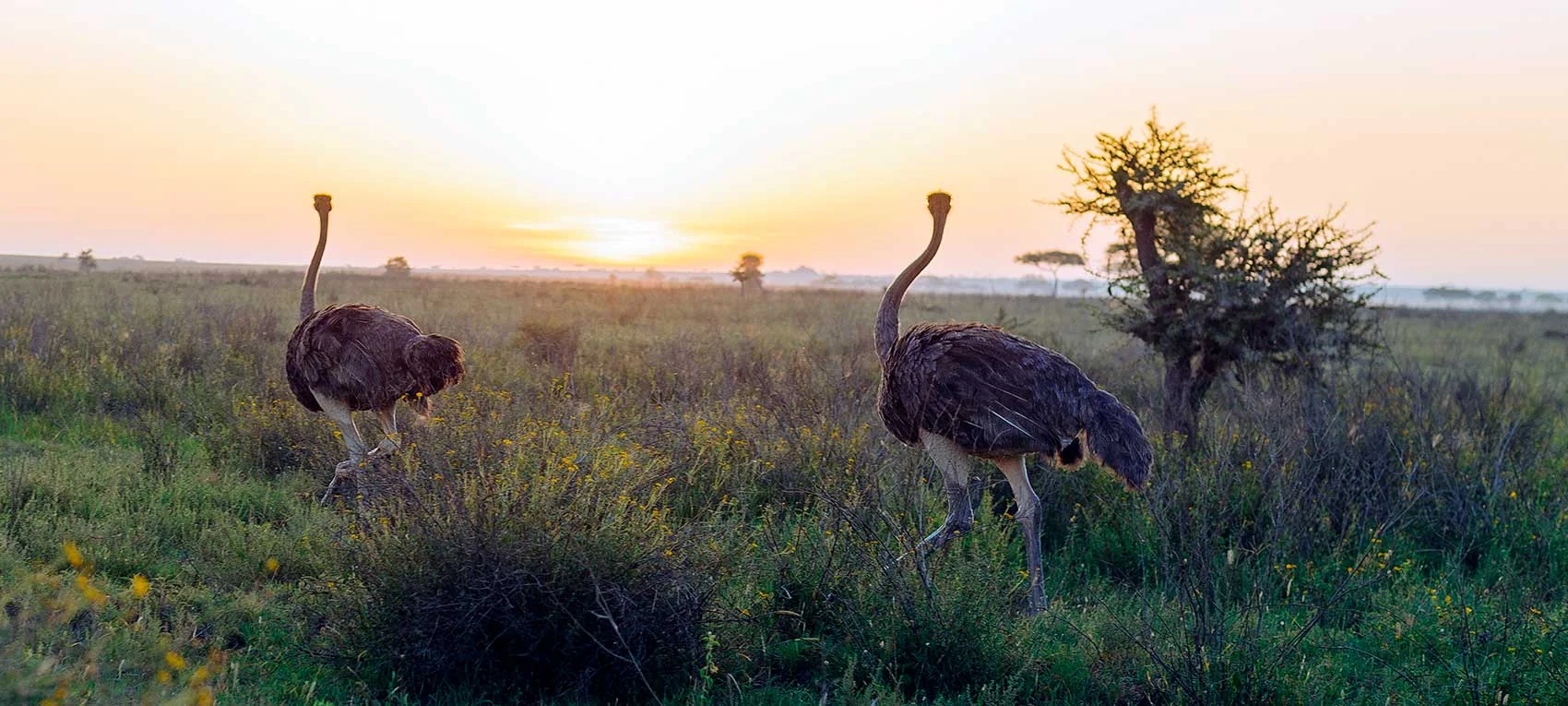
Elephant herds, ancient baobabs and open savanna — a closer look at the day that awaits, one photograph at a time.
 Tap to enlarge01
 Tap to enlarge02
 Tap to enlarge03
 Tap to enlarge04
 Tap to enlarge05
10 — Reviews
What Our Guests Say
"We came for the elephants and were not disappointed. Herds stretched along the river for as far as we could see, and the baobabs at sunset were unforgettable."
— Emma & Tom, United Kingdom
"A relaxed, uncrowded safari with wonderful variety. Our guide found lions, a leopard in a tree and more bird species than we could count in a single day."
— Daniel R., Netherlands
"Perfect family day trip. The open landscapes made the animals easy to see, and our guide kept the children interested the whole way through the park."
— The Okafor family, Nigeria
11 — Tour Details
What's Included & Excluded
Included
- Hotel pickup & drop-off (Arusha; Moshi and JRO on request)
- Full-day game drive in a 4×4 safari vehicle
- Professional English-speaking safari guide
- Packed picnic lunch & soft drinks
- All park entry fees & permits
- Bottled mineral water
- Binoculars (one pair per vehicle)
- Vehicle with pop-up roof for game viewing
Excluded
- ✕Tips for guide & driver
- ✕Alcoholic beverages
- ✕Personal travel insurance
- ✕Items of personal nature
Practical Info
- Duration: About 10–11 hours, including transfers
- Departure: Pickup around 6:00 AM, return around 6:30 PM
- Location: Tarangire National Park, Manyara Region, Tanzania
- Group Size: Small groups, private tours available
Good to Know
- Difficulty: Easy — mostly vehicle-based with short stops
- Wildlife advisory: elephant herd sizes and wildlife concentrations vary by season
- Tipping: appreciated but not required
- Cancellation: free reschedule with reasonable notice for weather or unforeseen circumstances
Price Per Person
Rates are per person and depend on group size. They include park fees, transport, lunch and a professional guide. Contact us for private tours or custom itineraries.
1 Person
$200
per person
2 People
$150
per person
3 People
$130
per person
4 People
$120
per person
5+ People
$110
per person
12 — Combine With
Combine This Tour With Other Day Trips
Make the most of your time on the northern circuit by pairing Tarangire with these popular day trips.
Lake Manyara Day Trip
Tree-climbing lions, flamingo shores and Rift Valley scenery on a compact safari.
View TourArusha National Park
Spot giraffes and flamingos on a walking safari beneath Mount Meru.
View TourChemka Hot Springs
Relax in crystal-clear natural hot springs surrounded by tropical forest.
View Tour13 — FAQ
Frequently Asked Questions
How many elephants will I see?
Tarangire hosts over 3,000 elephants, Tanzania's largest population. During the dry season from June to October, herds of 200–300 individuals gather along the river, virtually guaranteeing spectacular sightings. Even in the wet season, smaller family groups are common.
How long is the drive from Arusha?
About two hours (120 km) from Arusha on good tarmac road. From Moshi, add about 45 minutes. The drive passes through Maasai farmland, and hotel transfers are included.
When is the best time to visit Tarangire?
The dry season from June to October offers the most dramatic wildlife concentrations along the river, with September and October the peak for elephant herds. The park is excellent year-round, and the wet season brings green scenery, migratory birds and fewer visitors.
Can I combine this with Lake Manyara or Ngorongoro?
Absolutely. Tarangire and Lake Manyara make a natural two-day combination since they are only about 70 km apart, and many travellers add the Ngorongoro Crater for a three-day northern circuit. Ask us about multi-park packages.
Is this trip suitable for families?
Yes. The park's open landscapes and large concentrations of visible animals make it excellent for families, and children are fascinated by the elephants and ancient baobabs. We provide child-friendly packed lunches and flexible pacing.
What makes Tarangire different from the Serengeti?
Tarangire offers a more intimate safari with fewer vehicles, massive elephant herds and baobab woodland found nowhere else on the northern circuit. It is ideal for a day trip, while the Serengeti rewards multi-day visits. Tarangire's 550+ bird species also surpass the Serengeti.
14 — Book This Tour
Book Your Tarangire Day Trip
Contact us to check availability, arrange hotel pickup, or customise your day in Tarangire National Park.
Book Online
Send a booking request with your dates and group size.
