Key Facts
A realistic, all-inclusive Kilimanjaro climb in 2026–2027 costs $2,700–$3,500 per person for a standard 6–7 day group trek. TANAPA park fees alone come to $1,050–$1,100 per person, and hard costs before any operator margin already reach about $2,350. Any quote below $2,100 means someone - usually porters or safety - is paying the difference. Budget $4,500–$7,000 for the complete trip including flights, tips, visa, and insurance.
The Short Answer
A realistic, all-inclusive Kilimanjaro climb in 2026–2027 costs around $2,700 USD for a standard 6–7 day group trek with a reputable operator. This includes park fees, experienced guides, quality equipment, and proper crew wages.
Prices range from $2,100 (bare minimum) to $9,500+ (luxury camping), depending on route length, group size, and service level. The cheapest offers ($1,200–$1,500) almost always cut corners on porter welfare, safety equipment, or food quality. This guide breaks down every cost bucket so you can compare operators fairly and budget for the full experience.
Standard Climb
$2,700–$3,500 all-inclusive
Park Fees (TANAPA)
$950–$1,100 per person
Crew Wages (ethical)
$700–$900 per climb
Food & Equipment
$400–$500 per person
Cheap Climb Warning
Below $2,100 = corners cut
Full Trip Budget
$4,500–$7,000 incl. flights
Budget Coach's Note
The cheapest climb is rarely the best climb. With park fees alone exceeding $1,050 per person, any quote below $2,100 means someone, usually porters or safety, is paying the difference. Buy the climb, not the discount.
Price Range Breakdown
Operators cluster around three service tiers. All are safe when run by a licensed TANAPA operator, but they differ sharply in comfort, group size, and success rate.
Budget
$2,100–$2,500
- Basic camping equipment
- Large groups (10–15)
- 5–6 day routes
- Minimal crew support
Standard
$2,700–$3,500
- Quality camping gear
- Smaller groups (4–8)
- 6–7 day routes
- KPAP-certified porter care
Premium
$4,500–$9,500+
- Luxury tented camps
- Private climbs
- Gourmet meals
- Extra acclimatisation day
Route Selection Impacts Cost
Popular routes like Machame (6–7 days) and Lemosho (7–8 days) cost more than the shorter Marangu Route, but they deliver better acclimatisation and significantly higher summit success rates.
Major Cost Buckets
For a typical $2,700 trek on a 7-day route, here is approximately where your money goes:
TANAPA Park Fees
Entrance, camping, rescue fees and VAT, non-negotiable government charges paid directly to TANAPA.
Mountain Team Wages
Fair wages for guides, assistant guides, cooks, and porters. Ethical operators pay above minimum standards.
Food & Equipment
Tents, sleeping bags, meals, purified water, portable toilets, and equipment maintenance.
Logistics & Overhead
Transportation, permits, insurance, office costs, and company overhead.
The remaining 5–10% covers operator overhead, marketing, insurance, and a sustainable profit margin. Established tour companies need that margin to maintain quality and stay in business, it is not waste, it is what keeps your climb safe.
Park Fees Breakdown
Tanzania National Parks Authority (TANAPA) sets these fees. They are identical for every operator and cannot be negotiated:
| Fee Type | Cost per Day | 6-Day Total |
|---|---|---|
| Conservation Fee (per person) | $70 | $420 |
| Camping Fee (per person) | $50 | $300 |
| Rescue Fee (one-time) | - | $20 |
| Crew Entry Fees | - | $150–$200 |
| 18% VAT (on park fees) | - | $160–$180 |
| TOTAL PARK FEES | - | $1,050–$1,100 |
Why Cheap Operators Can't Exist
Park fees alone are $1,050+ per person. Add fair wages ($700), equipment ($400), and transport ($200), and you are at $2,350 in hard costs. Any operator quoting below $2,100 is cutting corners on porter welfare, food quality, or safety equipment.
Mountain Team Wages
For every climber you typically travel with a crew of 3–4 people. Ethical operators pay well above the legal minimum, here is what the ranges look like for a 6-day climb:
Lead Guide
Assistant Guide
Cook
Porters (2–3 per climber)
Masatu's Commitment
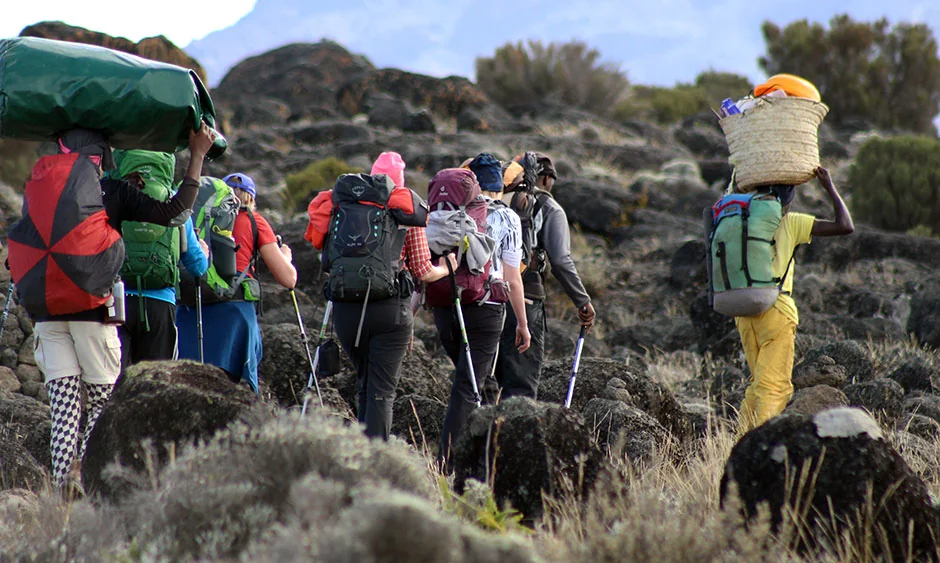
We pay above KPAP minimum standards and ensure all crew receive proper equipment, three meals daily, and comprehensive insurance. Our porters carry no more than 20kg (44lbs). Learn more from the Kilimanjaro Porters Assistance Project (KPAP).
Equipment & Food Costs
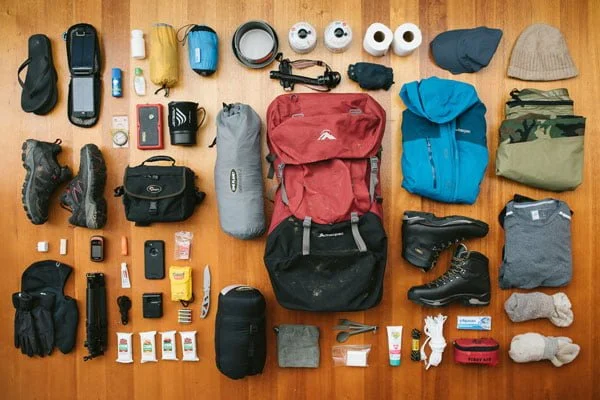
Equipment Provided
- 4-season mountain tents (2-person)
- Sleeping mats (foam or inflatable)
- Dining tent with chairs & tables
- Portable toilet tent (optional upgrade)
- Cooking equipment & utensils
- Emergency oxygen & first aid
- Pulse oximeter & thermometer
Food Included
- 3 hot meals daily (breakfast, lunch, dinner)
- Afternoon snacks & hot drinks
- Purified drinking water (3–4 L/day)
- Fresh fruits & vegetables
- Special dietary accommodations
- Summit night energy snacks
Typical menu: porridge, eggs, toast (breakfast); pasta, soup, sandwiches (lunch); rice, chicken, vegetables (dinner).
Group vs Private Climb Pricing
Fixed costs, park fees, crew wages, equipment, do not change whether you climb alone or in a group of eight. Larger groups share those costs, which is why per-person pricing falls as group size grows:
| Group Size | Cost per Person | Pros & Cons |
|---|---|---|
| Group (6–8 people) | $2,700–$2,900 | Most affordable; social; shared costs |
| Small Group (4–5) | $3,000–$3,300 | Good balance; more personal pace |
| Private (2–3 people) | $3,500–$4,200 | Flexible schedule; full guide attention |
| Solo Climber | $4,500–$5,500 | Maximum flexibility; highest per-person cost |
Our Honest Advice
Don't Choose by Price Alone
Ultra-budget operators ($1,200–$1,800) underpay porters, use worn-out equipment, serve inadequate food, and have lower success rates. You'll spend 6–9 days on the mountain, invest in quality.
Look for KPAP Certification
The Kilimanjaro Porters Assistance Project monitors porter welfare. KPAP Partner Companies commit to fair wages, proper crew gear, a 20kg load limit, and three crew meals daily.
Consider Longer Routes
5-day routes are cheaper ($2,100–$2,400) but summit only 45–55% of the time. 6–7 day routes like Machame or Rongai cost slightly more but succeed at 75–85%.
Budget for Extras
Tips ($250–$300 classic, $400–$600 premium), gear rental ($150–$300), visas ($50–$100), travel insurance ($100–$200), and pre/post-climb hotels ($50–$150/night) sit outside the climb fee.
Total Budget Estimate
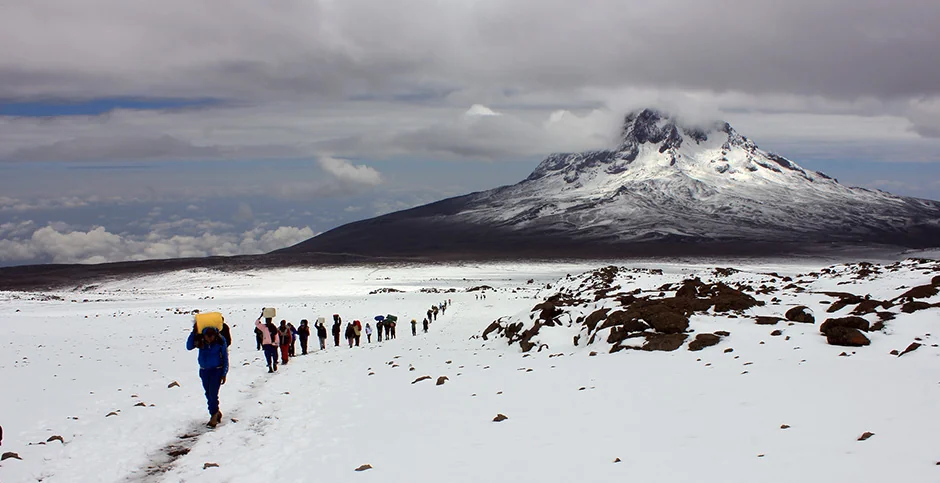
For the complete experience, climb, tips, gear, visa, insurance, hotels, and flights, budget $4,500–$7,000 USD from your home country. See our tipping guide, money in Tanzania, and insurance guide for details.
Frequently Asked Questions
A realistic, all-inclusive climb with a reputable operator costs around $2,700–$3,500 per person for a 6–7 day group trek. Budget options start near $2,100 while luxury climbs reach $9,500+.
Extremely cheap offers cut corners on porter welfare, safety equipment, food quality, or crew wages. With park fees alone above $1,050 per person, sustainable operators simply cannot deliver a safe climb below roughly $2,100.
Yes. At Masatu Tours, TANAPA park fees, camping fees, rescue fees, and VAT are included in the package price, so there are no surprise government charges on the mountain.
Budget USD 250–500 per person for the crew. This covers guides, assistant guides, the cook, and porters for a standard 6–7 day climb.
Yes, but the extra days pay for themselves: 6–7 day routes cost roughly $2,700–$3,200 and boast 75–85% success rates, versus 45–55% for rushed 5-day itineraries.
Park fees, experienced guides, mountain crew wages, quality camping equipment, three meals daily, purified drinking water, emergency oxygen, and first-aid support are typically included.
Flights, Tanzania visas, travel insurance, crew tips, optional gear rental, and pre/post-climb hotels are separate. Budget $4,500–$7,000 in total for the complete experience.
Yes. Fixed costs like park fees and crew wages are shared across the group, so private (2–3 person) climbs run $3,500–$4,200 per person while 6–8 person groups cost $2,700–$2,900.
Pay for the Climb, Not the Discount
A fair, safe, all-inclusive Kilimanjaro climb costs roughly $2,700–$3,500 per person. That price covers park fees, ethical crew wages, quality equipment, and the logistics that keep you safe from gate to summit. Quotes far below $2,100 are not bargains, they are red flags.
Choose a licensed TANAPA operator with KPAP-aligned porter treatment, budget for the extras (tips, visa, insurance, flights), and treat the fee as an investment in the summit photo you will keep for life.
Plan Your Kilimanjaro Climb
Tell us your dates and group size, and Masatu sends a detailed, itemised cost breakdown with no hidden fees, from a KPAP Partner Company committed to ethical porter treatment. See it before you commit, and get honest route and tariff advice from guides who have summited hundreds of times.
More Kilimanjaro Guides
GuidesKilimanjaro Park Fees
Government fees and charges, explained in full
Kilimanjaro Tipping Guide
Fair tips for guides, cooks, and porters
Ultimate Packing List
Complete gear checklist and layering strategy
Best Time to Climb
Weather windows and optimal climbing seasons
How Long Does It Take?
Duration breakdown by route and acclimatisation
Uhuru Peak Guide
Facts, history, and reaching Africa's highest point
Last updated: September 16, 2026. Prices verified against current TANAPA fee schedules, KPAP wage standards, and 2026–2027 climbing-industry guidance. Always confirm exact pricing with your operator before booking.
