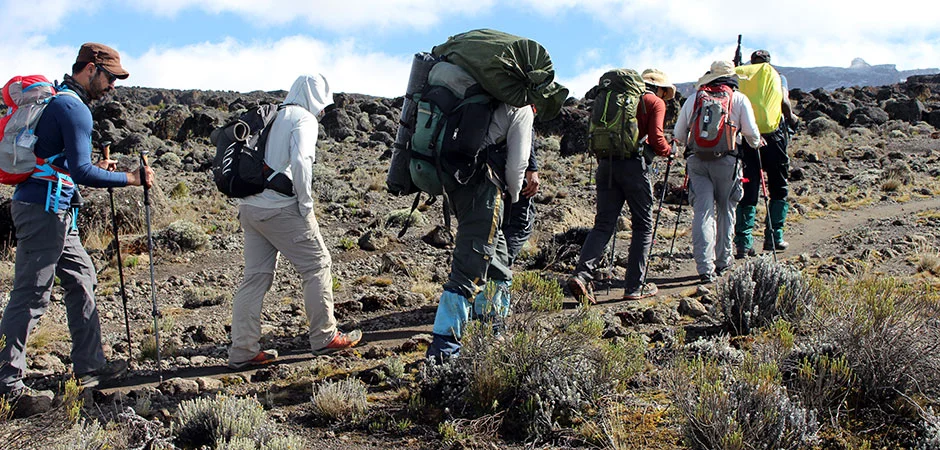
Climbing Kilimanjaro is never a solo effort. For every climber on the mountain, a small army of local professionals works quietly behind the scenes: a lead guide, assistant guides, a cook, waiters, and a team of porters who carry tents, food, water, and gear for days at a time. They set up camp before you arrive, pack it down after you leave, and keep you safe at altitudes where the air holds half the oxygen you are used to.
Tipping is how that team is properly rewarded. While crew members receive base wages, tips make up a large share of their income, for many porters it is 40-60% of what they earn in a year. A fair tip is not an extra, it is part of the real cost of climbing Kilimanjaro, and planning for it before you travel is the responsible way to climb.
Masatu's Commitment
We ensure 100% of your tips reach the crew. Masatu is a proud member of the Kilimanjaro Porters Assistance Project (KPAP) and follows their Porter Treatment Guidelines, so every tip is accounted for, documented, and delivered.
Kilimanjaro Tipping Quick Answers
USD 250-300
Classic route tip, per climber
USD 400-600
Premium route tip, per climber
USD 20-25
Lead guide, per day (KPAP)
USD 6-8
Each porter, per day (KPAP)
Classic Trip Tip
USD 250-300 per climber
Premium Trip Tip
USD 400-600 per climber
Lead Guide
USD 20-25 per day (KPAP)
Porters
USD 6-8 per day each (KPAP)
Cooks & Waiters
USD 5-10 per day each
Cash Only
No cards on the mountain
Banknotes
USD bills printed after 2013
Distribution
100% reaches the crew
How Much Should You Tip?
The easiest way to budget is by route. Industry guidelines, based on KPAP's porter treatment standards, suggest a total tip of USD 250-300 per climber for classic routes (Marangu, Machame, Rongai) and USD 400-600 per climber for premium routes (Lemosho, Northern Circuit). These figures cover the whole crew, not one person.
The range is wide for a reason: crew size, trip length, and service quality all change the number. A longer route with a bigger team naturally deserves more. The table below gives realistic totals for each popular route.
| Route | Days | Tip per climber |
|---|---|---|
| Marangu or Machame | 5-6 days | USD 250-300 |
| Rongai | 6-7 days | USD 300-400 |
| Lemosho | 7-8 days | USD 350-450 |
| Northern Circuit | 9 days | USD 500-600 |
Treat These as Guides, Not Rules
Consider your group size, the quality of service you received, and your own budget. A solo climber may tip a little more per person, while a large group can pool. The goal is fairness, not hitting an exact number.
Classic vs Premium: What's the Difference?
The higher budget for premium routes is not about luxury, it reflects a bigger team working harder for longer.
Classic Routes
Marangu and Machame use established trails with standard camping or hut accommodation. Crews are smaller, usually 8-12 people, and itineraries run 5-7 days. This keeps the recommended tip at USD 250-300 per climber.
Premium Routes
Lemosho and the Northern Circuit offer quieter trails, better acclimatisation, and longer itineraries of 8-9 days. Bigger crews of 12-18 people provide private toilets, comfortable dining tents, and richer meals. More hands means a higher tip pool.
Whichever route you choose, the same principle holds: your tip is shared among more people on a premium climb, so the pool needs to be larger for each person to receive a fair share.
Who Receives Tips?
Every member of the mountain team is included in the tip pool. Here is how a typical crew splits the total, so you know your money reaches everyone who helped. To see how Kilimanjaro porters compare with the famous Sherpas of the Himalaya, read our guide to Sherpas vs Kilimanjaro Porters.
Lead Guide
15-20%
The certified professional responsible for safety, navigation, and summit success. Carries the heaviest responsibility.
Assistant Guides
10-15% each
Support the lead guide, monitor climbers, and manage altitude illness. You will meet them every single day.
Porters
50-60% (collectively)
The backbone of the climb. They carry equipment and set up camp before you arrive. They deserve the biggest share.
Cooks & Waiters
10-12% (collectively)
They prepare hot meals at altitude, run the dining tent, and keep everything clean and safe to eat.
How Masatu Handles Tips
A transparent tipping system protects both climbers and crew. Cash handed out quickly at the trailhead can lead to disputes or unequal shares. Masatu uses a bank-based system so every person is paid fairly and every shilling is documented.
- 1Sealed Envelope. Your group places tips in a sealed envelope at the end of the trek.
- 2Office Accounting. The envelope goes to our Moshi office for verification and documentation against the crew manifest.
- 3Bank Deposit. Funds are deposited into crew accounts within 48 hours.
- 4Fair Distribution. The lead guide, assistant guides, porters, and cooks receive pre-agreed shares.
- 5Public Record. Distribution records are posted in our office for the crew to review.
Why This Matters
Bank transfers create accountability, traceability, and trust. They remove the risk of a manager pocketing a share, and they let every porter and cook verify their own payment. It is how ethical climbing should work.
Currency & Banknote Requirements
Always tip in US dollars. USD is the standard currency for tourism in Tanzania, and crew members prefer it for its stability and international value. Tanzanian shillings are accepted too, but USD makes the whole process simpler.
Avoid These Bills
- Notes printed before 2013, banks often reject them
- Heavily creased, torn, taped, or marked bills
- Very worn notes that look suspect to a bank teller
Bring These Instead
- Fresh, crisp bills printed after 2013
- Smaller denominations: $20, $50, and $100 for pooling
- Cash obtained from an ATM or bank in Arusha or Moshi
Pro Tip
Withdraw fresh bills from an ATM in Arusha or Moshi before your climb. Bank-issued notes are always in acceptable condition, and there are no ATMs on the mountain.
Can You Tip Individuals Directly?
Yes, but with care. Pooled tipping keeps things fair, and on top of that pool you are welcome to thank one person privately for exceptional service. A guide who went beyond expectation, or a porter who helped you through a tough day, will remember a personal gesture.
- Give privately, this avoids creating jealousy or expectations among the rest of the crew.
- Keep amounts modest, USD 10-20 is meaningful without upsetting the team dynamic.
- Consider useful gifts, quality headlamps, gloves, or energy bars are highly valued.
- Never replace the pooled tip, individual gratuities are bonuses, not substitutes.
Not sure what feels right? Ask your lead guide. They know what is culturally appropriate and will happily advise you.
Sample Tip Distribution
Here is how a USD 400 tip pool on a Lemosho trek might be split across a 14-person crew. The porters receive the largest share because there are the most of them and they do the heaviest physical work.
| Role | Count | Share |
|---|---|---|
| Lead Guide | 1 | USD 70 |
| Assistant Guide | 1 | USD 50 |
| Porters | 10 | USD 240 (USD 24 each) |
| Cook | 1 | USD 30 |
| Waiter | 1 | USD 10 |
| TOTAL | 14 | USD 400 |
Note: This is a sample breakdown. Actual distributions vary with crew size, trip length, and operator policy.
The Tipping Ceremony
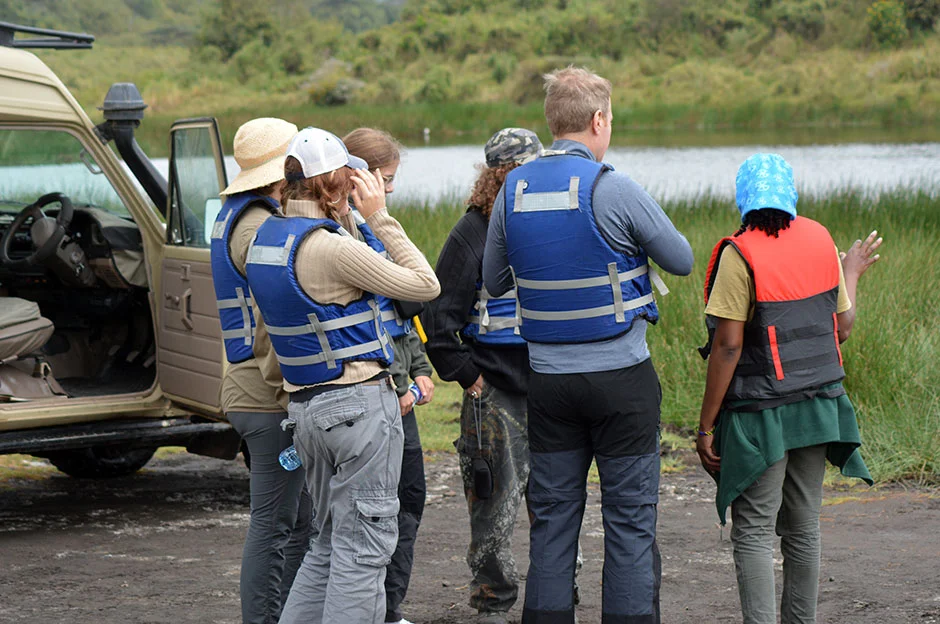
On the final evening at base camp, or after you descend to the trailhead, most operators hold a short tipping ceremony. It is a formal thank-you, and for many climbers it becomes one of the most memorable moments of the trip.
What to Expect
- The crew assembles in a circle or line
- The lead guide thanks you and introduces each crew member
- You present the sealed envelope and say a few words
- The crew may sing traditional songs in celebration
Etiquette Tips
- Prepare your envelope in advance, never count money in front of the crew
- Say a few sincere words of thanks, they value the recognition
- Shake hands with each crew member if you can
- If using bank transfers, mention that deposits land within 48 hours
Other Ways to Show Appreciation
Money is not the only way to support mountain workers. These non-cash contributions mean a great deal, and most cost you nothing beyond a little thought.
Gear Donations
Good gloves, headlamps, warm socks, and thermal layers are always needed. Many porters work in borrowed or worn-out gear.
Online Reviews
Positive reviews on TripAdvisor, Google, and SafariBookings help guides and porters attract future work and build their reputations.
Referrals
Recommend your guide and operator to friends planning treks. Word of mouth sustains ethical operators like Masatu.
Support KPAP
Donate to the Kilimanjaro Porters Assistance Project, which provides medical care, education, and advocacy for porters.
A Thoughtful Balance
Non-cash gifts are lovely extras, but they should never replace the cash tip. The crew needs money to support their families, gear and kind words are the bonus on top.
Practical Tipping Checklist
Sort this out before you land in Tanzania, not at the trailhead. Walk through these steps and tipping becomes effortless.
Research recommended tip amounts for your chosen route
Withdraw fresh USD bills printed after 2013
Bring smaller denominations, $20, $50, and $100, for pooling
Pack labelled envelopes or a zip-lock bag to hold tips
Agree on a pooled total with your group before departure
Confirm your operator's tipping policy and distribution method
Plan a short thank-you note or speech for the ceremony
Consider packing spare gear to donate as a non-cash gift
Frequently Asked Questions
Plan Your Kilimanjaro Climb
Once the tipping question is settled, the next step is choosing your route. Every Masatu climb includes an experienced crew, transparent tipping guidance, and a fair-treatment policy you can verify.
Climb Ethically with Masatu Tours
Choose from all seven Kilimanjaro routes with transparent pricing, KPAP-aligned porter treatment, and tips handled through verified bank transfers. Our team handles the details so you can focus on the summit.
Conclusion
Tipping on Kilimanjaro is simpler than most climbers fear. Budget USD 250-300 per person on a classic route and USD 400-600 on a premium route, bring clean, post-2013 US dollar bills, and plan to hand the pool over at the final ceremony. Do that, and you can relax knowing every person who carried your dream up the mountain is rewarded fairly.
The money matters, and so does the way you give it. Transparent distribution protects the people who make climbing possible, and choosing an operator that follows KPAP guidelines protects them for years to come.
Ready to Climb With Fair Tips?
Talk to a Masatu Tours expert today and get clear pricing, honest route advice, and a climb where your crew is treated the way they deserve. We will handle the tipping logistics, you just focus on the summit.
Talk to a Safari ExpertRelated Climbing Guides
Ethical Kilimanjaro Climbing
Climb responsibly, protect porter welfare
Sherpas vs Kilimanjaro Porters
How porters compare to Himalayan Sherpas
Kilimanjaro Cost Guide
What a climb really costs
Kilimanjaro Park Fees
Fees, permits, and levies explained
Money in Tanzania
Currency, ATMs, and tipping
Tanzania Safari Tipping Guide
Safari tipping amounts for guides and camps
Kilimanjaro Gear Guide
Everything to pack for the climb
Lemosho Route Guide
The premium 8-day route
Machame Route Guide
The popular Whiskey Route
Last updated: August 11, 2026. Tipping guidance based on KPAP Porter Treatment Guidelines and Masatu Tours field experience.
