Discover Ruaha, Tanzania's Largest Wilderness
Karibu. If you want a safari that feels like discovery, few vehicles, enormous skies, and wildlife behaving as it did long before cameras and crowds, Ruaha is for you. This is big country: sweeping miombo and acacia woodlands, rocky kopjes, and the life-giving Great Ruaha River cutting through dry season dust. It's raw, rawly beautiful, and deeply rewarding for visitors who like solitude and steady, patient wildlife watching.

Tanzania's Largest Protected Area
At 20,226 km², Ruaha is one of East Africa's largest protected areas and still feels frontier-wild with untouched landscapes and minimal human presence. Far fewer safari vehicles than northern parks means calm mornings, better photos, and more natural wildlife behavior.
Quick Facts
- Size: 20,226 km² (Tanzania's largest park)
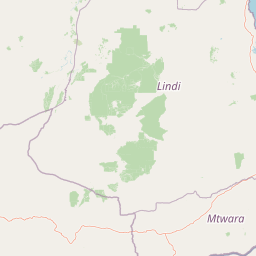
- Location: Southern Tanzania
- Best Time: June–October (dry season)
- Specialty: African wild dogs, remote wilderness
- Experience: Remote, quiet, and intimate
- Bird Species: 570+ recorded species
The Masatu Tours team has explored Ruaha extensively. We can confidently say that the safari experience here is truly unique due to the vast wilderness, minimal crowds, and natural wildlife behavior.
Why Ruaha Matters
Vast Wilderness
One of East Africa's largest protected areas, Ruaha still feels frontier-wild with untouched landscapes and minimal human presence.
Big Mammal Concentrations
Elephants, buffalo, many antelope species, and large lion prides gather regularly around permanent water sources.
Predator Populations
Healthy populations of lions, African wild dogs, spotted hyenas, and rare raptors thrive here.
Outstanding Birding
Hundreds of species from river specialists to miombo endemics and impressive raptors, a birdwatcher's paradise.
Quiet Experience
Far fewer safari vehicles than northern parks means calm mornings, better photos, and more natural wildlife behavior. Experience Africa as it was meant to be seen.

What You'll Likely See
Ruaha hosts one of East Africa's most significant wildlife populations. The park's remote location and varied habitats support an exceptional diversity of mammals rarely seen in more crowded northern parks.
Elephants
Large family groups near permanent water, sometimes numbering in the hundreds
Lions
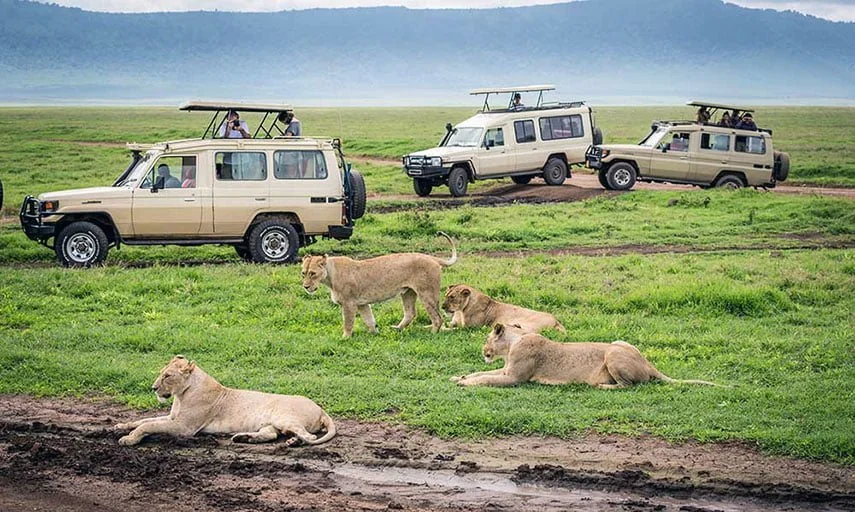
Dynamic prides with dramatic predator-prey scenes unfolding naturally
African Wild Dogs
Rare coordinated hunts in one of their last remaining strongholds
Buffalo
Massive herds across the plains and river valleys
Greater Kudu
Majestic spiral-horned antelope in the miombo woodlands
Hippos & Crocodiles
Enormous populations along the Great Ruaha River

Elephants are often found in large numbers and family groups near permanent water. Ruaha hosts one of East Africa's most significant elephant populations, with herds sometimes numbering in the hundreds. Lions form dynamic prides with dramatic predator-prey scenes that unfold naturally without vehicle interference.
African wild dogs offer rare opportunities to watch their incredible coordinated hunts when packs are active. Ruaha is one of the few remaining strongholds for this endangered species. Along the Great Ruaha River, hippos and crocodiles bask and patrol the waters in enormous numbers.
Endangered African Wild Dogs
Ruaha is one of the last remaining strongholds for the endangered African wild dog. Conservation efforts supported by the African Wildlife Foundation are crucial for protecting these incredible predators.
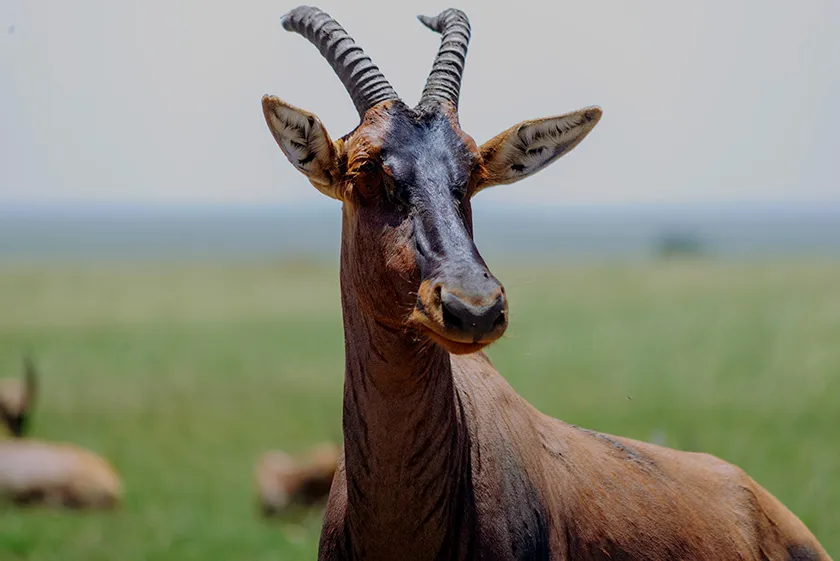
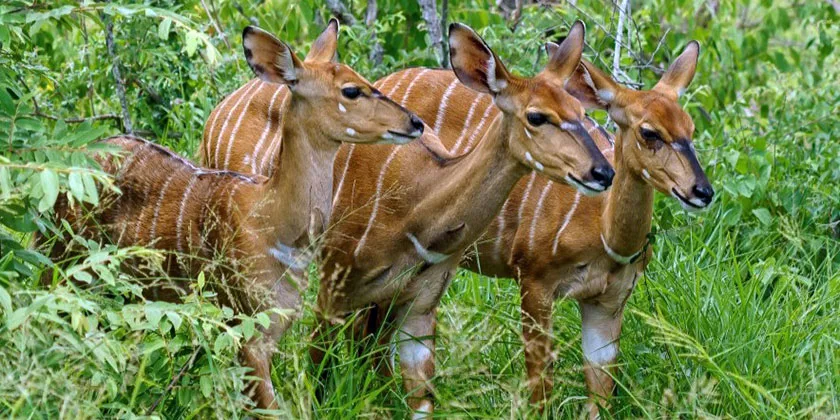
Diverse antelope species including greater kudu, impala, bushbuck, wildebeest, hartebeest, and eland roam the woodlands and plains, alongside graceful giraffes and the magnificent sable antelope with their scimitar-curved horns. The park's remote location and varied habitats support an exceptional diversity of mammals rarely seen in more crowded northern parks. Mkomazi National Park and Nyerere (Selous) complement Ruaha perfectly for an exceptional southern Tanzania safari circuit.

Birdlife Highlights
Ruaha is a birder's paradise with hundreds of recorded species. The combination of miombo woodland, river habitats, and open plains creates diverse ecosystems that support an exceptional variety of birdlife.
Secretarybird
Raptor
Kori Bustard
Ground bird
Bateleur Eagle
Raptor
Phillips's Eagle
Raptor
Tawny Eagle
Raptor
Miombo specialists
Endemic
Specialist Birding
Ruaha's miombo and river habitats attract rare species and miombo endemics. Bring field guides and consider hiring a specialist birding guide for the best experience. Learn more about Ruaha's biodiversity.
Best Time to Visit Ruaha
The dry season is generally considered the best time for a first visit to Ruaha, as wildlife concentrates around water sources making sightings more predictable and dramatic. However, the wet season offers its own rewards for photographers and birders who appreciate lush landscapes and fewer crowds.
Peak Season: June to October
Water concentrates animals at permanent sources. Frequent and dramatic sightings, roads generally passable, and classic savannah photography with dust.
Dry Season
June - October
Best for wildlife viewing. Animals gather at water sources for dramatic sightings.
Shoulder Season
Nov, May
Transition months with good wildlife and beginning/end of green season.
Green Season
November - May
Lush green landscapes, fewer tourists, excellent birding with migratory species.
Water Concentrates Animals
Permanent water sources draw large herds and predator activity
Dramatic Predator-Prey Scenes
Lions and wild dogs hunt with higher success at water sources
Classic Savanna Photography
Golden light, dust, and clear skies for stunning images
Wet Season Roads
Roads may be difficult from mid-March to late May
Similar to Tarangire and Serengeti, seasonal variations create different but equally rewarding experiences. The wet season transforms the park into a lush, green paradise with fewer tourists and lower accommodation costs.
How to Get There
Ruaha is accessible by air and road, with flights being the most popular and convenient option for most visitors.
By Air (Recommended)
Scheduled small aircraft and charters land at Msembe airstrip from Dar es Salaam and sometimes from Arusha or Mbeya.
- Fast and convenient (2-3 hours from Dar)
- Stunning aerial views of landscapes
- Direct access to park
By Road
Road transfers available from hubs such as Iringa or Mbeya. Travel times vary with road conditions.
- Requires sturdy 4x4 vehicle
- Allow flexibility for seasonal conditions
- Scenic overland adventure
Masatu Handles Everything
We'll handle all transfers, park permits, and ranger bookings for sanctuary or special tracking trips. Just tell us your preferences and we'll make it happen seamlessly.


What to Do in Ruaha
Ruaha offers a range of activities beyond traditional game drives, making it one of Tanzania's most versatile safari destinations.
Game Drives
Early-morning and late-afternoon drives are sweetest for predator activity and beautiful light. Full-day drives available for exploring Ruaha's vast distances.
Walking Safaris
Guided walks in safe areas, the best way to read the land, appreciate smaller life forms, and understand animal tracks and behavior up close.
Specialist Birding
Ruaha's miombo and river habitats are birdlist gold. Hire a specialist birding guide to maximize your sightings and learn about endemic species.
Night Drives
Where permitted, night drives reveal owls, genets, bush babies, and nocturnal antelopes. A completely different side of Ruaha emerges after dark.
Photography Drives
Full-day photographic drives with optimal timing for light. Bring long lenses (300-600mm), a beanbag is handy for vehicle shots.
Cultural Visits
Respectfully arranged visits to nearby communities with community benefit. Learn about local traditions and support sustainable tourism.
Suggested Itineraries
Masatu Tours offers flexible itineraries tailored to your interests, time, and comfort level. Here are our recommended options:
Short Escape
3 DaysHighlights:
- Fly-in safari
- Afternoon drive by Great Ruaha
- Full day game drive
- Morning walk
Best for: Quick wildlife immersion
Classic Week
6-8 DaysHighlights:
- River baseline camps
- Interior mobile day
- Birding day
- Night drives
- Photographic drives
Best for: Complete Ruaha experience
Specialist Focus
CustomHighlights:
- Wild dog tracking
- Rhino conservation
- Combine with Mkomazi/Tarangire
- Specialist guides
Best for: Conservation & specialist wildlife
Custom Itineraries Available
Tell us your interests, time constraints, and comfort preferences. We'll craft a personalized Ruaha experience that matches your vision perfectly. Combine with Ngorongoro or Serengeti for an extended northern-southern circuit.
Conservation & Community
Ruaha conservation combines park management, ranger patrols, and community programs. Tourism income funds patrols and local projects. Responsible visits help protect the place.
Conservation Efforts
- Anti-poaching patrols funded by tourism
- Wildlife monitoring and research programs
- Habitat restoration and protection
- Ranger training and equipment
Community Impact
- Local employment in tourism sector
- Education programs for local schools
- Revenue sharing with communities
- Support for sustainable livelihoods
Current Threats
Ruaha faces challenges including poaching, habitat change outside park boundaries, and water-use pressures upstream. When you travel with Masatu, your visit directly supports anti-poaching efforts, community employment, and education programs that protect this wilderness for future generations. Learn more about wildlife conservation efforts.
Practical Tips & Safety
Vehicle Requirements
4x4 is recommended, many routes are rough, and you'll appreciate the clearance. Ruaha's roads can be challenging, especially during wet season. Ensure your vehicle has good ground clearance and sturdy suspension.
Masatu provides well-maintained 4x4 safari vehicles with pop-up roofs for optimal game viewing and photography.
Health & Safety
- Malaria prophylaxis recommended, consult your doctor before travel
- Bring insect repellent and sun protection
- Hydrate constantly, mornings can be chilly but days heat quickly
- Basic first-aid kit and any prescription medications
Wildlife Etiquette
- Never leave your vehicle without a guide in the park
- Keep windows partly up when predators are close
- Follow your guide and ranger directions at all times
- Maintain respectful distance from wildlife
- No loud noises or sudden movements
Photography Tips
- Long lenses (300-600mm) are ideal for wildlife
- Beanbag is handy for stable vehicle shots
- Dawn and dusk give the best light (golden hour)
- Bring extra batteries and memory cards
- Protect equipment from dust with covers/bags
Packing Essentials
Optics & Electronics:
- • Binoculars (8x or 10x)
- • Camera + telephoto lenses
- • Extra batteries & memory cards
- • Portable charger/power bank
Clothing:
- • Lightweight layers for dawn
- • Long sleeves for sun protection
- • Wide-brim hat & buff
- • Sturdy walking shoes
Health & Comfort:
- • Insect repellent
- • High-SPF sunscreen
- • Personal medications
- • Reusable water bottle
Extras:
- • Small daypack
- • Basic first-aid kit
- • Field guides for birds/mammals
- • Journal for notes
A Small, Human Note
We love Ruaha because it gives you time, time for a pride to finish a hunt, for a single elephant family to cross a plain, for a bird to settle on a bare branch and remain there long enough to learn its call.
Guides and rangers here are proud and patient people; they know individual elephants and the river's moods. If you come with curiosity and calm, Ruaha will repay you with quiet, unforgettable moments.
Frequently Asked Questions
Explore More Tanzania Adventures
Ruaha Safari Packages
Compare 3-day, 5-day, 7-day, and luxury packages
Serengeti National Park
Home to the Great Migration and Big Five
Tarangire National Park
Land of elephants and ancient baobabs
Ngorongoro Crater
Africa's Eden with dense wildlife populations
5-Day Southern Circuit
Ruaha, Tarangire & More
Northern vs Southern Tanzania Safari
How the southern circuit stacks up against the north
Plan Your Trip with Masatu Tours
Talk to a local expert about your itinerary
Last updated: August 17, 2026. Park fees and safari prices may change, always verify current rates before booking.