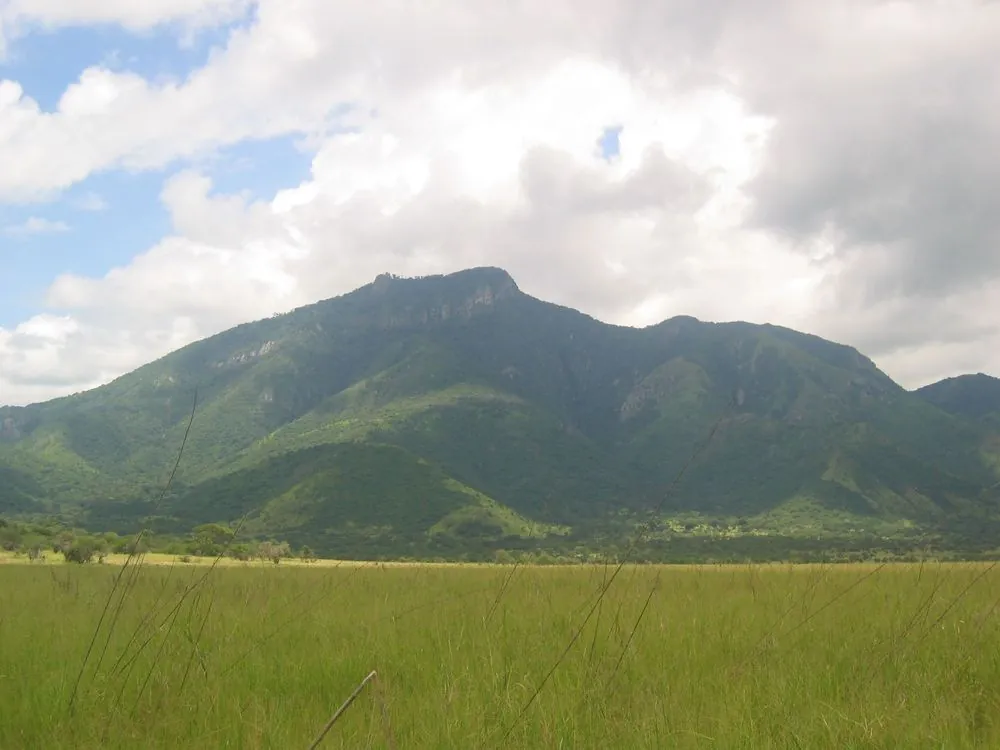
Mkomazi National Park is a hidden gem among Tanzania's northern wildlife reserves. Previously a game reserve, Mkomazi was given national park status in 2008, making it one of the youngest national parks in Tanzania. The diverse ecosystems of Mkomazi with ancient baobab trees and semi-arid savannahs framed by the Pare and Usambara mountains make it a fantastic destination. So far, few travelers know about it and we believe its popularity will increase significantly in the coming years.
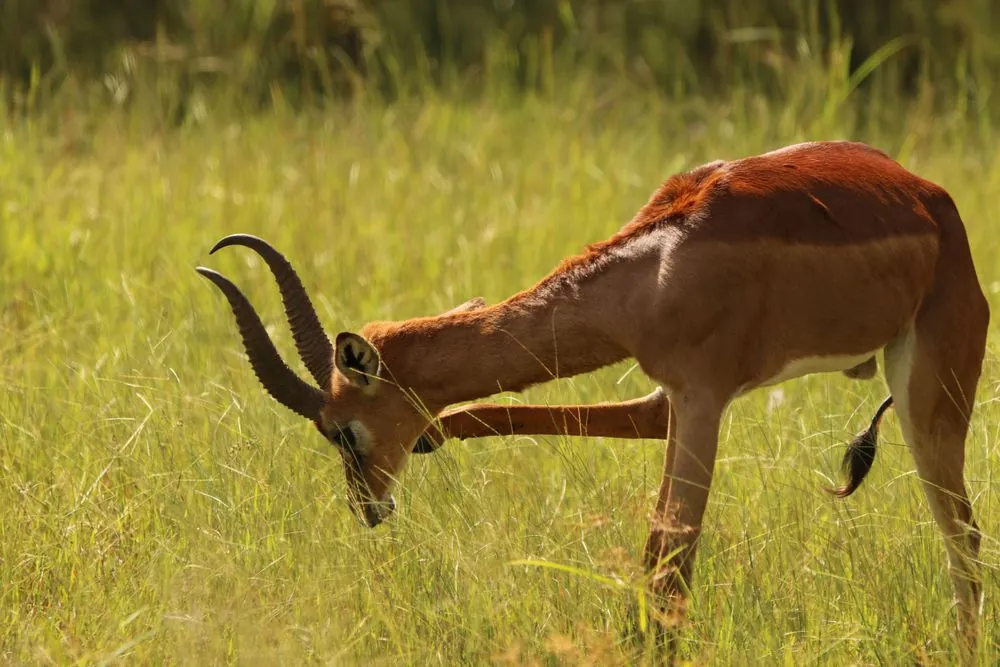
In Mkomazi, you can see the Big Five, giraffes, cheetahs, hyenas, gerenuk antelopes, and zebras, among other animals. Although there are currently fewer animals here than in Tarangire National Park, safari vehicles are also rare. A trip to Mkomazi will appeal to those who want to enjoy Africa's nature away from the crowds.
The park covers an impressive 3,234 km² of Acacia-Commiphora bushland, making it significantly larger than many of Tanzania's better-known parks. Yet despite its size and the quality of its wildlife, Mkomazi remains largely off the radar of international tourists. This is a place where you can drive for hours without seeing another safari vehicle, where the silence of the bush is broken only by birdsong and the distant call of a hornbill, and where the sense of discovery feels genuinely personal.
Safari Guide's Note
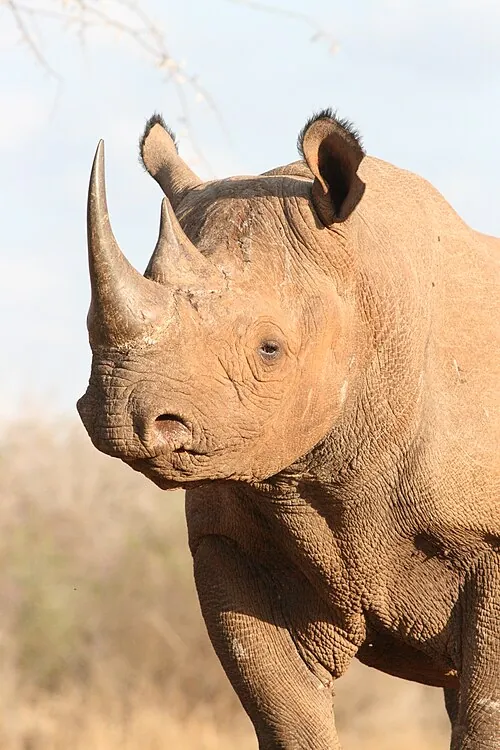
The main attraction of the national park is the Mkomazi Black Rhino Sanctuary, where the chance of seeing these rare inhabitants is higher than in any other park in Tanzania. If you want to experience one of the quietest and most rewarding safari destinations in the country, Mkomazi deserves a place on your itinerary.
A Park Shaped by Controversy
Like many national parks and game reserves, Mkomazi's history is one of contest, with the main contenders being government conservation planners and local rural resource users. When Mkomazi was first established as a game reserve in 1951, a number of pastoral families from the Parakuyo ethnic group were allowed to continue to live there with a few thousand of their cattle, goats and sheep. The colonial government permitted them to reside there because they had been in the area for many years and were thought not to threaten the ecological integrity of the reserve.
However Mkomazi was soon subject to immigration by other herders. By the mid-1980s around 80,000 cattle were counted inside the reserve as a whole. In the late 1980s the government resolved to cease all grazing permission within Mkomazi and evicted all herders. After the evictions, the George Adamson Wildlife Preservation Trust became interested in Mkomazi, setting up fenced sanctuaries for African wild dog and black rhinoceros, and restoring the reserve's infrastructure.
The evictions were deeply controversial. Pastoral communities who had lived on the land for generations were displaced, and the human cost of conservation was laid bare. Advocates for the evictions argued that overgrazing was destroying the habitat and driving species to extinction. Critics countered that sustainable coexistence was possible and that the government had not adequately considered alternative solutions. This tension between conservation and community rights remains a central theme in discussions about Mkomazi to this day.
The involvement of the George Adamson Wildlife Preservation Trust, named after the famous conservationist who dedicated his life to lion conservation in Kenya, brought international attention and resources to Mkomazi. The Trust invested heavily in anti-poaching patrols, fence construction, and habitat restoration. Their work with African wild dogs and black rhinoceros helped establish Mkomazi as a serious conservation site, not just a forgotten game reserve on the Tanzanian map.
A Conservation Success Story
For many conservationists, Mkomazi is a celebrated success story. A reserve which was threatened by people and grazing has been restored to good health. The compounds for African wild dog, and the extensive, patrolled sanctuary for the black rhinoceros (which are breeding) have put the reserve on the map, giving it international recognition.
Mkomazi was upgraded to full national park status in 2006, cementing its place among Tanzania's protected areas. The park's controversial past makes it a benchmark case in conservation debates, demonstrating both the challenges of balancing human livelihoods with wildlife protection and the remarkable results that can be achieved through dedicated conservation efforts.
Today, Mkomazi stands as a testament to what can happen when political will, international support, and conservation expertise converge. The park continues to evolve, with ongoing debates about community involvement, benefit-sharing, and the future of pastoralist rights in the region. For visitors, understanding this history adds a layer of depth to the safari experience that goes far beyond simple wildlife viewing.
What Animals Are in Mkomazi?
In Mkomazi National Park, you can see the Big African Five: elephants, lions, leopards, buffaloes, and rhinos. The chances of seeing all five in one day are not as high as in Ngorongoro — the animals are still fewer in number and are not as accustomed to traveler's vehicles as in more popular parks. For a long time, Mkomazi was a hunting reserve, and numerous predators were almost completely exterminated. Therefore, finding leopards in Mkomazi can be quite challenging, sometimes taking 3–4 days. Other members of the Five can be seen in a couple of days.
Besides the Big Five, here you can see giraffes, hippos, zebras, hyenas, and African wild dogs, among a variety of other African animals. Herbivores are encountered more frequently than predators and are most often found near the Dindira Dam. The number of animals in Mkomazi is not constant. The park borders one of the most famous reserves in Kenya — Tsavo National Park. Together they form one of the most important protected ecosystems on the planet. Animals freely move between the two parks, and sometimes there may be more animals in Mkomazi than usual.
The gerenuk, a long-necked antelope that feeds on acacia leaves while standing on its hind legs, is one of Mkomazi's more distinctive residents. The fringe-eared oryx and lesser kudu add to the diversity of antelope species that make the park a rewarding destination for those interested in less commonly seen African wildlife. Grant's gazelles and impalas are also present in good numbers, particularly in the open grassland areas near the park's southern boundary.
African wild dogs, one of Africa's most endangered large predators, were reintroduced to Mkomazi through the George Adamson Wildlife Preservation Trust's fenced compound program. While the fenced population has faced challenges, the presence of wild dogs adds to Mkomazi's conservation significance. The park also supports populations of cheetahs, which thrive in the open and semi-arid landscapes that characterize much of Mkomazi's terrain.
Herbivore concentrations fluctuate seasonally. During the dry months from June to October, animals gather around the Dindira Dam and other remaining water sources, making them easier to locate. The wet season disperses animals across the park's vast 3,234 km² area, which can make game drives longer but also reveals the park's lush green side and the arrival of migratory bird species.
One of the most remarkable aspects of Mkomazi's wildlife is the cross-border movement of animals between the park and Kenya's Tsavo West National Park. Because there is no physical barrier along the international boundary, elephants, lions, wild dogs, and other large mammals move freely between the two protected areas. This means that animal numbers in Mkomazi can vary significantly from month to month, creating a dynamic and ever-changing wildlife experience that is unique among Tanzania's national parks.
The Dindira Dam is the best place in the park to concentrate your game viewing efforts. This permanent water source attracts a remarkable diversity of wildlife throughout the year. Elephants come to drink and bathe, hippos lounge in the deeper pools, and various antelope species visit the surrounding grasslands. Predators, including lions and hyenas, are often found nearby, drawn by the concentration of prey. A few hours spent at the dam during the early morning or late afternoon can yield some of the most rewarding wildlife sightings in the park.
Predators
- Lions and leopards
- Cheetahs and hyenas
- African wild dogs
- Black-backed and side-striped jackals
Herbivores
- Elephants, giraffes, and zebras
- Gerenuk and lesser kudu
- Fringe-eared oryx and Grant's gazelles
- Hippos and buffalo
The Black Rhino Sanctuary
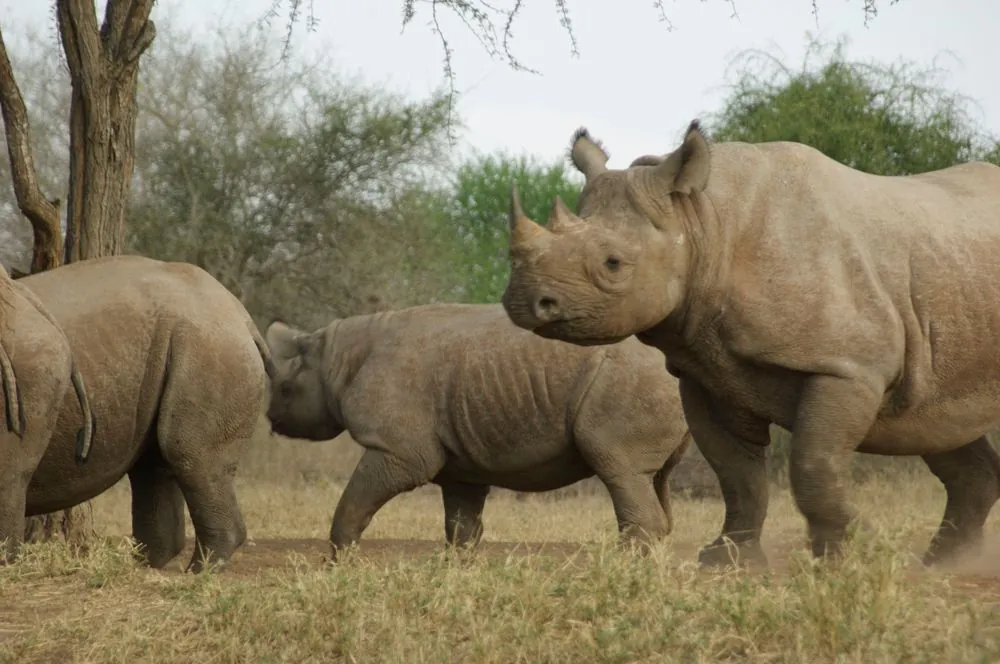
The Mkomazi Black Rhino Sanctuary is the park's main attraction and one of the best places in Africa to see black rhinos. The sanctuary is a fenced, patrolled area where rhinos are breeding successfully. Before entering the sanctuary, you will transfer to an open off-road vehicle, from which rhinos are better seen from different angles.
Along with a safari guide, a ranger from the sanctuary will accompany you to help find the rhinos. The rangers know each resident of the sanctuary and will tell you all about them. If you want to see these animals, be sure to include a visit to Mkomazi in your safari program.
The sanctuary was established to protect the critically endangered black rhinoceros, a species that has been devastated across Africa by poaching for its horn. The fenced area provides a secure environment where rhinos can breed with minimal risk, while still living in conditions that closely mimic their natural habitat. The success of the breeding program has made Mkomazi a model for rhino conservation across the continent.
Visitors to the sanctuary are required to transfer from their regular safari vehicle to an open off-road vehicle. This is both for safety reasons and to provide better viewing opportunities. The open vehicle allows you to see the rhinos from multiple angles as they browse on the thorny bushes and acacia trees that dominate the landscape. The experience of seeing these magnificent animals up close, in a setting where they are thriving rather than merely surviving, is genuinely moving.
Conservation in Action
The Mkomazi Black Rhino Sanctuary was established as part of the George Adamson Wildlife Preservation Trust's efforts. The fenced compound protects the rhinos from poaching while allowing them to breed in a semi-wild environment. The rangers' intimate knowledge of each individual rhino provides visitors with a deeply personal conservation experience.
The rangers who patrol and manage the sanctuary have built an extraordinary relationship with the rhinos under their care. They can identify each individual by name, know their family history, and track their movements within the sanctuary. This knowledge not only aids conservation efforts but also provides visitors with fascinating stories and insights during their visit. Each rhino has a personality, a history, and a role in the broader conservation narrative that Mkomazi represents.
Birds in Mkomazi National Park
Mkomazi National Park is one of the most interesting destinations in northern Tanzania for bird watchers. Over 400 species of birds reside here. From November to April, migratory birds from Europe increase the diversity of avian species that can be spotted in the national park. A unique feature of birding in Mkomazi is that the park includes forests, plains, rocky hills, and low mountains.
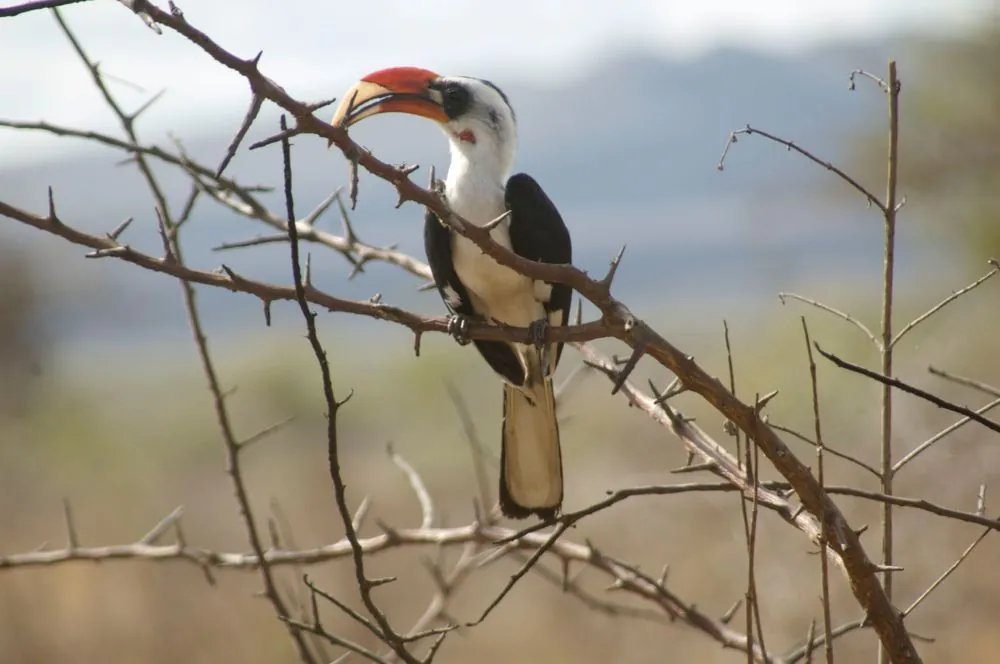
Thanks to these landscapes, you can see numerous birds from different ecosystems. In Mkomazi, you can observe Von der Decken's Hornbill, White-bellied Go-away-bird, Purple Grenadier, Secretary bird, Red-cheeked Cordonbleu, and hundreds of other interesting species. Since this area remains relatively poorly studied, birders have the opportunity to contribute with their observations.
The park's position at the junction of several ecological zones makes it particularly rich in bird diversity. The semi-arid Acacia-Commiphora bushland supports dry-country specialists like the Northern Brown-banded Snake Eagle, while the mountain slopes of the Pare range harbor forest species that are difficult to find elsewhere in northern Tanzania. This ecological variety within a single park is what makes Mkomazi such a rewarding birding destination.
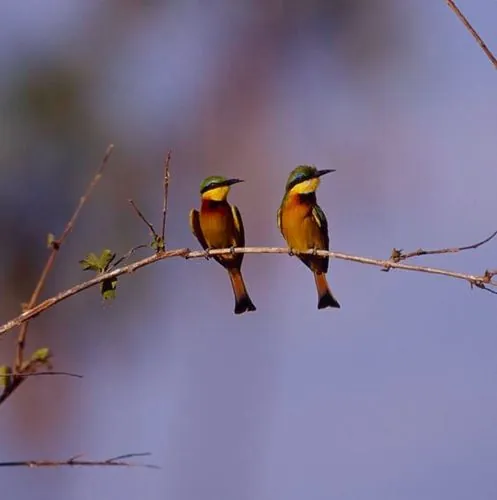
The best birding areas in Mkomazi include the Dindira Dam, where waterbirds congregate, the open grasslands that support bustards and coursers, and the acacia woodland that is home to numerous species of barbet, bee-eater, and shrike. The Little Bee-eater, with its bright green and yellow plumage, is one of the park's most photographed bird species, often seen perched on low branches scanning for insects.
450+
Bird species recorded
6
Different ecosystems
120+
Migratory species (Nov–Apr)
Year
Round birding potential
Where Is Mkomazi Located?
Mkomazi National Park is located in the northeastern part of Tanzania. The drive from the cities of Moshi or Arusha, where travelers usually arrive before a safari, takes 4–6 hours. The renowned Serengeti, Ngorongoro, and Tarangire National Parks are situated in a different direction.
For a comprehensive journey through all the key northern Tanzanian safari parks, it would be strategic to start your adventure at Mkomazi, and then continue your safari tour through the other iconic wildlife reserves.
The park straddles the Same District of Kilimanjaro Region and the Lushoto District of Tanga Region, covering a vast area of over 3,234 km². This makes it significantly larger than many of Tanzania's more famous parks, yet it receives a fraction of the visitors. The western boundary of the park is contiguous with Kenya's Tsavo West National Park, creating one of the largest transboundary conservation areas in East Africa.
The road from Moshi to Mkomazi passes through changing landscapes, from the fertile foothills of Mount Kilimanjaro to increasingly dry bushland as you approach the park. The journey itself is part of the experience, offering glimpses of rural Tanzanian life, roadside markets, and the gradual transition from green farmland to the semi-arid wilderness of Mkomazi.
Strategically, Mkomazi is perfectly positioned for travelers who want to combine it with other northern Tanzania parks. A typical itinerary might begin with a flight into Kilimanjaro International Airport, a day or two in Mkomazi, then a drive or short flight to Arusha before continuing to Tarangire, Lake Manyara, Ngorongoro, and the Serengeti. This routing allows Mkomazi to serve as either the opening act or the grand finale of a northern Tanzania safari.
Mkomazi at a Glance
Located in northeastern Tanzania, straddling the Same District of Kilimanjaro Region and Lushoto District of Tanga Region. Covers over 3,234 km² of Acacia-Commiphora vegetation. Contiguous with Kenya's Tsavo West National Park. 4–6 hours' drive from Moshi or Arusha.
Climate & Weather
Mkomazi receives less rainfall than other northern Tanzanian national parks which makes it quite unique. According to the WorldClim, April, the rainiest month, averages 96 mm of precipitation. During the same month, the Serengeti receives 140 mm, Tarangire – 139 mm, and Ngorongoro – 143 mm. This makes Mkomazi drier and more accessible during the wet season than many other parks.
The semi-arid climate of Mkomazi means the landscape is dominated by thorny Acacia and Commiphora bushes, dry grasslands, and scattered baobab trees. Temperatures are warm year-round, with daytime highs typically between 25°C and 35°C. The lower rainfall and drier conditions make Mkomazi more navigable during the green season compared to wetter parks like the Serengeti or Ngorongoro.
The park experiences two rainy seasons: the long rains from March to May and the short rains from November to December. Even during the long rains, Mkomazi's precipitation is significantly lower than that of neighboring parks. This drier climate has shaped the park's ecology, creating a unique blend of dry-country and montaine vegetation that supports a distinctive array of wildlife and bird species.
The dry season from June to October is characterized by clear skies, warm temperatures, and minimal rainfall. This is when the landscape is at its most photogenic, with golden grasslands, bare baobab branches, and animals congregating around the few remaining water sources. The contrast between the dry and wet seasons is dramatic, transforming Mkomazi from a parched, dusty wilderness to a lush green paradise within the span of a few weeks.
Rainfall Comparison (April)
- Mkomazi: 96 mm
- Serengeti: 140 mm
- Tarangire: 139 mm
- Ngorongoro: 143 mm
Temperature
- Daytime highs: 25°C – 35°C year-round
- Semi-arid landscape with thorny bush
- Baobab trees dot the landscape
- More accessible in wet season than other parks
Best Time to Visit
The dry season from June to October is ideal for wildlife viewing as animals concentrate near water sources. January and February also offer good sightings with lush green scenery. The park is open year-round.
The best months for general game viewing are July through October, when the dry season reaches its peak. During this period, animals are forced to visit the remaining water sources, making them far easier to locate and photograph. The Dindira Dam becomes a focal point for wildlife activity, attracting herds of elephants, zebra, and various antelope species throughout the day.
For bird watchers, the optimal time is from November to April, when migratory species from Europe and northern Africa arrive in the park. This period dramatically increases the diversity of birds that can be observed, with species like European bee-eaters, rollers, and warblers joining the resident population. The green season also brings lush vegetation that transforms the landscape and provides excellent photographic opportunities.
The shoulder months of May and November offer a compromise between wildlife visibility and fewer visitors. Roads may be slightly more challenging after the rains, but Mkomazi's lower overall rainfall means conditions are generally more manageable than in wetter parks. The park's remote location ensures that even during peak season, you are unlikely to encounter large numbers of other safari vehicles.
Jun–Oct
Dry season, best for game
Nov–Apr
Birding season, migrants arrive
Sep–Oct
Peak dry, animals at water
Year-round
Rhino sanctuary accessible
Whatever time of year you choose to visit, Mkomazi's semi-arid climate ensures comfortable safari conditions. The park's lower humidity and reduced rainfall compared to coastal or forest parks make it an especially pleasant destination for those who prefer warm, dry weather. Bring plenty of water, sunscreen, and a good pair of binoculars, and you are set for an unforgettable Mkomazi experience.
Regardless of when you plan your trip, Mkomazi's combination of wildlife, scenery, and solitude guarantees a safari you will remember for years to come.
Dry Season (June–October)
Best for wildlife viewing. Animals gather at waterholes and the Dindira Dam, making them easier to spot. The grass is short and the landscape is golden-brown. This is peak safari season in Mkomazi and across northern Tanzania.
Green Season (January–March)
Lush green scenery with newborn animals. Fewer tourists and lower lodge rates. Birding is excellent with European migrants present. Mkomazi's lower rainfall means roads remain more navigable than in other northern parks.
Peak Dry Season (September–October)
The absolute best time for large mammal sightings. Water sources shrink and animals concentrate. The Black Rhino Sanctuary is accessible year-round, and this season provides the clearest conditions for off-road rhino tracking.
Birding Season (November–April)
European migrants arrive from November, dramatically increasing species diversity. Migratory species are best seen from December through March. Mkomazi's varied ecosystems from forests to rocky hills make it a year-round birding destination.
Frequently Asked Questions
Conclusion
Mkomazi offers a unique combination of semi-arid landscapes, the Big Five, a world-class rhino sanctuary, over 450 bird species, and one of the quietest safari experiences in northern Tanzania. It is a hidden gem that deserves more attention.
Whether you are drawn by the chance to see black rhinos up close in the sanctuary, the opportunity to explore a park that few tourists ever visit, or the desire to trace a conservation story that spans decades of controversy and triumph, Mkomazi delivers an experience unlike any other in Tanzania. As one of the youngest national parks in the country, its best chapters are still being written.
For those who value solitude and authenticity in their safari experience, Mkomazi is unmatched. Where other parks have become crowded, commercialized destinations, Mkomazi remains a place where you can sit quietly at a waterhole and watch elephants come to drink without another vehicle in sight. The park's remoteness is its greatest asset, offering a safari experience that feels increasingly rare in the modern world.
The conservation story of Mkomazi, from colonial game reserve to pastoral eviction controversies to international rhino breeding success, adds layers of meaning to every game drive. This is a park where the human and natural histories are deeply intertwined, and where every sighting carries the weight of decades of conservation effort and debate.
Plan Your Mkomazi Safari
Ready to explore one of Tanzania's best-kept secrets? Our expert-led safaris take you to Mkomazi's rhino sanctuary, wildlife-rich plains, and birding hotspots with guides who know the bush like the back of their hands. Talk to a safari expert today and start planning your once-in-a-lifetime adventure.
Talk to a Safari ExpertRelated Safari Guides
Mahale Mountains National Park Guide
Tanzania's chimp paradise on Lake Tanganyika
Gombe Stream National Park Guide
Home of Jane Goodall's chimpanzee research
Serengeti National Park Guide
Explore the world's most famous ecosystem
Honey Badger, Complete Safari Guide
Africa's most fearless animal
Animals on Mount Kilimanjaro
Wildlife on the roof of Africa
Serengeti vs Masai Mara
Which park is better for your safari?
Tanzania Safari Packages
Plan your dream wildlife safari
Serval Wildlife Sanctuary
Meet servals ethically near Arusha
Last updated: August 18, 2026. All facts verified against IUCN data and current wildlife research.
