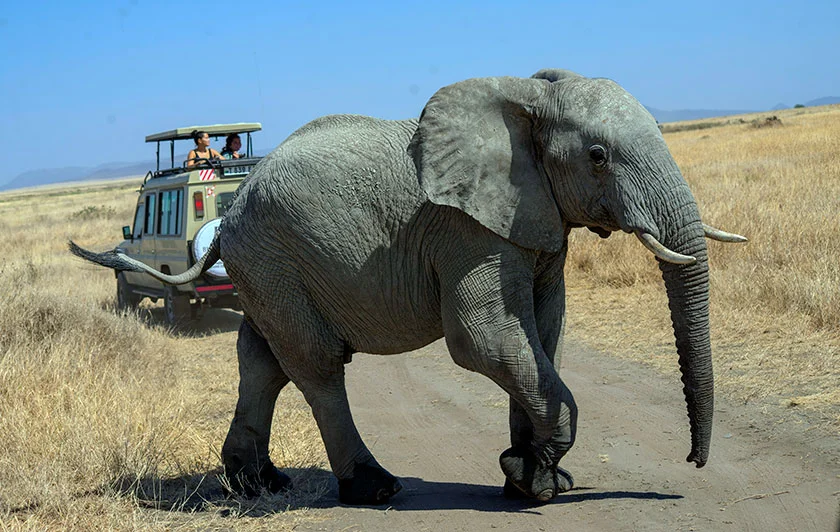
The Living Theatre of African Wildlife
Welcome to Ngorongoro Conservation Area, where the earth curves into one of the richest wildlife arenas on the planet. Roughly 25,000 large mammals are packed into a compact, 260 km² caldera where the drama of African wildlife unfolds every day. This is not just a national park. It is a living, breathing ecosystem where predator and prey play out the oldest drama on Earth.
UNESCO World Heritage Site
Designated in 1979, Ngorongoro is recognized for its outstanding universal value and exceptional natural beauty. Together with the Serengeti National Park, it forms one of Africa's most important conservation areas.
Here you will encounter the Big Five alongside hippos, zebras, antelopes, servals, warthogs, and more than 600 bird species for keen birders. Learn more about Tanzania safari experiences.
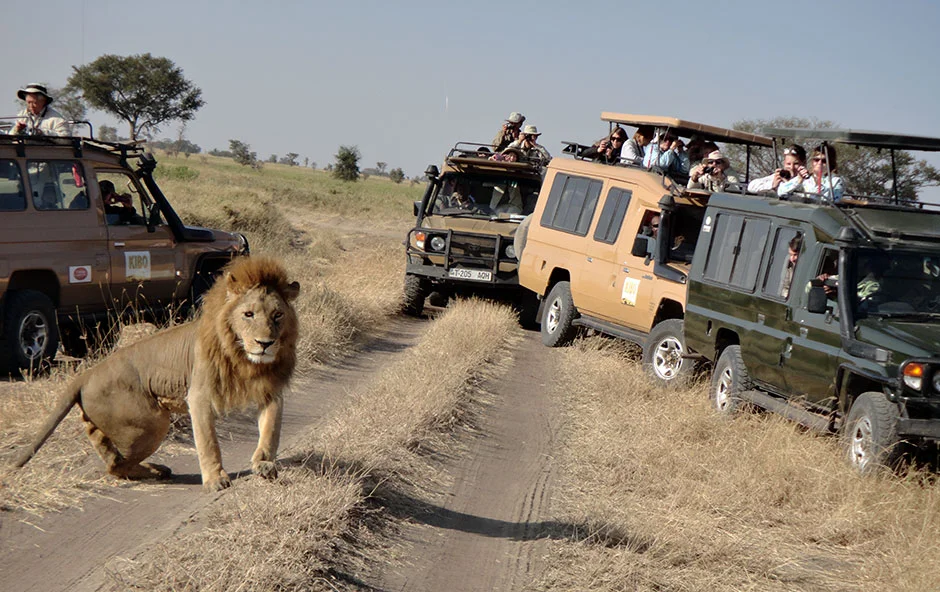
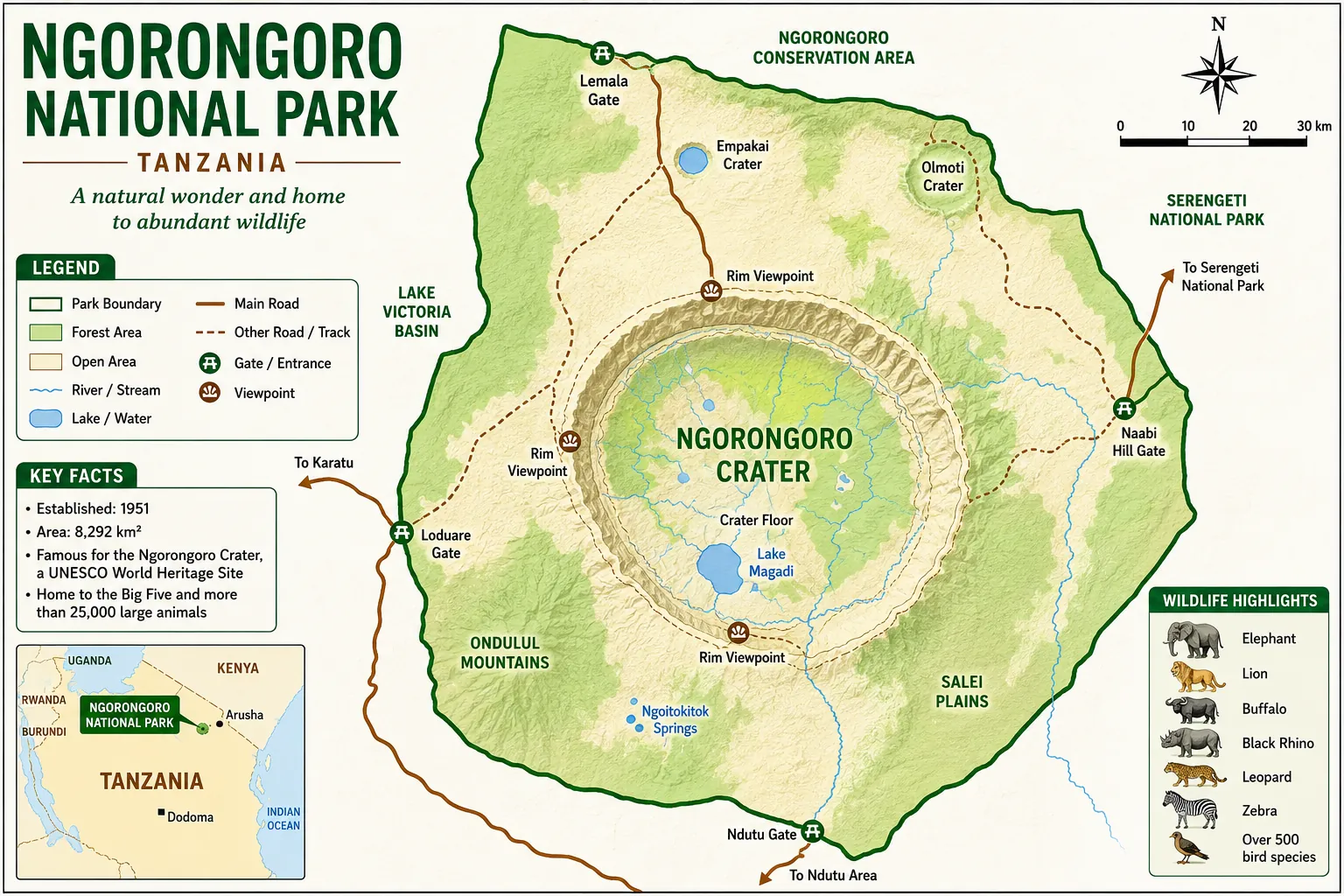
The Ngorongoro Conservation Area covers 8,292 km², a landscape six times the size of Los Angeles. The famous Ngorongoro Crater is the caldera at the heart of the area: about 260 km² (100 mi²). While animals can move in and out of the caldera, the crater's fertile environment and year-round water make it an irresistible home for thousands of mammals.
Key Nearby Points
- Ngorongoro Crater, main attraction with highest wildlife density
- Olmoti Crater, quieter hiking destination
- Empakai Crater, Lake Empakai with flamingos
- Olduvai Gorge, world-class paleoanthropology site
Wildlife: Numbers You Will Remember
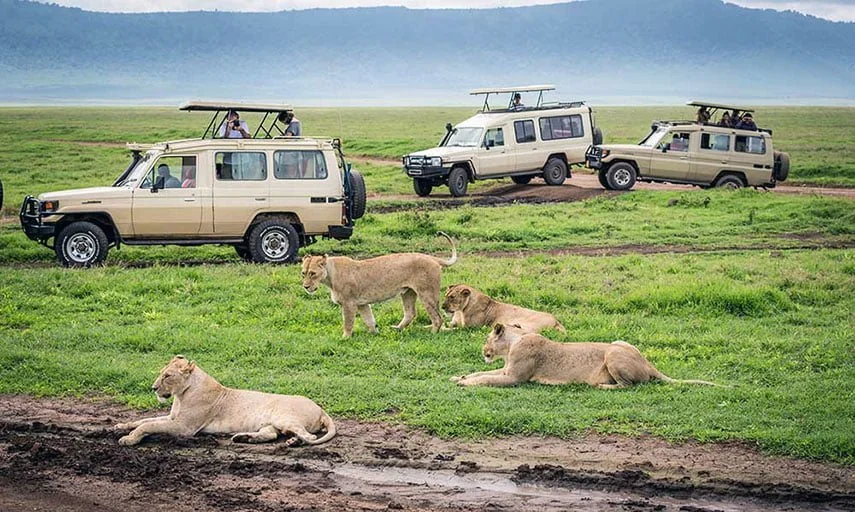
Research estimates (2020) place the crater's large mammal counts at extraordinary levels. On a game drive you can expect new wildlife sightings every 10 to 15 minutes. With roughly 25,000 large mammals in the caldera, Ngorongoro has one of the highest wildlife densities anywhere in Africa.
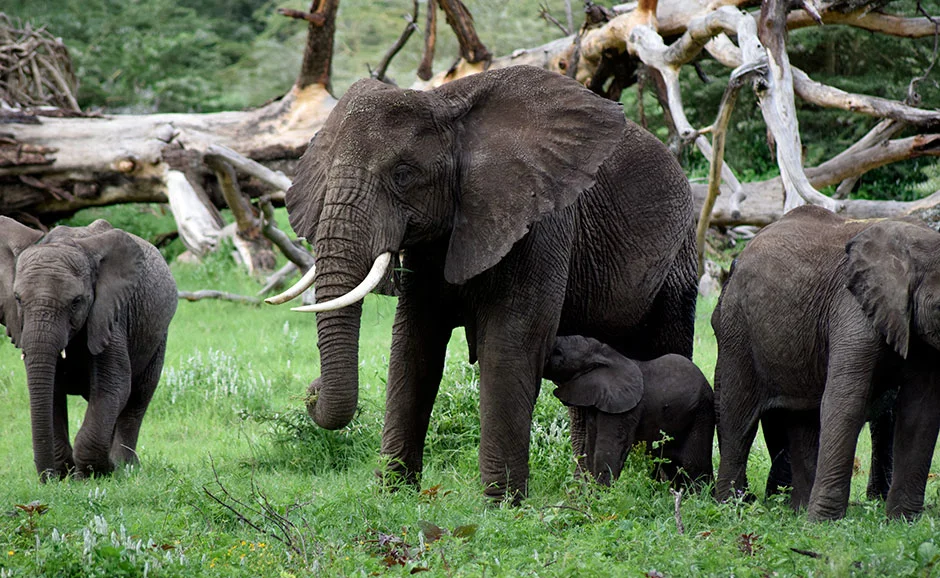
Elephants
~300 individuals
Lions
~55 individuals
Black Rhinos
>30 individuals (Rare)
Spotted Hyenas
~6,000 individuals
Buffalo
~4,000 individuals
Zebras
~4,000 individuals
Wildebeest
~10,000 individuals
Elands
>70 individuals
Thomson's Gazelles
~1,500 individuals
Total Large Mammals: Approximately 25,000. Seasonal movement causes fluctuation in these numbers throughout the year.
The Big Five: Ngorongoro's Advantage
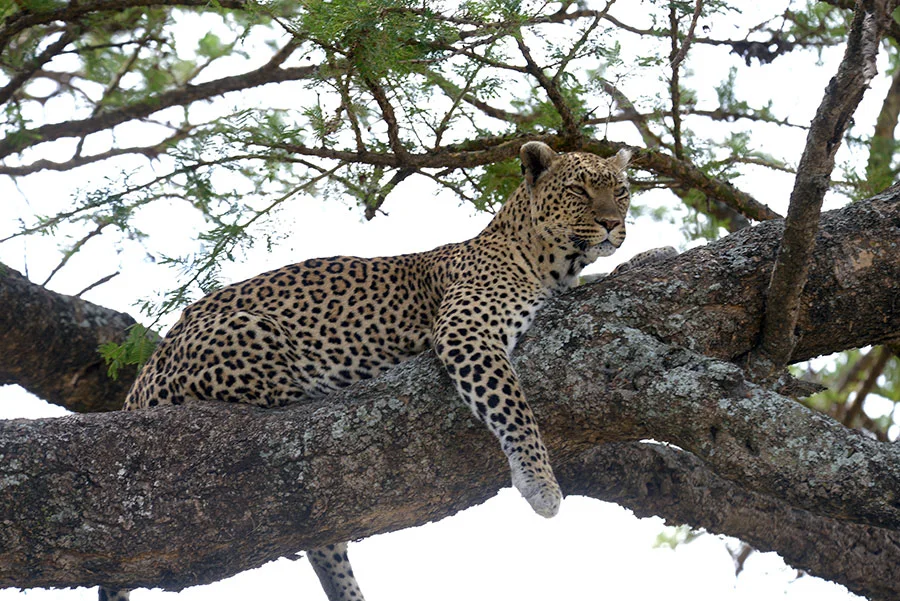
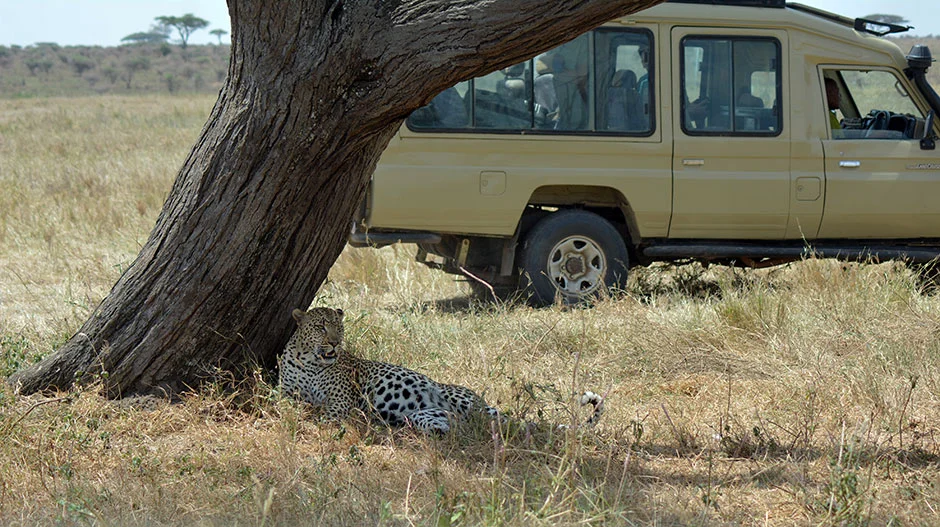
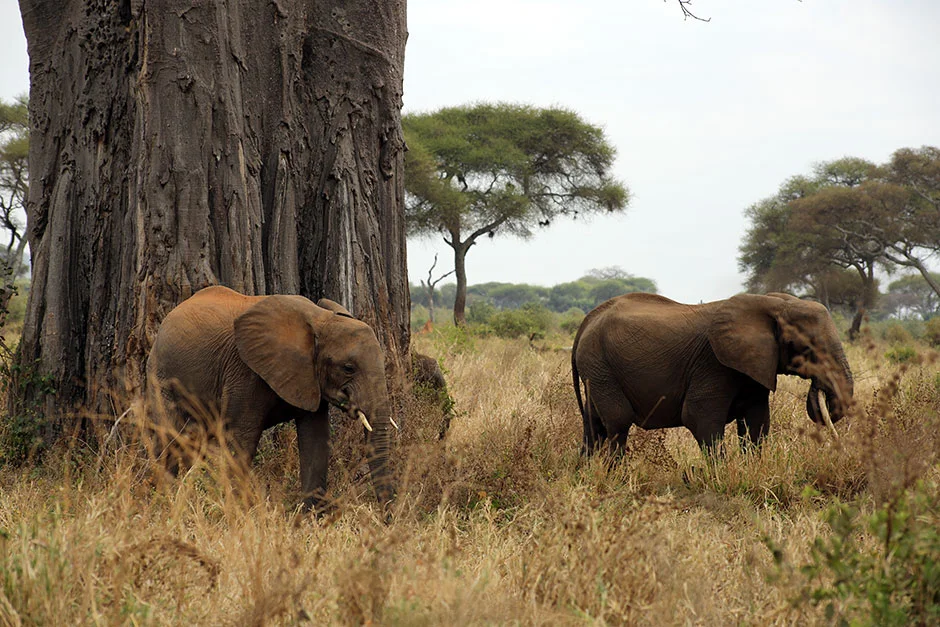
Ngorongoro boasts one of the highest densities of elephants, lions and buffalo in Africa. Sightings of black rhinos and leopards are more likely here than in most parks, though rhinos remain elusive and prefer quieter spots away from roads.
Critically Endangered Black Rhino
About 30 black rhinos live in the crater, a conservation success story. Early morning game drives offer the best chance of spotting these magnificent creatures. Bring binoculars for distant sightings.
The crater formed from a massive volcanic collapse 2 to 3 million years ago. Over millennia, migrating wildlife settled here for the abundant water, fertile grasses and natural shelter. While the steep walls limit movement, animals can and do move in and out, but the crater's rich resources often keep them close.
Animals You Will Not See in the Crater
Giraffes are generally absent from the crater: they struggle with the steep walls and lack of tall browse.
Cheetahs prefer open plains of neighboring Serengeti National Park.
Highlights and Side Trips
Beyond the main crater, Ngorongoro Conservation Area offers exceptional cultural and geological attractions:
Olduvai Gorge
World-class paleoanthropology site with Leakey discoveries and museum. Explore the "Cradle of Mankind" where some of the earliest human ancestors were discovered.
Empakai Crater
A hiking destination with Lake Empakai and seasonal flamingos. Ranger accompaniment required for this scenic adventure.
Olmoti Crater
Quieter hiking and scenic solitude. Perfect for those seeking a more peaceful wilderness experience away from crowds.
Nasera Rock
Archaeological finds and sweeping views. Ancient rock paintings provide insight into early human settlements in the region.
Lake Eyasi Cultural Experience
Just 1-2 hours from Ngorongoro, meet the Hadza hunter-gatherers and Datooga pastoralists for authentic cultural encounters and traditional way of life.
Combine Your Safari
Many travelers combine Tarangire, Ngorongoro, Serengeti on the classic northern circuit. Start with our 3-day safari for a short crater-focused trip, then compare the 5-day package, 7-day package for complete itineraries.
Best Time to Visit Ngorongoro
Ngorongoro is great year-round. Each season offers unique advantages for wildlife viewing and photography. Here is the honest breakdown.
January - May (Rainy Season)
Lush and Quiet
- Lush grass and abundant grazers
- Newborn animals (peak January-February)
- Excellent birdwatching with migratory species
- Fewer tourists, lower prices
June - October (Dry Season)
Peak Game Viewing
- Cooler temperatures, excellent for game drives
- Wildlife congregates around water sources
- Best visibility for photography
- Peak season, book lodges early
Birdwatchers' Paradise
Over 600 bird species call Ngorongoro home. Migratory species arrive between November and April, making this an exceptional time for birding enthusiasts.
One full day on the crater floor gives a fantastic overview: early start, crater descent for a half-day game drive, then return to a rim lodge by afternoon. For a deeper experience, different animal behaviours, quieter sightings and birdwatching, plan 2 to 3 days.
Getting There: Air and Road
By Road
Most convenient for safari circuits
- From Arusha: ~4 hours drive (190 km)
- From Kilimanjaro Airport: ~3-4 hours (250 km)
- Scenic route with wildlife viewing opportunities
By Air
Charter and scheduled flights
- Ngorongoro Airstrip: On crater rim (cloud-affected)
- Lake Manyara Airport: More reliable (~1.5 hrs drive)
- Airlines: Coastal Aviation, Regional Air, Auric Air
Travel Planning Tip
Most Northern Circuit safari packages include internal flights for convenience. Book early in peak season (June-October) for best availability.


Interactive map showing Ngorongoro Crater's location in Northern Tanzania · Open in Google Maps
Conservation and Black Rhinos
The black rhino is Critically Endangered. Concerted efforts by the Tanzanian authorities, rangers, the Frankfurt Zoological Society, the International Rhino Foundation and WWF have helped Ngorongoro's rhino population slowly recover from severe declines.
Conservation Success Story
Today about 30 black rhinos live in the crater, a conservation success story that requires ongoing protection and funding. Every safari visit contributes to these vital conservation efforts.
How You Can Help: Choose responsible Tanzania safari packages from operators like Masatu Tours who support conservation initiatives. Park fees directly fund anti-poaching units and wildlife protection.
A Short History: The caldera formed 2 to 3 million years ago from massive volcanic collapse. Laetoli footprints and Olduvai Gorge link Ngorongoro to early hominins. UNESCO recognized the area as a World Heritage Site in 1979 for outstanding universal value. Bernhard Grzimek contributed significantly to East African conservation awareness; his memorial is visible on the crater rim.
Frequently Asked Questions
Everything you need to know about visiting the world's largest unflooded volcanic caldera.
Safari Tours
Explore More Tanzania Adventures
Where to See Africa's Biggest Animals
Tanzania's elephant, giraffe & ostrich hotspots
Preparing Your First Safari in Tanzania
The complete first-timer's briefing for Tanzania
Ngorongoro Safari Packages
Compare 3-day, 5-day, 7-day, and luxury packages
Serengeti National Park
The greatest wildlife show on Earth
Tarangire National Park
Elephants, baobabs, and prime game viewing
5-Day Northern Circuit Safari
Serengeti, Ngorongoro & More
Plan Your Trip with Masatu Tours
Talk to a local expert about your itinerary
Our Conservation Commitment
How your safari supports wildlife protection
Tanzania Safari Seasons
Dry vs green season compared — calving, crossings and prices
Last updated: August 17, 2026. Park fees and safari prices may change, always verify current rates before booking.
