The Short Answer
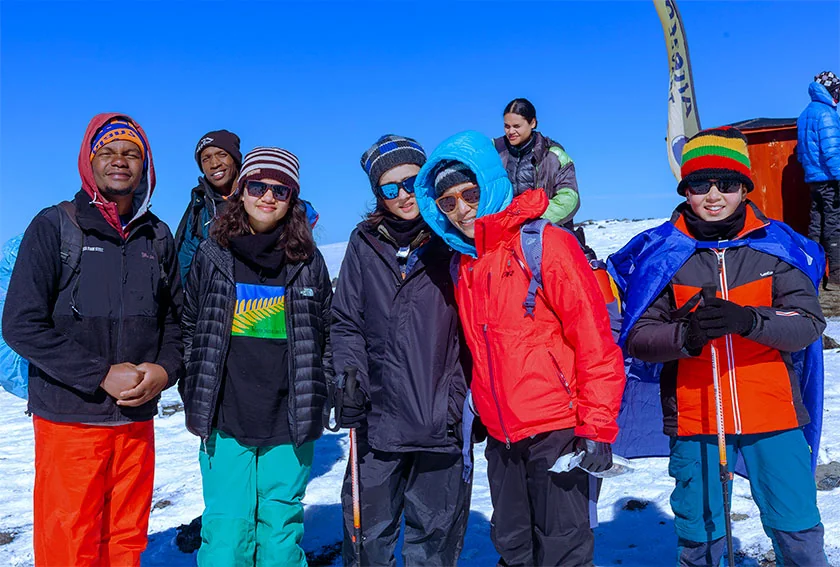
Good news first: Kilimanjaro is a trek, not a technical climb — no ropes, no climbing experience needed. What does matter is fitness you can sustain for six or seven hours a day, on back-to-back days, at altitude. Build a base of steady cardio, strengthen your legs, and hike with the pack you'll carry on the mountain. Start three to four months out, and test your gear beforehand.
Why Training Matters
Kilimanjaro won't test your climbing skills — it will test your patience, your legs, and how well you recover between long days. Thin air, cold nights and six-hour walks add up fast, and roughly one in three climbers never reaches the top. The fitter you are, the more energy you'll have left to actually enjoy being there.
The Takeaway
You can't control the altitude, the weather, or how the mountain treats you on a given day. Training is the one variable completely in your hands — so it's where most of your preparation time should go.
How Long to Train
- 1Ideal: 12–16 weeks if starting from low fitness.
- 2Minimum: 8 weeks for already active people.
- 3Sedentary? Start now — even short, consistent sessions add up.
Build Gradually
The longer your training window, the higher your success rate. Consistency beats intensity every time.
Three Training Priorities
Most to Least Important
If time is short, prioritise in this exact order: hiking with a pack, aerobic base, then strength and mobility.
What to Train (Practical Blueprint)
- Aerobic: 3 sessions/week — one long steady, one tempo/hill, one easy recovery. Aim for 40–90 minutes per session as you progress.
- Strength: 2 sessions/week — squats, lunges, step-ups, RDLs, calf raises, planks. Moderate weight, 3 sets of 8–15 reps, endurance-focused.
- Specific hikes: 1 long hike per week with your daypack, building from 60–90 min to 4–6 hrs. Add back-to-back long hikes in the last month.
- Downhill training: controlled descents and slow lowering on step-downs to protect knees.
- Mobility & balance: twice weekly — ankle/hip mobility, single-leg balance and foam rolling.
Sample 8-Week Plan (Active Beginner)
Weeks 1–3 (Base)
- Mon: Strength (30–40 min)
- Tue: Easy cardio 30–45 min
- Wed: Rest / mobility
- Thu: Hill repeats or intervals 30–40 min
- Fri: Strength (30–40 min)
- Sat: Long walk 60–90 min with light pack
- Sun: Rest
Weeks 4–6 (Build)
- Increase long walk to 2–3 hrs, add elevation when possible
- Hill session becomes longer/intense; maintain strength sessions
Weeks 7–8 (Specificity + Taper)
- Include one back-to-back long hike (e.g., 4 hrs + 3 hrs next day)
- Taper volume by 30–50% in the final week; keep short easy walks and mobility
Extra Edge
If you have extra time: add a high-altitude weekend hike or hike Mount Meru (for Kilimanjaro prep) 2–3 weeks before departure.
What to Practise in Training Hikes
- Carry the daypack you'll use (6–10 kg) and learn hip-belt comfort.
- Use the same socks and boots as planned on the climb — break them in well.
- Practise eating and drinking on the move; test energy gels and bars you'll use on the mountain.
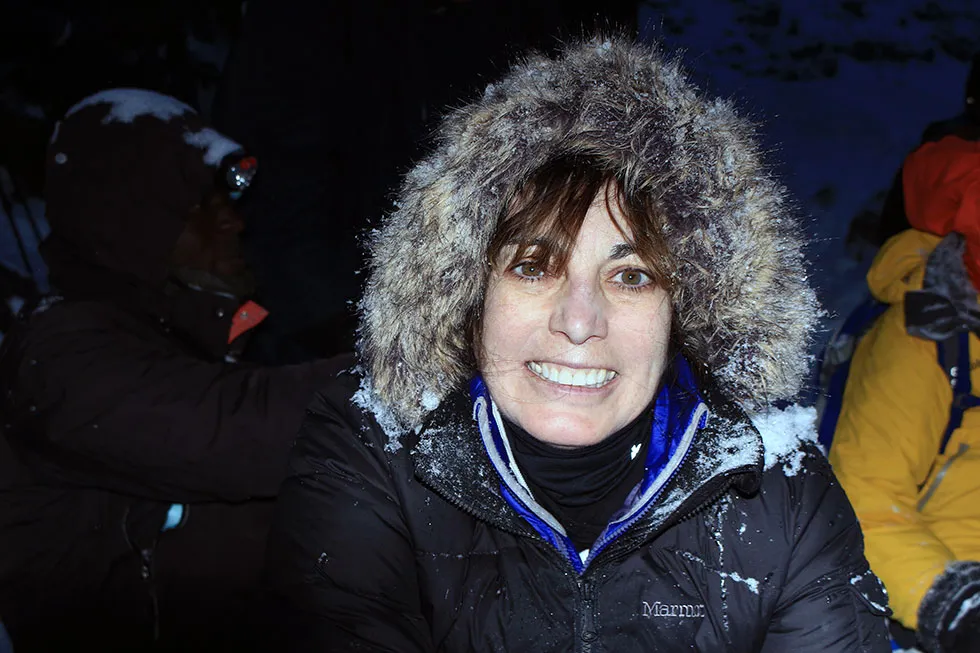
- Do a night/pre-dawn walk once to simulate summit-night timing and sleep disruption.
Altitude Preparation
- Nothing replaces time at altitude. Choose itineraries that build acclimatisation — 7–9 day treks are ideal.
- Consider a pre-trek acclimatisation climb (Mount Meru or local high trails) if time allows.
- Diamox (acetazolamide) helps many climbers — consult your doctor first. It's a tool, not a licence to ascend fast.
Remember
A longer itinerary is the single most reliable acclimatisation strategy you can build into your plan.
Nutrition & Hydration
Here's a rule first-time climbers learn the hard way: never try anything new on the mountain. Your stomach at 4,600 m will behave exactly as it did on your last practice hike — no better, no worse. That's what makes those rehearsals worth their weight.
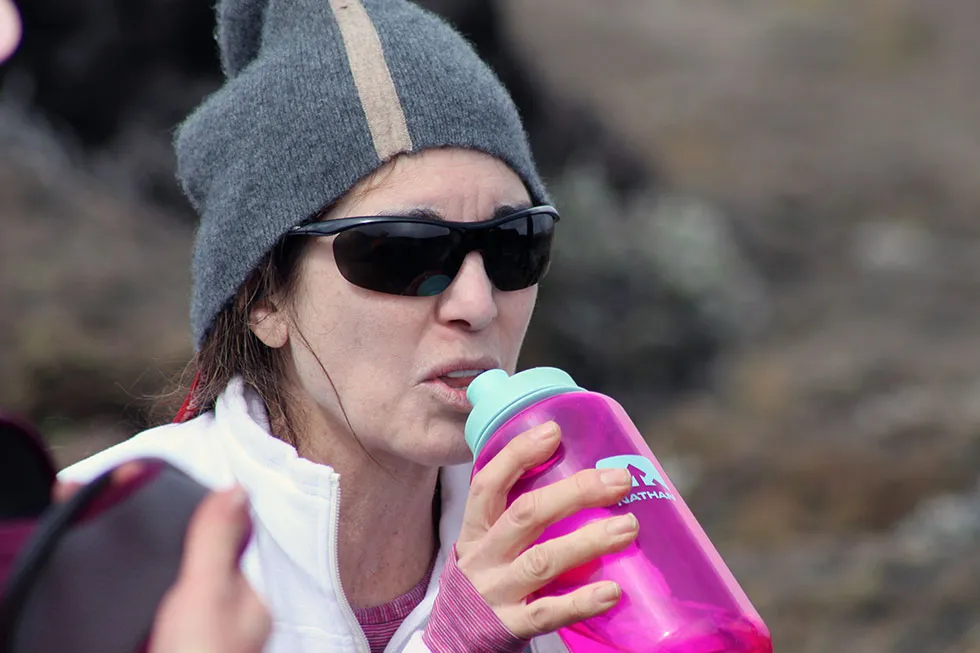
- Train your stomach: test bars, gels and electrolyte drinks during training.
- On the mountain: target 3–4 L/day (sip frequently). Use electrolytes to maintain appetite and salt balance.
- Eat strategically: small, frequent, calorie-dense meals — carbs for fuel, protein for recovery.
Gear Practice — Don't Leave This to the Mountain
- Break in boots over several long hikes — no brand-new boots on summit night.
- Practise with trekking poles and a headlamp in pre-dawn hikes.
- Pack and wear the summit kit (insulated jacket, gloves, hat) in one long hike to check fit and comfort.
Golden Rule
Everything you plan to wear at altitude should be tested somewhere below 2,000 m first.
Mental Preparation
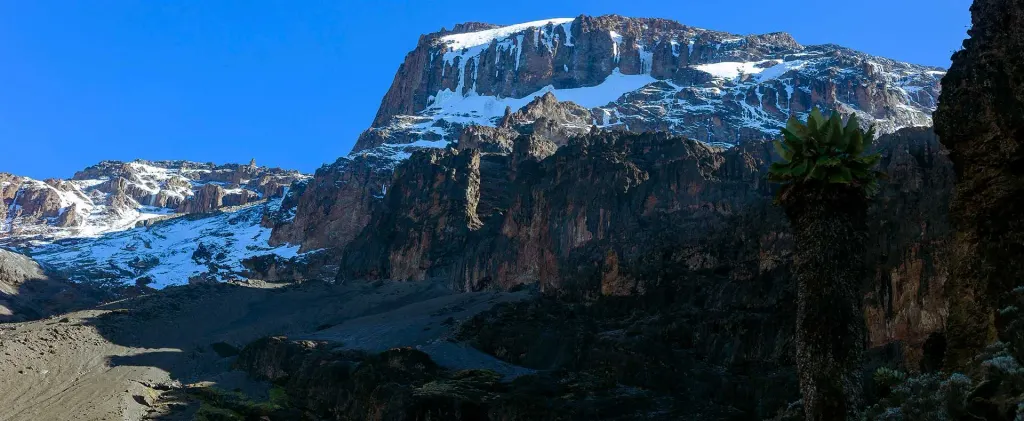
Around hour five of summit night, your legs still work — it's your head that wants to quit. The climbers who finish have usually rehearsed one trick in advance: break the day into tiny targets. Next cairn. Next switchback. Next sip of water. Practise that rhythm when you're tired on training hikes, and it'll be second nature on the mountain.
- Build tolerance to discomfort with early starts, wet hikes and long walks in poor weather.
- Rehearse summit night mentally — and if timing allows, plan a full moon summit for the confidence boost.
Common Mistakes to Avoid
Avoid These Errors
- Training nothing but cardio — descents are where knees suffer, so strength work matters just as much.
- New boots or sleeping bag on the mountain — always test first.
- Going all-out in the final two weeks to catch up — fitness is built over months, not crammed into the last fortnight. Taper instead.
- Starting the climb immediately after a long flight — arrive 24–48 hours early to recover.
- Underestimating hydration and electrolyte needs.
Taper & Travel Week
- Reduce training volume 7–10 days before travel; keep short brisk walks and light strength.
- Sleep and nutrition matter more in this week than hard sessions.
- Check gear, reserve rentals with your operator (we can pre-reserve), and confirm insurance & medical details.
A Quick Checklist Before You Fly
- Train with the boots and sock combo you'll use.
- Complete at least two long hikes (3–6 hrs) with a loaded pack.
- Reserve rental sleeping bag/down jacket if you don't own them.
- Get a medical check if you have conditions; discuss Diamox with your doctor.
- Buy travel insurance covering evacuation to ≥6,000 m and helicopter if possible.
Final Word
No training plan will make Kilimanjaro easy — that's part of the appeal. What it will do is make sure the mountain is finished by you, not the other way round. Put the work in, pick a sensible itinerary, trust your guide team, and the Roof of Africa is well within reach. Pole pole — see you on the trail.
Frequently Asked Questions
A minimum of 8 weeks is recommended if you are already active; ideally train for 12–16 weeks (3–4 months). Build gradually from base fitness to 6–8 hour loaded hikes on varied terrain. The longer your training window, the higher your success rate.
Hiking with a loaded pack is most specific. Supplement with running, cycling, or swimming for cardio base, and leg/core strength training to handle the long descent days.
It is possible but risky. Without adequate fitness, altitude stress compounds physical fatigue dramatically. Even 3 months of progressive training significantly improves outcomes and enjoyment.
Aim for 5–6 days: 3 cardio sessions (one long, one hill/tempo, one easy), 2 strength sessions, and one long hike per week. Keep at least one full rest day — the sample plan uses two — for recovery and adaptation.
Not necessarily. If you live near mountains, altitude training helps. A longer itinerary (8 days) and Diamox (if recommended by your doctor) provide effective alternatives.
Train at a conversational pace — you should be able to speak full sentences. On Kilimanjaro you'll walk pole pole (very slowly). Endurance and consistency matter far more than speed.
Yes, strongly recommended. Poles reduce knee stress on descent by up to 25%, improve balance on steep terrain, and help establish a breathing rhythm. Practise with them during training.
Six weeks is tight but workable if you are already moderately active. Prioritise hike volume and cardio maintenance, get 8 hours of sleep, and choose an 8-day itinerary to allow better acclimatisation.
Ready? Plan Your Kilimanjaro Climb
Not sure where to start? Tell us your climb date, how fit you feel today, and how much time you can realistically give each week — we'll send back a personalised 8–12 week plan, a kit list and a checklist. We can also reserve rental gear, so you travel light and start the trail feeling ready.
More Kilimanjaro Guides
6 GuidesHow to Prepare for the Climb
Complete step-by-step preparation
Kilimanjaro Gear List
Everything you need to pack
High-Altitude Trekking
Altitude physiology and acclimatisation
Best Time to Climb
Pick the right season for your summit
Mountaineering Insurance
Coverage requirements and emergency protocols
Kilimanjaro Costs
Complete cost breakdown and budget planning
Last updated: October 16, 2026. Individual needs vary; always consult a medical professional before starting a new training programme, especially if you have existing health conditions.
