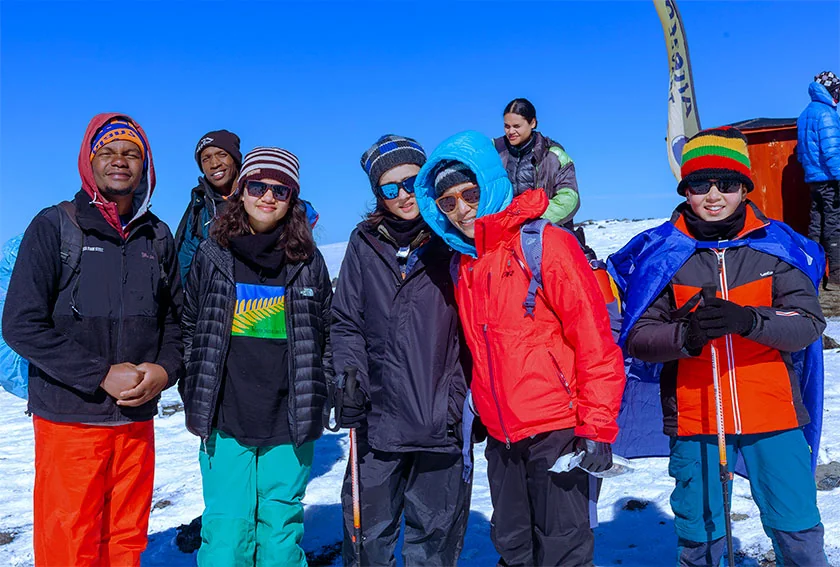
Every year thousands of climbers set out for Uhuru Peak (5,895 m / 19,341 ft), and every year, the ones who make it to the top share one thing in common: they prepared. Fitness matters, gear matters, and choosing the right operator matters. But above all, preparation is a mindset: slow, steady, patient, and honest about your body.
Below, we walk through the practical steps we give every Masatu guest, a realistic preparation timeline, how to train for altitude rather than the gym, what gear actually earns its place in your pack, the medical and insurance boxes to tick, and the simple mountain rules that keep you safe on summit night. Read it, act on it, and arrive fit, well-equipped, and calm.
Prep Coach's Note
The single biggest mistake we see is under-training the legs and over-training the ego. Kilimanjaro is a long walk, a very long walk, at altitude. Train to walk 6–8 hours with a loaded pack, break in every item of footwear, and book at least 7 days on the mountain. Do that, and you have already beaten most of the field.
Kilimanjaro Preparation at a Glance
Best Prep Window
3–6 months before travel
Summit Altitude
5,895 m / 19,341 ft (Uhuru Peak)
Recommended Itinerary
7–8 days for highest success rate
Training Time
8–16 weeks of targeted training
Daily Hydration
3–4 litres per day on the mountain
Walking Pace
Pole pole, slow and steady
Acclimatisation Rule
Climb high, sleep low
Tips Budget
USD 250–500 per climber
Quick Checklist, Things to Arrange Before You Travel
Book with a reputable, locally based operator (we recommend KPAP-aligned companies).
Choose a 7–9 day itinerary if possible, better acclimatisation equals a higher success rate.
Start training 8–16 weeks ahead, longer if you are sedentary.
Reserve rental gear or pack your own tested kit (boots, sleeping bag, down jacket).
Buy travel insurance that covers high-altitude trekking and helicopter evacuation.
Prepare travel documents: passport (6+ months validity), visas, and vaccination proof if required.
1. Choose the Right Operator
This is the most important decision you will make on the whole trip. A good operator quietly handles permits, park fees, medical checks, and logistics so you can focus on walking. A bad one cuts corners that cost you comfort, or worse, your summit.
Run daily medical checks and carry oxygen and pulse oximeters.
Hire trained guides (WFR or Wilderness First Responder) and treat crew fairly.
Use quality camping kit, safe food supplies, and reliable transport.
Handle permits, park fees, and VAT for you, end to end.
Red Flags to Avoid
Extremely low prices, cash-only bookings (Western Union), vague rescue plans, and no clear porter protections. At Masatu, we operate locally, supervise departures from our base, and handle logistics end-to-end so you do not juggle paperwork on arrival.
2. Pick a Sensible Itinerary
Shorter does not mean better. Faster itineraries raise your risk of Acute Mountain Sickness (AMS) and drag your summit rate down. Choose your route by days on the mountain, not by price.
7–9 Days
Lemosho, Machame, or Rongai suit most climbers and give real acclimatisation.
Northern Circuit
8–10 days for the best acclimatisation, scenery, and solitude on the mountain.
Extra Rest Day
Reserve one if you have limited altitude experience or a demanding schedule.
The Golden Rule
Every extra day on the mountain meaningfully raises your chance of summiting. Compare routes side by side on our Kilimanjaro routes page before you commit.
3. Train the Right Way
Key principle: specificity. Train to walk, not to sprint.Kilimanjaro rewards hours on your feet far more than max lifts or interval speed.
What to Practise
- Long walks with a daypack (start light, build to 6–10 kg)
- Hill and stair sessions to replicate sustained climbs
- Strength work 2×/week: squats, step-ups, lunges, Romanian deadlifts, core
- Downhill training, descents hammer your quads more than climbs
A Sample Preparation Timeline
- Sedentary: 4–6 months, building up slowly
- Active: 8–12 weeks of targeted training
- Fit hiker: 6–8 weeks of specificity and back-to-back long hikes
- Boots: break them in on several long walks until no hotspots appear
| Fitness Level | Training Time | Weekly Volume | Key Focus |
|---|---|---|---|
| Sedentary | 4–6 months | 3–4 sessions/week | Build aerobic base, walking stamina |
| Moderately Active | 8–12 weeks | 4–5 sessions/week | Hill training, loaded hikes, strength |
| Fit Hiker | 6–8 weeks | 5–6 sessions/week | Back-to-back long days, specificity |
| Experienced Trekker | 4–6 weeks | 3–4 sessions/week | Maintain fitness, mental prep |
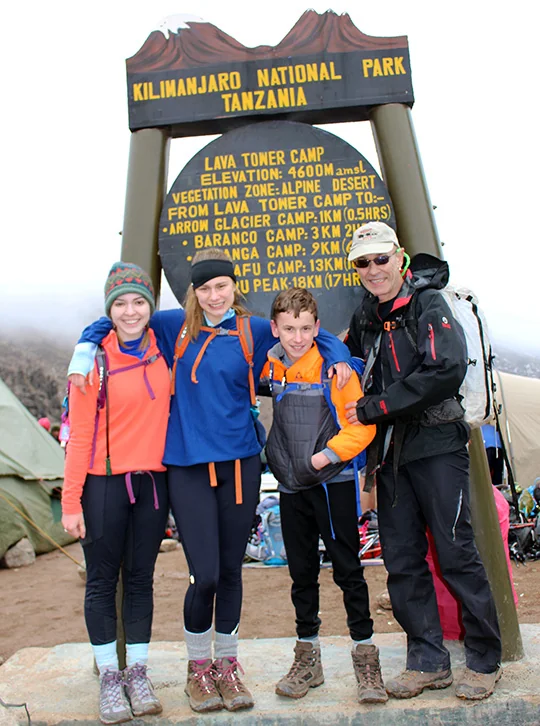
4. Acclimatisation Matters More Than Fitness
No gym session replaces time at altitude. Your plan should prioritise "climb high, sleep low" and extra nights on the mountain. If your schedule allows, consider a pre-trek acclimatisation hike, Mount Meru is a popular warm-up that adds a few thousand metres of altitude experience before you even reach Kilimanjaro's gate.
Discuss Diamox (acetazolamide) with your physician. It helps many climbers reduce symptoms of Acute Mountain Sickness, but it is an aid, never a replacement for slow ascent, hydration, and honest reporting to your guides.
Climb High, Sleep Low
On well-designed itineraries you reach a high point in the day, then descend to camp to sleep, a proven strategy that lets your body adapt while you rest. Routes like Lemosho and the Northern Circuit build this in naturally.
5. Practical Kit: Pack Smart and Test Everything
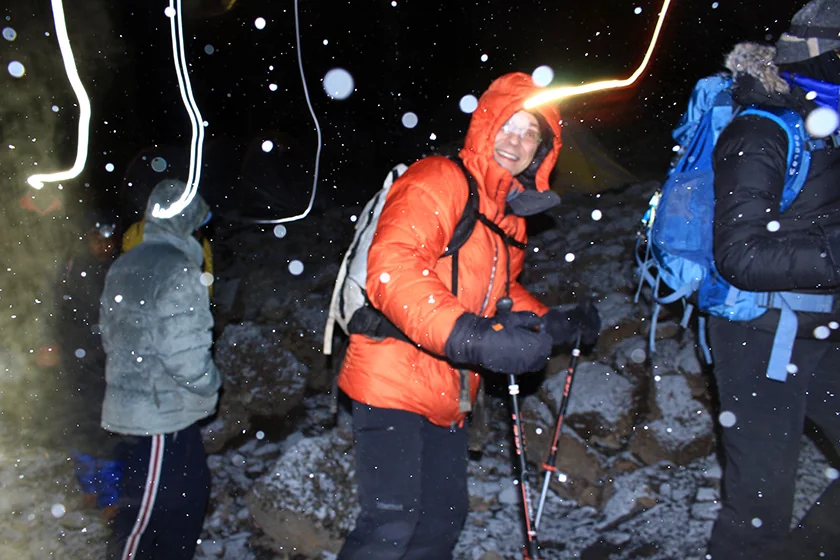
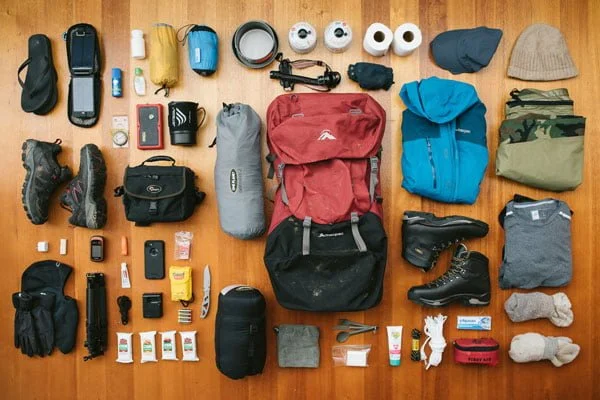
Layering is the rule: wicking base → insulating mid → waterproof shell → summit insulation. Everything else earns its place by weight and purpose.
Broken-in waterproof hiking boots and several pairs of trekking socks (no cotton).
Warm sleeping bag rated to about −10 °C comfort or better.
Down or synthetic insulated jacket, hooded, for summit night.
Waterproof shell jacket and overpants (Gore-Tex or similar).
Daypack 30–40 L with rain cover, headlamp + spare batteries, sunglasses (UV 3–4), sunscreen.
Trekking poles, microspikes (optional in rainy season), thermos or insulated bottle.
Rent vs buy: if you do not climb again, renting a sleeping bag, down jacket, or boots from a trusted local depot saves airline weight and baggage fees. Masatu reserves rental gear and fits it at the pre-climb briefing, so everything is checked before day one.
6. Medical Preparations & Insurance
Before You Travel
- See your doctor 4–12 weeks before if you have chronic conditions
- Discuss Diamox, asthma inhalers, or cardiac medications
- Pack a personal kit: painkillers, antidiarrheal, rehydration salts, blister supplies
- Get recommended vaccines (see the FAQ below)
Insurance That Actually Covers You
- Buy travel insurance that explicitly covers trekking to 6,000 m
- Confirm helicopter evacuation is included, this is non-negotiable at altitude
- Carry policy numbers and emergency contacts with you, on paper
7. Food & Hydration Strategy
Hydrate Early & Often
Aim for 3–4 litres a day. Insulated bottles stop your water freezing on summit night.
Eat Small & Frequent
Appetite falls at altitude. Energy-dense snacks, nuts, bars, gels, keep fuel coming in.
Tell Us Your Diet
Masatu menus cater to vegetarian, vegan, halal, and gluten-free needs, just let us know.
8. Documents, Flights, and Arrival Logistics
Fly to JRO
Kilimanjaro International Airport is the fastest gateway to Moshi and the mountain.
Arrive 24–48h Early
Rest, recover from the flight, and complete your kit check before departure.
Carry Paper + Digital
Passport, insurance, emergency contacts, and booking confirmation in both forms.
9. Behaviour on the Mountain, Simple Rules That Save Lives
Pace Yourself
Slow and steady. Short, rhythmic steps conserve oxygen and prevent burn-out.
Eat & Drink Anyway
Hydrate and eat even when you do not feel like it, altitude suppresses appetite.
Report Symptoms
Guides run mandatory medical checks. Be honest about headaches, nausea, or dizziness.
Skip Alcohol & Sedatives
Both worsen breathing during sleep. Save the celebration for the descent.
10. What to Expect After the Climb
Tired legs, sleep debt, and high emotional energy, rest the day after descent. We recommend booking your international return flight at least 24 hours after finishing the trek. Many clients add safari or beach days in Tanzania to recover, celebrate, and spot wildlife while their body bounces back.
Pair Your Climb With a Safari
Most summit finishers head straight for the Serengeti, Ngorongoro, or the beaches of Zanzibar. It is the perfect reward, and an easy add-on to any Kilimanjaro booking.
11. Ethical and Practical Extras
Porter Welfare
Choose operators who follow KPAP standards and pay porters fairly.
Tipping
Prepare a group tip for the crew; Masatu handles transparent distribution.
Leave No Trace
Pack out non-biodegradable waste and follow guide instructions for waste and water.
12. Final Pre-Departure Checklist (14–7 Days)
Confirm flights, hotel nights, transfers, and your final kit list with your operator.
Ensure your insurance policy and emergency contact details are accessible on paper.
Complete the final medical check if you have any concerns.
Pack a small carry-on with first-night essentials: passport, meds, change of clothes, headlamp, toiletries.
Final Note from Masatu Tours
Preparation transforms a hard trip into a memorable achievement. Choose a trusted operator, give your body time to adapt, train steadily, test your gear, and travel with good insurance. We handle permits, logistics, and safety on the mountain, you bring patience, fitness, and curiosity. Pole pole, slowly, slowly, that is how most summits are won.
Frequently Asked Questions
Conclusion: Preparation Wins Summits
Nobody summits Kilimanjaro by accident. The climbers who reach Uhuru Peak are the ones who chose a reputable operator, booked enough days, trained their legs for long loaded days, packed and tested their gear, ticked every medical and insurance box, and then walked slowly and honestly up the mountain.
You do not need to be an athlete. You need a sensible plan and the discipline to follow it. Follow this guide, and the most important day of the trip, summit night, becomes a calm, well-rehearsed march into the dawn.
Start Your Preparation With Masatu Tours
Tell us your climb date, current fitness level, and experience, Masatu builds a personalised preparation plan, reserves rental gear, and handles every logistic so you arrive ready to summit. Take the first step today.
Continue Your Kilimanjaro Preparation
Training for Kilimanjaro
Complete 8–16 week training plans and strength routines
Ultimate Packing List
Complete gear checklist and layering strategy
Best Time to Climb
Month-by-month weather and optimal climbing windows
High-Altitude Trekking
Physiology, acclimatisation, and altitude sickness
How Long Does It Take?
Duration breakdown by route and acclimatisation timelines
Kilimanjaro Costs
Complete cost breakdown and budget planning guide
Add a Tanzania Safari
Combine your summit with Serengeti & Ngorongoro
Get a Free Climb Quote
Personalised plan within 3 hours from our Moshi team
Last updated: August 2, 2026. All facts verified against current TANAPA, CDC, and climbing-industry guidance.
