Overview
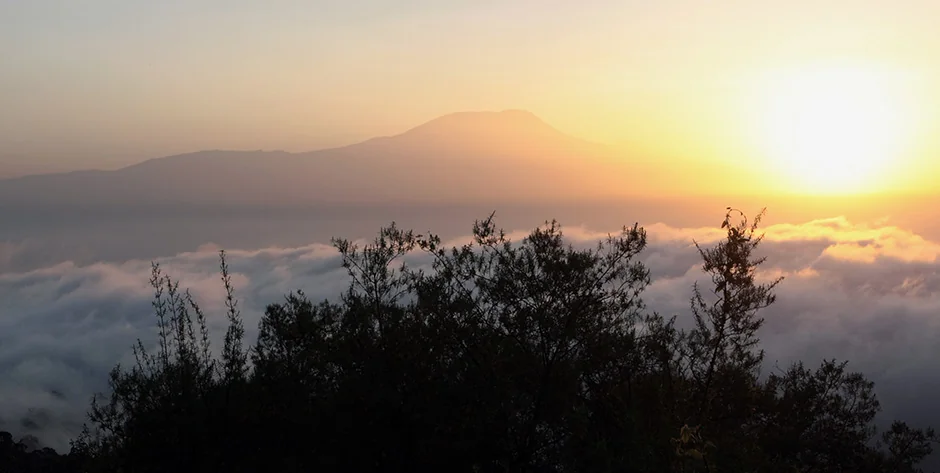
Ol Doinyo Lengai is Tanzania's sacred active volcano and the only volcano on Earth that erupts natrocarbonatite lava. The climb is steep and challenging, typically done overnight to reach the summit at sunrise. From the crater rim you can see the sweeping expanse of the Great Rift Valley, Lake Natron, and distant peaks on a clear day.
Known as the "Mountain of God" in the Maasai language, this stratovolcano stands at 2,962 meters (9,718 feet) and is located in the Ngorongoro District of Arusha Region. The volcano's unique carbonatite lava flows at unusually low temperatures (around 500-600°C) and appears black at night but turns white during the day due to rapid carbonation.
The mountain holds deep spiritual significance for the Maasai people, who believe it to be the dwelling place of their god Engai. Climbing Ol Doinyo Lengai is not just a physical challenge but also a cultural journey that requires respect for local traditions and guided exploration.
Cultural Significance
Known as the Mountain of God in the Maasai language, the peak is sacred and should be approached with respect, guided by local experts. The Maasai believe the volcano is home to their supreme god Engai, and eruptions are seen as messages from the divine.
Perfect Pairing
Combine the climb with Lake Natron for flamingos, waterfalls, and a complete Rift Valley adventure. Many travelers extend their journey to include the Ngorongoro Crater or Serengeti National Park.
History & Cultural Importance
Ol Doinyo Lengai has been a sacred site for the Maasai people for centuries. The name "Ol Doinyo Lengai" translates to "Mountain of God" in the Maa language, reflecting the deep spiritual connection the Maasai have with this active volcano. According to Maasai oral traditions, the volcano is the home of Engai, their supreme deity who created the world and all living things.
The volcano's eruptions are interpreted as messages from Engai, and the Maasai have historically used the mountain for religious ceremonies and rites of passage. Despite its sacred status, the Maasai have allowed guided climbs since the 1980s, provided climbers show proper respect for their customs and environment.
Scientifically, Ol Doinyo Lengai was first documented by European explorers in the late 19th century. The volcano became famous in the geological community in 1960 when it began erupting natrocarbonatite lava, a type of lava unique to this volcano and one other in the world. This discovery revolutionized volcanology and our understanding of volcanic processes.
Maasai Sacred Site
Home to Engai, the Maasai god. Eruptions are seen as divine messages and the mountain is central to Maasai spiritual life and ceremonies.
Geological Discovery
First carbonatite volcano documented in 1960. Its unique lava chemistry challenged existing volcanic theories and expanded geological knowledge.
Cultural Bridge
Where ancient Maasai traditions meet modern adventure tourism. Guided climbs respect both cultural heritage and scientific exploration.
Volcano Geology & Scientific Significance
Ol Doinyo Lengai is unique for its carbonatite lava that flows at lower temperatures and appears dark at night before turning white in daylight. The volcano sits within the Gregory Rift, and its activity shapes the mineral-rich landscape around Lake Natron.
As the only active carbonatite volcano in the world, Ol Doinyo Lengai produces natrocarbonatite lava with temperatures between 500-600°C (932-1,112°F), significantly cooler than typical basaltic lava which flows at 1,000-1,200°C. This unique lava type contains high concentrations of sodium and carbonate minerals, giving it its distinctive appearance and behavior.
The volcano is part of the East African Rift System, specifically the Gregory Rift, which is splitting the African continent. Ol Doinyo Lengai's eruptions provide valuable data for understanding continental rifting and the formation of new ocean basins. The volcano has been erupting almost continuously since 1983, with major eruptions in 1966-1967, 1983, 1994, 2007-2008, and most recently in 2013.
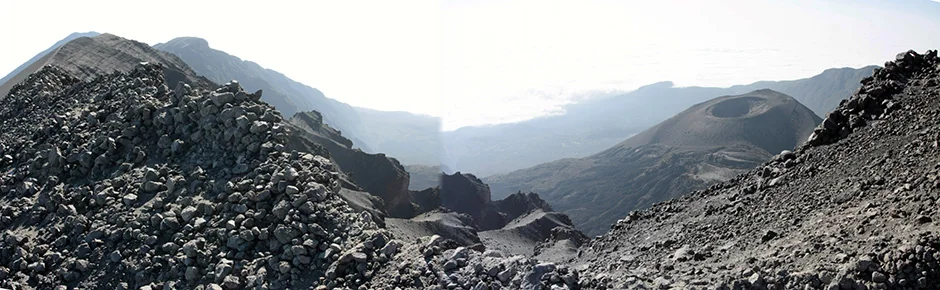
The crater itself is approximately 300 meters deep and features multiple cones and vents. The lava flows create striking black and white landscapes that change appearance throughout the day due to the rapid carbonation process when exposed to air.
Unique Lava Chemistry
- Natrocarbonatite composition - only found here and Oldoinyo Lengai
- Flows at 500-600°C, cooler than typical lava
- Changes from black to white due to carbonation
- High sodium and carbonate content
Tectonic Significance
- Located in Gregory Rift Valley
- Part of East African Rift System
- Studies continental plate tectonics
- Active since 1983 with major eruptions

🌋 Active Carbonatite Volcano
Unique natrocarbonatite lava flows create stunning black and white landscapes
Climb Options & Routes
Climbing Ol Doinyo Lengai requires careful planning and local expertise. The mountain offers challenging volcanic terrain with loose ash, steep slopes, and unpredictable weather. All climbs must be guided by experienced Maasai trackers who know the mountain's sacred sites and safe routes.
Night Summit Trek (Most Popular)
The classic approach starts around midnight from Lake Natron, reaching the crater rim at sunrise. This timing provides cooler temperatures, better footing, and the unforgettable experience of watching the sun rise over the Great Rift Valley from the summit.
Route Details:
- • Distance: 6-8 km round trip
- • Elevation gain: ~1,200 meters
- • Duration: 6-7 hours up, 4-5 hours down
- • Difficulty: Strenuous, technical volcanic terrain
- Steep, loose volcanic ash and scree
- Requires strong fitness and hiking experience
- Guided by local Maasai experts only
- Headlamps and trekking poles essential
- Weather can change rapidly
- Sunrise summit for spectacular views
Lake Natron Base Camp Experience
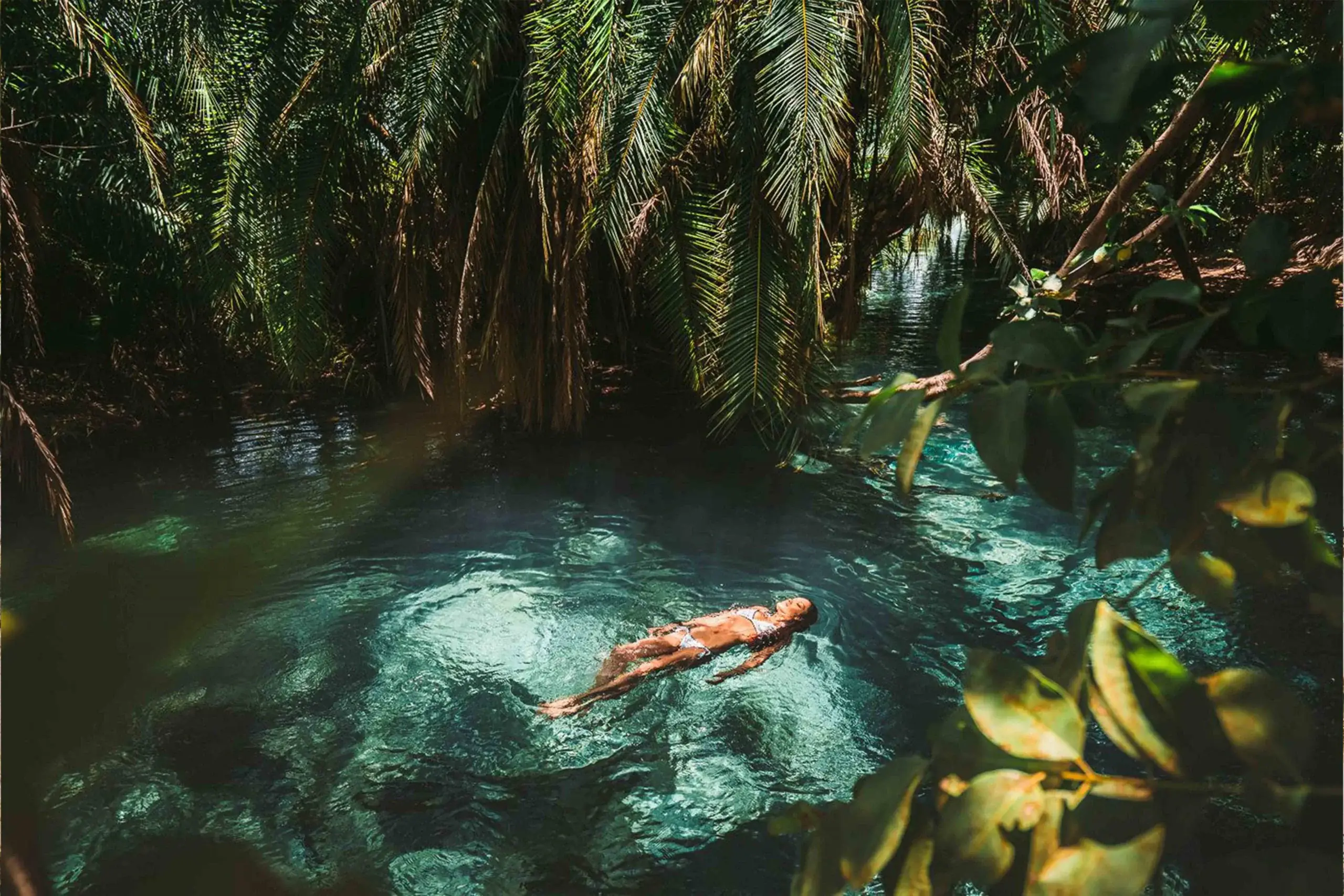
Extend your visit with 2-3 days at Lake Natron to acclimate, explore the area, and enjoy the unique ecosystem. This approach allows better preparation and includes additional activities like flamingo watching and hot spring visits.
Extended Itinerary Benefits:
- • Better acclimatization to altitude
- • Time to explore Lake Natron's wildlife
- • Visit Engaresero waterfalls and hot springs
- • Cultural immersion with Maasai communities
- • Flexible climb timing based on conditions
Difficulty & Fitness Requirements
Physical Fitness
This is a strenuous climb requiring excellent cardiovascular fitness and leg strength.
- • Regular hiking or running training
- • Ability to hike 6-8 hours continuously
- • Experience with steep, technical terrain
- • Good balance and stability
Technical Skills
Volcanic terrain requires specific preparation and equipment.
- • Experience with loose scree and ash
- • Comfortable hiking at night
- • Use of trekking poles and headlamps
- • Proper layered clothing for weather changes
Health Considerations
Altitude and volcanic environment require health precautions.
- • No recent heart or respiratory issues
- • Good acclimatization to altitude
- • Protection from volcanic dust
- • Hydration and electrolyte management

⛰️ Summit Trek Experience
Night ascent to witness sunrise over the Great Rift Valley
Safety & Preparation
High-Intensity Climb
Guided Only
Local Maasai guides are required and essential for safety.
Start at Night
Cooler temperatures and safer footing improve summit success.
Emergency Planning
Carry extra water, snacks, and first aid; guides monitor conditions.
Best Time to Visit
The dry season from June to October offers clearer skies and more stable footing. November to February can still be good, but heavy rains from March to May make the climb hazardous.
Itinerary Snapshot
Day 1: Natron Arrival
Transfer from Arusha to Lake Natron, settle in, optional waterfall walk and briefing.
Night 2: Summit Trek
Midnight start, steep ascent, sunrise at the crater, descend by late morning.
Day 3: Recovery
Hot springs or flamingo viewing, then return to Arusha or continue safari.
Extensions
Add Lake Natron, Ngorongoro, or Serengeti for a full northern circuit journey.
Pricing & Inclusions
Pricing depends on group size, accommodation choice, and whether you add Lake Natron activities. Below are popular starting points. Request a tailored quote for exact dates.
Classic 2-Day Climb
From $450 per person
Shared services, 2 days / 1 night
- Private transfer from Arusha
- Maasai guide and trekking support
- Meals, water, and permits
Premium 3-Day Experience
From $620 per person
Extra rest and Lake Natron time
- Upgrade lodge or tented camp
- Waterfalls or hot springs visit
- Flexible climb timing
Private Group
From $380 per person
Quoted for 4+ travelers
- Private vehicle and guide
- Custom accommodation selection
- Dedicated support team
What to Pack
Essential Gear
Comfort Tips
Getting There & Accommodation
Most treks start from Lake Natron, about 4-6 hours from Arusha. We arrange private transfers, accommodation, and guides as part of a premium experience. The area offers various lodging options from community guesthouses to luxury lodges.
Transportation from Arusha
- Private 4x4 vehicle transfer (4-6 hours)
- Airport pickup from Kilimanjaro or Arusha
- Road conditions vary by season
- Scenic drive through Maasai lands
Suggested Itinerary Flow
- Arrive Arusha and transfer to Lake Natron
- Night climb with sunrise summit
- Relaxation at waterfalls and hot springs
- Return to Arusha or continue safari
Accommodation Options
Community Lodges
Authentic Maasai-run guesthouses with cultural immersion.
- • $30-50 per night
- • Shared facilities
- • Local Maasai experience
- • Basic but clean
Mid-Range Lodges
Comfortable lodges with modern amenities and views.
- • $80-150 per night
- • Private bathrooms
- • Restaurant service
- • Lake views available
Luxury Tented Camps
Premium safari-style accommodation with full service.
- • $200+ per night
- • En-suite facilities
- • Guided activities included
- • Gourmet meals
Conservation & Responsible Tourism
Ol Doinyo Lengai and Lake Natron are important conservation areas. The volcano's unique ecosystem and the lake's flamingo populations require careful protection. Responsible tourism helps preserve this natural wonder for future generations.
Environmental Protection
The area is part of the Ngorongoro Conservation Area and requires careful management to protect its unique volcanic and wetland ecosystems.
- UNESCO Ramsar wetland designation for Lake Natron
- Protected flamingo breeding grounds
- Volcanic soil conservation efforts
- Community-led conservation programs
- Scientific monitoring of volcanic activity
Community Benefits
Tourism revenue supports Maasai communities, conservation efforts, and sustainable development in one of Tanzania's most remote areas.
- Employment for local Maasai guides
- Community lodge and service development
- Cultural preservation funding
- Education and healthcare support
- Sustainable tourism initiatives
Wildlife & Biodiversity
The area around Ol Doinyo Lengai is home to diverse wildlife and unique ecosystems shaped by volcanic activity and the Great Rift Valley. Lake Natron itself is famous for its flamingo populations and alkaline environment that supports specialized wildlife adaptations.
Lake Natron Flamingos
Lake Natron hosts thousands of lesser flamingos that feed on the lake's unique algae. The alkaline waters (pH 9-10.5) create a specialized ecosystem where these birds thrive.
- Home to over 2 million lesser flamingos
- Alkaline lake creates pink waters from algae
- Major breeding ground for flamingos
- UNESCO recognized Ramsar wetland site
- Best viewed during wet season (November-March)
Volcanic Ecosystem
The volcanic soils create fertile grounds for unique plant life and support diverse bird species, small mammals, and insects adapted to the mineral-rich environment.
- Mineral-rich soils support specialized vegetation
- Home to Maasai giraffes and other wildlife
- Diverse bird species including raptors
- Unique geothermal features and hot springs
- Ngorongoro Conservation Area nearby
Photography & Sunrise Experience
Ol Doinyo Lengai offers unparalleled photographic opportunities, especially during the night summit trek when you reach the crater rim at sunrise. The volcanic landscape, Rift Valley views, and changing light conditions create dramatic scenes for photographers.
Sunrise Magic
Reaching the summit at dawn provides the ultimate photographic experience with the sun rising over the Great Rift Valley, illuminating the volcanic crater and distant peaks.
- Sunrise over Great Rift Valley
- Volcanic crater rim views
- Golden hour lighting on lava flows
- Lake Natron and flamingos below
- Dramatic shadow play on crater walls
- Rare opportunity for night-to-day transition shots
Photography Tips
Capture the unique volcanic landscape with these expert tips for the challenging conditions.
- Bring dust-proof camera protection
- Wide-angle lens for landscape shots
- Tripod for stable night photography
- Polarizing filter for volcanic glass
- Extra batteries for cold conditions
- Memory cards for high-resolution shots
Frequently Asked Questions
Is the climb suitable for beginners?
It is steep and physically demanding. We recommend prior hiking experience and a guide-led climb. The volcanic terrain requires good fitness and technical skills.
Do I need special permits for Ol Doinyo Lengai?
Yes, local entry fees and guiding services are required. We handle permits and logistics for you. Maasai guides are mandatory for safety and cultural respect.
How long should I stay in Lake Natron for the climb?
Two to three days allows a night summit and time for waterfalls, hot springs, and flamingos. This gives you time to acclimate and enjoy the area.
What makes Ol Doinyo Lengai's lava unique?
It's the only active carbonatite volcano in the world, erupting natrocarbonatite lava at unusually low temperatures (500-600°C) that turns from black to white.
Can I climb Ol Doinyo Lengai without a guide?
No, guided climbs only. The mountain is sacred to the Maasai and requires local expertise for safety, navigation, and cultural respect.
What is the best time of year to climb Ol Doinyo Lengai?
June to October offers the best conditions with clear skies and stable weather. November to February is also good, but avoid March to May when rains make the mountain hazardous.
How fit do I need to be to summit Ol Doinyo Lengai?
Very fit. The climb involves 6-8 hours of strenuous hiking with 1,200 meters elevation gain over loose volcanic terrain. Regular training is essential.
What should I pack for the Ol Doinyo Lengai trek?
Headlamp, trekking poles, sturdy boots, gloves, windproof layers, 2-3 liters water, high-energy snacks, and gaiters for volcanic ash.
Is Ol Doinyo Lengai safe to climb?
Yes, when properly guided and prepared. The volcano is active but monitored. Weather changes quickly, so experienced guides are essential.
How much does a guided Ol Doinyo Lengai climb cost?
From $450 per person for 2-day classic treks, up to $620 for premium 3-day experiences including Lake Natron activities. Group discounts available.
What cultural considerations should I be aware of?
The mountain is sacred to Maasai. Ask permission for photos, follow guide instructions, keep noise minimal, and support local communities through guides and lodges.
Can I combine Ol Doinyo Lengai with other Tanzania adventures?
Absolutely! Many combine it with Lake Natron, Ngorongoro Crater, Serengeti safaris, or Mount Meru climbs for a comprehensive northern Tanzania experience.
What wildlife can I see around Ol Doinyo Lengai?
Lake Natron's flamingos, Maasai giraffes, diverse bird species, and unique volcanic-adapted plants. The area is part of important conservation zones.
How do I get to Ol Doinyo Lengai from Arusha?
Private transfer takes 4-6 hours. We arrange transportation, permits, guides, and accommodation as part of our premium packages.
What accommodation options are available near Ol Doinyo Lengai?
Lake Natron lodges, tented camps, community guesthouses, and basic huts. We recommend mid-range options with hot showers and meals included.
Other Day Trips to Add
Mix your climb with a refreshing day tour around Arusha or the northern circuit.
Other Mountains to Explore
Extend your adventure with Tanzania's iconic peaks. Pair Ol Doinyo Lengai with a classic Kilimanjaro summit or a shorter Mount Meru trek for a well-rounded highlands itinerary.



Ready to plan your dream adventure?