
Key Facts
Kilimanjaro takes you from +25 °C at the gate to −20 °C at the summit, so a four-layer system (base, mid, insulated, shell) is the foundation of every kit. Your porter-carried duffel is limited to 15 kg by KINAPA. Broken-in boots and a sleeping bag comfort-rated to −10 °C or colder are the two non-negotiable items. Drink 3–4 litres of water daily, and rent heavy gear locally from Masatu (full kit: USD 250–350) to save luggage weight.
Packing Quick Facts
At Masatu Tours we have guided thousands of climbers to Uhuru Peak, Africa's highest point at 5,895 metres. This Kilimanjaro packing list is field-tested across all seven routes and every season, covering clothing layers, footwear, sleep systems, technical gear, and what you can rent locally to save luggage weight and airline fees.
Max Duffel Weight
15 kg, strictly enforced by KINAPA
Summit Temperature
−20 °C (−4 °F) at Uhuru Peak
Temperature Range
+25 °C at the gate to −20 °C at the top
Daypack Size
20–30 L with a hipbelt
Layering System
4 layers: base, mid, insulated, shell
Water Per Day
3–4 litres minimum, more on summit day
Full Rental Kit
USD 250–350, saves luggage fees
Boots Break-In
2–3 long hikes before departure
The Golden Rule
Think layers, not single heavy garments. The mountain takes you from tropical rainforest to an arctic summit, a swing of more than 40 °C in a single climb. Your duffel must weigh a maximum of 15 kg, a strict KINAPA rule — porters weigh every bag, so pack light and rent the heavy gear locally.
Clothing & Layering System
The foundation of a successful climb is the four-layer system: base, mid, insulated and shell. You'll add and remove layers 3–5 times a day as you move from hot rainforest through heather and moorland to alpine desert and ice.
Base Layer
Next to skin
- 2 × lightweight synthetic or merino long-sleeve tops (fast wick)
- 1 × midweight thermal top for summit night (merino preferred)
- 2 × lightweight trekking underwear + 1 spare set
- 1–2 × longjohns / thermal leggings for summit night and cold mornings
Mid Layer
Traps warm air
- 1–2 × fleece jackets (Polartec 200 or equivalent), hooded recommended
- 1 × light insulated jacket (synthetic or lightweight down) for camp
Insulated Layer
Summit & camp warmth
- 1 × warm down or synthetic parka, comfort rated to −10 to −15 °C
- 1 × insulated summit trousers or ski pants for the midnight push
Shell Layer
Wind, rain & snow
- 1 × waterproof hard-shell jacket with a hood (Gore-Tex or equivalent)
- 1 × waterproof rain pants with side zips for easy on/off over boots
| Layer | Purpose | Comfort Range | Key Spec |
|---|---|---|---|
| Base | Wicks sweat off the skin | +10 to +20 °C | Merino or synthetic, never cotton |
| Mid | Traps warm air close to the body | 0 to +10 °C | Polartec fleece or lightweight down |
| Insulated | Holds heat at camp and summit | −15 to 0 °C | Down or synthetic parka with hood |
| Shell | Blocks wind, rain and snow | All conditions | Waterproof, breathable, full hood |
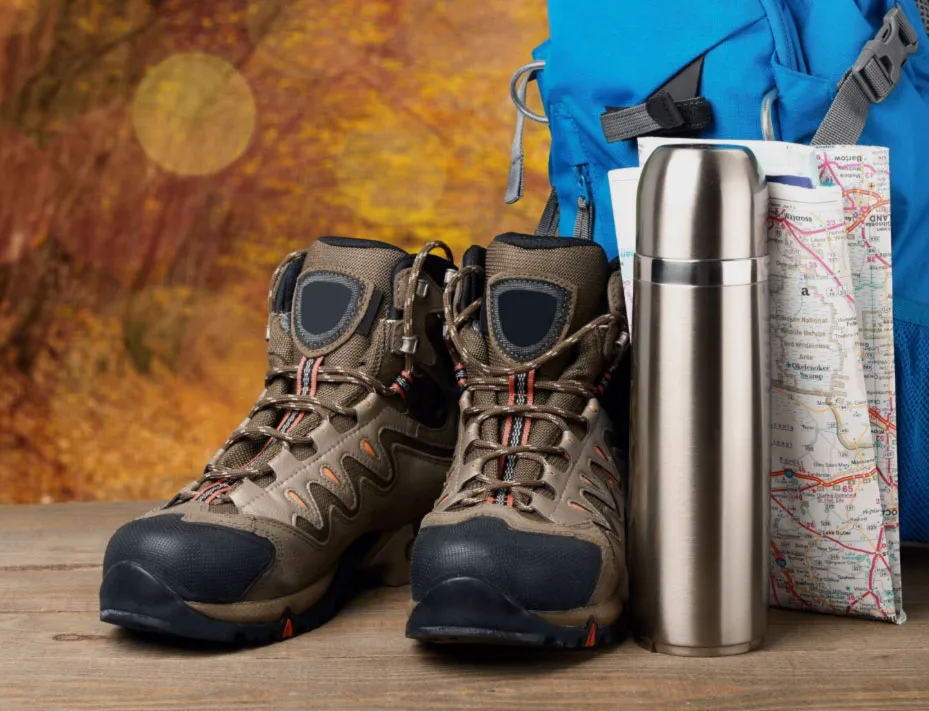
Headgear
- Wide-brim sun hat, neck cover recommended
- Warm beanie (wool or fleece), essential
- Balaclava / neck gaiter for summit night
Gloves
- Light liner gloves (Polartec or wool)
- Warm insulated mittens or gloves, water-resistant
- Spare pair of gloves — critical for the summit
Never cotton
Cotton absorbs moisture and stays wet, causing rapid heat loss at altitude. Jeans, cotton T-shirts and cotton socks have no place on the mountain. Switch every layer to synthetic or merino.
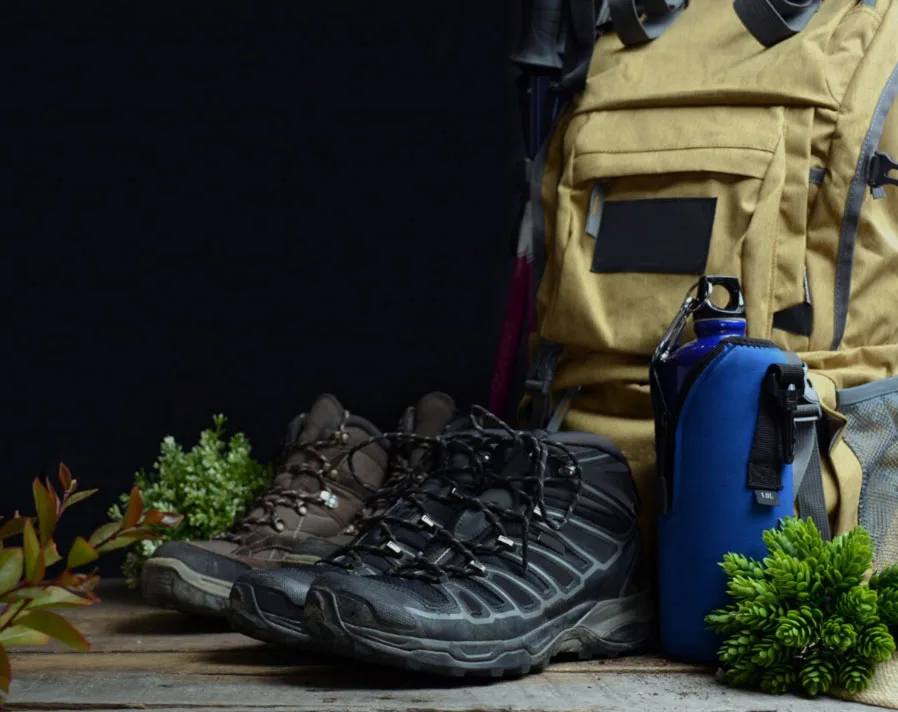
Footwear & Socks
Your feet carry you to the Roof of Africa, so this is where you invest. Broken-in boots are non-negotiable, and the socks you pair them with matter almost as much.
Hiking Boots
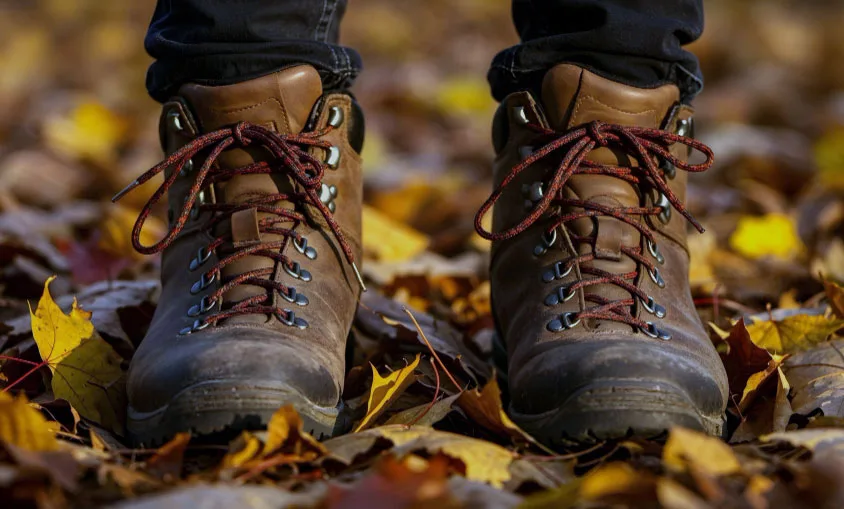
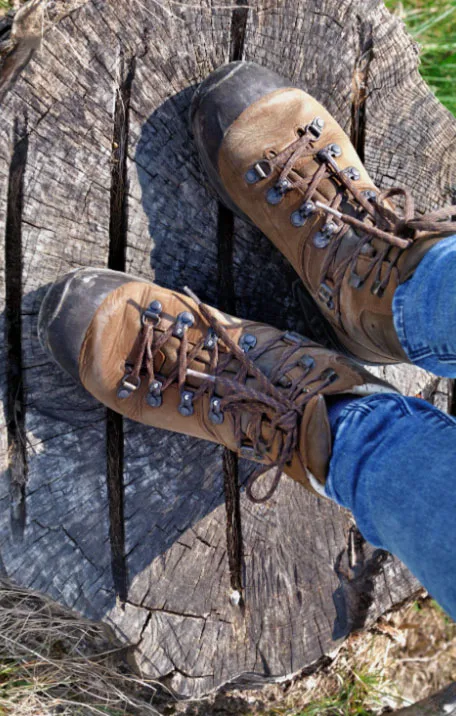
EssentialSturdy waterproof boots with ankle support, broken in on 2–3 long hikes before departure. Good brands include La Sportiva, Zamberlan, Scarpa, Salomon and Asolo.
Tip: wear the exact socks you'll use on the mountain when you break your boots in, blisters are the most common reason climbers turn back.
Socks
- 3–4 pairs merino or synthetic hiking socks, no cotton
- 1 pair thermal socks for summit night
- Liner socks, optional for blister reduction
Camp Shoes
Lightweight sneakers or sandals to relax in at camp. Crocs-style options pack small and are popular. One pair is enough.
Gaiters
Light gaiters keep scree and rain out of your boots. Essential during the wet months (March–May and November) and on loose summit scree.
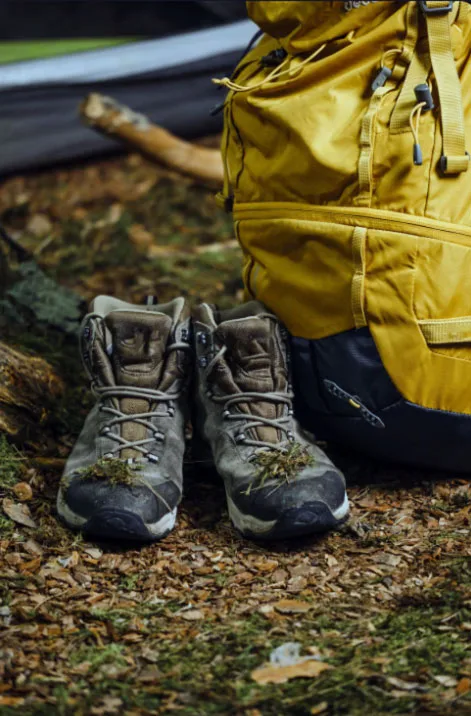
Packs, Bags & Packing System
You carry two bags on Kilimanjaro: a daypack you wear while hiking and a duffel the porters carry between camps. Getting both right keeps you comfortable and your team within the strict 15 kg KINAPA limit.
Daypack
- 20–30 L comfortable daypack with a hipbelt
- Hydration compatibility and a rain cover
- Carries: spare layers, snacks, camera, headlamp, water
Duffel for Porters
- Soft 90–120 L duffel, waterproof or with a dry bag inside
- MAX packed weight: 15 kg, a strict KINAPA rule
- Use packing cubes and dry bags for organisation
Dry Bags
- 1–2 dry sacks for sleeping bag, warm clothing, electronics
- Protects gear from rain and rough porter handling
Documents & Money
Keep these in your carry-on, not your duffel: passport plus a photocopy stored separately, flight e-ticket and Masatu booking voucher, travel and evacuation insurance details (helicopter cover recommended), a credit card and $200–300 USD in good-condition notes (post-2006), and your vaccination card if required.
Sleep System & Camp Comfort
Camps sit between 3,000 and 4,700 metres, and nights drop well below freezing. A warm sleep system is the difference between rested summit legs and exhaustion.
Sleeping Bag
Critical ItemComfort rated to at least −10 °C (recommend −15 °C for peace of mind). Mummy shape with a hood is essential.
Rentable locally from Masatu if you don't own one, saving luggage space and airline fees.
Sleeping Bag Liner
Adds 3–8 °C of warmth and keeps your bag cleaner. A good safety net if your bag is borderline on warmth.
Inflatable Pillow
A small comfort item that packs to the size of a fist and weighs almost nothing.
Trekking Gear & Technical Items
Trekking Poles
Strong, adjustable poles with cork grips. They cut knee strain by up to 25% on descents and steady you on scree and ice. Masatu can rent you a quality pair.
Hand Warmers
Bring 4–6 chemical heat packs (Hothands or equivalent). Activate one inside each glove on summit night. Also keeps your phone battery warm. Available locally in Moshi.
Headlamp + Batteries
300–400 lumens recommended. Bring plenty of spare batteries — cold drains them 2× faster. Even on a full-moon climb, a headlamp is essential backup.
Water Bottles
1–2 litre insulated or metal bottles (plastic freezes). A hydration bladder is optional, tubes freeze at the summit so bottles are more reliable.
Microspikes / Crampons
Recommended for the icy summit approach, especially the Western Breach and during the cold dry season. Rentable seasonally from Masatu.
Toilet Kit
Hand sanitiser, tissues, small zip bags for waste. Carry everything back out wherever necessary — Leave No Trace.
Electronics & Photography
- Smartphone + case + power bank (10,000–20,000 mAh)
- Camera with spare batteries, cold drains them 2× faster
- Chargers & universal adapter (Type D & G in Tanzania)
- E-book or small entertainment for evenings, optional
Hygiene & Medical Kit
- Biodegradable wet wipes, toothbrush, quick-dry towel
- SPF 50+ sunscreen and high-altitude lip balm
- Personal meds, blister kit, painkillers, rehydration salts
- Diamox only if your doctor advises it
Altitude sickness is the #1 reason climbers turn back
Symptoms include persistent headache, nausea, dizziness and fatigue. The best defence is a longer route (7–8 days), walking slowly ("pole pole"), drinking 3–4 litres daily, and telling your guide the moment you feel unwell. If symptoms worsen, descend immediately. Diamox can help, but consult your doctor 4–6 weeks before departure.
Food & Hydration on the Mountain
Masatu provides all meals and boiled drinking water. At altitude your appetite disappears, so hydration and eating become deliberate habits, not instincts.
Hydration Rules
- Drink 3–4 litres per day, more on summit day
- Sip 200–300 ml every 20–30 minutes while trekking
- Pale yellow urine = well hydrated; dark = drink more
- Avoid coffee and alcohol, both dehydrate you
- Warm herbal teas at camp count toward your intake
- Electrolyte tablets recommended for summit day
Meals & Calories
- Breakfast, lunch, dinner + snacks provided daily
- You need 2,500–3,500+ kcal/day at altitude
- Force yourself to eat even when not hungry
- High-carb meals: pasta, rice, ugali, bread
- Ginger tea is excellent for nausea, ask your cook
- Bring personal snack favourites for morale
Personal Snacks to Pack
All of the above can be bought in Arusha or Moshi before departure. Masatu staff can point you to the best local shops.
Rent from Masatu
Save luggage space and airline baggage fees by renting heavy items locally. All rental gear is serviced, cleaned and quality-checked before each use.
Cost Savings
A full rental kit costs USD 250–350, a fraction of the airline excess-baggage fees on a heavy suitcase. Individual items are available at lower cost. Ask about our combined climb + rental packages.
Summit Day Daypack
Summit day starts around midnight, and at −20 °C every item needs a purpose. This is exactly what goes in your daypack for the push to Uhuru Peak.
The Midnight Push to Uhuru
Pack this the night before, keep nothing to the last minute
What NOT to Pack
What you leave behind matters as much as what you bring. Excess weight is the enemy of acclimatisation and morale.
Cotton absorbs moisture and stays wet, causing rapid heat loss at altitude. Use synthetic or merino for every layer.
Porters carry soft duffels on their heads. Hard suitcases cannot be carried this way and will be refused. Use a soft-sided expedition duffel (max 15 kg).
You won't shower on the mountain. A small bar of soap, biodegradable wipes, and a microfibre towel are all you need. Leave the full toilet bag at the hotel.
No electricity at camps above the gate. A phone + power bank covers photography, music and communication, with far less weight.
Strong odours can trigger nausea when you are already dealing with altitude effects. Stick to unscented products.
One pair of lightweight slip-ons or sandals is enough. Two pairs of boots is excessive for most climbers.
Alcohol dehydrates you and suppresses the breathing response your body needs to acclimatise. Save it for the celebration in Moshi.
Bring a single credit card + $200–300 USD cash for emergencies and tips. Leave everything else in the hotel safe.
Masatu guides carry a comprehensive emergency kit including a pulse oximeter, stretcher, oxygen and AMS medications. Keep your personal kit minimal.
Frequently Asked Questions
Max 15 kg, strictly enforced by KINAPA. Use packing cubes and dry bags. Pack heavy items near the bottom and label clearly with your name and contact details.
Yes! Masatu rental shops have boots, sleeping bags, down jackets, poles, and more. Renting reduces international luggage weight and saves airline excess-baggage fees. Full rental kit: USD 250–350.
Use insulated bottles or keep them inside your jacket at night and during the summit push. Fill bottles with warm (not boiling) water before starting. Hydration bladder tubes freeze easily, bottles are more reliable.
Good, broken-in hiking boots plus a warm sleeping bag (comfort rated to −10 °C or colder). Both are non-negotiable. If you only invest in two items, make it these.
You'll experience temperatures from +25 °C at the gate to −20 °C at the summit. The layering system (base → mid → insulated → shell) lets you add or remove as needed. Expect to change layers 3–5 times per day.
Strongly recommended. Poles reduce knee strain by up to 25% on descents and improve balance on scree and ice. Cork grips are preferred as they don't get cold. Masatu can rent you a quality pair.
Acute Mountain Sickness (AMS) is caused by ascending too fast and not allowing your body to acclimatise. Symptoms include headache, nausea, dizziness and fatigue. The best prevention is choosing a longer route (7–8 days), walking slowly ('pole pole'), staying hydrated, and avoiding alcohol. Diamox (acetazolamide) can help, consult your doctor 4–6 weeks before departure. If symptoms worsen you must descend immediately.
At least 3–4 litres per day, more on summit day. Dehydration accelerates AMS symptoms and fatigue. Drink 200–300 ml every 20–30 minutes whether you feel thirsty or not. Your urine should be pale yellow; dark urine signals dehydration. Avoid coffee and alcohol which are diuretics.
Jeans (heavy, don't insulate when wet), cotton base layers, unnecessary electronics, hardshell suitcases (use soft duffels), excessive toiletries, and more than two pairs of camp footwear. A good rule: if you hold an item and aren't sure you need it, leave it. Every 100 g saved makes a real difference at high altitude.
Plan Your Kilimanjaro Climb
A great Kilimanjaro packing list is about simplicity: layers, a warm sleep system, reliable boots, and nothing you don't need. Add the essentials we've covered, rent the heavy gear locally, and your body can spend its energy on the climb instead of fighting bad equipment.
With the right kit, the Roof of Africa is one of the most achievable bucket-list summits in the world. Our guides have done it thousands of times. Get a free, no-obligation itinerary with a full kit list tailored to your route and season, and your packing questions answered before you even book.
More Kilimanjaro Guides
GuidesEquipment & Gear Guide
Everything Masatu provides and what to bring
Rental Gear Pricing
Transparent costs for boots, bags & jackets
Best Hiking Boots
Top 7 boots compared for the climb
Daypack Guide
Choosing the perfect 30–40 L hiking pack
How to Prepare for the Climb
Training, medical prep and gear checklist
Kilimanjaro Cost Guide
Park fees, tips and full pricing
Last updated: September 16, 2026. All facts verified against KINAPA regulations and Masatu Tours field data.
