Seasonal route · July – October
Ngorongoro, Natron & Serengeti Migration: 9 Days
Flamingos nesting on a red lake, then the Mara River at the height of the migration, then down onto the crater floor at dawn. One private vehicle, one guide, two lodge tiers, and a route most operators skip because the road to Natron is rough.
From $5,485 pp · 4 guests
01 — Why this route
A safari built around two things that rarely line up
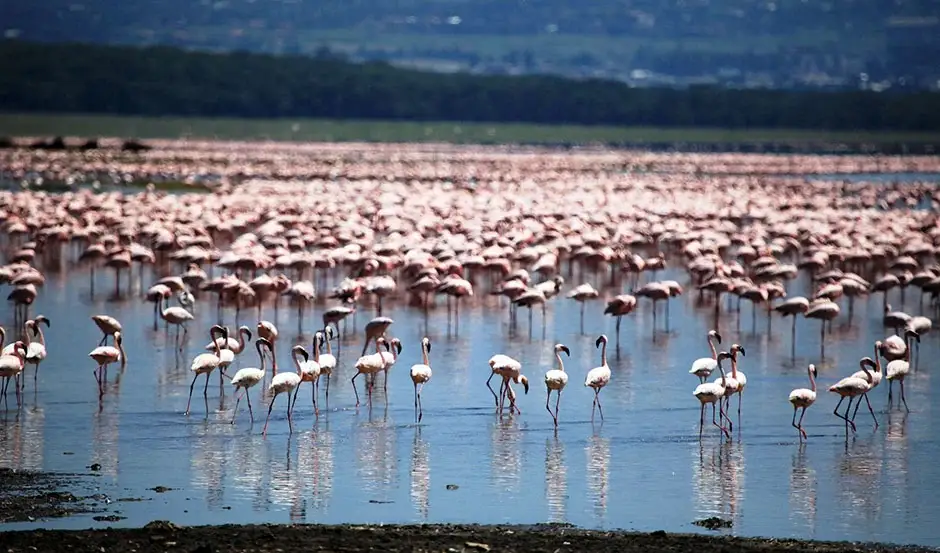
Lake Natron is where more than three-quarters of the world's lesser flamingos come to breed. The northern Serengeti is where the wildebeest herds mass on the Mara River. Most itineraries give you one or the other, because the road between them is long and the lake has almost no accommodation.
This route does both, and gives each enough time to be worth the drive: two nights at the lake, two on the river, two in Seronera, then the crater. It is a proper northern circuit rather than a list of parks ticked off in a week.
- 01
Flamingo nesting at Lake Natron, September to April
- 02
Two nights on the Mara River during the northern migration
- 03
Seronera, the best cat country in the Serengeti
- 04
Crater floor at first light, before the day visitors
02 — The route
Arusha, Natron, Kogatende, Seronera, crater
One loop, no backtracking. You climb north-east to the Rift Valley, cross to the Mara River, then run south through the Serengeti to the highlands. The only long days are the transfer to Natron and the run up to Kogatende — both can be flown if you would rather save the hours.
- 012 nights
Arusha
Arrival and departure, coffee country below Mount Meru
- 022 nights
Lake Natron
Flamingo colonies, warm springs, Rift Valley escarpment
- 032 nights
Kogatende
Mara River crossings in the northern Serengeti
- 042 nights
Seronera & crater
Big cats, then the crater rim and the floor
03 — Day by day
Nine days from Arusha to the crater floor
Every night, meal plan, drive time and lodge is below. Drive times are realistic rather than optimistic: they include the gate formalities, the photo stops and the fact that the last hour into Natron is slow.
- Duration
- 9 days · 8 nights
- Regions
- Natron · Kogatende · Seronera · Ngorongoro
- Best window
- July – October
- Group
- Private, any start date
- 01Day 1
Arrival in Arusha
ArushaYou land at Kilimanjaro International Airport and are met on arrival; the drive to Arusha takes about an hour. The lodge sits in an old coffee estate below Mount Meru, with a river, a bird-filled garden and a pool to swim in. Rooms open at 2pm, so an early arrival can leave bags and either rest or take a short walk into town. This is the only night at low altitude — the rest of the route climbs.
- Drive
- Kilimanjaro Airport → Arusha · about 1 hour
- Signature lodge
- Ngare Sero Mountain Lodge4★
- Premium lodge
- Elewana Arusha Coffee Lodge5★
- Meals
- Half board
- 02Day 2
The road to Lake Natron
Lake NatronThe road north climbs through Maasai plains and over the Rift Valley escarpment, past Mto wa Mbu and Engaruka, before a last stretch of rough track brings you down to the lake. Lake Natron is the most remote stop on the route: red water, black volcanic rock and very few vehicles. The camp sits a short walk from the shore, and the warm springs that flow off the Ngorongoro highlands are clear enough to swim in.
- Drive
- Arusha → Lake Natron · 5–6 hours
- Signature lodge
- Lake Natron Camp3★
- Premium lodge
- Lake Natron Camp3★
- Meals
- Full board
- 03Day 3
Flamingo nesting grounds
Lake NatronA full day at the water's edge, timed for nesting. Between September and April, more than three-quarters of the world's lesser flamingos breed here, laying on the mud flats along the shore; the chicks hatch grey and turn pink over the following weeks. Pelicans, stilts and raptors work the same water. Bring binoculars and a long lens — the birds keep their distance and the heat haze builds by mid-morning. The afternoon is free for the springs or a Maasai settlement visit.
- Drive
- Local drives around the lake
- Signature lodge
- Lake Natron Camp3★
- Premium lodge
- Lake Natron Camp3★
- Meals
- Full board
- 04Day 4
Kogatende, northern Serengeti
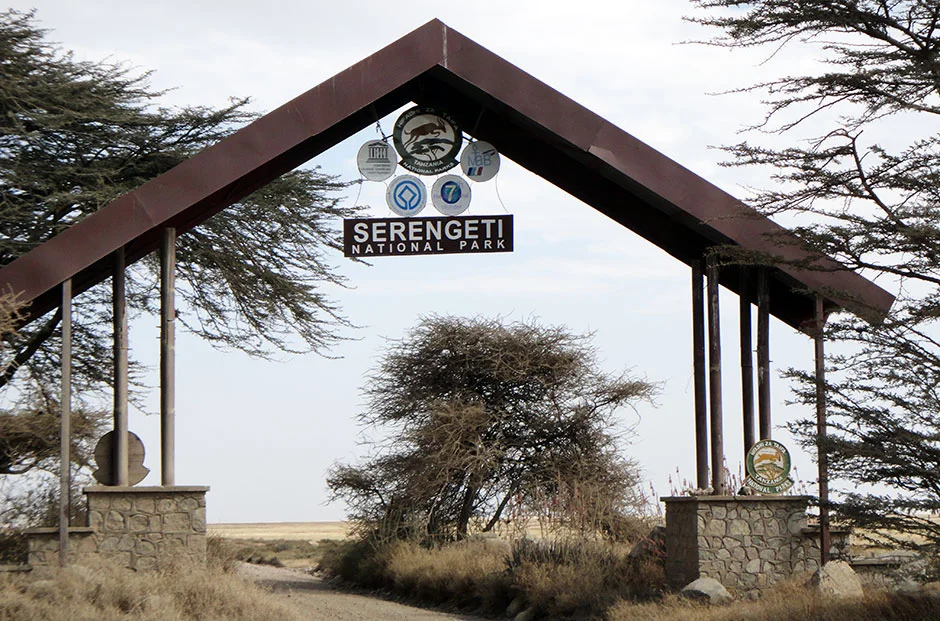
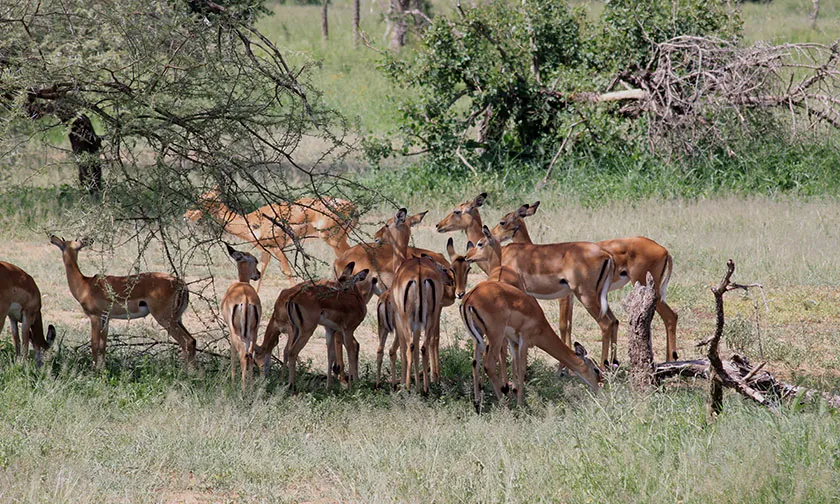
Serengeti · KogatendeNorth to Kogatende, in the far reaches of the Serengeti, where the Mara River cuts through the plains. The camp is close enough to the river to be out at first light. This is the sector the herds reach after crossing from Kenya, and the ground around it holds eland, impala, kudu, dik-dik and giraffe year-round, with prides of lion working the same plains. Long driving day — the alternative is a light aircraft from Arusha or Seronera, arranged at extra cost.
- Drive
- Lake Natron → Kogatende · 7–8 hours
- Signature lodge
- Karibu Serengeti River Camp4★
- Premium lodge
- Lemala Kuria Hills Lodge4★
- Meals
- Full board
- 05Day 5
The Mara River
Serengeti · KogatendeA second day at Kogatende, this time along the river itself. Crossings are unpredictable — a herd can mass for an hour and turn back — so the day is built around patience, positioning and a guide who reads the movement. From July to October the herds are on the northern plains and the river is the only reliable water for miles. Keep the camera ready and the engine off; the dust, the noise and the first animal in the water are the sight you came for.
- Drive
- Mara River · short game drives
- Signature lodge
- Karibu Serengeti River Camp4★
- Premium lodge
- Lemala Kuria Hills Lodge4★
- Meals
- Full board
- 06Day 6
Seronera, central Serengeti
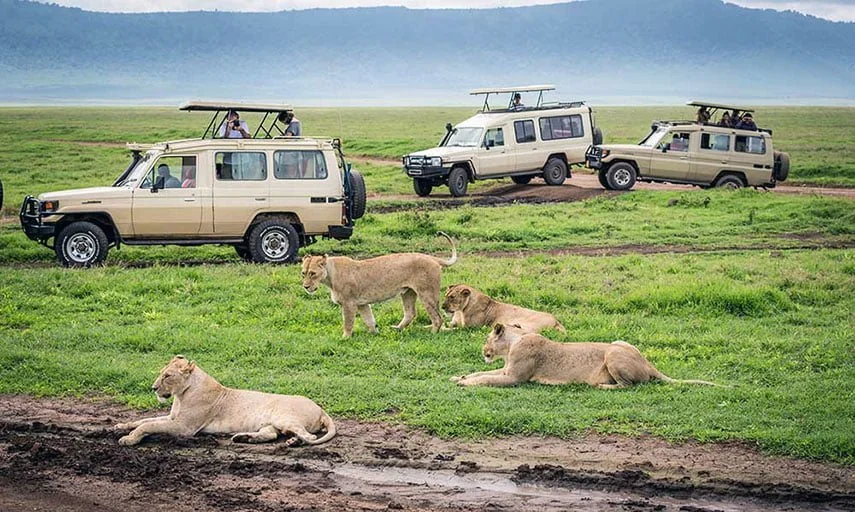
Serengeti · SeroneraSouth to Seronera, the most wildlife-dense sector of the park, and a change of scenery: granite kopjes, riverine forest and open plains. Lion, elephant and buffalo are routine; leopard, cheetah and serval take more looking, and this is where a guide earns their keep. The camp sits inside the park, which means you are on the road before the gates open to day visitors — the first hour of light is worth more than the rest of the morning.
- Drive
- Kogatende → Seronera · 4–5 hours
- Signature lodge
- The Singing Grass3.5★
- Premium lodge
- Four Seasons Safari Lodge5★
- Meals
- Full board
- 07Day 7
Seronera to the crater rim
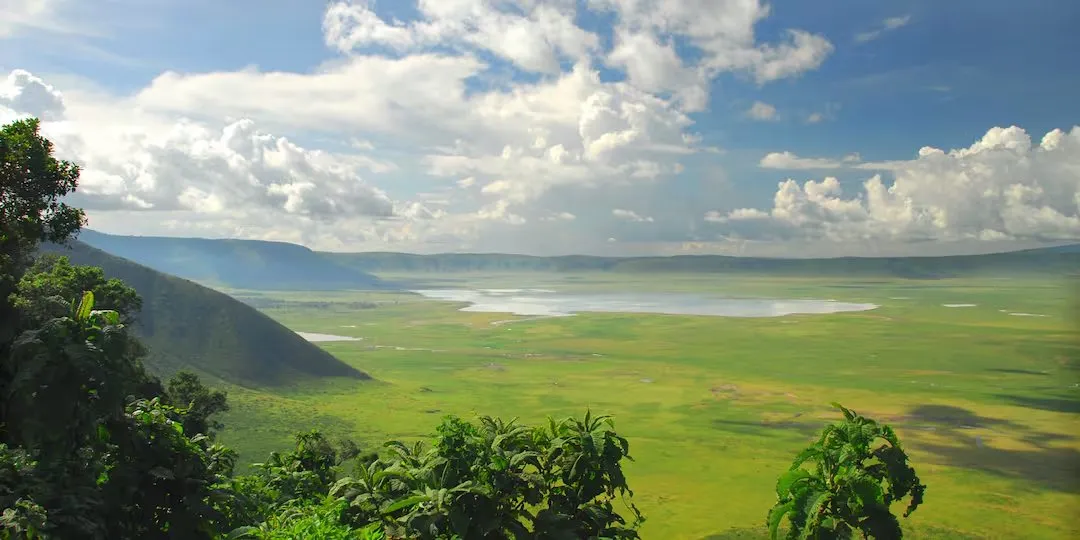
Serengeti to NgorongoroA final morning game drive in Seronera, then the drive south through Naabi Hill and up onto the highlands. You reach the crater rim in the late afternoon, when the forest turns cool and the view opens over the caldera. Sleeping on the rim means being inside the conservation area before the crowds arrive — the descent starts at first light, and the floor is quiet for the first hour.
- Drive
- Seronera → Ngorongoro rim · 3–4 hours
- Signature lodge
- Ngorongoro Serena Safari Lodge4★
- Premium lodge
- Ngorongoro Lodge, Melia Collection5★
- Meals
- Full board
- 08Day 8
Ngorongoro Crater floor
Ngorongoro CraterDown the crater wall around 6:30–7:00, ahead of the day visitors. The floor covers roughly 260 square kilometres and carries one of the highest wildlife densities in Africa: lion, elephant, buffalo, hippo and one of the few populations of black rhino you can reliably see. Giraffe are absent — the walls are too steep for them. Lunch at the Hippo Pool picnic site, then the climb out and the drive back to Arusha.
- Drive
- Crater floor, then back to Arusha · about 4 hours
- Signature lodge
- Ngare Sero Mountain Lodge4★
- Premium lodge
- Elewana Arusha Coffee Lodge5★
- Meals
- Half board
- 09Day 9
Departure
ArushaBreakfast at the lodge, then the transfer to Kilimanjaro International Airport. Check-out is 10am; if your flight leaves in the evening, a day room can be arranged in advance for an extra charge.
- Drive
- Arusha → Kilimanjaro Airport · about 1 hour
- Meals
- Breakfast
04 — Where you sleep
Two tiers, same route
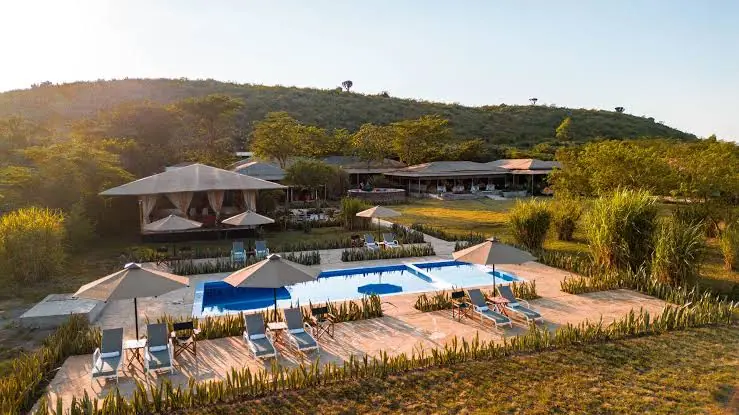
Signature is the comfortable version and Premium takes the best room available each night. Up north the difference is smaller than you would expect: at Lake Natron there is one camp, and at Kogatende even the top tier is a tented camp on the river. That is the point of being there.
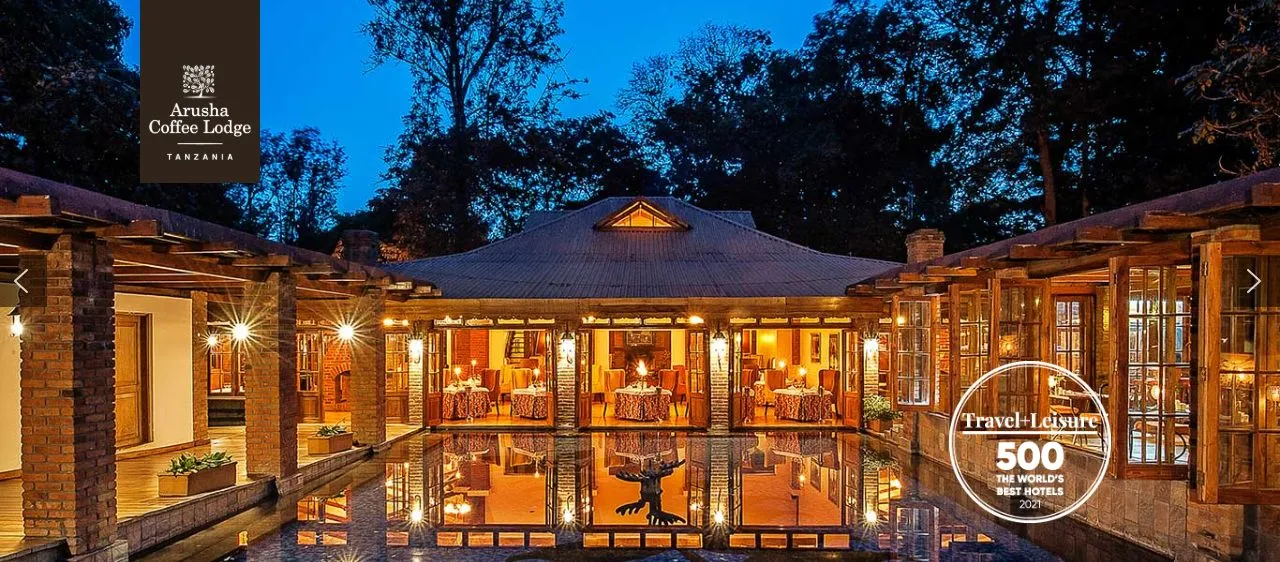
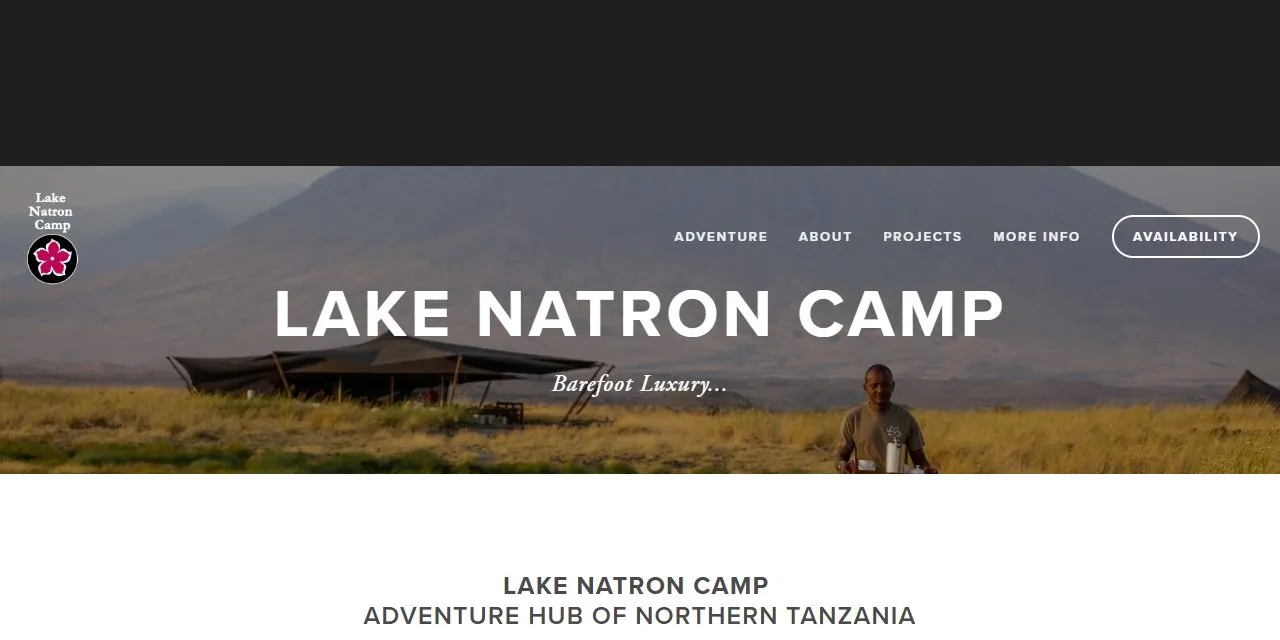
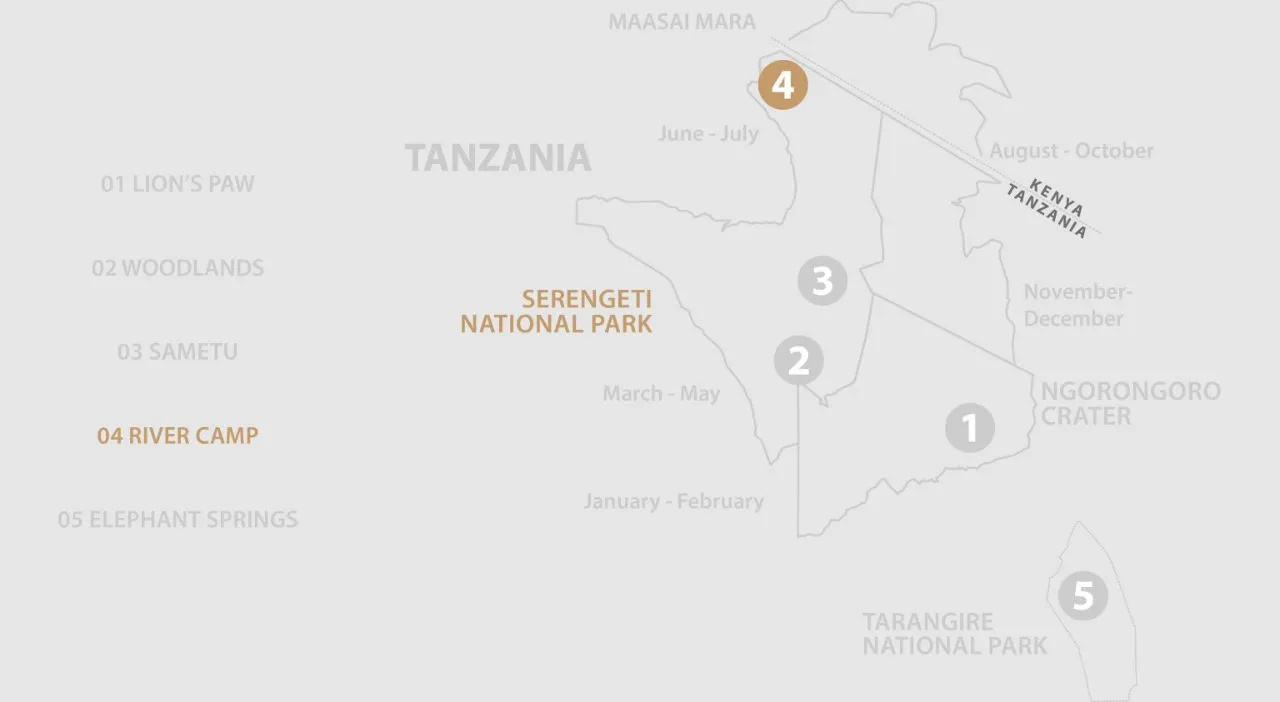
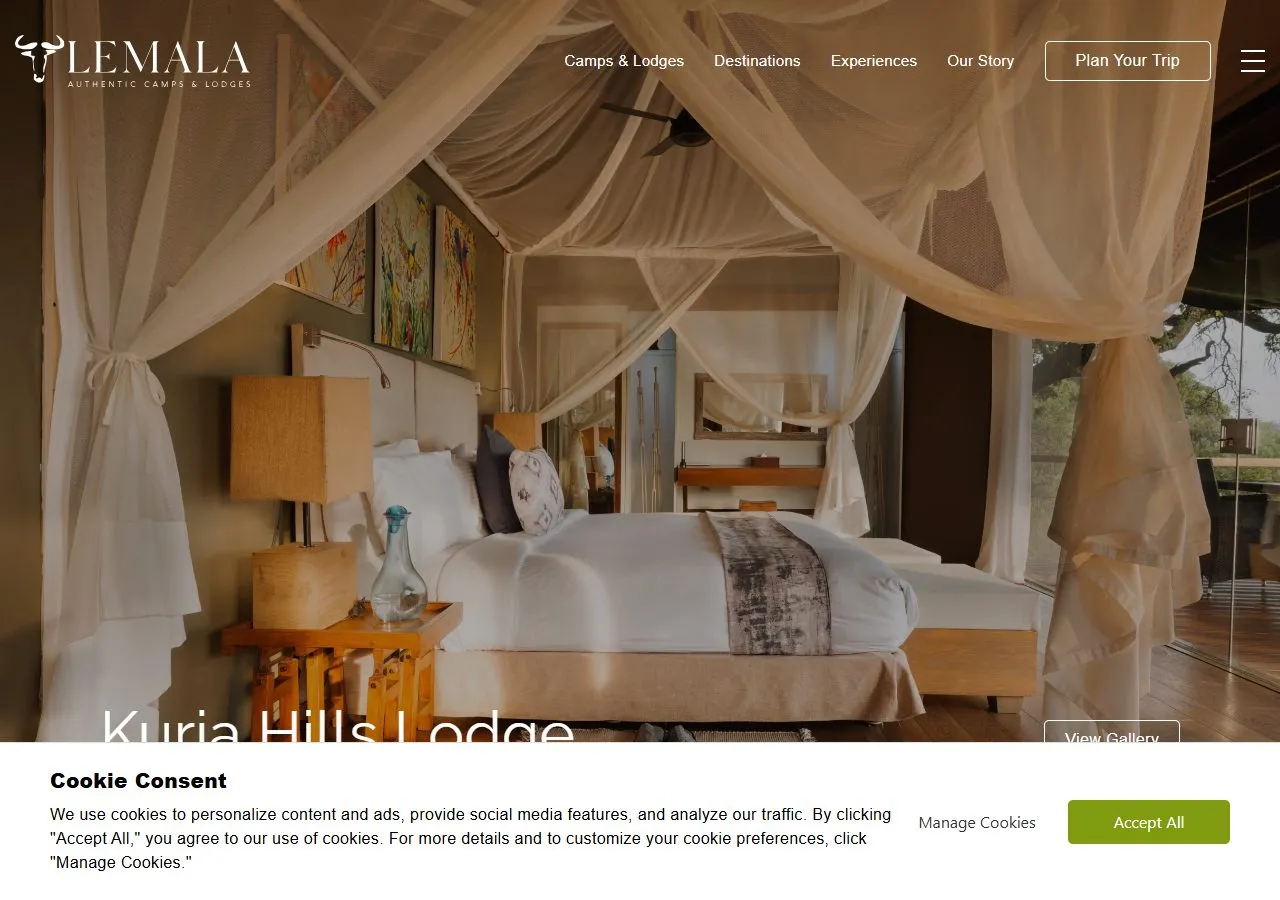
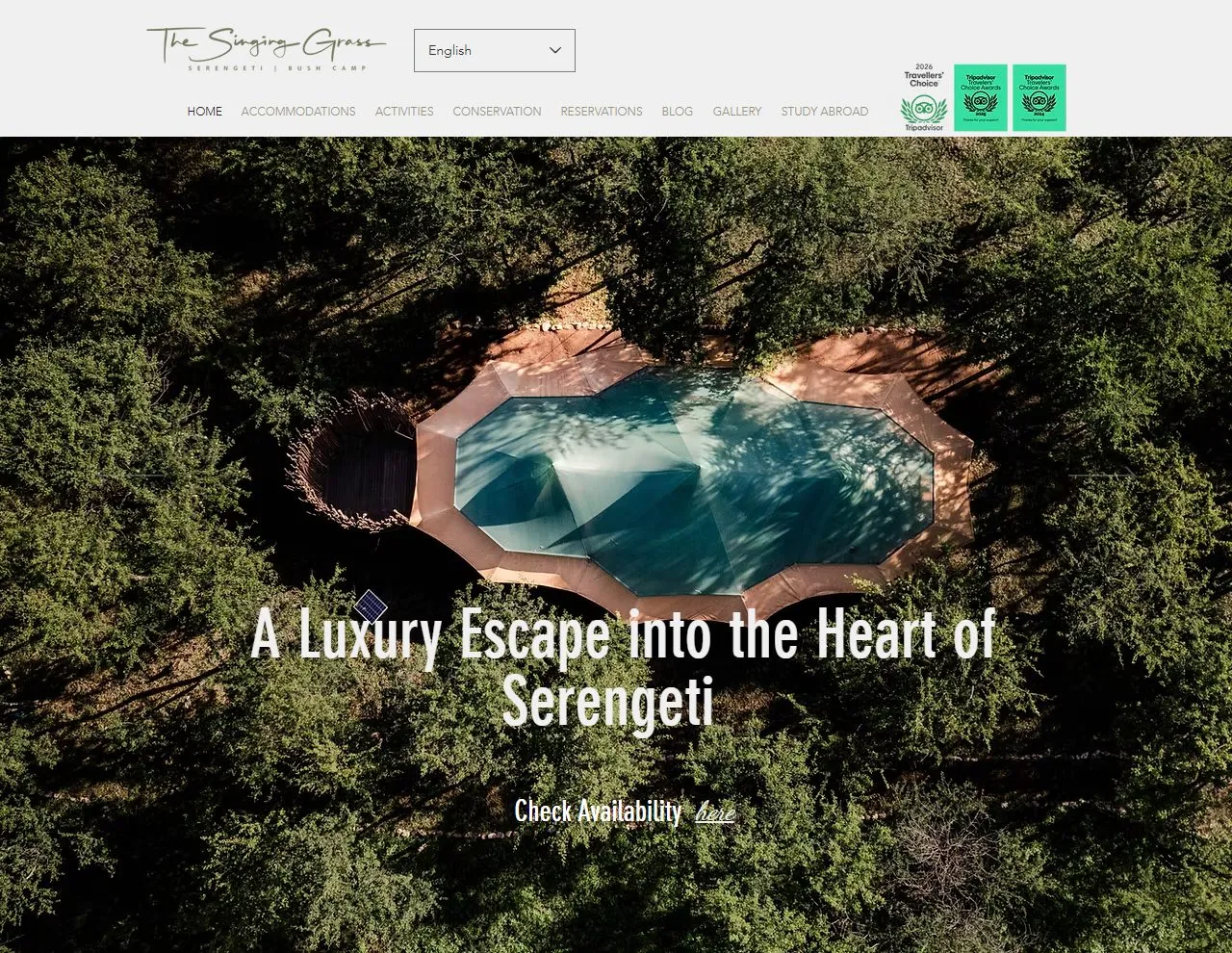
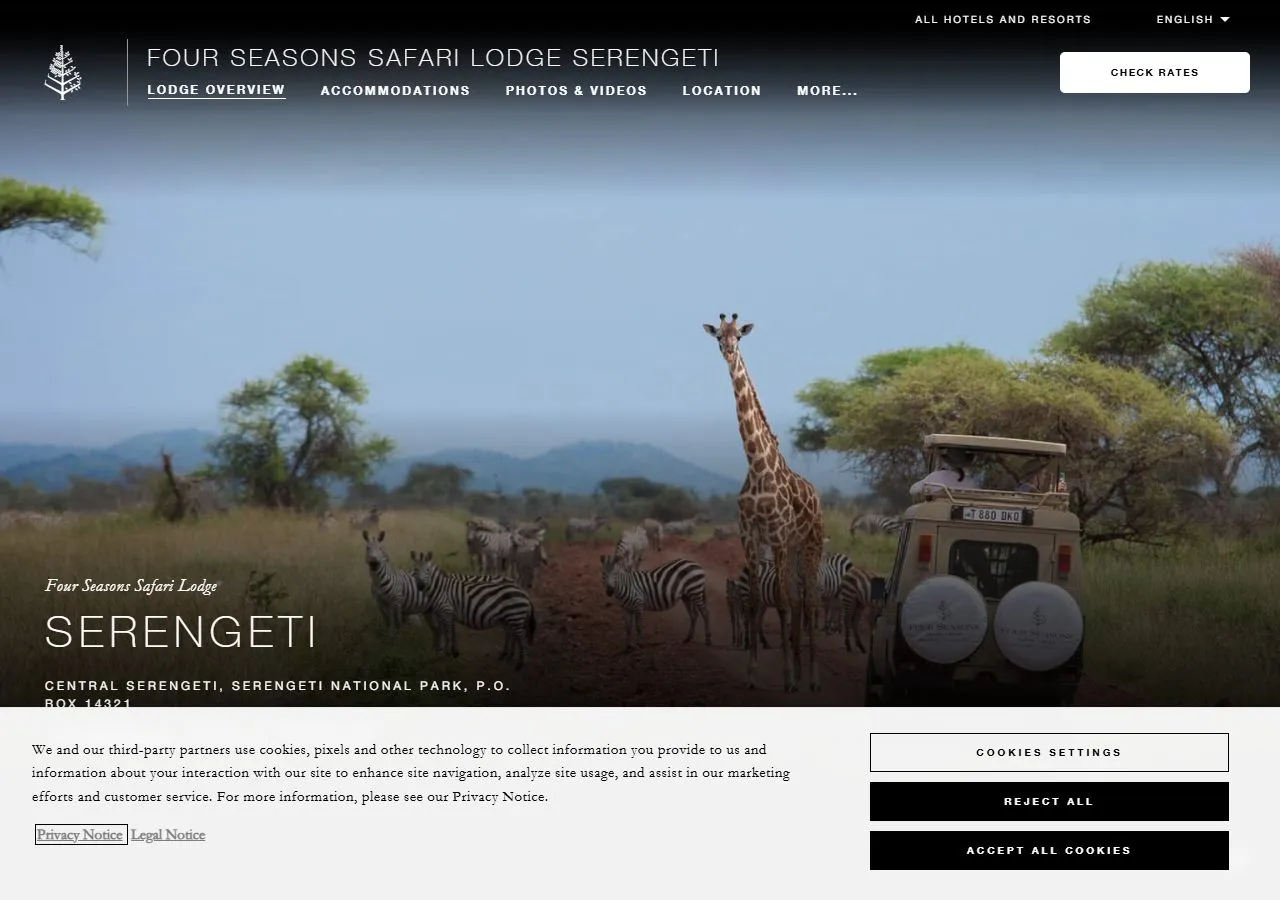
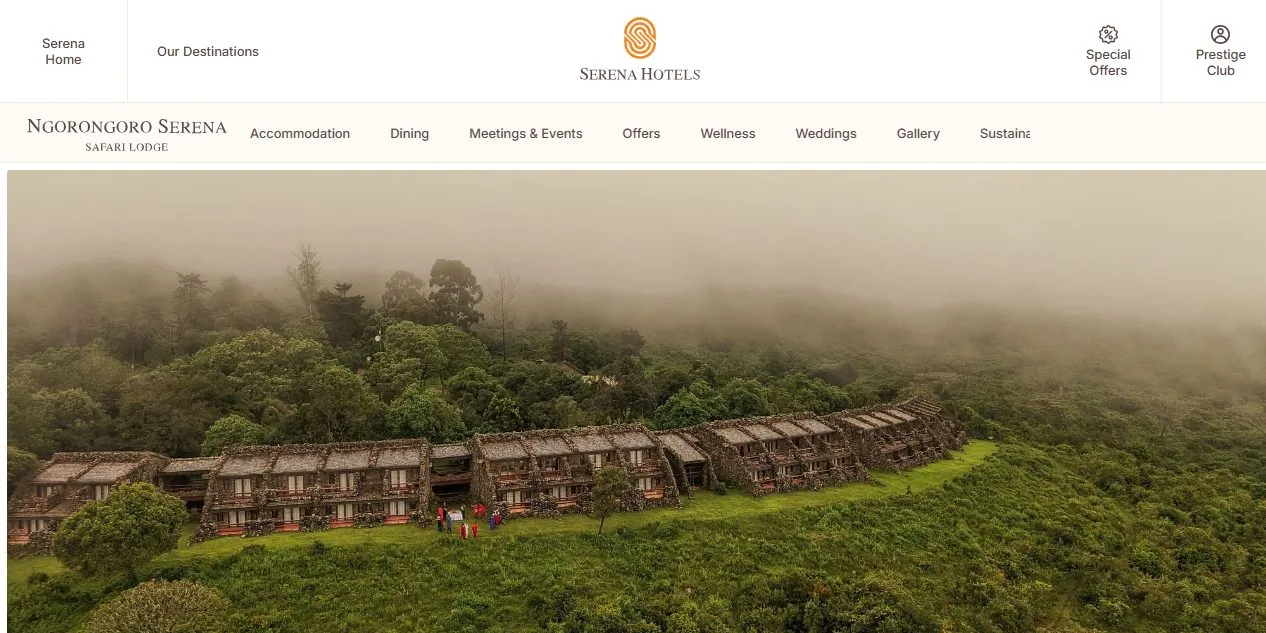
Photos from each property's own website.
05 — Prices
What nine days cost, per person
These are 2026 rates in US dollars, per person sharing. The season runs from 1 July to 31 October and again from 20 December to 10 January 2027 — outside those dates we price the route on your own travel window.
The more people in the vehicle, the lower the per-person rate, because the vehicle, guide and fuel are shared. Four guests is the sweet spot: comfortable in a Land Cruiser and cheaper than a pair.
Travelling with children? Under-16s pay less. Christmas, New Year and Easter usually carry a supplement. We put the exact figure in writing before you pay anything.
Per person
| Guests | Signature3–4★ properties | Premiumbest available |
|---|---|---|
| 1 guest | $9,149 | $11,803 |
| 2 guests | $6,283 | $7,732 |
| 3 guests | $6,135 | $7,995 |
| 4 guests | $5,485 | $6,940 |
| 5 guests | $5,555 | $7,256 |
| 6+ guests | On request | On request |
Price per person sharing, excluding international flights.
Request a quote for these dates06 — What's in, what's not
No surprises on the invoice
Included
7 items- Park and concession fees for Serengeti and Ngorongoro
- Private 4x4 Land Cruiser with a professional guide
- Eight nights of accommodation as listed
- All meals as shown in the itinerary
- Airport transfers in Arusha
- Drinking water in the vehicle
- Crater service fee and descent permit
Not included
6 items- International flights
- Tanzania visa and travel insurance
- Tips for guide and camp staff
- Drinks beyond those served with meals
- Single supplement
- Optional light aircraft flights
07 — When to go
Migration or flamingos — pick your season
The two spectacles peak at different times. If you want the river crossings, come between July and October. If the flamingo colonies matter most, come between September and April. The overlap is September, which is why it is the hardest month to book.
July – October
- Migration
- Northern Serengeti, Mara River crossings
- Flamingos
- Colonies present, nesting starts late September
Peak season. Book early; Kogatende camps sell out.
November – March
- Migration
- Herds move south through Seronera and Ndutu
- Flamingos
- Peak nesting at Lake Natron
Green season. Short rains in November, hot and dry by February.
April – June
- Migration
- Long rains, herds spread across the plains
- Flamingos
- Nesting ends around April
Low season. Some camps close; prices drop sharply.
08 — Questions
What people ask before booking
If your question is not here, ask it directly — you will get a reply from the person who plans the route, not a call centre.
Most people travel between July and October, when the wildebeest herds are on the northern Serengeti plains and the Mara River crossings are possible. Those are also the months the camps charge peak rates. If the flamingos matter more than the crossings, late September to April is when the Lake Natron colonies nest — but the northern Serengeti is at its quietest then, and some Kogatende camps close.
Yes. The last stretch of road down to the lake is rough, rutted and often dusty, and a standard car will not manage it comfortably. Every vehicle on this route is a private 4x4 Land Cruiser with a pop-up roof, a fridge and a guide who knows the track.
Yes. The drive from Lake Natron to Kogatende is the longest day of the trip, roughly seven to eight hours. Scheduled light aircraft fly from Arusha and Seronera into Kogatende airstrip, which cuts the journey to about an hour in the air. The flight is quoted separately and baggage is limited to soft bags of about 15 kg.
The minimum age on this route is 3, and families travel privately so the pace is yours. The long driving days are the real consideration rather than the wildlife: for younger children we usually shorten the Natron leg or fly it. Under-16s pay a reduced rate at most of the lodges.
Very little. This is a driving safari rated easy, with short walks at the Lake Natron springs and around the camps. The crater descent and all game drives are in the vehicle. If you want a walking safari, that can be added in the northern Serengeti with a licensed armed guide.
International flights, the Tanzania visa, travel insurance, tips, drinks outside the included house wines and soft drinks, and single supplements. Park and concession fees, the private vehicle and guide, accommodation, meals as listed and airport transfers are all inside the quoted rate.

Ready to plan your dream adventure?