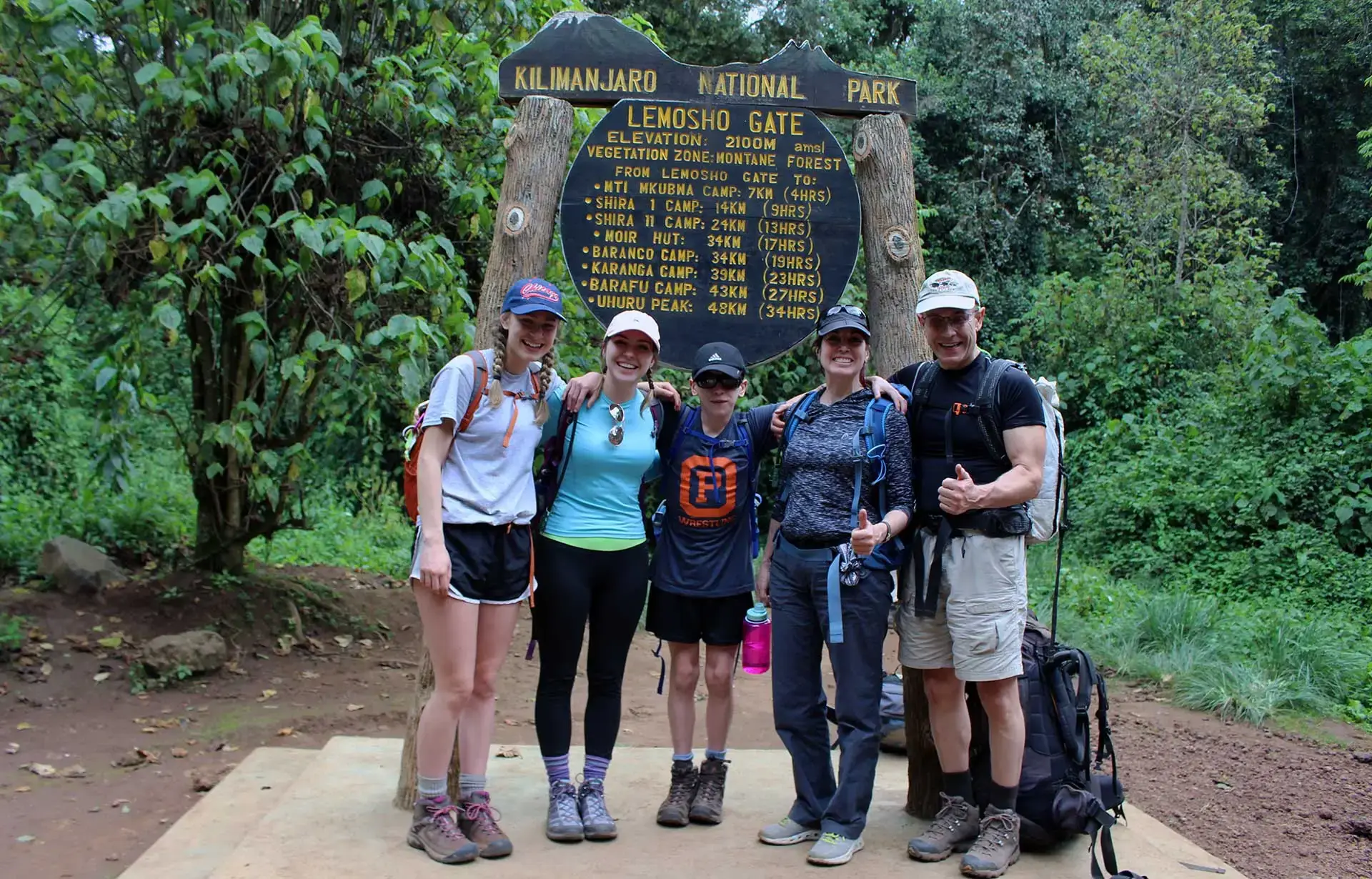
Ask any guide for the single most common Kilimanjaro planning question and it is this: how long does the climb actually take? The honest answer is 5 to 9 days, depending on your route, and the number you choose is the single biggest factor that decides whether you reach Uhuru Peak (5,895 m / 19,341 ft) or turn back early.
Kilimanjaro is not a technical climb, but it is a serious altitude expedition. Extra days on the mountain mean extra time to acclimatise, and extra time to acclimatise is the difference between a ~60% and a ~90% summit success rate. Below we break down every route's duration, the science of why longer is safer, and the exact itinerary length we recommend for different types of climber.
Duration Coach's Note
Short 5–6 day programs are possible but carry a higher risk of altitude illness and lower summit success, unless you are already well acclimatised. When in doubt, book more days. They are the cheapest insurance you can buy on the mountain.
Kilimanjaro Durations at a Glance
Typical Climb Duration
6–8 days gate to gate
Minimum Itinerary
5 days (Marangu route)
Sweet Spot
7–8 days for most first-timers
Longest Route
Northern Circuit, 9–10 days
Extra Day Value
+10–20% summit success
Descent Time
1–1.5 days after summiting
Summit Success (8–9 days)
~90–95%
Total Trip Plan
8–12 days in Tanzania
The Short Answer
Typical duration: 5–9 days for the complete trek, from gate to summit and back to gate. Most climbers choose a 6, 7, or 8-day program.
Recommended for first-timers: 7–8 days provides adequate acclimatisation time and significantly better summit success rates (typically 85–95% vs. 60–70% for shorter routes).
Why it varies: route choice, acclimatisation needs, fitness level, and weather conditions all influence the optimal duration. Two climbers on the same mountain can sensibly choose very different trip lengths.
Route Comparison: How Many Days Each Route Needs
KINAPA (the park authority) publishes minimum durations, but our experience shows that the recommended pace for safety and comfort is usually longer. Below is the practical guide we use when advising guests.
| Route | Distance | KINAPA Minimum | Masatu Recommended |
|---|---|---|---|
| Lemosho | ~70 km / 43 mi | 6 days | 7–8 days |
| Machame | ~62 km / 39 mi | 6 days | 7 days |
| Marangu | ~72 km / 45 mi | 5 days | 6 days |
| Rongai | ~74 km / 46 mi | 5 days | 7 days |
| Northern Circuit | ~98 km / 61 mi | 8 days | 8–9 days ⭐ Best |
| Umbwe | ~53 km / 33 mi | 6 days | 7 days |
| Western Breach | ~52 km / 32 mi | 6 days | 7 days ⚠️ Restricted |
Note on Marangu 5-Day
The 5-day Marangu is NOT recommended for first-timers who want the best summit odds. The 6-day version adds a crucial acclimatisation day at Horombo Hut, a small addition that makes a big difference.
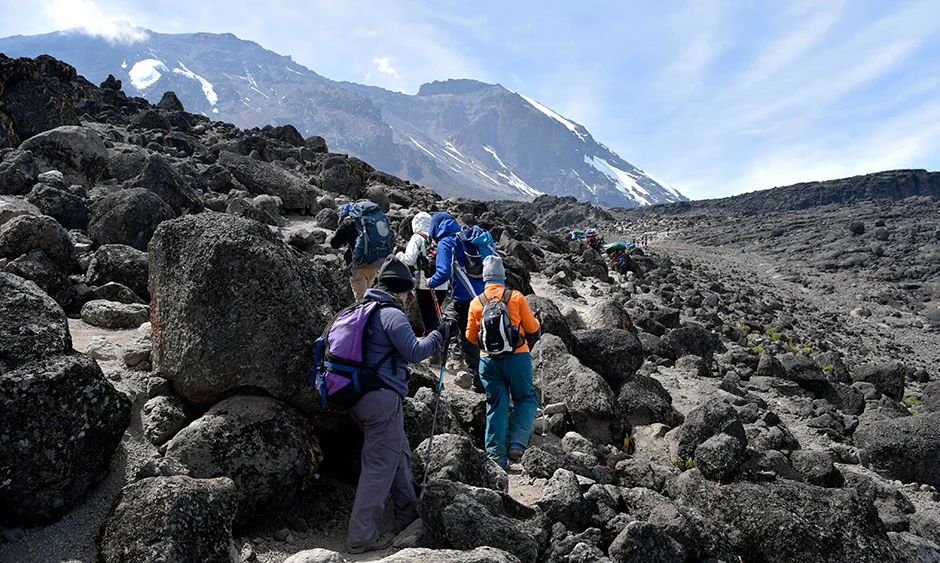
Why is Longer Usually Better?
Altitude, not distance, is the main challenge on Kilimanjaro. The body needs time to adapt:
Deeper breathing: your respiratory rate increases to compensate for lower oxygen
More red blood cells: your body produces more oxygen-carrying cells
Metabolic adjustments: cellular processes adapt to high-altitude conditions
The longer your itinerary, the more "hike high, sleep low" opportunities you have, and that directly reduces the risk of acute mountain sickness and raises your chances of summiting.
Summit Success Rates by Duration
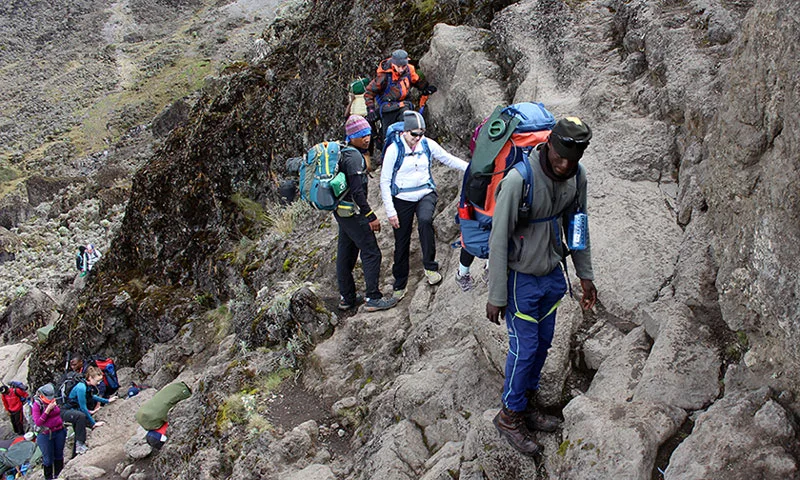
Factors That Affect How Long Your Climb Should Be
Fitness & Trail Experience
Fit hikers recover faster between stages, but fitness does not substitute for acclimatisation. Even Olympic athletes can get altitude sickness.
Recent High-Altitude Exposure
If you've spent time above ~4,000 m recently (within 2–3 months), you can safely consider shorter programs.
Age & Health
Families, older travellers, or those with prior altitude sensitivity should pick longer itineraries (8+ days recommended).
Route Choice
Routes like the Northern Circuit give extra acclimatisation days naturally; direct routes like Umbwe are steeper and need a slower schedule to be safe.
Weather & Season
Storms, heavy cloud, and trail conditions may slow progress and sometimes add an extra day. Read our Best Time to Climb guide for seasonal planning.
Choosing the Right Duration
Who Should Choose 5–6 Day Climbs?
Only travellers who are already well acclimatised, for example those who have been living or training at altitude recently, or elite athletes used to extreme ascents.
For most guests, we do NOT recommend 5-day programs because they leave little margin for adaptation.
Who Should Choose 7 Days? ⭐ Sweet Spot
This is the Masatu Tours sweet spot for most first-time climbers:
Adequate acclimatisation with "hike high, sleep low" built in
Time to enjoy the scenery without rushing
Strong summit success rate (85–90%)
Doesn't take too many vacation days
Who Should Consider 8–9 Day Itineraries?
Choose 8–9 days if you:
Prefer a relaxed pace with shorter daily hiking stages
Are climbing with children or older family members
Want extra acclimatisation after prior altitude problems
Simply want more time to savour the mountain
The Northern Circuit is ideal for this approach, it offers the highest success rates and best acclimatisation profile.
Descent Time & What to Expect After the Summit
After summiting at sunrise, the descent usually takes 1–1.5 days:
Summit day
Reach Uhuru Peak at sunrise (~5:30–7:00 AM), then descend to a lower high camp (Barafu, Mweka, or Horombo) for rest, this takes 4–6 hours.
Final day
Continue down to the park gate and exit that afternoon (3–5 hours).
Post-climb
Transfer back to Moshi for a celebratory meal and rest.
Expect tired legs but great spirits, you've just conquered Africa's highest peak! Most climbers receive their summit certificates at the gate before departure.
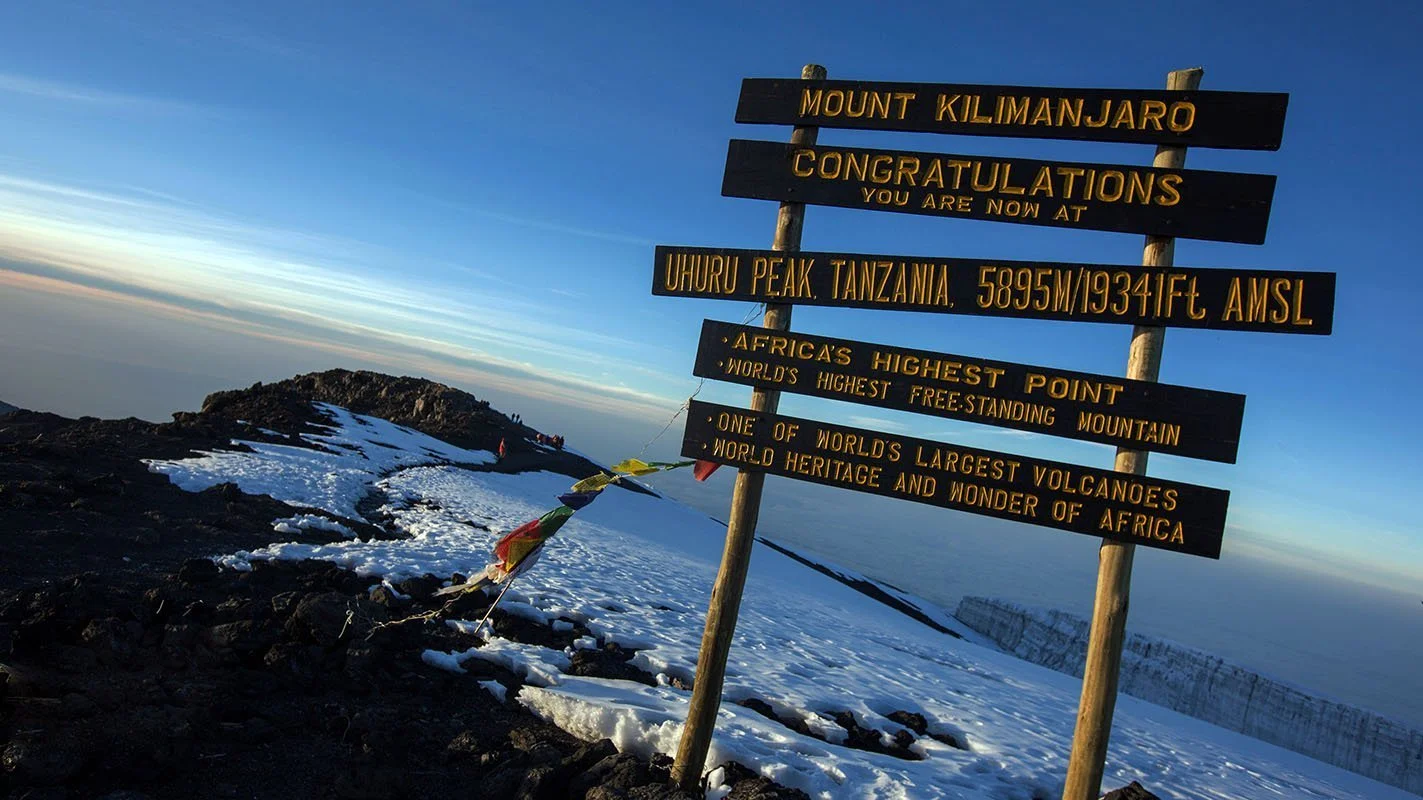
Can Kilimanjaro Be Done in Under 5 Days or in One Day?
Not Recommended for Regular Climbers
Technically, yes, but virtually never for ordinary travellers. The park minimum is 5 days; anything shorter is high-risk and requires special permits.
A handful of elite skyrunners and exceptional athletes have made round trips in under 8–10 hours, but these are extreme performances for people with:
- Extraordinary acclimatisation from living at high altitude
- Elite cardiovascular fitness (VO2 max 70+)
- Extensive high-altitude mountaineering experience
- Professional support teams and medical monitoring
These are NOT a model for regular trekkers. Attempting speed ascents without proper preparation can be life-threatening.
Notable record: The current fastest known time (FKT) for a Kilimanjaro round trip is under 7 hours, set by professional trail runner Karl Egloff in 2014.
Masatu Tours Recommendations
If you have no recent high-altitude exposure:
Choose 7–8 days for optimal acclimatisation and enjoyment.
If you want the highest possible summit odds:
Choose 8–9 days or the Northern Circuit for more relaxed hiking and 90–95% success rates.
If you're short on time but have prior acclimatisation:
Speak with us, we'll assess your history and advise whether a shorter program is safe for you.
"Pole Pole", Slowly, Slowly
On Kilimanjaro, the best strategy is patience. Walking pole pole, staying well hydrated, joining acclimatisation hikes, and trusting experienced guides are the proven ways to reach Uhuru Peak safely.
Frequently Asked Questions
Conclusion: Give Yourself the Gift of Days
Nobody summits Kilimanjaro on accident. The climbers who reach Uhuru Peak are the ones who booked enough days on the mountain, walked slowly, hydrated relentlessly, and let their bodies adapt to altitude before asking for more.
A 5-day route can feel like a bargain, until you are at Barafu Camp at midnight with a splitting headache. Choose 7–8 days as your starting point, stretch to 8–9 for the Northern Circuit, and your summit odds climb from about two-in-three to almost guaranteed.
Ready to Choose Your Kilimanjaro Adventure?
If you want help choosing the right route and duration for your fitness and calendar, Masatu Tours will tailor a plan that puts safety and success first. Tell us your dates and experience, we'll recommend the itinerary that gives you the best chance of seeing that sunrise from the roof of Africa.
Continue Your Kilimanjaro Planning
How to Prepare for the Climb
Complete step-by-step preparation guide
Best Time to Climb Kilimanjaro
Month-by-month weather and season guide
Kilimanjaro Climbing Costs
Complete breakdown of trek expenses
Is Kilimanjaro Difficult?
Fitness requirements and challenge level
Ultimate Packing List
Essential gear for your Kilimanjaro trek
Uhuru Peak Guide
Facts, history, and summit information
Last updated: August 2, 2026. Durations and success rates verified against current KINAPA guidance and Masatu Tours climb data.
