Let's be honest: preparing your first safari in Tanzania can quickly lead to information overload. Between conflicting advice on technical gear and endless browser tabs comparing lodges, the excitement often gets lost in logistics.
We get it. The internet makes safaris look complicated, but here is the secret: once you have the right keys, it is simple.
Our ground team lives and breathes the Tanzanian wilderness. Let's clear the air, bust a few myths, and get you ready for your adventure smoothly, elegantly and stress-free.
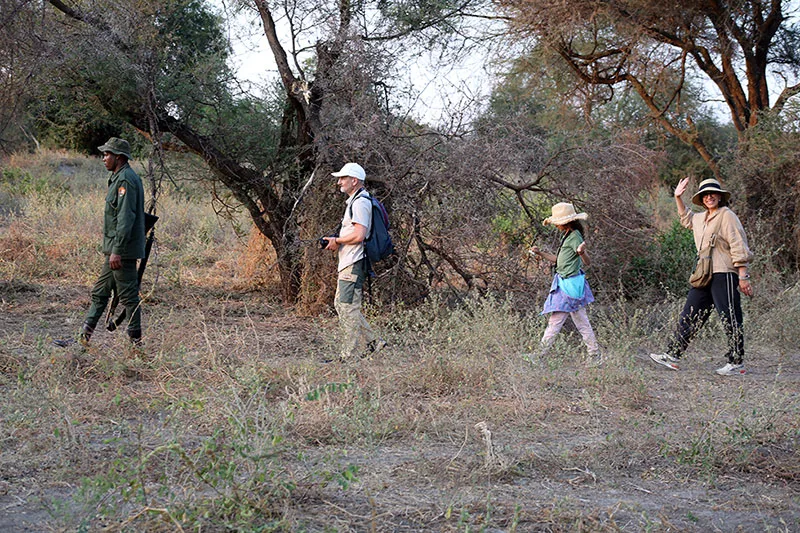
Key Facts
For a first safari, the Northern Circuit is the strongest route: it connects the three parks with the highest wildlife density in the country. Budget USD 400 to 600 per person per day for a private vehicle and a mid-range camp, at least five days - seven is the sweet spot - and pack neutral layers for a temperature swing from roughly 5°C at dawn on the Ngorongoro rim to 28°C at midday. Entry needs a passport valid for six months and a visa, best obtained online before you fly. Park fees are fixed and set by the government, and they are the single biggest line in your budget.
Which Safari Route Makes the Most Sense for a First Trip?
The best route for a first-time safari in Tanzania is the Northern Circuit, which connects the country's most iconic and wildlife-dense national parks. Rushing through the whole country means spending more time on asphalt than watching lions.
The circuit works because it stacks three parks with completely different characters within a few hours' drive of each other. Tarangire is the great underdog: fewer vehicles, extraordinary elephant and buffalo concentrations, and a dry, ancient baobab landscape. Ngorongoro Crater is a self-contained world where you can see all five of the Big Five in a single day. And the Serengeti delivers scale - the plains that carry the Great Migration and more than 1,500 species of bird.
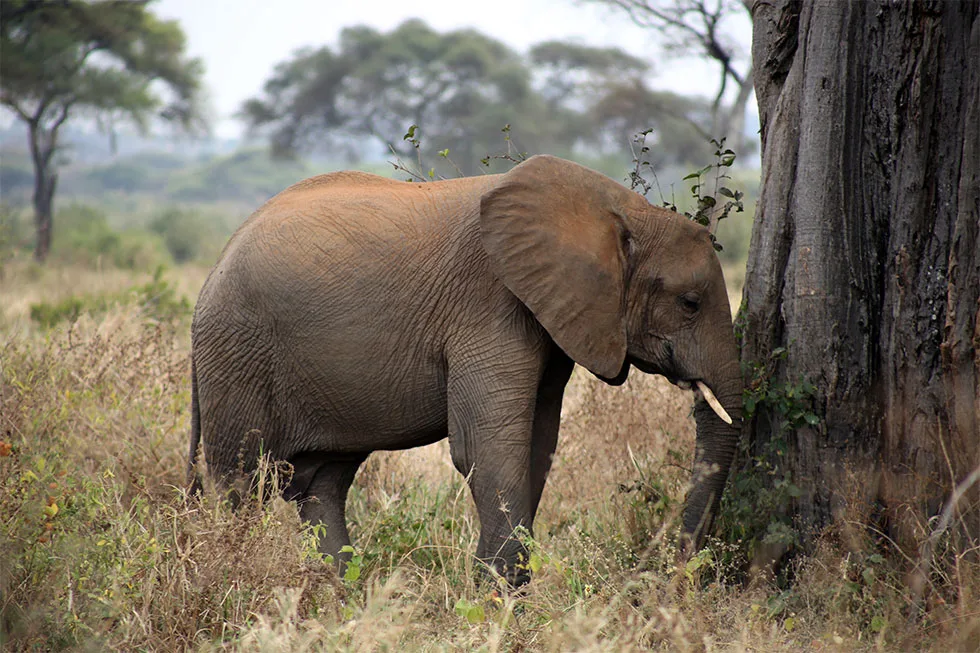
Northern Tanzania's park fees and rules are set by Tanzania National Parks (TANAPA), and official park information for each circuit stop is worth reading before you book. If the Great Migration is the main reason you are coming, check the month-by-month movement first and let that set your dates - our month-by-month guide explains exactly when the herds are where.
The Myth to Drop
You do not need to see 'the whole country.' Southern Tanzania is magnificent - Nyerere, Ruaha and Katavi are remote and wild - but adding them to a first trip dilutes the time you spend with the animals. Two or three parks done slowly will beat six parks done at speed.
Two Ready-Made Routes Our Team Recommends
To keep your choices simple and highly rewarding, our local team recommends two classic formats.
Option 1: The Bush and Beach Balance
Tarangire, Ngorongoro, Serengeti and Zanzibar
Perfect if you want to experience everything. Spend your first week tracking the Big Five in Tarangire, Ngorongoro and the Serengeti, then catch a short flight to Zanzibar and let the emotions settle on white-sand beaches.
View This ItineraryOption 2: The Pure Safari Experience
The classic Northern Circuit
Intense and immersive. If your time is limited, or your absolute priority is wild nature, this route takes you straight to the beating heart of Africa's most famous plains with no beach time at all.
View This Itinerary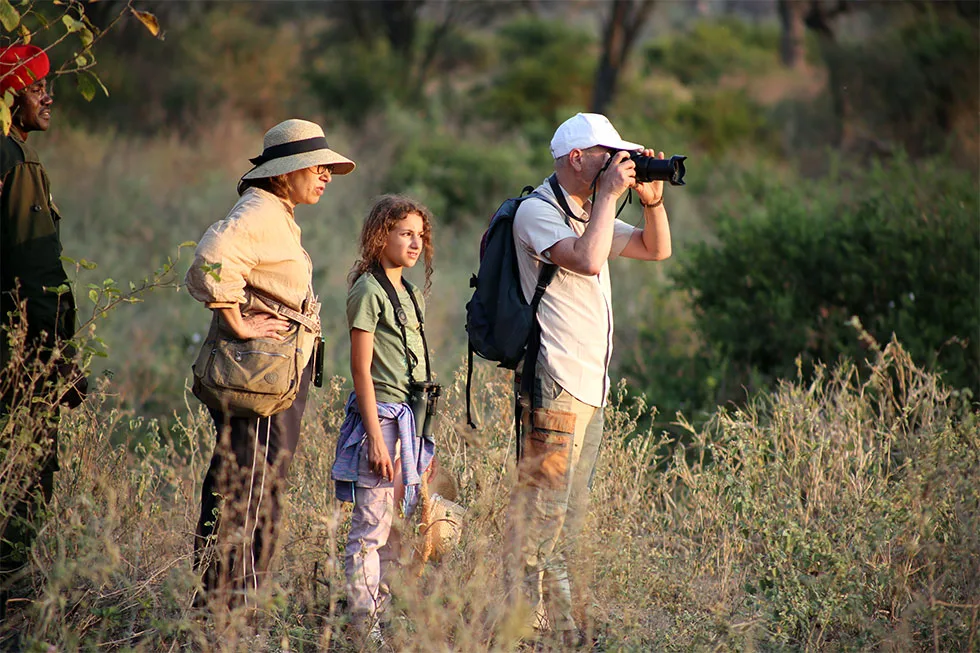
Both formats can be extended or shortened. If you have nine or ten days, add Lake Manyara for the escarpment, escarpment forest and baboons. If you only have five, cut Zanzibar and keep Tarangire, Ngorongoro and two nights in the Serengeti - our 5-day safari itinerary is built exactly that way.
What Should I Pack for a First Safari in Tanzania?
The golden rule for safari clothing is to pack versatile, neutral-coloured layers. You do not need a brand-new explorer wardrobe to look like Indiana Jones; you likely already have everything you need in your closet. Temperatures in the savannah shift dramatically between dawn and noon, making smart packing essential.
5°C
Early morning
On the rim of the Ngorongoro Crater, dawn can be surprisingly crisp.
18°C
Mid-morning
The sun climbs fast once the vehicle is moving. This is the layer you peel off first.
28°C
Midday
Unbearable on open plains. You will spend the hottest hours at camp, not in the vehicle.
"Onion Strategy"
Simply layer your clothes. Start with a light t-shirt, add a warm fleece, and top it with a windbreaker. You can easily peel them off as the day warms up - and a pop-up roof at the vehicle gives you full 360-degree viewing and light control, so adapt as the morning moves.
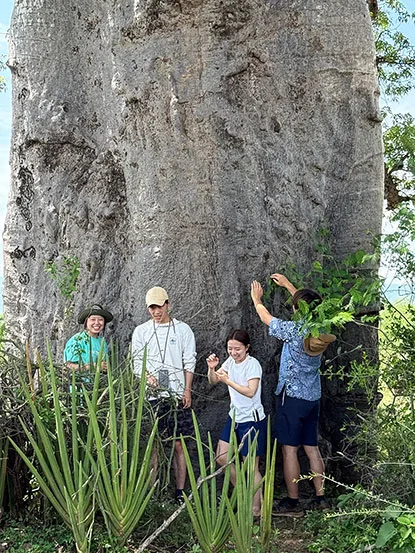
The short packing list
- 3-4 lightweight t-shirts or long-sleeve shirts in beige, khaki, olive or soft brown
- 1 warm fleece or mid-layer, plus 1 windbreaker or light waterproof jacket
- 1 pair of comfortable closed walking shoes for camps and walking safaris, plus sandals
- Long trousers and a top that covers shoulders and knees - this is a real requirement in many camps
- A wide-brimmed hat with a chin strap, sunglasses and SPF 30+ sunscreen
- Refillable water bottle, personal medication in original packaging
- Binoculars, a spare camera battery, a small power bank and an adapter socket for your phone
- Sunscreen and lip balm with SPF - the sun here is unforgiving, and reapply constantly
Soft laundry is available at most camps for a small fee, so seven days really needs five days of clothes. For a full breakdown see our Tanzania safari packing list and what to wear on a safari.
The Colour Code: What to Wear and What to Avoid
Stick to lightweight clothes in beige, khaki, olive green and soft brown. Avoid dark blue and black because they actively attract tsetse flies in certain areas, and skip bright white as the beautiful orange dust of the tracks will claim it permanently.
Recommended colours
Camouflage-inspired tones blend into acacia woodland and dusty plains, keep you cool, and cut down on insect attention.
Colours to avoid
Blue and black draw tsetse flies, bright colours are conspicuous to animals and beloved by mosquitoes, and white never survives red-dirt roads.
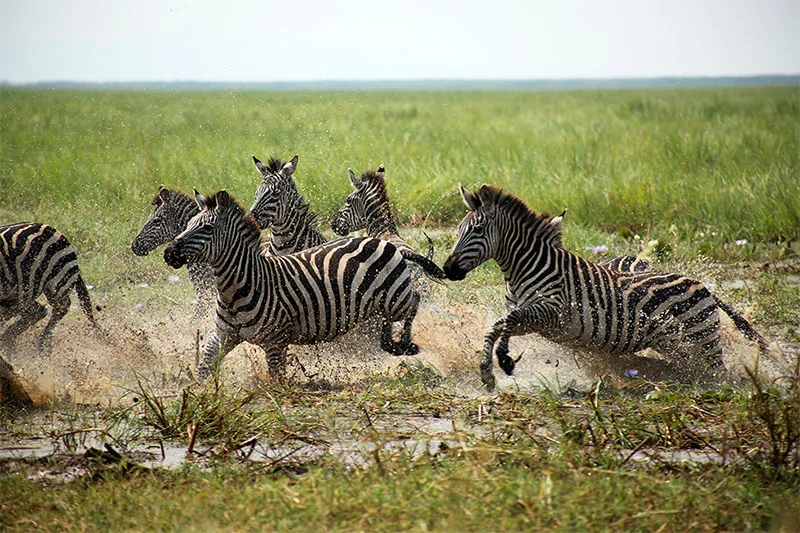
One more rule matters more than colour: respect the local culture. Many Maasai villages and Maasai-run camps ask women to cover shoulders and knees, and photographs of people should always be asked for first. A scout's full guide to the circuit's cultural etiquette covers this in detail.
What Does a Typical Daily Schedule Look Like?
A typical safari day follows a well-established, addictive rhythm that pairs early morning and late afternoon game drives with a long, relaxing midday break. You will not be staring at empty grass for hours; the landscape changes constantly, and the day flies by.
05:30 - 06:00
Wake-up call, tea and toast
You are in the vehicle and moving in the half-light, which is exactly when the bush is most active.
06:15 - 09:30
Morning game drive
Cool hours, low sun and animals at their most lively. Predators hunt, elephants feed, and birds are hardest to miss.
10:00 - 12:00
Mid-morning drive or bush walk
A walking safari around camp, or a longer drive into the park's quieter corner for birds and tracks.
12:30 - 15:30
Lunch and the long midday rest
The sun is punishing at noon. This is the traditional pause - a long, cool lunch at camp, a swim, a nap, or a hammock.
15:30 - 18:00
Afternoon game drive
Light softens, temperatures drop and the animals come back out. This is often the best-sourced drive of the day.
18:00 - onwards
Sundowners, dinner and camp
Drinks as the light goes orange, then dinner under canvas, and silence except for the sounds of the bush.
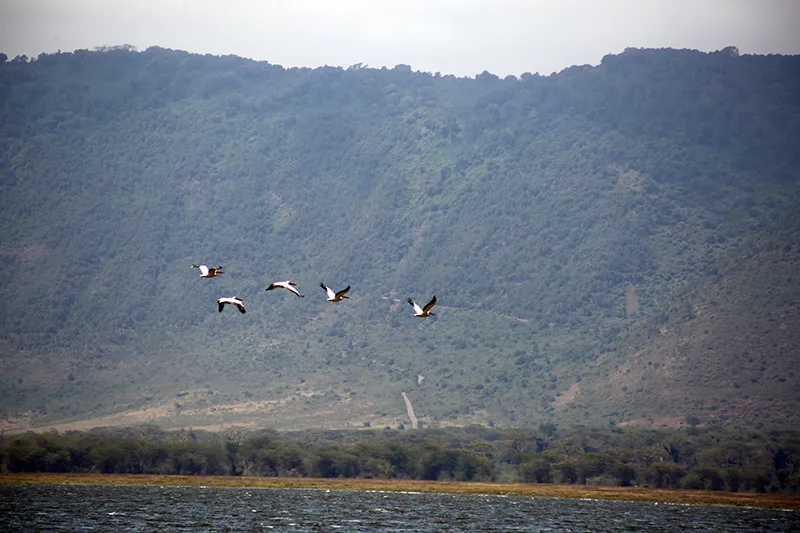
The rhythm is not negotiable - animals are most active in the cool hours, and the midday heat is genuinely dangerous for both wildlife and you. Our first-timer's guide to a day on safari walks through the details, including how to position yourself for the best light.
Lodges vs Tented Camps: Where Will You Sleep?
Travelling to the heart of the wild does not mean compromising on comfort. Accommodation options in Tanzania range from luxury solid-structure lodges to permanent tented camps, both offering high-end amenities, private plumbing and absolute safety.
Safari Lodges
Elegant boutique buildings built with local stone and wood. They offer the familiar luxury of a premium resort, often featuring swimming pools overlooking local watering holes, full room service and air conditioning.
Best for: comfort-first travellers, families, cold mornings.
Tented Camps
The epitome of luxury canvas. Real king-sized beds, fine linens, wooden floors, private flushing toilets and hot running showers. You fall asleep to the distant, peaceful sounds of nature while tucked safely in total luxury.
Best for: immersion, couples, the safari purist.
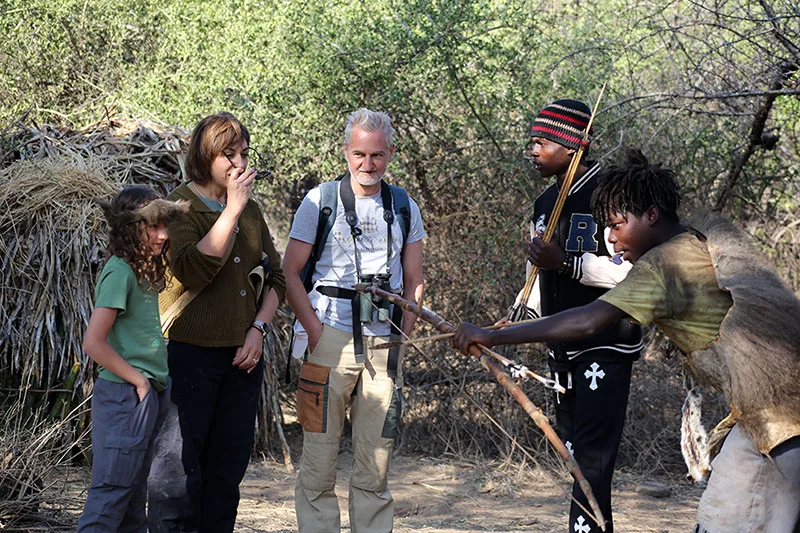
Your Safety Is Our Priority, 24/24
The camps are entirely secure, patrolled 24 hours a day by local Maasai rangers who accompany you to your tent after dark. You will never walk from the main tent area to your room unescorted - a small ritual that guests almost universally come to love.
Choosing between them is really a question of how close you want to be to the bush. Our guide to the best safari lodges in Tanzania compares them park by park, and private versus group safaris covers the other decision that shapes your daily comfort.
Is There Wi-Fi and Electricity During a Safari?
True luxury means not having to worry about the practicalities of modern life while deep in the bush. All custom safari four-by-four vehicles are equipped with built-in power sockets and USB ports, allowing you to charge your camera and phone seamlessly while on the move - the fridge on board is stocked with cold water for the same reason.
When it comes to staying connected, most lodges offer Wi-Fi in their main lounge areas, perfect for sharing your best photos at the end of the day. The speed matches the slow, peaceful rhythm of the savannah - serving as an excellent excuse to unplug. If you absolutely need data on the road, a local eSIM can be quickly set up at the airport upon arrival.
In the vehicle
Power sockets and USB ports in every custom four-by-four, so you never arrive at camp with a dead battery.
At camp and lodge
Solar power is standard at permanent camps, with charging points in your room and in the main lounge.
Wi-Fi reality
Lounge areas at most mid-range and luxury camps. Rarely in your tent, and rarely fast. Treat it as a bonus, not a plan.
If working remotely is a hard requirement, tell us before you book and we will be honest about which camps can genuinely support it - and which ones will not.
How Much Does a First-Time Safari in Tanzania Cost?
One of the most frequent questions we hear is about budget. The reality is that a safari is inherently an exclusive, logistically complex experience - and the same trip costs very different amounts depending on three things.
Where does the money go?
Conservation first (fixed park fees)
A very significant part of your budget goes directly to government-regulated park fees. These fund wildlife conservation, anti-poaching units and park maintenance to preserve these fragile ecosystems for future generations. They are fixed by law and identical for every traveller - they are not a markup.
Logistics in remote areas
Running a luxury lodge or tented camp miles away from modern civilisation is an incredible feat. Clean water, solar energy, waste management and fresh gourmet food must be transported deep into the wilderness. You are paying for the luxury of absolute comfort in the most remote places on Earth.
Private infrastructure
Your price includes a heavy-duty, specially modified four-by-four vehicle and the undivided attention of an expert, certified local guide - plus the road transfers, fuel and vehicle maintenance that keep them moving.
Travel styles and price tiers
Estimated per person, per day, on the Northern Circuit:
| Tier | Per day | Best for | What you get |
|---|---|---|---|
| Group Trip | USD 250 to 350 per day | Solo travellers and tight budgets |
|
| Mid-Range Comfort Safari | USD 400 to 600 per day | The classic first safari |
|
| Luxury Safari | USD 700 to 1,200+ per day | Privacy and premium locations |
|
| Diamond Luxury and Beyond | USD 1,500+ per day | No-compromise private journeys |
|
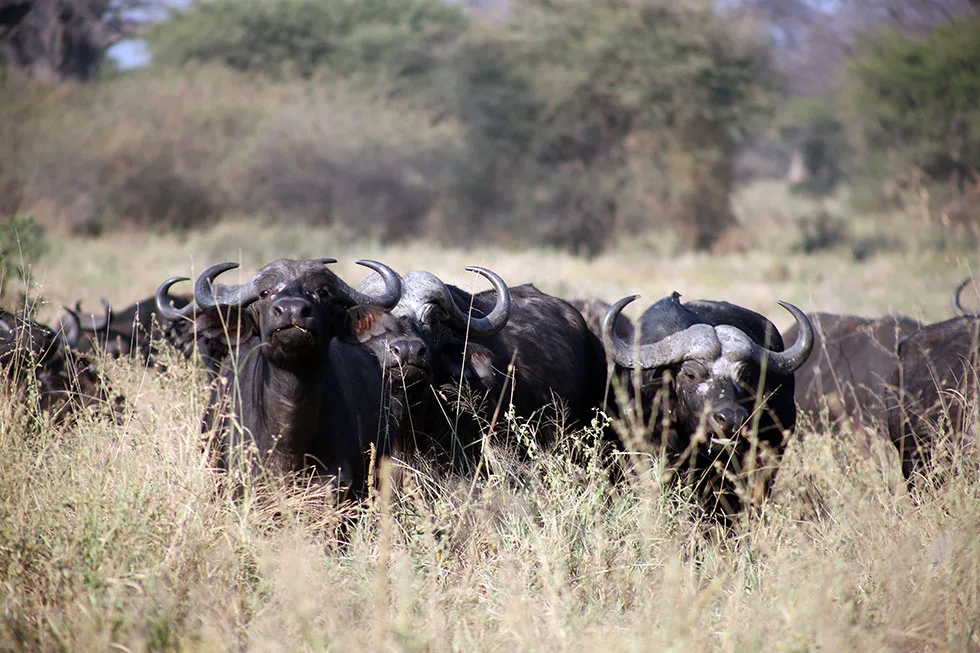
For a clearer figure, work from the total rather than the daily rate - park fees are fixed, so more days means better value per day. Our what a safari costs in Africa guide breaks down real package pricing, and Tanzania safari cost for two people covers the solo-versus-pair maths that changes your numbers most.
Visa, Health and Local Rules for Tanzania
The entry requirements for Tanzania include a passport valid for six months and a tourist visa, which is best secured online before departure to avoid airport delays. Current requirements are published by Tanzania's Immigration Department and summarised by the IATA Travel Centre - check both a few weeks before you fly, since fees and forms change.
E-Visa advantage
Do not waste your first hour in Africa standing in a long payment queue at Kilimanjaro airport. Apply for your Tanzania e-Visa online through the official portal - eservices.immigration.go.tz - a few weeks before your trip to breeze through arrivals.
Health
Consult your travel clinic early regarding malaria prophylaxis and routine boosters - the CDC and the WHO are the authoritative references. A Yellow Fever certificate is only legally required if you enter Tanzania from an endemic country or have a long airport layover there - WHO guidance explains the rule.
Local Touch
English is widely spoken across Tanzania, but a few Swahili words go a very long way in opening hearts. Jambo (hello) and asante sana (thank you very much) will always be met with giant smiles. Karibu means welcome, and you will hear it constantly.
Art of Tipping
Tipping your guide and lodge staff is a proud local tradition and a vital part of safari culture. Plan around USD 10 to 15 per day for your guide. Important detail: if you bring US dollars, ensure the bills are crisp, clean and printed after 2006, as older notes are rejected locally. Our full tipping guide covers camp and lodge staff.
For the wider picture, read our Tanzania travel tips and the dedicated guides to the Tanzania visa and national park rules. Current UK government advice is at FCDO travel advice for Tanzania.
Are Safari Road Transfers Comfortable in Tanzania?
While moving between Tanzania's vast national parks involves travelling across unpaved roads, you will ride in private, heavy-duty four-by-four vehicles designed specifically for comfort and panoramic viewing.
Yes, the tracks can be bumpy - a lively experience locals affectionately call the "African massage". But you will never be crowded. Your vehicle features guaranteed window seats, a fridge stocked with cold water, and a pop-up roof for 360-degree viewing. The drive itself is part of the story, crossing vibrant Maasai villages and watching the landscapes shift right outside your window.
Good to know
Road transfers between parks can run four to six hours on the circuit. Ask your driver to stop at viewpoints and markets en route - that is genuinely part of the journey, not dead time.
Fly-in alternatives
Light aircraft can connect you directly between airstrips, skipping long dusty transfers entirely. Worth it if you are short on days or want remote camps. Coastal Aviation and Airstar are two of the operators on the northern circuit.
If long transfers are a concern, northern versus southern Tanzania explains the trade-offs, and our guide to how many days you actually need helps you decide where to spend them.
Why Book Your First Safari in Tanzania With Us?
100% local expertise
Our headquarters are right here on the ground in Tanzania. We do not just sell the destination; we live it every single day.
Private and tailor-made
No crowded tour buses. You get your own private four-by-four, your own dedicated expert guide, and an itinerary crafted exclusively around your rhythm.
Direct and transparent
Booking directly with us means no middlemen, better communication, fairer pricing, and immediate, direct support whenever you need it.
You can read more about how we work in our Safari Expert & Operator guide, and how our guides are trained in what a professional safari guide does.
Ultimate Peace of Mind: The Hakuna Matata Package
Always wondered why Pumbaa from The Lion King was so happy? Because of Hakuna Matata - a worry-free life. That is exactly what we want you to experience.
We know that long-distance travel can sometimes bring unexpected surprises. That is why our exclusive Hakuna Matata Package is built to guarantee a completely zero-stress holiday. If a flight you booked through us is delayed or cancelled, or if you encounter any unexpected car trouble during your safari, our local ground team takes care of everything instantly - entirely free of charge.
Flight protection
Delayed or cancelled flights sorted by our ground team at no cost to you.
Vehicle cover
Unexpected breakdowns handled instantly, with no charge and no paperwork from you.
Flexible cancellation
Fair and flexible cancellation policies decided before you leave home.
24/7 on the ground
A real person in Tanzania answering your call, at any hour of any day.
Leave the Spreadsheet Behind
You can spend another forty hours reading forums, or you can let people who actually live here handle the heavy lifting. The moment you step into your safari vehicle and your guide turns the key, the spreadsheets disappear. The logistics blur into the background, replaced by the silence of the savannah and the silhouette of an elephant against the sunrise.
Let us handle the details. Reach out to our team on the ground, tell us what you are visualising, and let's begin designing your first Tanzanian story.
What You Will Actually See
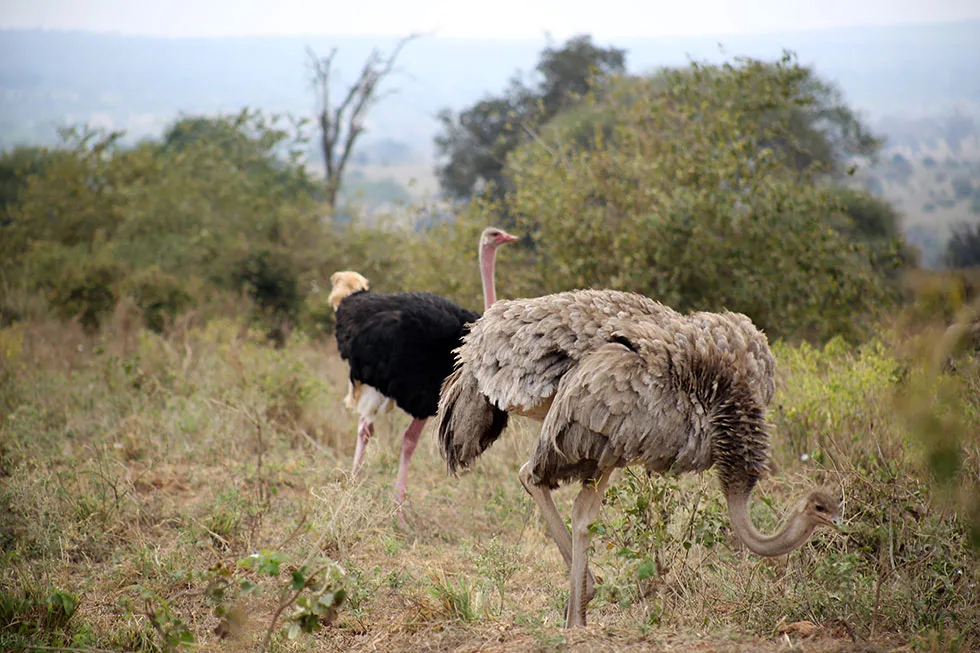
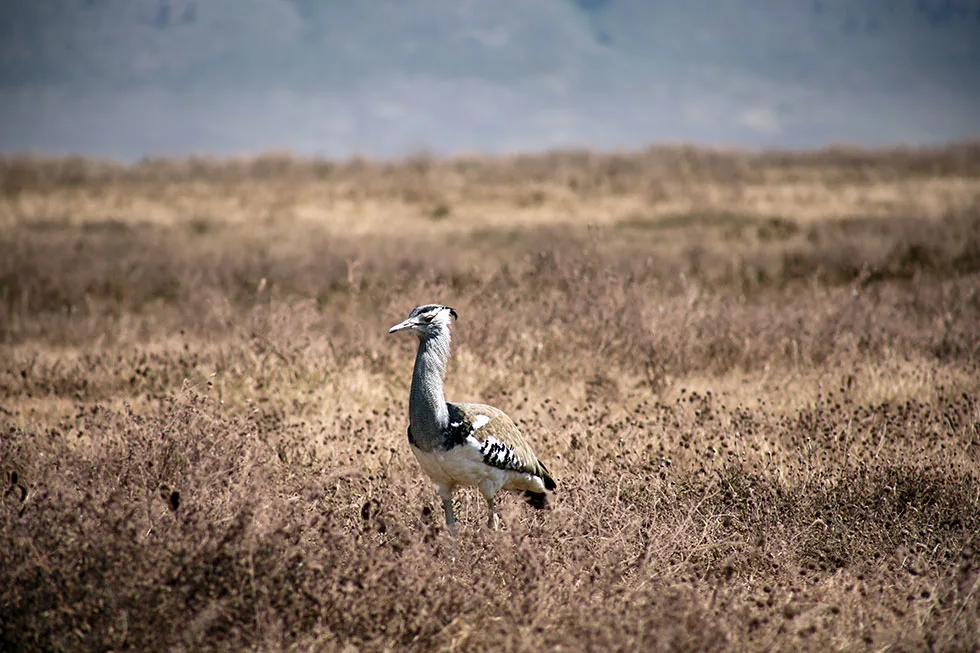
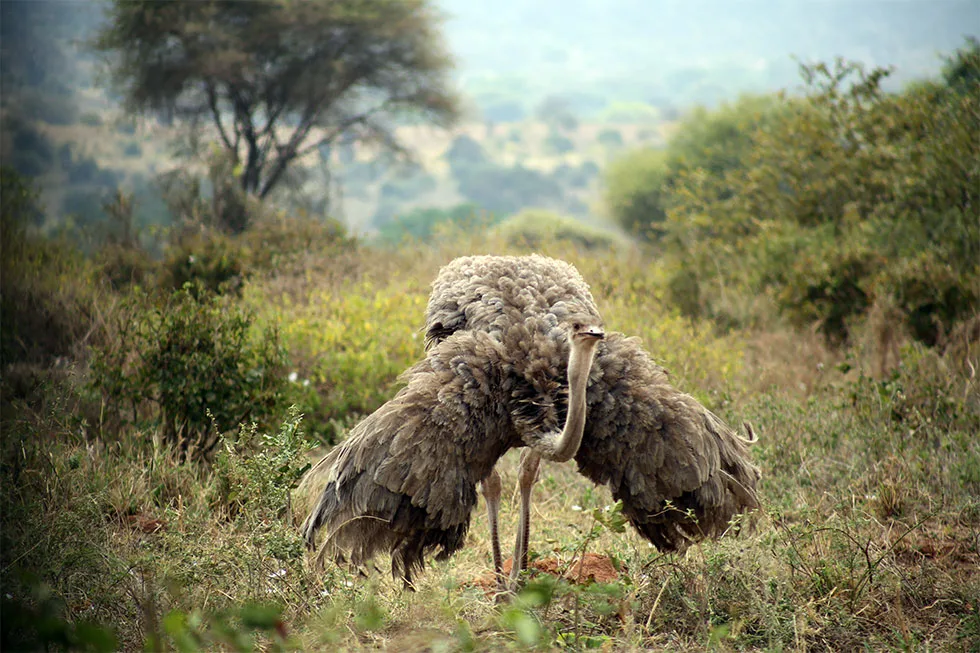
Tanzania protects more than 1,500 bird species and every member of the Big Five, plus 95 species of large mammals. On the Northern Circuit a first-timer most often sees elephants and buffalo in Tarangire, both lion and leopard in the Serengeti's riverine and fig-tree country, and the endangered black rhino in the Ngorongoro Crater. If birds are your thing, our birdwatching at Manyara and Tarangire guide covers the 400 to 600 species you can realistically log in a week.
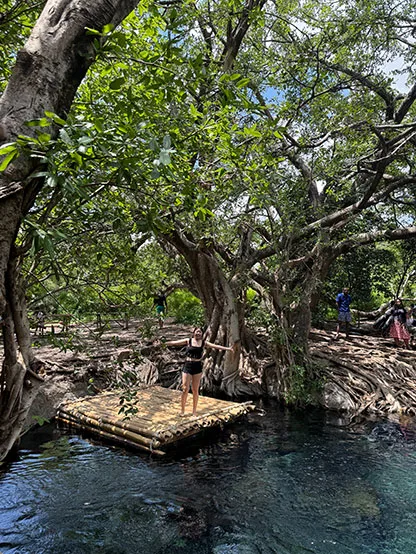
Seasonal hot springs are another northern-circuit surprise worth knowing about. Chemka lies between Arusha and Momella and is an easy, beautiful addition to a first itinerary.
Frequently Asked Questions About a First Safari in Tanzania
Yes. Tanzanian national parks are among the most heavily protected wildlife areas on the continent, and tourism is a major source of park revenue. You will travel in a private four-by-four with a certified guide, stay in camps patrolled around the clock, and follow the same rules your guide does: never walk unaccompanied, never leave the vehicle in an unfenced area, and never approach or feed wildlife. Crime against tourists is rare, and our ground team is reachable 24/7 for the whole of your trip.
For a first trip, June to October is the most reliable: the dry season brings dusty skies, animals concentrated around waterholes and the Great Migration gathering in the Serengeti. January and February are also excellent and greener. The short rains from late March to May and the long rains in November are quieter, cheaper and spectacular for newborn animals and birding. There is genuinely no bad month for a first safari, only different priorities - see our month-by-month guide for details.
For bookings made through us, yes: we take cards for the trip itself, and every vehicle has power sockets and USB ports so you can charge while you travel. In the bush, though, cash still matters. National park entry fees, camp and lodge payments, tips and fuel top-ups are mostly cash, and there are very few ATMs outside Arusha, Zanzibar and the larger towns. Bring clean US dollars printed after 2006 in small denominations plus Tanzanian shillings.
At least five, but seven is the sweet spot. Four days gives you Tarangire, Ngorongoro and one Serengeti push; seven days adds the full Northern Circuit with a genuine chance of the Great Migration; and eleven days lets you add Zanzibar. Trying to cover the whole country in three or four days means spending more time on asphalt than watching animals.
No mountain training required. A standard game drive is a seated day in a vehicle on graded dirt roads, and most guests are over 50. Choose a private vehicle rather than a shared one, take your binoculars, and ask your guide for a lower roof hatch if you have back or neck issues. The only genuinely active element is an optional walking safari, which we can add or leave out.
Trying to see too much. Itineraries that promise Tarangire, Ngorongoro, Serengeti, Ruaha and Zanzibar in a week turn into a blur of airports and asphalt. Two or three parks, done slowly, beats six parks done at speed - and it is the reason we build private itineraries around your dates rather than our fixed departures.
Yes, and it is a proud local tradition rather than an obligation. Budget roughly USD 10 to 15 per day for your guide and a similar amount shared among camp and lodge staff. Guide and camp staff are paid salaries, so tips are genuinely additional. Hand the guide his tip personally at the end of the safari, and if you are bringing US dollars, make sure the bills are crisp, clean and printed after 2006 - older notes are refused locally.
Very likely, but timing and luck matter. Lion, leopard, elephant, buffalo and rhino all live in the Northern Circuit - elephant and buffalo in Tarangire, lion across the Serengeti and Ngorongoro, leopard around the Serengeti's riverine and fig-tree country, and both rhino species in the Ngorongoro Crater. A first-timer on a seven-day Northern Circuit itinerary sees all five more often than not. We never promise an animal, but we plan the route around the best odds for the season you travel.
Ready? Let's Plan Your First Safari
Once you have the right keys, it really is simple. Tell us your dates, your budget range and how much time you have - and we will design the route around them, with the right vehicle, the right camps and the right guide.
While you decide, these are the guides our first-timers read most: best Tanzania safari packages for first-time visitors, what I wish I knew before Tanzania for safari, and is Tanzania safe for safari.
More Tanzania Safari Guides
GuidesBest Time to Visit by Month
Dry season, rains and the Migration, month by month
Tanzania Safari Packing List
The complete kit list for the bush
Safari Itineraries: 3 to 14 Days
Every itinerary length, side by side
What a Safari Costs in Africa
Where the money actually goes
Safari Tipping Guide
Who to tip, how much and when
Private vs Group Safari
Which style suits your first trip
Last updated: July 21, 2026. Park fees, visa rules and price tiers verified against current published rates - always re-check before booking.
