Key Facts
Lake Manyara National Park holds around 400 bird species, rising to roughly 600 across the wider Lake Manyara Biosphere Reserve. Tarangire National Park has more than 500 species. Between them they carry Tanzania's densest concentration of Tanzanian endemics, and the Maasai Steppe adds a further, poorly studied community of dry-country species. Expect around 250-300 species on a focused three-day northern circuit.
Why Birdwatch in Northern Tanzania?
Interesting locations for birders in northern Tanzania are the Serengeti, Ngorongoro, Lake Natron, Arusha and Kilimanjaro National Parks, as well as Mkomazi National Park hidden behind the Pare and Usambara mountain ranges, among other places.
The northern national parks include two that are particularly popular among tourists: Lake Manyara and Tarangire. These places have been known around the world since the days of Ernest Hemingway, who with his wife traveled extensively through the British colonies, including the territories of modern-day Tanzania and Kenya. Here in the Serengeti, on the shores of Lake Manyara and near today's Tarangire Park, the writer stayed for a long time, hunted animals, studied the local culture, and wrote, among other things, "The Green Hills of Africa" nonfiction book and "The Snows of Kilimanjaro" short story. As early as the 1930s, the magnificent wildlife and outstanding natural beauty of East Africa attracted many curious and sophisticated travelers.
Both those major national parks and their surroundings are still home to extremely diverse and numerous wildlife. There are also many birds to be found here that many birding enthusiasts are eager to spot and put on their lists. In this article, we will tell you about the birds you can see on your Tanzania birdwatching trip to Lake Manyara, Tarangire, and the Maasai Steppe.
400+
Species in Lake Manyara National Park
500+
Species in Tarangire National Park
3M ha
Maasai Steppe, still largely unstudied
Lake Manyara National Park
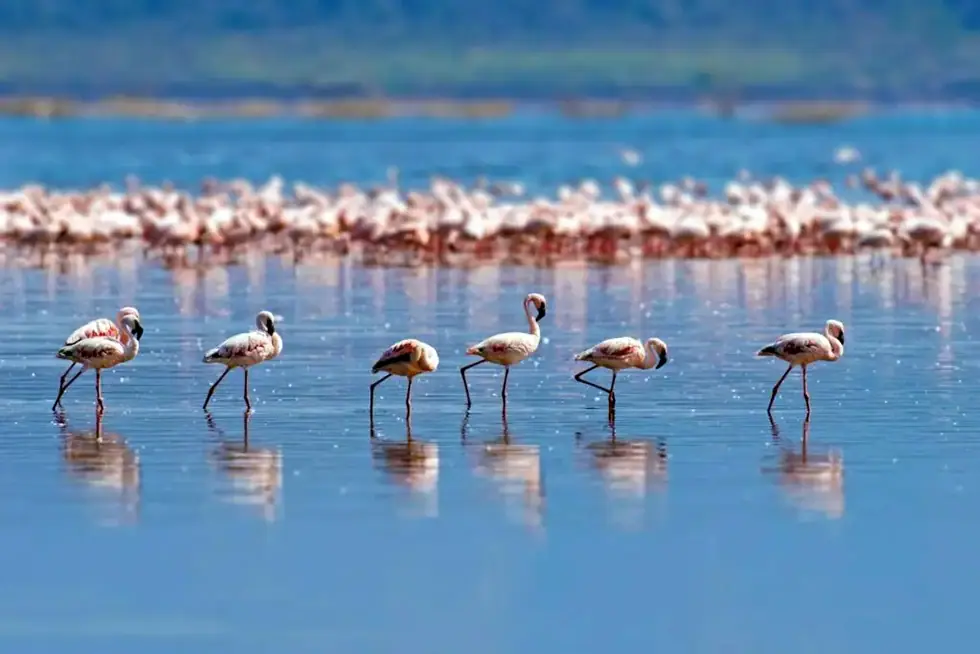
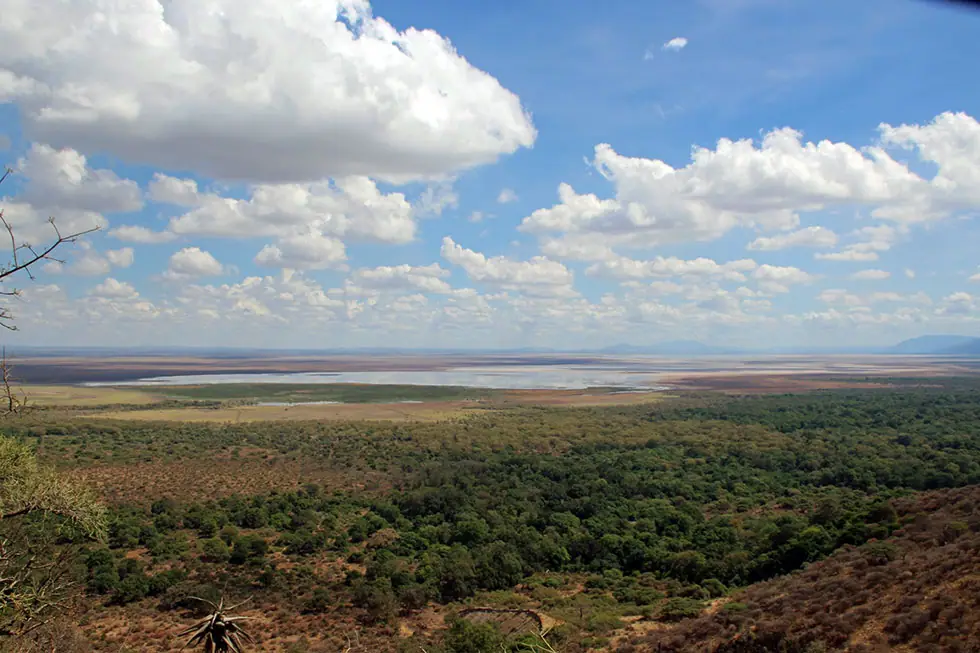
This larger area includes a lake called Lake Manyara, a national park of the same name in its entirety and a part of the lake not included in it, as well as the Marang Forest Reserve, which towers over the park. The lake is salty, but not as salty as Natron and Eyasi because it is fed by freshwater rivers. Its maximum depth hardly exceeds 3.5 meters (11.5 feet), and its average depth, according to measurements, is less than one meter (3.3 feet). And there is one more thing that makes this lake similar to those mentioned above: huge flocks of flamingos in their thousands like to congregate on Manyara. All in all, the waters of the lake can attract more than 2 million waterfowl at a time, most of which are lesser flamingos (Phoeniconaias minor).
Lake Manyara is also home to Yellow-billed Storks (Mycteria ibis), Pink-backed Pelicans (Pelecanus rufescens), Marabou Storks (Leptoptilos crumenifer) traditionally nesting near them, and Grey Herons (Ardea cinerea).
On the muddy shores of the lake, we have seen migrants from Eurasia - wintering Spotted Crakes (Porzana porzana), and Red-throated Pipits (Anthus cervinus). To the east of the lake outside the national park, there were concentrations of Rufous-tailed Weavers (Histurgops ruficaudus), which are endemic to Tanzania and prefer flooded pastures during the rainy season. Lesser Kestrels (Falco naumanni) and Pale or Pallid Harriers (Circus macrourus) were also seen wintering there. To the north of the lake, the Malagasy Pond Heron, also known as the Madagascar Pond Heron (Ardeola idae) was spotted too - it is an endangered species.
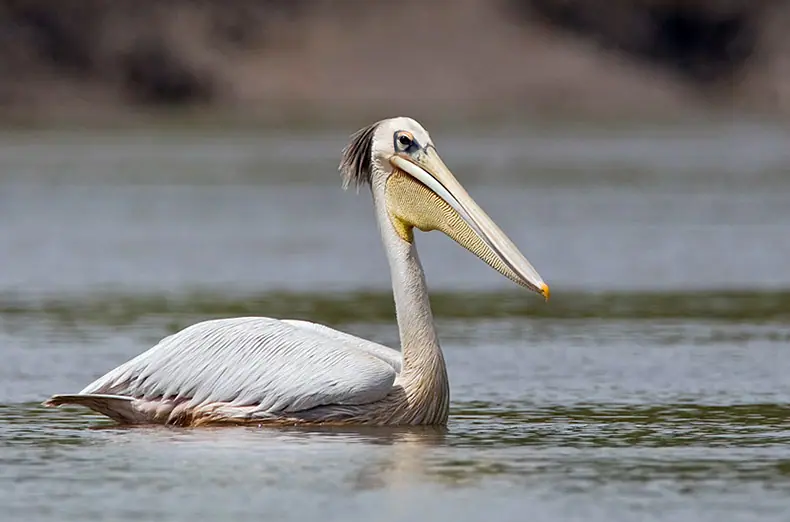
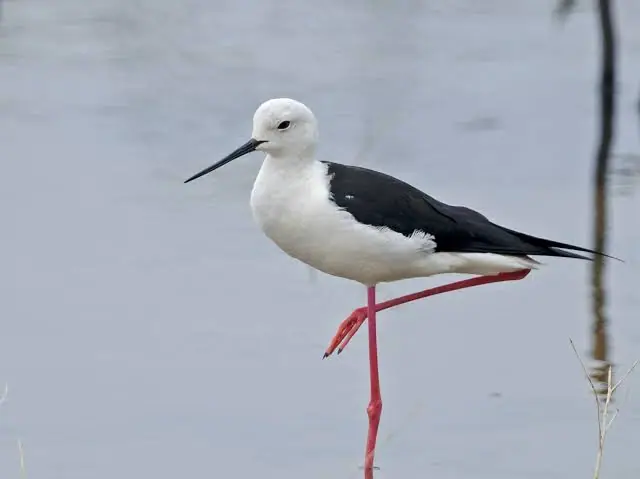
Lake Manyara also provides habitats to the Northern Shoveler (Spatula clypeata) from the duck family, Great White Pelicans (Pelecanus onocrotalus), Black-winged Stilts (Himantopus himantopus), Pied Avocets with their upward-curved beaks (Recurvirostra avosetta), Caspian Plovers (Charadrius asiaticus), Marsh Sandpipers (Tringa stagnatilis), Gull-billed Terns (Gelochelidon nilotica) and some others that inhabit lakes Natron, Eyasi and marshes of the Yaeda Valley.
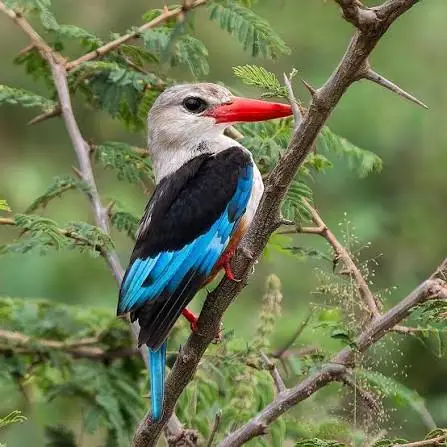
About 400 species of birds are known in the Lake Manyara National Park proper. In addition to those already mentioned, we will name such raptors as the Palm-nut Vulture (Gypohierax angolensis) and the Ayres's Hawk-eagle (Hieraaetus ayresii). All in all, about 50 species of raptors were spotted in the park.
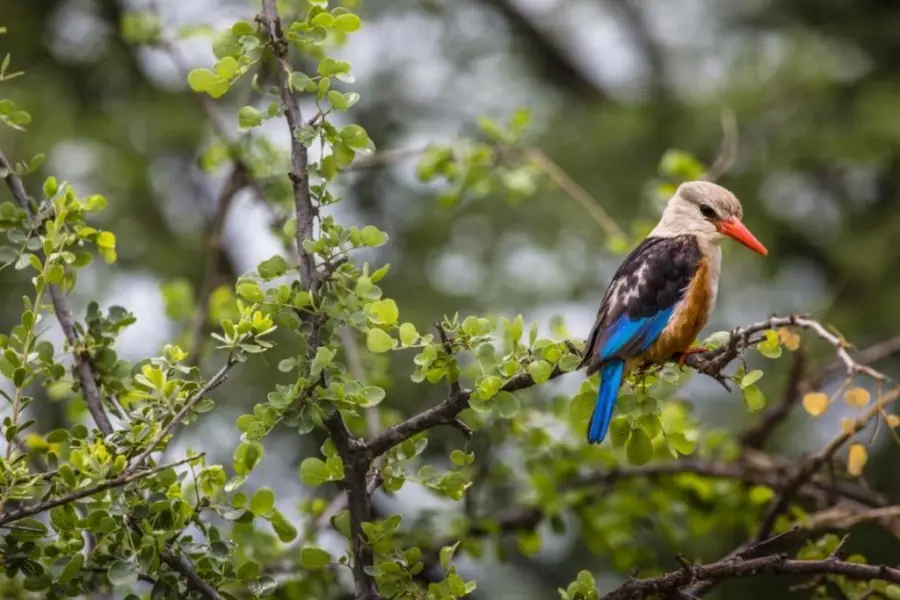
Invariably, the visitors' attention is drawn to such colorful inhabitants of the national park as the Grey-headed Kingfisher (Halcyon leucocephala), Silvery-cheeked Hornbill (Bycanistes brevis), and the Grey Crowned Crane (Balearica regulorum), known for its golden crest. Alas, the latter species is considered endangered.
Look Beyond the Park Boundary
Those who are seriously interested in spotting as many species as possible in this area should take into account that a larger area that goes beyond the boundaries of the lake and the limited national park is considered promising for birdwatching and is an important bird zone. It is not in vain that the Lake Manyara Biosphere Reserve, which includes the national park and extended territories was established here. In total, you can count on about 600 species of birds here. In addition, to the east of the lake, there is the Kwa Kuchinja Wildlife Migration corridor, through which many animals move from Lake Manyara to the Engaruk basin in the north and to the neighboring Tarangire National Park.
Tarangire National Park
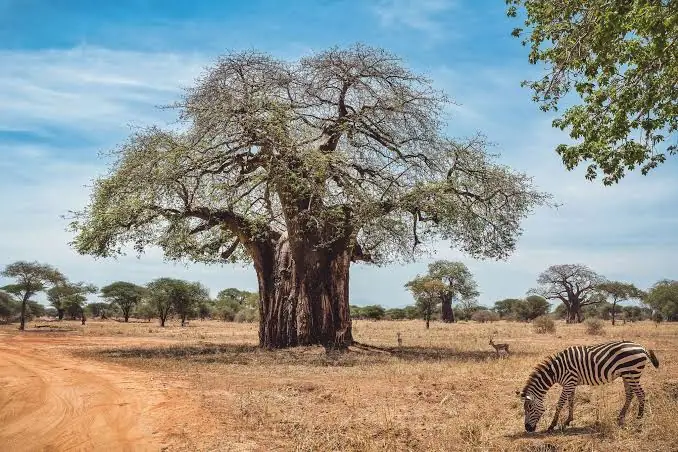
This NP is known primarily for the large number of elephants that live on its vast territories dotted by huge baobabs. Tarangire covers hills and low-lying swamps, which is typical of the Maasai Steppe lands to the east. Tarangire is named after the river that carries its waters through the park to the north and flows into Lake Burungi outside the NP. The lake, however, is also considered an important bird and biodiversity area.
There are more than 500 species of birds in Tarangire. The most distinctive and eye-catching are, of course, Common Ostriches (Struthio camelus) and Kori Bustards (Ardeotis kori). The former are called the largest birds in the world, capable of killing a lion or a man with a lucky strike, while the latter are the heaviest of all flying birds. Ostriches can weigh up to 130 kilograms (287 lb) and bustards up to 20 kilograms (44 lb). For birdwatchers, it would be interesting to observe the Bushveld Pipit (Anthus caffer), which is considered a rare species in East Africa.
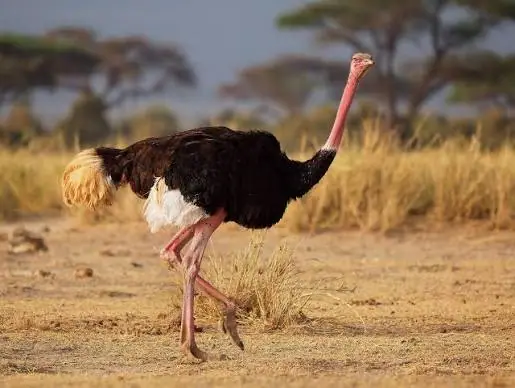
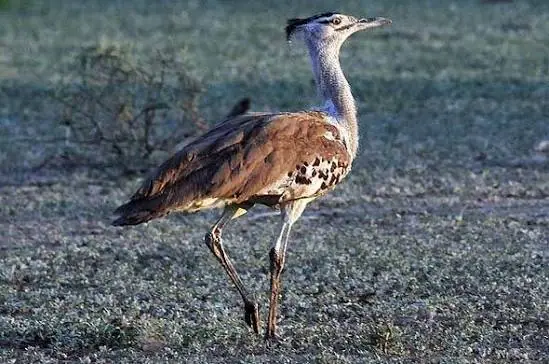
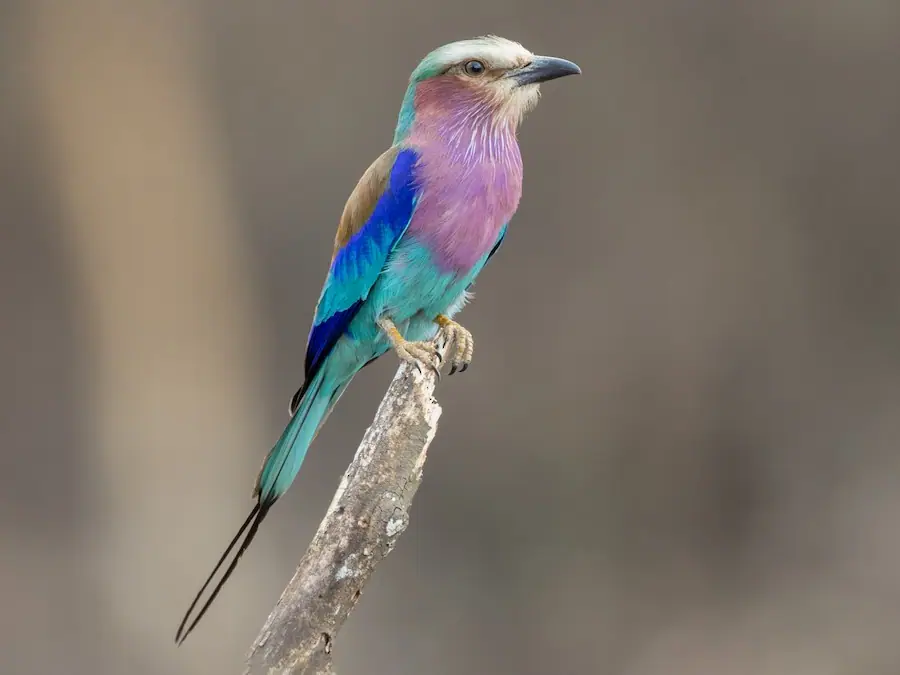
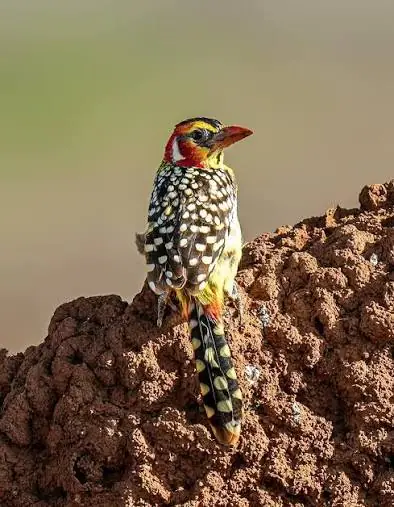
It is also interesting to spot the colorful Red-and-yellow Barbet (Trachyphonus erythrocephalus) here. They are known for occupying old anthills and termite mounds, competing with mongooses for those shelters. Another gorgeous bird that makes use of abandoned termite mounds is the Lilac-breasted Roller (Coracias caudatus). It also likes to make nests inside dead trees. Its variegated plumage is fascinating - a lilac breast, blue abdomen, green nape, bright blue lower wing lines, soft brown upper wing feathers, face with reddish cheeks and a white frost-colored stripe. In neighboring Kenya, this bird is considered the unofficial symbol of the country.
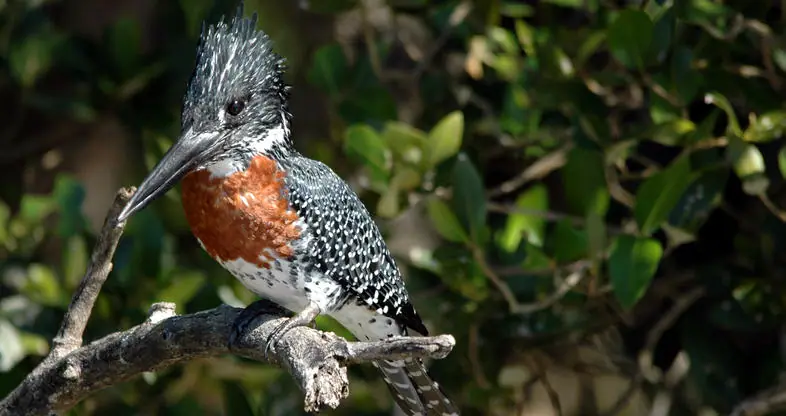
There are eight species of kingfishers here, including one of the smallest members of the family, the African Pygmy Kingfisher (Ispidina picta) with a body length of only about 11 centimeters (4.3 inches), and the largest in Africa - the Giant Kingfisher (Megaceryle maxima) reaching 46 centimeters (18 inches) in height. Interestingly, representatives of the latter species live near riverbanks; their nests are long tunnels that the birds dig with their beaks and claws to place their eggs at the end of the tunnel. The average length of those riverbank nests is 2 meters (6.5 feet), and once an 8.5-meter-long (28-feet-long) tunnel was found!
There are also nine species of hornbills found in Tarangire. Their name refers to the large growths above their beaks, which resemble cow horns. They are elusive, though very noisy birds that make sharp loud cries. If you catch such a bird, it will shriek wildly, driving you mad with deafening cries. This became known after the first attempts to tame hornbills. Do not try to do that with those unique birds.
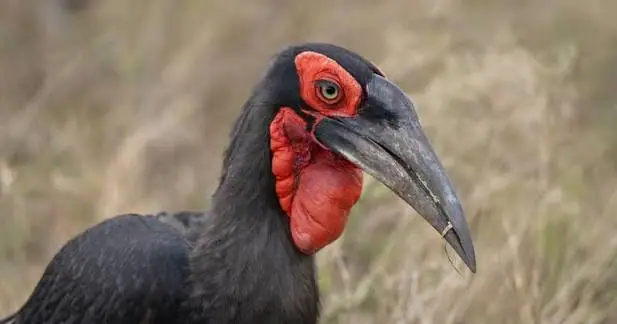
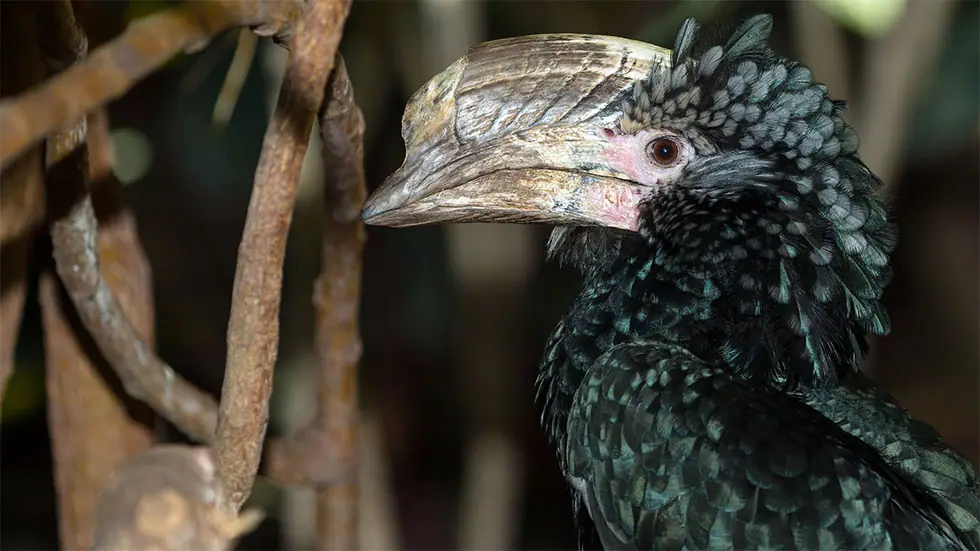
The largest of all hornbills, the Southern Ground Hornbill (Bucorvus leadbeateri) flies around the national park and fearlessly hunts poisonous snakes, turtles, mongooses, and hares, being the only true predator among all species of the family. Other hornbill species found in Tarangire include the Silvery-cheeked Hornbill (Bycanistes brevis), Trumpeter Hornbill (Bycanistes bucinator), African Grey Hornbill (Lophoceros nasutus), Eastern Yellow-billed Hornbill (Tockus flavirostris), Von der Decken's Hornbill (Tockus deckeni), and Northern Red-billed Hornbill (Tockus erythrorhynchus). The latter species served as the prototype for the famous cartoon character Zazu from the Lion King animated film.
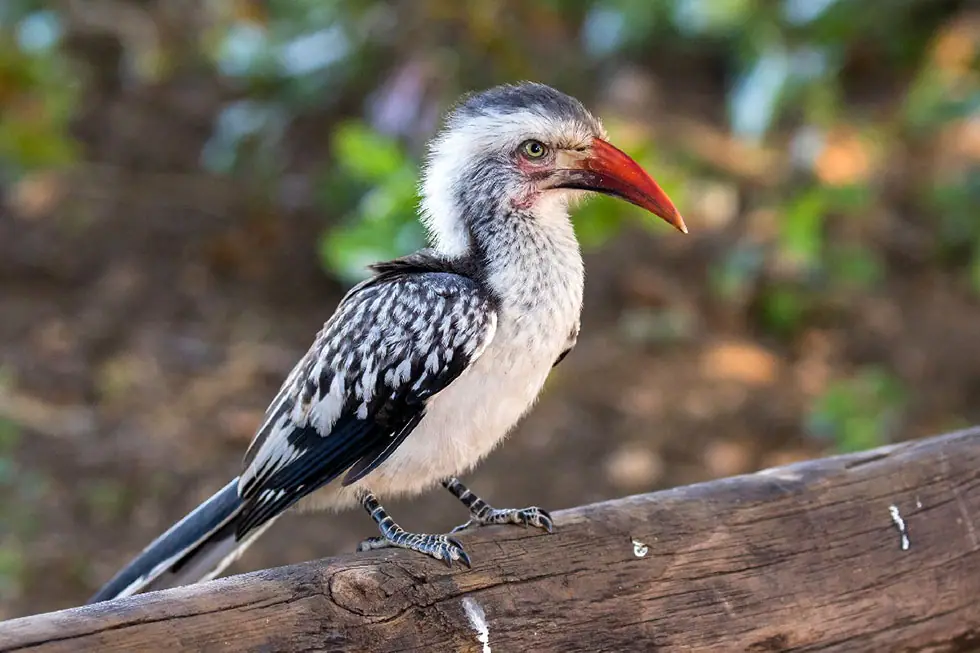
Let's separately mention the Tanzanian Red-billed Hornbill (Tockus ruahae), which, as the name suggests, is endemic to Tanzania. These hornbills prefer to sit on savanna trees, resting or looking for rodents and insects, as well as finding seeds and fruits, since they are omnivores. Other Tanzanian endemics to be found in Tarangire are the Broad-ringed White-eye also known as the Kilimanjaro White-eye (Zosterops eurycricotus) and the Yellow-collared Lovebird (Agapornis personatus). Some ornithologists also consider the Fischer's Lovebird (Agapornis fischeri), Ashy Starling (Lamprotornis unicolor), and the Rufous-tailed Weaver (Histurgops ruficaudus) as species endemic to Tanzania.
The Maasai Steppe
South of Arusha and Kilimanjaro National Parks, exactly between Tarangire and Mkomazi National Park there is a vast semi-arid grassland. It is a plateau that is flanked to the east and southeast by the Pare, Usambara, Nguru, and Nguuu mountain ranges. On the plateau itself, you can occasionally see some low, lone mountains and hills. There is little vegetation here due to the lack of rivers and other permanent water bodies, and in dry periods there is no water at all. It has been observed that elephants, who usually live in neighboring Tarangire, like to visit these places during the rainy season. Traditionally, these lands were used by the Maasai for cattle grazing. This steppe is called the Maasai Steppe and it covers about 3,000,000 hectares.
It is quite difficult to define a bird area with clear boundaries in this place, so you will find just a flat circle placed roughly and quite arbitrarily on the map. Nevertheless, there are interesting birds here, and this area is yet to be properly studied. We will mention just a few species worthy of attention, but keep in mind that there is little good data on the Maasai Steppe and it awaits further exploration.
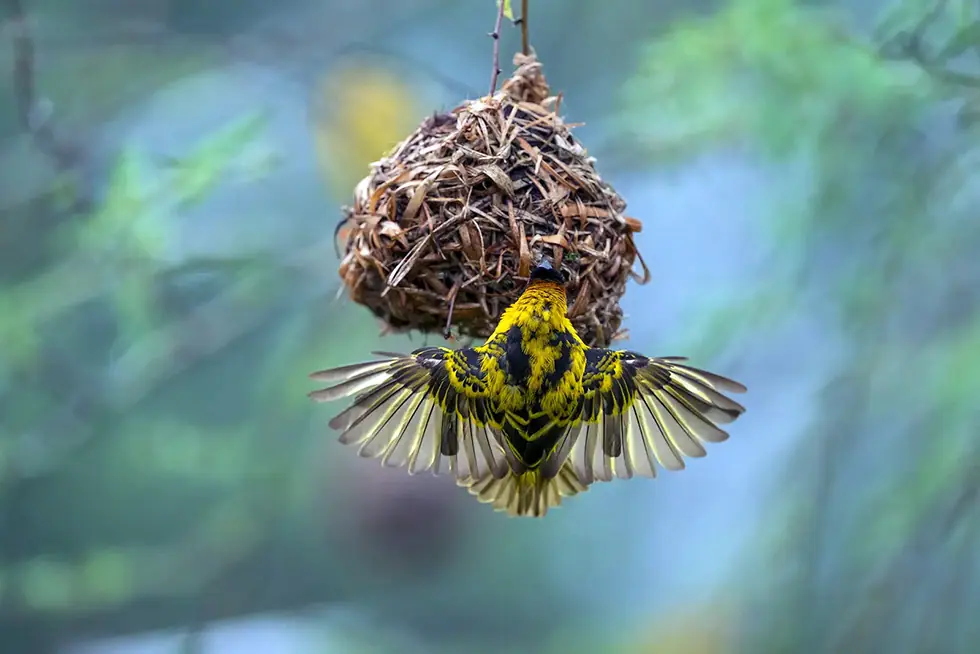
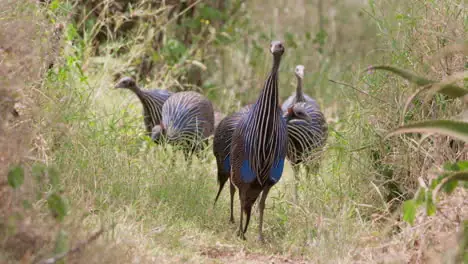
Hundreds of nesting colonies of the Black-headed Weaver (Ploceus melanocephalus) have been observed here. The Vulturine Guineafowl (Acryllium vulturinum), so named because its neck and head look like those of vultures, feels quite comfortable in the arid areas of the steppe. Acacia Tits (Melaniparus thruppi), Pygmy Batises (Batis perkeo), Scaly Chatterers (Argya aylmeri), Southern Grosbeak-canaries (Crithagra buchanani), and other species that have adapted to life on land devoid of water, thrive in the vastness of the Maasai Steppe.
Rocky hills are favored by the Lazy Cisticola (Cisticola emini). Some sources conflate this species with another one and call it Cisticola aberrans. In English, these two species are called Lazy Cisticola and Rock-loving Cisticola. Just the second species inhabits the foothills of the Maasai Steppe in Tanzania, where there is a mixture of woodlands and rocky terrain.
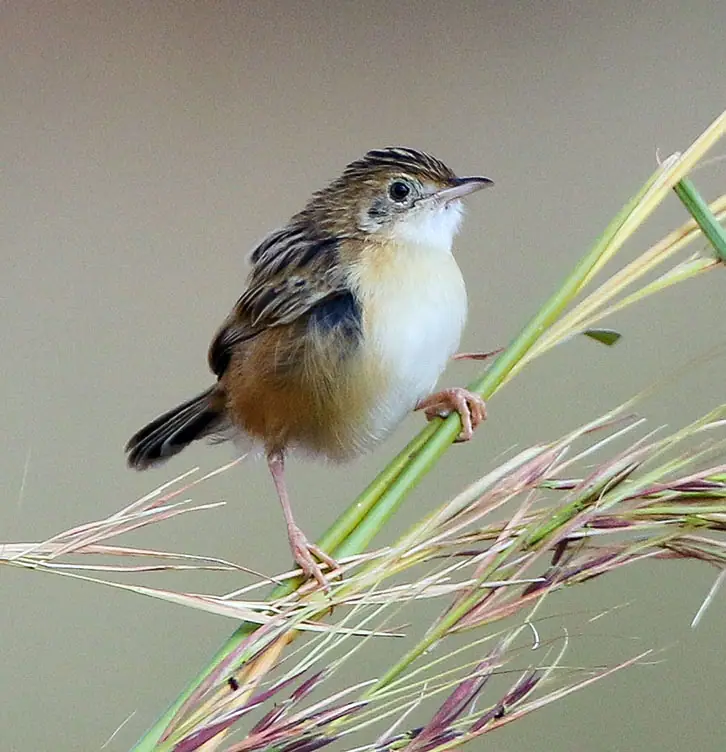
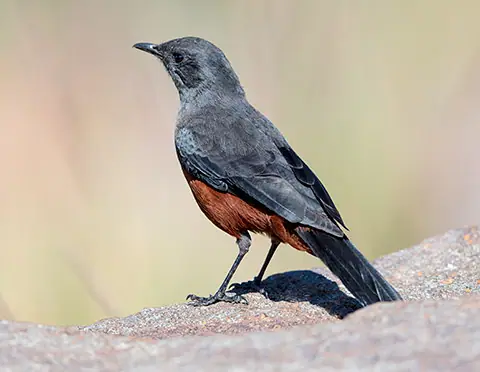
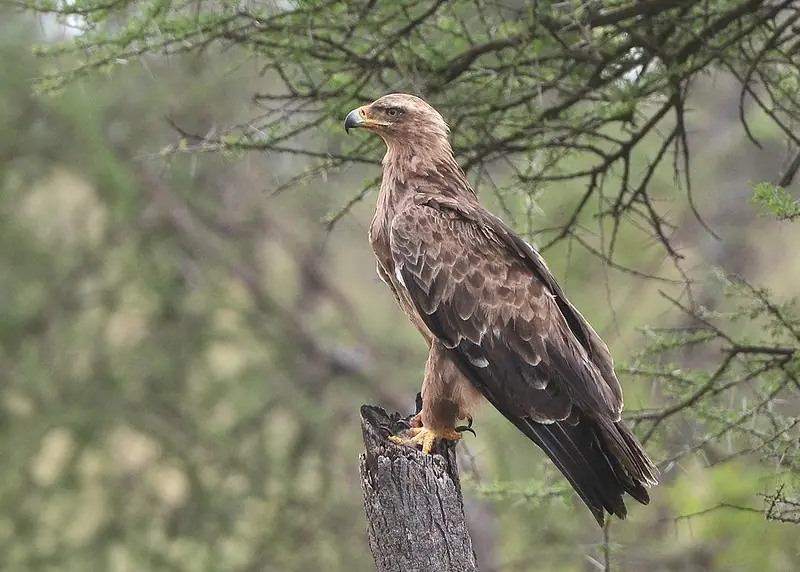
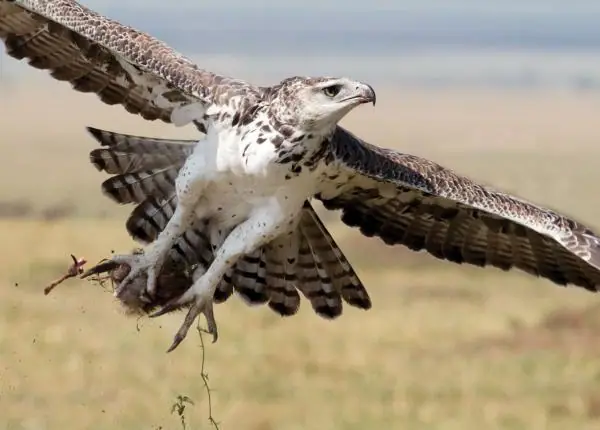
These hills are also a good home for Mocking Cliff Chats (Thamnolaea cinnamomeiventris), Hildebrandt's Spurfowls (Pternistis hildebrandti), and Freckled Nightjars (Caprimulgus tristigma). Among predatory species, the Maasai Steppe is inhabited by eagles: the Tawny Eagle (Aquila rapax), Martial Eagle (Polemaetus bellicosus), Verreaux's Eagle (Aquila verreauxii), and African Hawk-eagle (Aquila spilogaster). Of course, there are also other birds of prey thriving on the vast plateau.
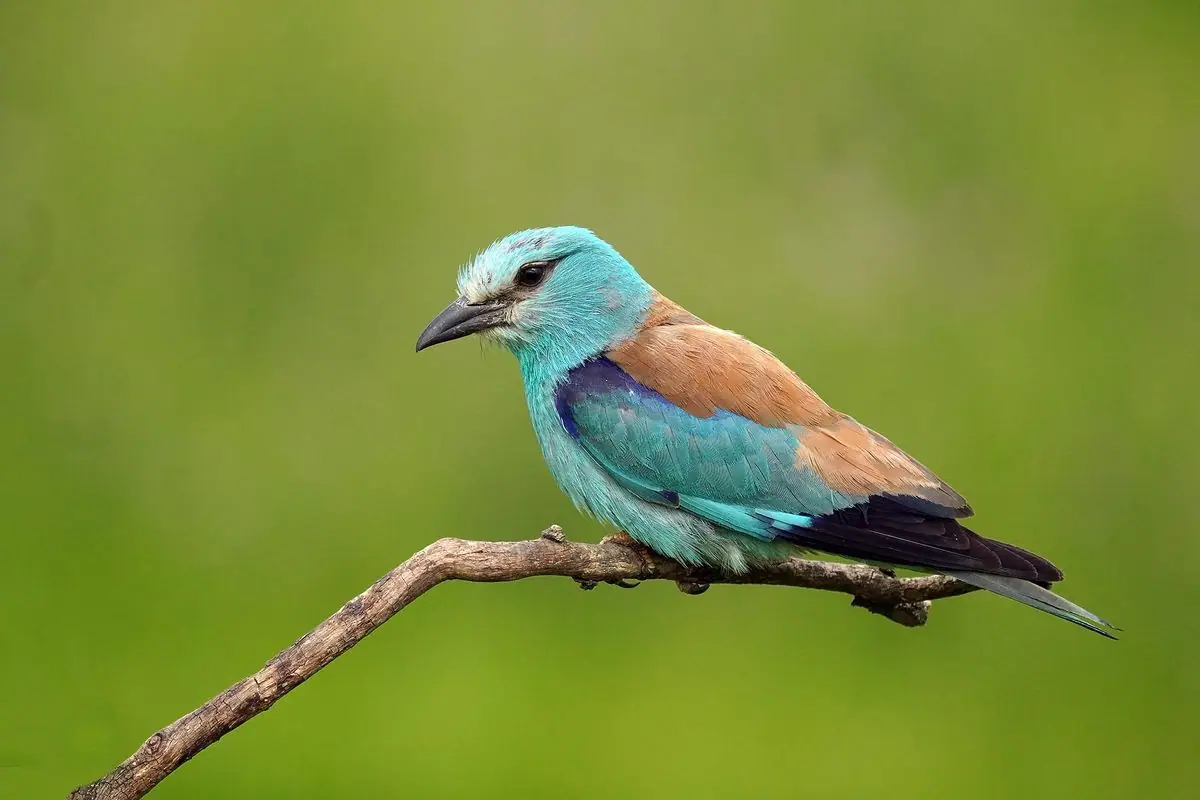
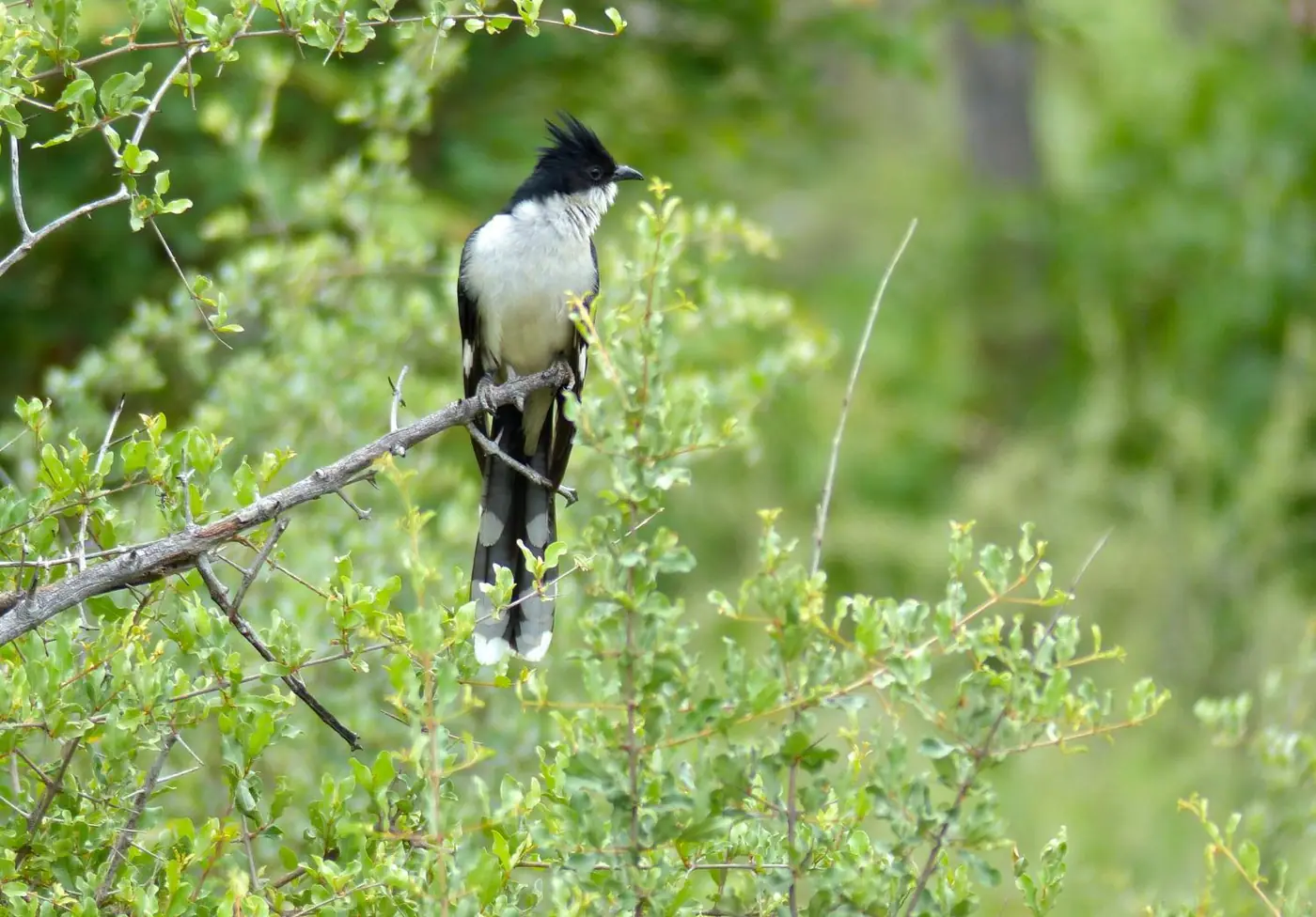
Among the migratory birds that can are often observed here, there are European Rollers (Coracias garrius), Thrush Nightingales (Luscinia luscinia), and White-throated Robins (Irania gutturalis). They come here from Eurasia. And of native African birds who come to spend the winter in the Steppe, there are Jacobin Cuckoos (Clamator jacobinus) and Grasshopper Buzzards (Butastur rufipennis) - the only Butasturs whose range is limited to the African continent. Cuckoos are interesting to watch: being brood parasites, they lay eggs in other birds' nests, acting in pairs: while the male distracts the nest hosts, the female lays an egg or even several. Often their "victims" are bubblers (Turdoides), probably because the color of their eggs is similar to those of cuckoos.
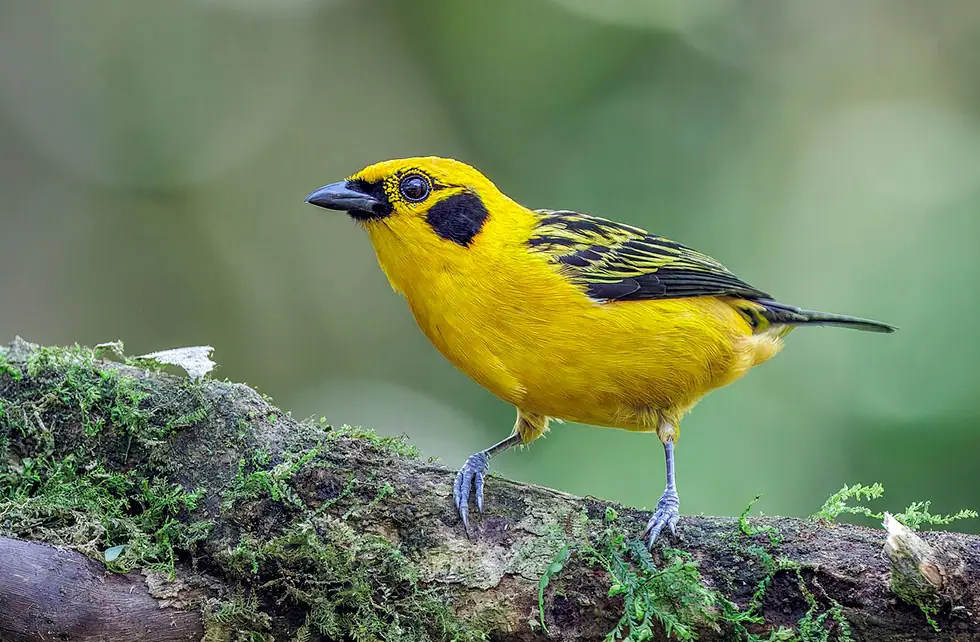
In general, the Maasai Steppe is inhabited by unpretentious birds, among which, nevertheless, there are bright and very beautiful species. A good example is the Golden Pipit (Tmetothylacus tenellus) which prefers dry savannahs and bushlands abundant in the Maasai Steppe.
Of the Tanzanian endemics that live here, we can mention the Ashy Starling (Lamprotornis unicolor) and the Yellow-collared Lovebird (Agapornis personatus).
When to Go Birding in Northern Tanzania
Timing matters more here than almost anywhere else on the northern circuit, because the three areas on this route respond to rain in different ways. If your main goal is birds rather than big game, plan around the calendar below rather than around the migration.
| Period | What To Expect |
|---|---|
| January - February | Hot and dry. Flamingo flocks on Manyara at their most concentrated, though midday heat is brutal and activity peaks around dawn. |
| March - April | End of the long rains. Green flush on the Maasai Steppe, migrant passerines still present, and the best light for photography. |
| May - June | Clear, cool and increasingly dry. Excellent visibility and the classic northern-circuit safari window. |
| July - October | Peak dry season. Birds concentrate at permanent water, Tarangire riverine forest is at its most productive, and tracks are firm. |
| November - December | Short rains begin. European Rollers and Thrush Nightingales arrive on the Steppe; some interior roads become soft. |
Field Note
Be at the water before first light. On Lake Manyara the first ninety minutes after dawn deliver most of the day's sightings, and by mid-morning the surface heat shimmer will hide everything beyond a few hundred metres. Our guides build the whole morning around that window.
Gear and Field Technique
Binoculars are not optional on this route. A surprising proportion of the target list is made of birds that sit motionless in thick cover at forty metres: cisticolas, chats, weavers and the small kingfishers. Eight or ten power is the useful range here, because you will be scanning canopy and reedbed rather than tracking distant movement.
Bring a field notebook and, if you can manage it, a small recording rig. Much of the Maasai Steppe list is genuinely unresolved, and observations from guides are fed back to ornithological datasets. If you have never kept a list before, start on this circuit: three days with a good guide will add more new species than a week in a forest.
Binoculars, 8x42 or 10x42
The single most important item. Straps and a rain cover matter more than glass quality.
Neutral-density filter
Makes a difference in the dry season when light is harsh and birds are active early.
A real field guide or app
You will be identifying in the vehicle. A printed backup beats a dead phone battery.
Quiet, slow, patient
The technique that actually produces the list. Sit on a waterhole edge for twenty minutes before moving on.
If birding is the reason you are here rather than a side interest, say so when you book. A specialist birding itinerary is built differently from a game drive: more stops, longer at each, and a guide who carries a proper list rather than a generalist tracker. See how our Tanzania safari packages are structured, or ask us to build a dedicated northern-circuit birding itinerary.
Frequently Asked Questions
About 400 species have been recorded in Lake Manyara National Park itself, rising to roughly 600 across the wider Lake Manyara Biosphere Reserve. Tarangire National Park holds more than 500 species. That makes the northern circuit one of the most productive short birding circuits in East Africa.
Yes. Huge flocks of lesser flamingos (Phoeniconaias minor) gather on the lake, and the waters can attract more than two million waterfowl at a time. The flocks are most reliable between the dry months, roughly June to October, and again during the rains when the lake edges flood.
The Maasai Steppe is a semi-arid plateau of roughly three million hectares lying south of Arusha and Kilimanjaro National Parks, exactly between Tarangire and Mkomazi. It is flanked by the Pare, Usambara, Nguru and Nguuu ranges, and it is one of the least-studied birding areas in Tanzania.
Look for the Kilimanjaro White-eye (Zosterops eurycricotus), the Yellow-collared Lovebird (Agapornis personatus), the Rufous-tailed Weaver (Histurgops ruficaudus), the Tanzanian Red-billed Hornbill (Tockus ruahae), and the Ashy Starling (Lamprotornis unicolor). Fischer's Lovebird is also often listed as a Tanzanian endemic.
The dry season from June to October gives the most reliable sightings, because birds concentrate around permanent water and the lack of haze improves visibility. The rains from November to May bring breeding plumage and dramatic sky movement but can make tracks impassable, so plan extra driving time.
Birding is a permitted activity in both Lake Manyara and Tarangire, and a local guide is usually required for the specialised birding itineraries. A guide makes the difference on this circuit: the targets are often small, secretive and easy to walk past without one.
Yes, and this is what makes Tarangire unusual. The park is best known for large elephant herds among the baobabs, and the same drive gives you Kori Bustards, Ostriches and nine species of hornbill.
Very much so. Tarangire sits on the road between Arusha and Kilimanjaro, so most climbers and safari guests pass its gate anyway. Our Kilimanjaro travellers often add a night in Tarangire before or after the climb.
Ready? Plan Your Birding Trip
What other endemics can be found in Tanzania and where to look for them, which places are considered the most interesting for ornithologists and birdwatchers in this East African country? We answer that in our broader guide to birdwatching in Tanzania, covering all 1,100+ species. For the quieter forest birding that this route cannot deliver, our guide to Mkomazi, the Pare and Usambara Mountains is the natural companion piece.
Tell us which species you are chasing and how many days you have. We will put together a northern-circuit itinerary that puts the right habitat in front of you at the right time of day, and add Tarangire or Manyara on the way to or from your Kilimanjaro climb so the birding costs you nothing but an extra night.
More Northern Circuit Guides
GuidesBirdwatching in Tanzania
All 1,100+ species, endemics and the complete gear guide
Birdwatching in Mkomazi & Usambara
Forest birding in Tanzania's quietest northern park
Tarangire National Park
Elephants, baobabs and 500+ bird species
Lake Manyara National Park
Flamingos, forest and the biosphere reserve
Why Elephants Love Tarangire
How the park became an elephant stronghold
Best Time to Visit Tarangire
Month by month, honestly assessed
Last updated: October 2, 2026. Species totals reflect current park and avifaunal records for the northern circuit.
