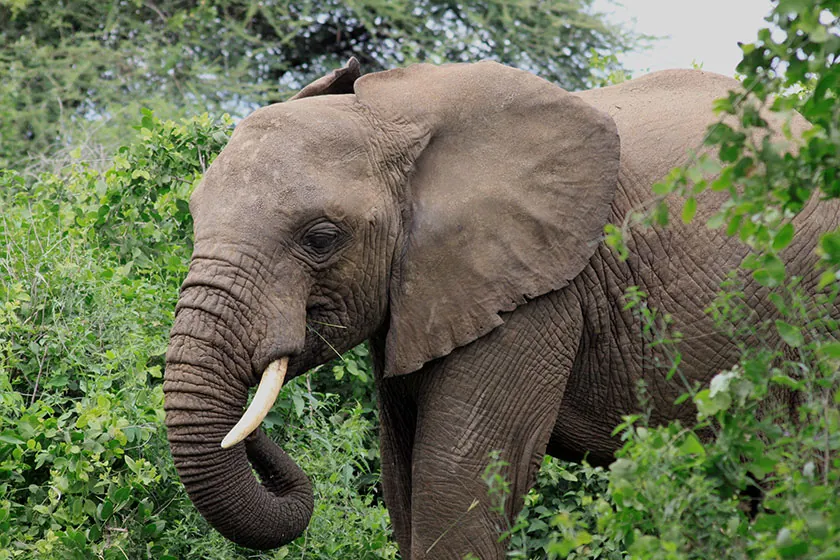
There are few wildlife encounters as memorable as seeing a large elephant herd emerge from behind a cluster of ancient baobab trees. The ground seems to vibrate beneath their feet, dust rises gently around them, and for a moment, everything else on the savannah fades into the background.
While Tanzania is home to many extraordinary safari destinations, Tarangire National Park has earned a reputation as one of Africa's finest places to observe elephants in their natural environment. Travellers embarking on a premium safari across Tanzania's best reserves often find that Tarangire's elephants become one of the highlights of their entire journey.
The park is famous for its vast elephant population, but numbers alone do not explain what makes the experience so special. It is the combination of behaviour, landscape, conservation success, and intimate viewing opportunities that elevates Tarangire above many other safari destinations.
What This Guide Covers
Why Tarangire holds one of Tanzania's largest elephant populations, how its landscape shapes the experience, the dry-season gathering along the river, the social lives of family herds, and the conservation story behind every sighting.
For anyone interested in witnessing elephants at their most natural and impressive, few places compare.
Tarangire's Elephants at a Glance
Signature Species
African elephants
Population
Several thousand
Best Time
June – October (dry)
Herds You Can See
Up to 100+ animals
Icons of the Park
Ancient baobabs
Viewing Style
Intimate & natural
Key Landmark
The Tarangire River
Photography
Superb lighting
Home of
Family-led matriarchies
Home to One of Tanzania's Largest Elephant Populations
Tarangire supports one of the highest concentrations of elephants in East Africa.
During the dry season, thousands of elephants move through the ecosystem, gathering around the Tarangire River and other permanent water sources. Herds ranging from a dozen individuals to well over one hundred animals are not uncommon.
Unlike some parks where elephant sightings may be occasional, Tarangire offers remarkable consistency. Visitors often encounter multiple herds during a single game drive, with elephants appearing throughout the park's diverse habitats.
The sheer abundance of these animals creates opportunities for observation that few other destinations can match. Tanzania National Parks highlights Tarangire's famous dry-season concentration of elephants along the river.
The Landscape Was Made for Elephants
Part of Tarangire's appeal lies in the way its scenery complements its wildlife. The park is characterised by rolling savannahs, seasonal swamps, river valleys, and towering baobab trees that can be hundreds or even thousands of years old.
These giant trees have a particularly fascinating relationship with elephants. During dry periods, elephants sometimes strip bark from baobabs to access moisture stored within their trunks. While this can leave visible scars, many mature baobabs are remarkably resilient and continue to thrive despite decades of elephant activity.
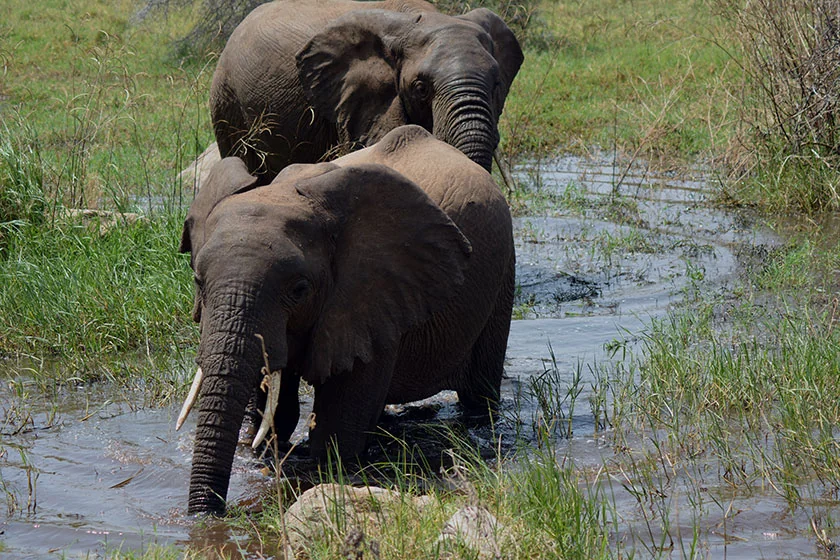
Photographically, the combination of enormous elephants and equally impressive baobab trees creates some of Tanzania's most iconic safari scenes. The landscape feels perfectly suited to its largest residents.
Watching Family Life Unfold
Elephants are among the most socially complex animals on the planet. Unlike many safari species that are observed primarily feeding or resting, elephant herds display a constant stream of social interactions. For surprising elephant facts — including their 22-month pregnancy — read our Top 25 weird and fun facts about animals.
Mothers caring for calves
Juveniles playing together
Older females guiding the herd
Greetings between family groups
Cooperative protection of young animals
These interactions reveal a level of emotional intelligence that many travellers find deeply moving. Elephant herds are led by experienced matriarchs whose knowledge of migration routes, water sources, and seasonal patterns is essential to the group's survival.
Observing this leadership in action provides fascinating insight into elephant society.
The Dry Season Gathering
One of the main reasons Tarangire is famous for elephants is the dramatic seasonal migration that occurs within the ecosystem. As rainfall decreases across the surrounding region, wildlife gradually moves towards the permanent water sources found within the park.
Elephants are no exception. Large family groups converge on the Tarangire River, creating extraordinary concentrations of wildlife. This seasonal movement transforms the park into one of Africa's most impressive wildlife spectacles.
Best Time to See Them
The best time to see elephants in Tarangire is usually in the dry months, between June and October. Animals are easier to locate and often gather in impressive numbers, delivering the most consistent and dramatic sightings of the year.
For the full picture of when to visit and why each season behaves differently, our best time to visit Tarangire guide walks through every month of the year.
Close Yet Respectful Encounters
One of Tarangire's greatest strengths is the quality of its elephant encounters. Because elephants are encountered so frequently, guides have extensive experience interpreting their behaviour and positioning vehicles responsibly.
This often allows visitors to observe natural behaviour without disturbing the animals. Elephants may walk past safari vehicles, feed peacefully nearby, or continue social interactions seemingly unconcerned by human presence.
Authentic, Not Staged
There is a profound difference between spotting an elephant in the distance and quietly watching a family herd move naturally through its environment. Tarangire consistently delivers the latter experience.
The Importance of the Tarangire River
The Tarangire River is the lifeblood of the park. During the dry season, many smaller water sources disappear, leaving the river as one of the few reliable supplies of water. This attracts not only elephants but also zebras, wildebeest, buffalo, giraffes, and numerous predators.
For elephants, access to water is particularly important. Adult elephants can consume well over one hundred litres of water per day, and large herds require dependable sources throughout the year.
Watching elephants drink, bathe, and interact along the riverbanks provides some of the park's most memorable wildlife viewing opportunities.
Calves Steal the Show
While giant bulls often capture attention due to their size and impressive tusks, elephant calves frequently become visitors' favourite sightings.
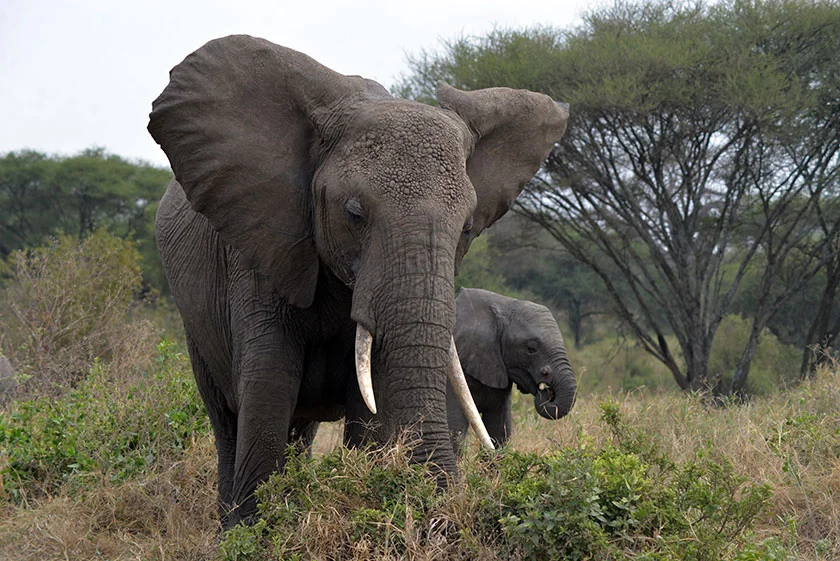
Young elephants are endlessly entertaining. They tumble over their own feet, experiment with their trunks, chase one another through the dust, and remain under the constant supervision of protective adults.
Observing calves also highlights the strength of elephant family structures. Mothers, sisters, aunts, and grandmothers all contribute to caring for young animals. This cooperative approach helps ensure the survival and development of the next generation.
Many safari-goers find these family interactions just as captivating as predator sightings.
Giants with Distinct Personalities
Spending time around elephants quickly reveals that they are not simply identical members of a herd. Individual personalities often become apparent.
Curious & Confident
Some elephants appear curious and confident, while others are cautious and reserved. Every encounter can feel genuinely different, even within the same herd.
Playful & Authoritative
Young males frequently display playful behaviour, while older bulls often project a calm sense of authority that is unmistakable to watch.
Experienced guides can often identify behavioural differences that make each encounter unique. This individuality contributes to the emotional connection many people feel when observing elephants.
The Soundscape of Tarangire
Much of the elephant experience extends beyond what visitors see. The sounds of a herd moving through the bush are equally remarkable.
Deep rumbles used for communication
Branches snapping during feeding
Dust being thrown across backs
Water splashing during bathing
Calves squealing as they play
These sounds create an immersive experience that photographs alone cannot fully capture. Standing quietly while a large herd feeds nearby is one of the most memorable moments many visitors experience in Tarangire.
Conservation Success Stories
Tarangire's elephants also represent an important conservation achievement. Across Africa, elephant populations have faced significant challenges due to habitat loss, human-wildlife conflict, and poaching.
Protected areas such as Tarangire play a vital role in safeguarding these animals. Ongoing conservation initiatives, anti-poaching efforts, and habitat management have helped maintain healthy elephant populations within the ecosystem.
Travelling Responsibly Makes a Difference
Visitors contribute indirectly to these efforts through responsible tourism, which helps generate revenue for conservation and local communities. Every elephant sighting therefore represents not only a wildlife experience but also a reminder of the importance of long-term conservation.
For a deeper understanding of how Tanzania protects its flagship wildlife, our Tanzania national parks rules guide covers what visitors need to know.
Why Photographers Love Tarangire
Photographers are particularly drawn to Tarangire's elephant population. Several factors contribute to this appeal.
High elephant densities
Dramatic baobab landscapes
Open viewing conditions
Excellent dry-season visibility
Beautiful golden-hour lighting
The park's scenery naturally frames elephant subjects in a way that creates striking images. Whether capturing a lone bull against a baobab backdrop or a large herd crossing the plains, Tarangire consistently provides exceptional photographic opportunities.
Need help getting it right? Our beginner wildlife photography guide covers settings, lenses, and timing for shots like these.
More Than Just Elephant Numbers
Many parks can claim impressive wildlife statistics, but Tarangire's appeal goes deeper. The park offers opportunities to observe elephants behaving naturally within an ecosystem that supports their complex social lives and seasonal movements.
Rather than simply ticking elephants off a wildlife checklist, visitors gain a deeper appreciation for how these remarkable animals live, communicate, and interact with one another. That depth of experience is what makes Tarangire stand apart.
Frequently Asked Questions
Tarangire is known for supporting one of the largest elephant populations in Tanzania, particularly during the dry season when large herds gather around the permanent Tarangire River. Combined with ancient baobab trees and open viewing conditions, it offers some of the finest elephant watching in Africa.
The dry season, generally from June to October, offers the most reliable elephant sightings. As smaller water sources dry up, wildlife concentrates around the Tarangire River, and herds numbering in the hundreds gather along its banks.
Numbers fluctuate seasonally, but the greater Tarangire ecosystem supports several thousand elephants throughout the year, with the highest concentrations appearing along the river during the dry season.
Yes. Family herds frequently include calves of various ages, and observing the care calves receive from mothers, sisters, aunts, and grandmothers is one of the most moving parts of a Tarangire safari.
Absolutely. Tarangire offers a very different safari experience, particularly for elephant viewing. Its baobab-studded landscape, intimate encounters, and huge family herds complement the Serengeti exceptionally well.
Yes. Tarangire National Park is a protected area managed by Tanzania National Parks, with ongoing anti-poaching efforts and habitat management that have helped maintain one of East Africa's healthiest elephant populations.
Plan Your Tarangire Safari
For the best elephant watching, aim for the dry season between June and October, when the herds gather in their greatest numbers along the Tarangire River. But the park rewards visitors at almost any time of year with a very different, equally memorable experience.
Every safari we build is timed around the wildlife you care about most. Our guides know Tarangire's elephant movements intimately and will position you for the encounters that matter to you.
Why Tarangire Leaves a Lasting Impression
Elephants are often described as the emotional heart of a safari, and nowhere is that more evident than in Tarangire National Park. From vast family herds gathering along the river to playful calves exploring the world around them, every encounter offers something memorable.
Combined with ancient baobab trees, dramatic landscapes, and outstanding wildlife viewing opportunities, the park provides one of the finest elephant experiences anywhere in Africa.
For many travellers, the lions of the Serengeti or the scenery of Ngorongoro may be what initially inspires a Tanzanian safari. Yet it is often Tarangire's elephants that remain most vivid in their memories long after the journey ends.
Related Safari Guides
Tarangire National Park Guide
The park of baobabs & elephants
Best Time to Visit Tarangire
Season by season, month by month
Best Tanzania Safari for Seeing Lions
Where the big prides really are
The Big Five in Tanzania, Complete Guide
Lion, leopard, elephant, rhino & buffalo
How to Photograph Wildlife
Tips for shots you'll keep forever
Best Time for a Tanzania Safari
Plan your trip by season and wildlife
Tanzania Safari Packages
Plan your dream northern circuit safari
Serengeti vs Tarangire
Which park suits your safari goals
Last updated: August 28, 2026. Elephant behaviour and population information is based on long-running observations across Tarangire National Park and referenced against official park sources.
