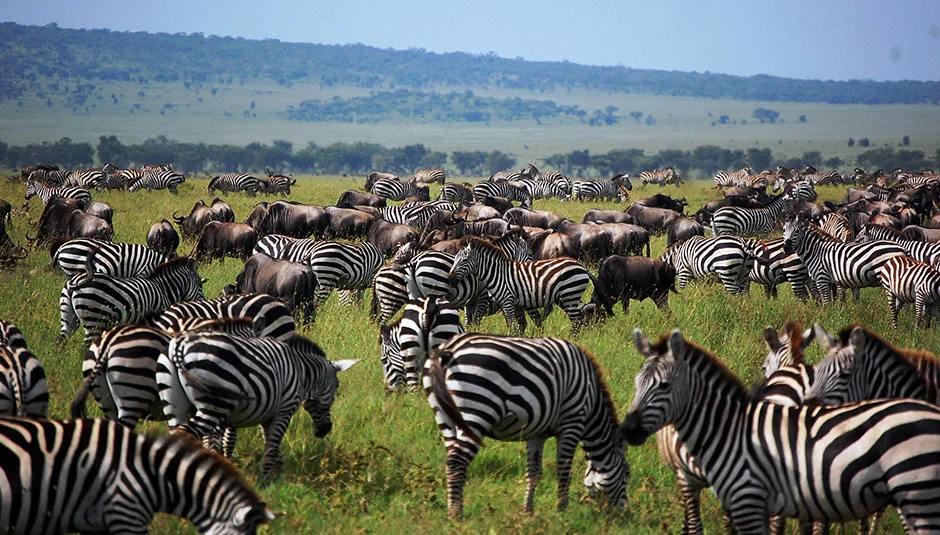
All national parks in Tanzania have rules that both the visitors and the guides must follow. The rules and regulations are set to protect the natural environment, plants and animals, as well as natural resources, around which the entire ecosystem is built. Some rules are designed to ensure the safety of the tourist.
Safari Guide's Note
We have seen firsthand what happens when rules are ignored. Animals are hurt, tourists are injured, and ecosystems are damaged. These rules are not suggestions, they are the line between a safe, ethical safari and a dangerous one. Please read this guide carefully before your trip.
Park Rules Quick Facts
Total Parks
22 national parks in Tanzania
Speed Limit
50 km/h (25 km/h in Ngorongoro)
Game Drive Hours
Sunrise (~6 AM) to sunset (~6:30 PM)
Designated Stops
Picnic sites, viewpoints, walking routes
No Feeding
Feeding animals is strictly prohibited
No Off-Road
Stay on designated roads at all times
No Campfires
Fires are dangerous in arid regions
No Removal
Cannot take rocks, bones, plants, or feathers
No Night Driving
Game drives end at sunset
Seatbelts Required
Wear seatbelts during game drives
Vehicle Limits
Maximum 5 vehicles at a sighting
Guide Required
Licensed guides recommended for all parks
National Parks of Tanzania
Tanzania has 22 national parks, special natural areas taken under protection by the authorities of the country. Among the most popular are the Serengeti, Tarangire, Lake Manyara, Arusha, Ruaha, and Nyerere. On the territory of national parks, people cannot live as they normally do, build roads and houses, extract natural resources, grow crops, keep livestock, and hunt animals.
All animals in the park are counted by rangers, who take conservation seriously and adhere to the principle of non-interference with the natural way of life of animals and plants. This includes maintaining the balance of ecosystems that allow wildlife to thrive and propagate.
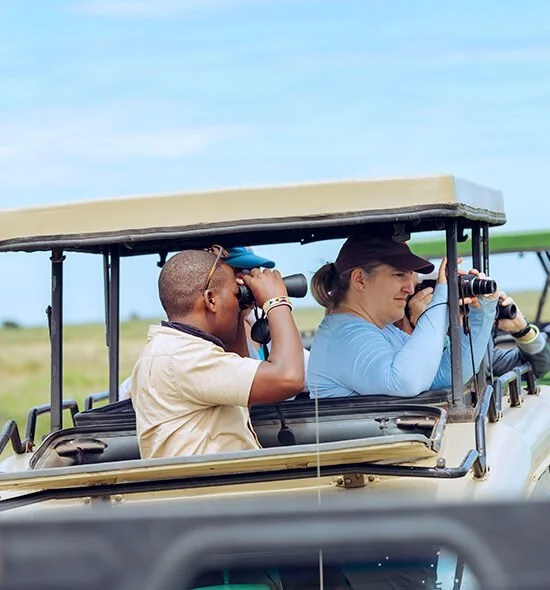
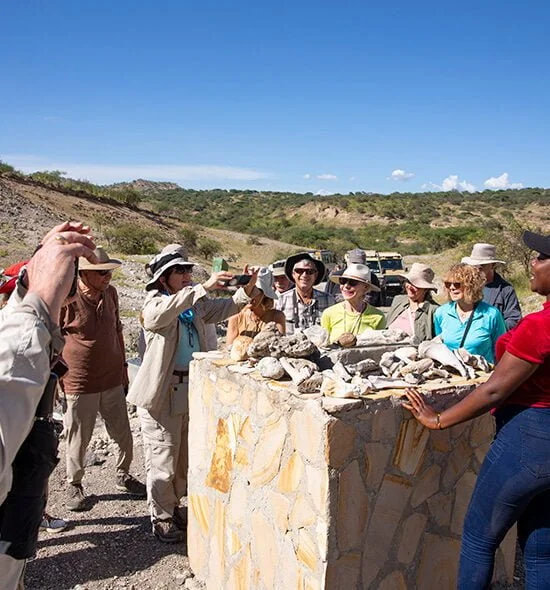
The only human activity that is allowed in the national parks is tourism. Most often, the parks are visited by off-road vehicles, this activity is called a game drive. In certain places, the authorities allow the construction of eco-hotels that can accommodate travelers directly in the national park. There are also a few special areas inside national parks where visitors are allowed to get out of the car: picnic sites, observation areas, and walking safari routes.
Speeding on a Game Drive
It can be fun, you ride in an SUV while standing under the open roof, and enjoy the trees flashing past you, the birds soaring above, and the puffs of dust that the car leaves behind. Sometimes you want to ride in the African savannah with a breeze, and sometimes the driver-guide receives a message on the radio about the location of a lion's pride. You will need to be on the right road to see the lions sharing their prey and be as close to the animals as possible because, in a few minutes, dozens of other cars will arrive.
So what can happen during a high-speed game drive through the savannah? A speeding car will scare away many animals, especially small animals like rodents, small antelopes, birds, or some baby animals. An even more unpleasant situation is when an animal suddenly jumps out onto the road and can be run over.
A Real Tragedy
In July 2022 in the Serengeti Park, a safari SUV was driving very fast, the tourist in the cabin was not wearing a seatbelt, and the roof was open. The vehicle overturned. The man flew out of the cabin and died. This was entirely preventable.
The drivers of Masatu Tours are strictly instructed to follow the traffic rules both in the national parks themselves and on the highways during the crossings between them, never exceeding the speed limit. All of our vehicles have GPS trackers, so we can easily monitor the speed of each vehicle even from the office. The maximum allowed speed in Tanzania's national parks is 50 km/h (or 25 km/h in the Ngorongoro Conservation Area). Please don't ask the drivers to drive faster. You are sure to see the animals a little later, no need to chase them.
Risks of Speeding
- Scaring away animals before you can observe them
- Running over small animals crossing the road
- Hitting birds like the lilac-breasted roller
- Causing vehicle accidents that injure passengers
Masatu Tours Safety
- All vehicles fitted with GPS trackers
- Speed monitored in real-time from the office
- Drivers strictly trained on park speed limits
- Seatbelts provided and use enforced
And it's not just about your safety, but also about the lives of wild animals. Your car may hit a lilac-breasted roller that was flying to get food for its chicks. You won't even notice. And now the beautiful mother bird is gone, no one will come back to the babies in the nest to bring food or protect them from predators. Please think about the serious consequences of driving fast in the park.
Going Off-Road
Another frequent temptation while observing animals in Africa is to go off the road to get close to lion cubs hiding in the grass, a family of warthogs, or a stream with crocodiles lurking on its banks. It seems that nothing wrong will happen if one single car, just yours, briefly leaves the permitted road and drives a few meters through the grass.
What Hides in the Grass
Baby caracals, servals, and other animals stay in hiding places while their parents go hunting. Nocturnal birds sleep in the grass during the day. Many birds build their nests right in the grass. Harmless snakes, slow-moving turtles, nimble damselflies, tiny dik-diks and duikers, colorful butterflies, the grasses of the East African savannas are home to a huge variety of creatures.
Humans already do some damage to animals by driving into national parks, disturbing their residents with noise, exhaust fumes, and unwanted attention. If an animal chooses to move away from the road, then it needs peace. This desire should be respected and we should not break into their home for our entertainment and pretty pictures.
Often it seems that if you get a little closer you can get a great shot of a graceful animal, a regal lion or a rhinoceros, coveted by all travelers. But believe me, it's not worth it, you will frighten the animal, and harm dozens of smaller creatures, whom you won't even notice. You might leave a trace in the grass, which will keep alerting animals for a long time, and the picture will most likely be mediocre anyway.
Look at the wildlife from the car, remember as much as possible, and try using binoculars. Very often we can see so much more with our eyes if we don't constantly look at our surroundings through the smartphone screen trying to take as many pictures as possible. On the other hand, there is no problem in taking a few pictures from the car without transgressing any regulations.
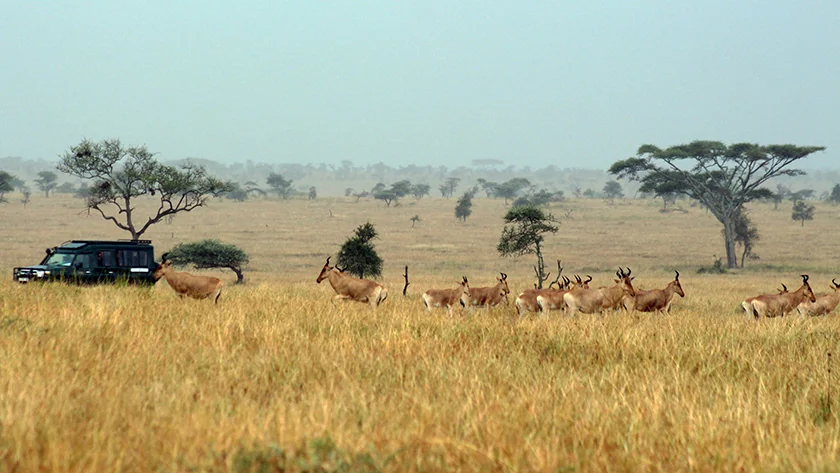
Feeding Wild Animals
In the cities, it is becoming an obvious fact for many that human food is not good for animals, and might be even harmful to them. In the wild, when we see skinny antelopes or begging monkeys, we forget this rule and look for some fruit or even a cookie to throw to the animal. Doing so is irresponsible.
We shouldn't feed animals also for the reason that constant human feeding, no matter how good it is, deprives animals of the skill to get their own food. The problem is especially great at the picnic sites of national parks, where outdoor tables are set up for diners. Huge numbers of birds flock to people's lunch spots. Monkeys and other small primates come running in too. Some of them modestly wait for people to throw them a treat, while the more courageous animals can steal food, often snatching it right out of the hands of gaping tourists.
A Devastating Consequence
In 2020, after a series of negative interactions between humans and animals coming to one of the picnic sites in Tarangire Park, rangers had to shoot many vervet monkeys and baboons that were attacking humans. That's how someone comes to Africa on safari one day, feeds a monkey out of pity, and then has it killed.
When you see wild animals, you should not give in to the impulse of throwing some food to them, much less human food. The right thing to do is to think about the long-term impact of your actions. If an animal in the wilds of Africa has lived to see you among many competitors and dangerous predators, then it is a strong and healthy animal that does not need your "help". Please do not try to feed wild animals and do not interfere with their natural life in an area protected from human influence.
The Exception: Injured Animals
There is only one exception. If you come across a motherless baby animal or an unhealthy, injured animal on your African safari, ask your guide to contact the park rangers. He will give them all the information they need and alert the Tanzanian Veterinary Service. You can also save the GPS coordinates and send them to the Masatu Tours office.
Other Important Rules
In addition to the three major rules above, there are other restrictions in Tanzania's protected areas. Here are the most important ones to keep in mind.
No Night Driving
Game drives are permitted only from sunrise (~6 AM) to sunset (~6:30 PM). Night game drives are only allowed in specific areas with special authorization.
No Removal of Objects
You cannot take anything from the park: skulls, bones, rocks, plants, feathers, or any other natural objects. You also cannot bring animals or plants into the park.
No Campfires
Fires can be dangerous in arid regions. In 2020 and 2022, there were fires in Kilimanjaro Park that could only be extinguished thanks to the quick response from rangers and tour guides.
No Littering
You cannot leave trash in the parks, including unextinguished cigarettes. Pack out everything you bring in.
No Disturbing Animals
Do not make excessive noise, honk horns, or do anything that distresses wildlife. If an animal moves away from the road, give it space.
Respect Cultural Sites
Many parks contain cultural heritage sites. Treat them with respect and do not damage or remove artifacts.
Kilimanjaro National Park Rules
Kilimanjaro National Park is Tanzania's eighth national park. Most of this park's territory is covered by dense tropical forests which surround the famous mountain. Mount Kilimanjaro is formed from three dormant volcanoes that stand side by side. The main peak is Uhuru, which reaches a height of 5,895 meters (19,340 feet).
Trail Rules
- Stay on equipped trails at all times
- Camp only in designated areas
- Follow all guide instructions during the expedition
- Children under 10 cannot go above 3,700 meters
Prohibited Activities
- No open fires under any circumstances
- No leaving designated trails
- No removing plants, rocks, or any natural objects
- No littering, including cigarette butts
If you plan to climb Kilimanjaro with Masatu Tours, your manager will provide you with all details about the upcoming expeditions, including the specific rules for your chosen route.
Other Types of Safaris
Different from the classic game drive, other types of safaris have their own rules. These include walking safaris, water safaris on boats, and kayak and canoe trips.
Walking Safaris
Guided walks with armed rangers through the bush. You must stay close to the guide, walk in single file, and follow all instructions. Available in select parks like Arusha, Nyerere, and Ruaha.
Boat Safaris
Excursions on rivers and lakes. Life jackets are mandatory. Do not lean over the side or make sudden movements. Available on the Rufiji River in Nyerere and Lake Manyara.
Night Game Drives
Only permitted in specific areas with special authorization. Use red-filtered spotlights to avoid disturbing animals. Available in limited parks.
Chimpanzee Tracking
Available in Gombe Stream and Mahale Mountains. Maintain 8-meter distance from chimps, no flash photography, and follow ranger instructions at all times.
Rules by Park
While the core rules apply across all parks, individual parks have their own special features and restrictions. Here is a comparison of the most visited parks.
| Park | Speed Limit | Special Rules |
|---|---|---|
| Serengeti | 50 km/h | No off-road driving. Maximum 5 vehicles at a sighting. 6 AM–6:30 PM game drives. |
| Ngorongoro | 25 km/h | Strict 25 km/h limit. No walking off designated areas. Limited vehicles at crater floor sightings. |
| Tarangire | 50 km/h | Stay on roads during wet season. Picnic sites only for lunch stops. |
| Lake Manyara | 50 km/h | No swimming in the lake. Walking safaris available on designated trails. |
| Kilimanjaro | N/A | Stay on equipped trails. No fires. Children under 10 limited to 3,700 m. |
| Arusha | 50 km/h | Walking safaris and canoe trips permitted with guides. |
| Ruaha | 50 km/h | Remote wilderness. Walking safaris available. Fewer restrictions due to low visitor numbers. |
| Nyerere | 50 km/h | Walking safaris and boat safaris on Rufiji River. Night drives in select areas. |
Why These Rules Matter
We ask all visitors to Tanzanian national parks to respect these rules, keeping in mind that they are all designed to protect both the animals that inhabit the national parks and the travelers themselves who are lucky to explore the African wilderness. As organizers of safari tours and mountain expeditions, we have a two-pronged responsibility, and we hope you will cooperate with us in following the rules of the national parks and respecting the magnificent natural environment of Africa.
22+
National Parks Protected
4M+
Wild Animals Safeguarded
1,100+
Bird Species Preserved
We hope you have a fantastic and safe experience on your trip to Tanzania. Responsible tourism ensures that these magnificent parks and their wildlife will be here for generations to come.
Frequently Asked Questions
Plan Your Safari
Understanding the rules is just the beginning. The next step is planning a safari where you can experience Tanzania's incredible wildlife safely and responsibly. Every Masatu Tours safari includes experienced, licensed driver-guides who know the rules, the parks, and the animals intimately.
Popular Safari Packages
Travel with Confidence
All Masatu Tours guides are licensed, trained in park rules, and committed to ethical, responsible safari practices. Your safety and the welfare of the wildlife are always our top priorities.
Conclusion
Tanzania's national parks are among the most extraordinary places on Earth. The rules that govern them exist for one reason: to ensure that this extraordinary wildlife and landscape endures for the next generation, and the one after that. By respecting speed limits, staying on roads, never feeding animals, and following your guide's instructions, you become part of that conservation effort.
The most rewarding safari is one where you see incredible animals behaving naturally, undisturbed by your presence. When everyone follows the rules, everyone wins: the animals stay wild, the ecosystem stays balanced, and you get the authentic African experience you came for.
Ready for a Safe, Ethical Safari?
Talk to our safari experts and let us plan a trip where you experience the wild beauty of Tanzania while respecting its rules and its wildlife. Every journey with Masatu Tours is built on the foundation of responsible tourism.
Talk to a Safari ExpertRelated Safari Guides
What to Expect on Safari in Tanzania
Complete first-timer's guide
Best Time for a Safari in Tanzania
Month by month planning guide
Safari Packing List for Tanzania
What to bring on your trip
Choosing Your Safari Guide
How to pick the right operator
Safari with Children: Safety Tips
Family-friendly safari advice
Tanzania Travel Tips
Practical advice for visitors
Serengeti National Park Guide
Explore the world's most famous park
All Tanzania National Parks
Browse every park destination
Last updated: August 19, 2026. All information verified against TANAPA regulations and current park policies.
