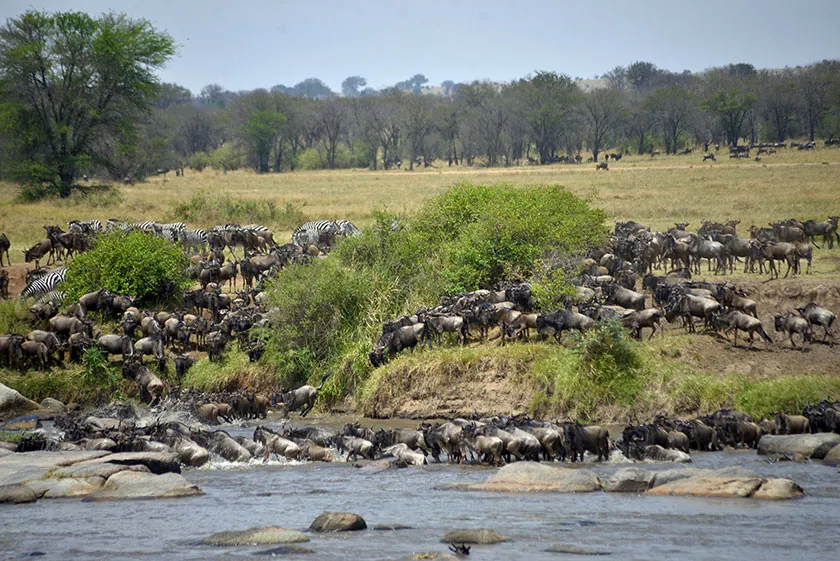
One of the top questions travellers ask is when is the best time for a safari in Tanzania. While there are definitely popular tourism seasons, other factors depend on one's personal preference. This guide will help you discover your ideal season to visit Tanzania, based on your tastes and travel interests.
The good news is that Tanzania offers extraordinary safaris twelve months a year. The real question is not whether you will see wildlife, but what kind of experience you want. Do you want to witness two million wildebeest crossing a crocodile-infested river? Do you want empty parks, lower prices, and lush green photography? Tanzania has all of this, and the timing determines which version you get.
Weather is Key
Other destinations may have traditional summer, winter, fall, and spring seasons, but Tanzania is situated near the equator and the Indian Ocean, meaning that its weather patterns are equatorial and tropical.
There are two distinct seasons in Tanzania: wet and dry. The wet season is the rainy season, while the dry season is sunny and sometimes hot. Each season has its pros and cons, which are discussed further below.
When selecting your safari dates, keep in mind that Tanzania's weather typically fits into these seasons. However, it is fairly common to experience sunny afternoons after a morning of rain during the wet season and occasionally rain during the dry season.
The Seasons in Tanzania
Tanzania does not have four seasons the way Europe or North America does. It has two dominant weather patterns: the dry season and the wet season. But within those, there are distinct safari windows, each offering a very different experience. Here is what to expect month by month.
January to March
These early months of the year are typically the hottest time of year in Tanzania, peaking in February. This season is generally dry and is one of the most popular times for safaris. Parks may feel a bit crowded, especially around the New Year.
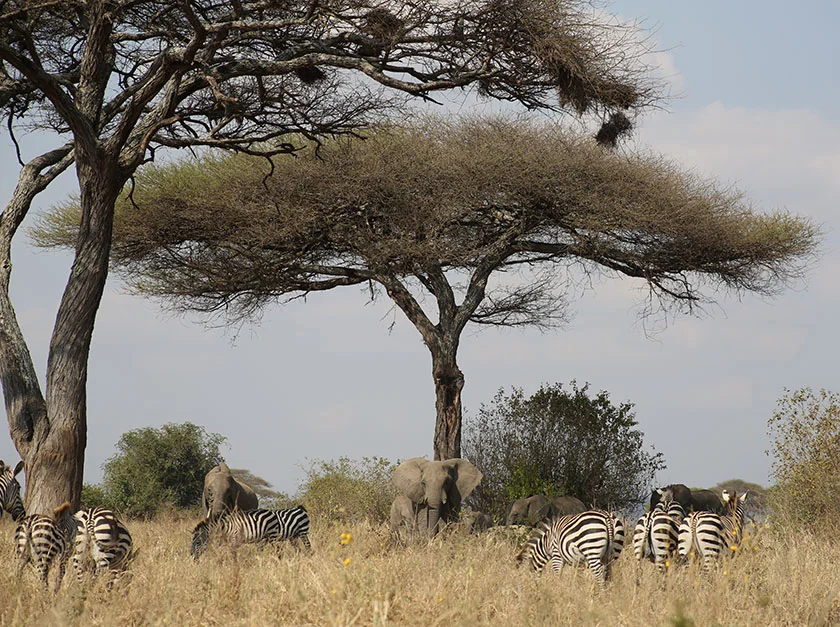
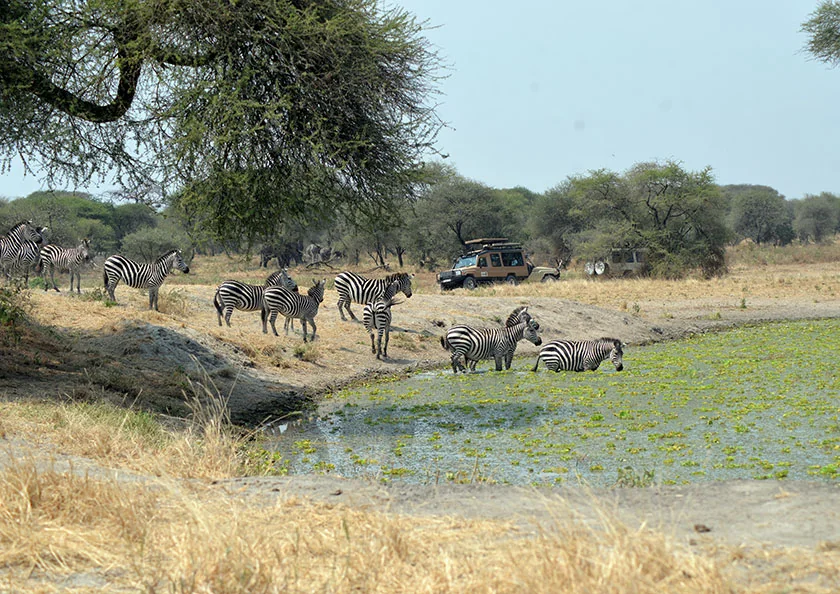
Animals may be seen crowding around rivers and lakes for water, as other sources dry up. Tarangire National Park is especially popular during this time, as zebras and gazelles come to the Tarangire River for water, and are soon followed by predators, such as lions and leopards, making this a major destination to spot all kinds of wildlife.
This is also calving season in the southern Serengeti and Ndutu area. Over 500,000 wildebeest calves are born in a span of just two to three weeks. The predator action is intense: lions, cheetahs, hyenas, and wild dogs take advantage of the abundance of vulnerable newborns.
March to May
Mid-March through May is the long rainy season, marked by nights and mornings of rain. Typically, the sun makes an appearance in the afternoon and evenings are serene and peaceful.
The rains make everything lush, green, and the animals are lively and active in the parks, with adequate sources of water everywhere. However, some rough roads in the parks may be impassable due to flooding or deep mud. Main roads in the parks are typically fine, and several parks, including Ngorongoro Conservation Area, have many sections of road which are paved and will not have any issues with driving.
This season sees significantly fewer tourists, and nearly all accommodations offer discounts for the low season. Guests who don't mind rainy mornings have shared that their safari during the rainy season felt like an intimate, secluded adventure because they felt like they had the whole park to themselves to watch the incredibly active animals in the damp, green forests.
June to September
This period is considered the cold season in Tanzania. While for locals, the weather is cold, and you will see people wearing winter coats and hats, those visiting from other climates find the weather pleasant and fresh. Bring a jacket for chilly mornings, but afternoons are nice and generally sunny, and the weather is dry during this time.
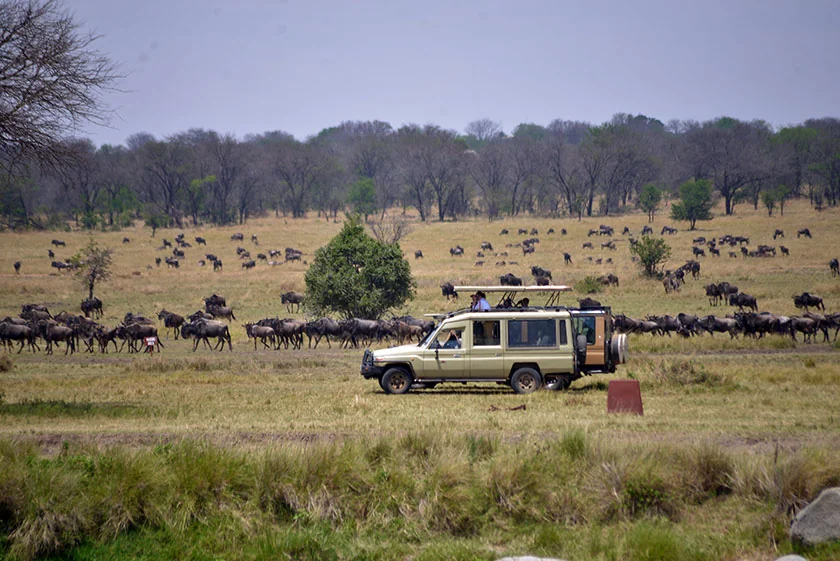
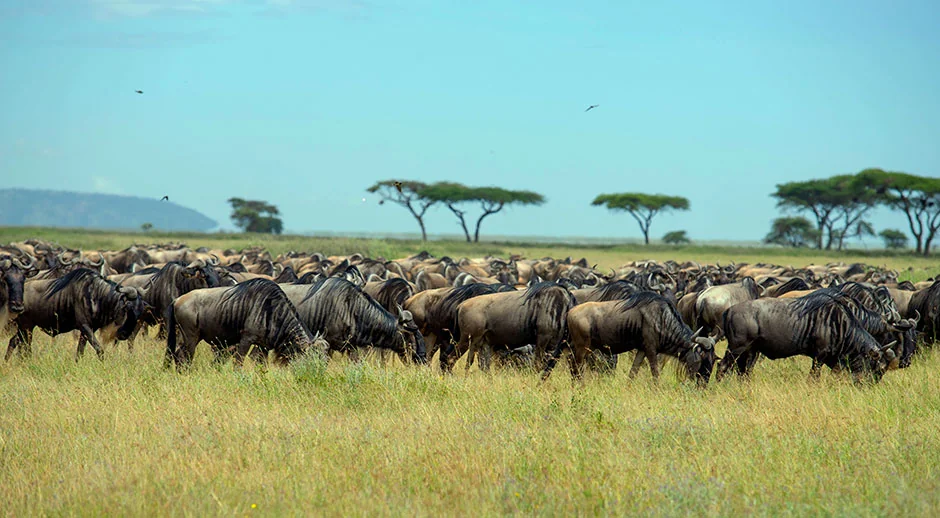
This is another popular travel season in Tanzania, with many visitors in the national parks. If you're not a fan of hot weather, this is the ideal time to visit during Tanzania's dry season. This is also a common time for viewing the Great Migration in Serengeti National Park.
The dry season is Tanzania's most popular safari window. Short grass makes animals easy to spot. Rivers and waterholes become natural gathering points. The Serengeti's Great Migration moves north, culminating in the legendary Mara River crossings. September is the value sweet spot within this window — see our Tanzania safari in September guide for details.
October to December
The short rains generally fall sometime between October and December, and the weather gets warmer as the end of the year approaches. October is also the time when the jacaranda trees across East Africa bloom, a truly beautiful spectacle of trees crowned with purple flowers. In December the Flame Trees blossom, turning a vibrant red just before Christmas.
Christmas is a popular time for tourists to visit Tanzania and often the short rains have stopped by mid-December as well. Many visitors plan something special to mark the holiday season, such as summiting Mount Kilimanjaro to commemorate the day. Hotels and lodges may serve a special holiday meal for guests.
The weather in December is usually considered ideal. However, parks and accommodations may feel more congested than other times of the year. The short rains from November to mid-December are one of Tanzania's best-kept secrets: the parks flush green, migratory birds arrive in enormous numbers, and the crowds thin dramatically.
Dry Season: Pros and Cons
Pros
- Favourable weather with sunny skies
- Abundance of wildlife at water sources
- Scenery looks like classic Africa: vast, dry grasslands
- Peak holiday seasons when most visitors have time off
- Good weather for an evening swim at your lodge
- Ideal for family vacations or honeymoons
- The most popular tourist season with best availability
Cons
- Parks may feel more crowded and busy
- Accommodations are full price with no discounts
- The end of the dry season may be dusty, bring a bandana
- Book lodges 6 to 12 months in advance for peak months
- Northern Serengeti during crossings can have 20+ vehicles
Rainy Season: Pros and Cons
Pros
- See Africa in a new way with lush, tropical green landscapes
- Photographers capture stunning contrast and vibrant colors
- Low-season discounts of 30 to 50 percent off peak rates
- Parks are uncrowded, feels like a private adventure
- Best birding season with migratory species arriving
- Newborn animals are everywhere during calving season
Cons
- Some park roads may be inaccessible due to mud
- Likely to experience some wet days, though it does not rain all day
- Bring a rain jacket and water-resistant shoes
- In some parks animals are more dispersed during rains
- Remote parks like Ruaha may have limited access in April and May
The Great Migration
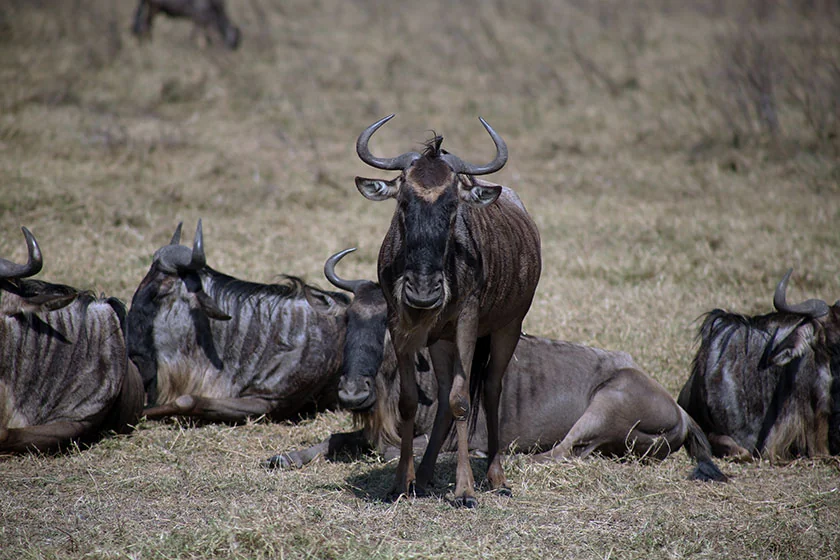
One of the biggest attractions in Tanzania is the Great Migration in Serengeti National Park. Each year, this natural phenomenon draws tourists from all over the world to witness the colossal movement of animals across the Grumeti River. It is one of the reasons the Serengeti is a UNESCO World Heritage Site, as it is the largest migration of animals on the planet.
For a short period, approximately two months each year, herds of wildebeests and other ungulates are in Kenya. Usually, around July and August, they migrate there with an epic river crossing, risking crocodiles and other predators to return to the fresh grass of the Maasai Mara. Herds spend the remainder of the year in Tanzania, mostly in the Serengeti or the corner of Ngorongoro Conservation Area.
What causes the animals to continue to move around? The migration is spurred by basic survival instincts. Herds of wildebeests, gazelles, impalas, elands, and zebras seek adequate water and greener grass. As the weather changes from dry to wet, the animals move to get to better sources of food and hydration. And they are continually followed by their impressive predators: lions, cheetahs, and leopards.
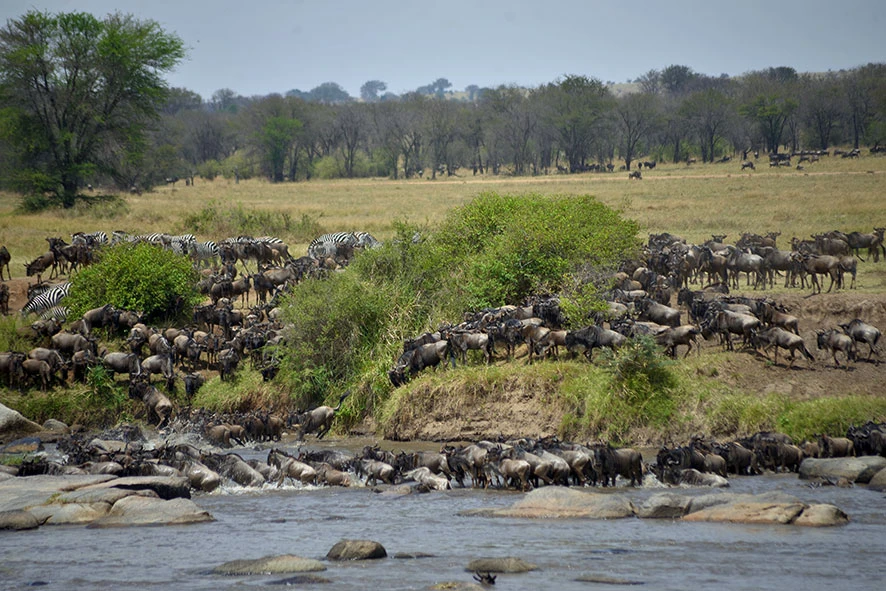
There are different portions of the Great Migration available to witness throughout the year:
February
Calving season, with thousands of baby wildebeests born each day. Witness the miracle of new life and the wonder of a baby wildebeest's ability to run shortly after birth.
March and April
Herds begin to congregate in the Seronera area of Serengeti, offering spectacular photo opportunities of massive numbers of animals peacefully grazing in a beautiful setting.
May
Herds begin to move northward, forming impressive columns of animals marching in sync. They congregate at the Western Corridor as they find a safe place to cross the Grumeti River.
July through September
Visitors witness the amazing Mara River crossing. Animals rush through dangerous waters in massive numbers. This is the stuff of National Geographic, but the energy and power of nature is intimately felt when witnessing it live.
November and December
The short rains push the herds back south through the eastern Serengeti. The cycle begins again as the animals follow the fresh grass.
There are two river crossings that occur during this yearly cycle: the Mara River and the Grumeti River. The Grumeti River crossing often occurs during May and June, as the herds enter Kenya. The Mara River crossing is the movement of herds from Kenya back into Tanzania, often happening during July and August.
As you can see, the Great Migration is an ongoing spectacle in Serengeti National Park. There is something to see and experience at nearly every time of the year. If the Great Migration is on your bucket list, this is certainly a chance to make your dream come true.
Safari Guide's Note
You will leave with a renewed appreciation for Africa's wildlife and raw aspects of nature that humanity has not interfered with. How incredible that this annual cycle has been occurring for probably a millennia, and we are still able to appreciate and witness it, even today.
When is the Best Time to Visit Tanzania?
Really, any time of year is the best time to have an amazing African safari in Tanzania. Personal preference is the deciding factor for what time of the year is ideal for you.
If you're after a special, intimate safari when Tanzania's parks are likely less crowded and you may feel like you have the entire hotel to yourself? Consider coming during the wet season.
If you want to see trees alive with nature's colors and ideal weather? Consider visiting Tanzania in October or November.
Is your heart set on witnessing a river crossing for Serengeti's Great Migration during the dry season? Then select dates in July or August.
Tanzania's wildlife is always moving, the flora of the national parks continually pulsating with life. Each and every month is the best time to experience the wonders of Tanzania. Select a time that best suits you, and be ready to be stunned by the natural beauty and thrilling wildlife of this amazing country.
Plan Your Tanzania Safari
Ready to plan your safari? Our expert-led safaris take you to Tanzania's finest parks with guides who know the bush like the back of their hands. Talk to a safari expert today and start planning your once-in-a-lifetime adventure.
Frequently Asked Questions
Sources & References
Official seasonal guides and park information used for this article:
- Tanzania National Parks (TANAPA) — park opening seasons, weather and wildlife viewing guidance.
- Tanzania Tourist Board — official destination and seasonal travel information.
- Serengeti.com — Great Migration timing and Serengeti seasonal facts.
Plan Your Safari
Browse Tanzania Safari Packages
Private tours from a local Moshi operator, transparent 2026 prices, no hidden fees.
Related Safari Planning Guides
Best Time for Tanzania Safari by Month
Detailed month-by-month planning guide
Serengeti Migration Month by Month
Follow the herds across the plains
Ngorongoro vs Serengeti
Which park is better for your trip?
Tanzania Weather and Climate
Temperature, rainfall, and seasons
Best Time to Visit Zanzibar
The island half of the trip — weather by month
Tanzania Safari Packages
Compare 2 to 7-day itineraries
How Much Does a Safari Cost?
Complete budget breakdown
Northern vs Southern Tanzania Safari
Why seasons change the north-south choice
Tanzania Safari Seasons
Dry vs green season compared — calving, crossings and prices
How Many Days in Tanzania
3, 5, 7, 10 or 14 days — what each length includes and costs
Last updated: August 26, 2026. All information verified against current park data and seasonal patterns.
