Quick Answer
Best overall months: June–October (dry season, best visibility, peak wildlife). Best for calving and predator action: January–February (southern Serengeti/Ndutu). Best value months: November and May (shoulder season rates, good wildlife, fewer crowds).
Worst months for most travelers: April and early May, long rains can close tracks and some camps. Still rewarding for budget-focused or adventurous travelers.
The honest summary: Tanzania has no truly bad month for wildlife. What changes is which experience is available, how comfortable conditions are, and what you pay for it.
If you already know your season and need actual itineraries or price ranges, compare Tanzania safari packages, review our safari cost guide for 2 people, or read our complete best-time-and-cost guide for a combined overview.
Tanzania's Two Main Seasons Explained
Tanzania's safari calendar is shaped by two distinct rainfall patterns. Understanding what each season actually feels like on the ground helps you match your expectations to reality.
Dry Season (Jun–Oct, Jan–Feb)
June through October is the classic dry season, this is when Tanzania safari is easiest and most predictable. Vegetation thins out as grasses dry and trees lose leaves, which opens sightlines dramatically. Animals concentrate around rivers and waterholes because surface water elsewhere has dried up. In Tarangire, you can watch herds of 200 or more elephants filing to the Tarangire River at dusk. In the Serengeti, lions rest in open shade and leopards drape themselves over acacia branches in plain sight.
Temperatures are comfortable by East African standards: mornings are cool (12–18°C on the rim at Ngorongoro, 18–22°C on the Serengeti plains), afternoons warm up to 25–28°C. January and February are technically a dry spell within the "green season", warm, with some afternoon showers, but dramatically better road conditions than April–May.
The trade-off is cost and crowds. July and August are peak months in every sense, the crossings draw serious wildlife photographers from around the world, and the best camps near the Mara River charge peak rates. Book 8–12 months ahead.
Wet Season (Mar–May, Nov)
The long rains run from roughly late March through May. This is the most challenging period operationally, some dirt tracks in the western Serengeti and parts of Tarangire become impassable, and a handful of remote camps close for maintenance. Rain typically arrives in heavy afternoon showers rather than all-day grey drizzle, so mornings can still be clear and productive for game drives.
What the wet season delivers in exchange: empty parks, dramatically lower prices (20–40% below peak at the same lodges), vivid green scenery, and phenomenal birdlife. Over 900 species of birds have been recorded in Tanzania, and many of them, including European and Palearctic migrants, arrive in November through April. The Ngorongoro Crater looks extraordinary in the rains, with its floor flooded and flamingo flocks feeding in the shallows.
November's short rains are gentler and shorter than the long rains, typically brief showers, rarely all-day. November is an excellent value month and the parks are noticeably quieter than October despite comparable wildlife quality. Many experienced safari travellers consider November their preferred month specifically because it combines green scenery, active wildlife, and fair prices.
Tanzania Safari Month-by-Month Overview
| Month | Weather | Wildlife Highlight | Crowds | Value |
|---|---|---|---|---|
| January | Warm, mixed showers | Calving season begins in south | Moderate | Good |
| February | Warm, generally clear | Peak calving + predators | Moderate | Good |
| March | Transition month | Strong game viewing | Lower | Very good |
| April | Long rains | Green landscapes, fewer vehicles | Low | Best prices |
| May | Wet in many areas | Good in select parks | Low | Best prices |
| June | Dry season starts | Excellent visibility | Rising | Good |
| July | Cool, dry | Peak game viewing | High | Premium |
| August | Dry, stable | Peak northern migration zones | High | Premium |
| September | Dry | Excellent all-round safari | High | Premium |
| October | Dry to early transition | Still strong viewing | High | Premium |
| November | Short rains begin | Good with fewer crowds | Low-Moderate | Very good |
| December | Warm, mixed | Good festive-season safari | High (holidays) | Mixed |
Month-by-Month Detail
January
January marks the beginning of calving season in the southern Serengeti and Ndutu area, one of the most dramatic wildlife events on the continent. By mid-January, the wildebeest herds are concentrated on the short-grass plains between Ndutu and the Ngorongoro Conservation Area border, and the first calves are hitting the ground. The migration is at its most accessible here, with vast open plains allowing long-range visibility. Predator activity is exceptional: cheetah mothers hunting to feed cubs, lion prides cooperating on wildebeest, and spotted hyenas in large clan groups.
Weather-wise, January sits in a brief warm dry spell between December's rains and the arrival of the long rains in March. Temperatures on the central Serengeti plains reach 27–30°C in the afternoons, dropping to around 15°C overnight. The skies alternate between photogenic clouds and clear blue, January light is excellent for photography. Crowd levels are moderate, the park is busy but not overwhelmingly so. Prices are mid-range, making this one of the better value windows for an experience of this quality.
February
February is peak calving season, roughly 8,000 wildebeest calves are born every single day at the height of the calving flush, and the Ndutu plains become one of the greatest wildlife spectacles on Earth. Calves that can stand and run within minutes of birth still face a gauntlet of predators. The concentration of cheetahs near Ndutu in February is unmatched anywhere in Africa. Leopards hunt in the fever tree forests, and large lion prides with cubs take full advantage of the abundance. It is dramatic, raw, and unforgettable.
The weather is warm and relatively dry with good open skies, the green short-grass plains contrast vividly with the blue sky for photography. Temperatures are similar to January: warm afternoons, cool evenings. Ngorongoro Crater is excellent in February: the floor stays wet from January rains, flamingos are present in large numbers, and the Big Five are all reliably visible in a single day. Crowd levels are moderate, February sees fewer visitors than July–September despite delivering equally dramatic content. One of the most underrated months on the safari calendar.
March
March is a transition month. The calving season is winding down in the south as the herds begin moving north and west in response to emerging rains. Wildlife viewing can still be excellent in the first two weeks, particularly in the central Serengeti, but the open plains of Ndutu start to empty out as the rains arrive. In Tarangire and Lake Manyara, game viewing is still very strong, large elephant herds are present and predator activity remains good before the grass grows too long. Ngorongoro is reliable year-round and March is no exception.
Rain starts arriving in earnest toward the end of March, usually afternoon showers initially, building to heavier and more frequent rain by April. Temperatures are warm: 25–30°C on the plains. Crowd levels are lower than January and February as many international travelers avoid shoulder months. Prices are genuinely good. If your dates land in early March, you have a realistic chance of the tail end of calving season in a significantly less crowded environment. Mid to late March requires more flexibility around park conditions.
April
April is the heart of the long rains, the most challenging month operationally. Heavy afternoon showers are common, some days see extended rain, and certain tracks in the Serengeti's western corridor and parts of Tarangire can become genuinely impassable for standard 4WD vehicles. Some tented camps close for the season in April and reopen in June. That said, the parks themselves remain open, and certain areas, Ngorongoro Crater, the central Serengeti, and much of Tarangire, remain accessible with good vehicles and experienced guides.
The reward for brave April travelers is substantial: park entry fees do not change but lodge rates drop to their lowest of the year (often 30–40% below peak). You may have entire sightings to yourself. The wildebeest are moving through the central and western Serengeti en route north, so migration wildlife is still present. Birdlife is at its most spectacular with migrants present and breeding plumage on display. April suits adventurous travelers, budget-focused visitors, and serious birdwatchers. It is not the month for first-timers expecting a straightforward classic safari experience.
May
May continues the long rains, typically easing toward the end of the month as conditions begin their transition toward dry season. The first half of May can be heavy, similar challenges to April with track accessibility. The second half improves noticeably, and some camps that closed in April begin reopening. The Serengeti's northern sections, including Lobo and areas near the Kenyan border, are generally more accessible than the western corridor in May. Tarangire stays reasonably accessible throughout and lion sightings are good.
May has the lowest prices of the year, lodge and camp rates are at their absolute floor, and package prices reflect this. The wildebeest herds are actively moving north and northwest through the Serengeti during May, so you can encounter large concentrations even in difficult conditions. Ngorongoro is largely unaffected by rain in terms of wildlife access, the crater road can get slippery, but experienced drivers handle it routinely. For travelers whose primary goal is budget and who do not mind some unpredictability, late May is an appealing window. Early June brings rapidly improving conditions and the official start of peak season.
June
June marks the opening of the dry season and the beginning of one of the best wildlife periods in Africa. The grass is still slightly green from the late rains but is drying quickly, which gradually improves visibility. The wildebeest herds are in the western Serengeti or beginning to push north, and the Grumeti River crossings typically begin in June, smaller and less dramatic than the Mara River crossings, but still impressive. Predator activity is high as the herds move. In Tarangire, elephant numbers are starting to concentrate around the river as waterholes elsewhere dry up.
June temperatures are the coolest of the year: mornings at Ngorongoro Crater rim can drop to 8–10°C, so warm layers for early game drives are essential. Daytime is pleasant, 22–26°C in most parks. Crowds are rising as the peak season builds, lodges that were half-empty in May start filling by mid-June. Prices move from shoulder to peak rates around July 1 in most properties. June is arguably the best value month in the dry season: excellent conditions, building wildlife action, before the full premium prices kick in. Families particularly benefit from June's combination of school holidays, good conditions, and slightly lower rates than August.
July
July is the beginning of peak season and the month when the Great Migration river crossings at the Mara River start in earnest. The wildebeest herds, numbering over 1.5 million animals, have pushed into the Northern Serengeti and begin gathering on the banks of the Mara River. Watching a crossing is genuinely one of the most extraordinary wildlife experiences anywhere: thousands of wildebeest plunging into a crocodile-filled river in a frenzied stampede, with the outcome uncertain for every individual. The Northern Serengeti's Kogatende area is the prime position, and the camps there fill up months in advance.
Beyond the crossings, July delivers excellent all-round game viewing across every major park. The dry conditions mean animals congregate around water, predator-prey dynamics are in full swing, and the sparse vegetation makes spotting easy. Temperatures are comfortable: 20–26°C in the afternoons, cool evenings. This is the start of the school holiday period in Europe and North America, so family travel peaks, book your lodges 8–10 months ahead for July. Expect to pay peak-season rates at all properties, and expect company at popular sightings. The experience justifies both.
August
August is statistically the most active month for Mara River crossings and is broadly considered the peak of Tanzania safari season. The wildebeest herds are fully consolidated in the Northern Serengeti and cross back and forth across the Mara River multiple times during August, crossings can happen daily if conditions are right, and the scale is extraordinary. Crocodiles patrol the crossing points. Lion prides work the area intensively. The full spectacle of predator-prey ecology plays out in front of you at a scale that exists nowhere else on Earth.
August is also excellent in parks outside the migration zone. Tarangire's elephant concentrations are at their peak, 4,000+ elephants visit the park during the August dry season, and the landscape of ancient baobabs with giant elephant herds is strikingly beautiful. Ngorongoro Crater delivers reliable Big Five sightings, and the dry floor means good visibility to all corners. Every park is busy in August, and every lodge is charging peak rates. The price is real but so is the experience. Photography in August is outstanding: clear light, dramatic skies, and extraordinary subjects at every turn.
September
September is the final month of peak crossing season and arguably the best all-round safari month if you want both river crossings and general wildlife quality. The Mara River crossings continue through September, though the herds are beginning to sense the coming rains and some start drifting south. The Northern Serengeti remains excellent throughout September. General game viewing across the Serengeti is superb, the dry season is at its most extreme, concentrating wildlife around the last remaining water sources, and predator-prey interactions are intense.
September benefits slightly from lower crowds than July–August, as European school holidays end in late August. Prices remain at peak season rates but lodges that were 100% booked in August may have occasional openings in September if you have not booked in advance. Weather is dry and stable, temperatures are warming slightly toward 26–28°C. This is a strong month for photography, the light is clear, the dust is rising, and the open conditions make for striking savanna images. Families who can travel in September rather than August often find slightly better availability.
October
October is the tail end of the dry season, transitioning toward the short rains that typically arrive in November. The wildebeest herds are beginning their southward migration, moving out of the Northern Serengeti toward the central areas as the first rains bring fresh grass growth in the south. This reverse movement can be excellent for wildlife viewing, the herds are actively on the move, and predators follow closely. Elephant viewing in Tarangire remains excellent throughout October, as does general game viewing in Ngorongoro Crater.
Weather in October is transitional, mostly dry with increasing humidity and some light showers toward the end of the month. Temperatures are warming: 27–30°C in the afternoons. Crowd levels remain high in early October (peak season pricing is still in effect at most lodges) and begin to ease off in the second half of the month. This makes late October an interesting window, still excellent conditions and wildlife, but with the start of a crowd and price reduction. Worth considering if your dates are flexible and you want the best of the dry season at slightly more manageable rates.
November
November is one of the most genuinely rewarding months for savvy safari travelers. The short rains arrive, typically as brief afternoon showers rather than the extended downpours of April and May, and the parks stay largely accessible. The wildebeest are actively moving south through the Serengeti toward their calving grounds, so there is real migration action throughout the month. The fresh rains trigger new grass growth, and the landscape transitions beautifully from dry brown to vivid green. Birdlife surges as migrants arrive for the African summer.
Crowd levels drop noticeably from October's peak. Lodge prices shift to shoulder or green season rates at most properties, typically 20–30% below July–September rates for the same quality of accommodation. The combination of active wildlife, improving scenery, lower prices, and fewer vehicles at sightings makes November excellent value. One honest caveat: afternoon showers can occasionally last longer than expected, and a small number of remote tracks get temporarily wet. With an experienced guide and a proper 4WD, this is rarely a significant issue. November is particularly recommended for travelers whose primary goal is value without sacrificing wildlife quality.
December
December brings the wildebeest back to the southern Serengeti and Ndutu area in preparation for the January–February calving season. By late December, large herds are already arriving on the short-grass plains, and the landscape is green and beautiful from the short rains. Wildlife viewing is good throughout, not the absolute peak of dry season, but far from poor. The southern Serengeti in late December offers excellent game with the added prospect of early calving in very late December if conditions are right. Ngorongoro Crater delivers reliable Big Five year-round.
December is split into two very different cost and crowd profiles. Early December (before the 20th) is relatively quiet and rates are reasonable, one of the better value windows for a good experience. Christmas and New Year (December 20–January 5) sees a sharp spike in demand and pricing, with many lodges charging their highest rates of the year. If you are traveling over the festive period, book extremely early and budget for premium prices. The experience is wonderful, camp fires under African stars on Christmas Eve are memorable, but the premium is real. Avoid December 20–January 5 if budget is a primary concern.
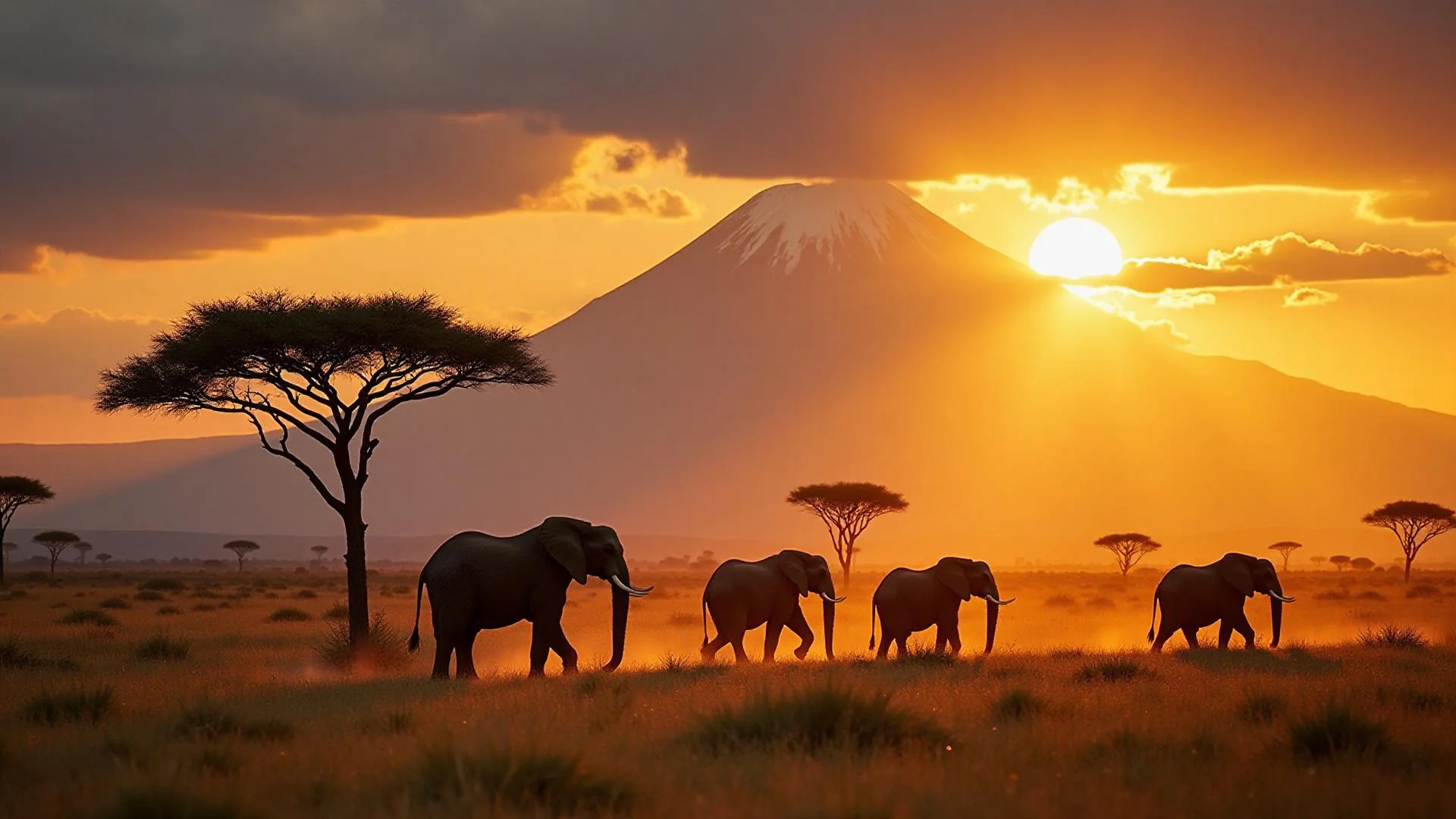
Tanzania's diverse safari landscapes span savanna plains, crater highlands, and riverine forests.
Best Months by Travel Goal
Best for Migration Crossings
July–September in the Northern Serengeti (Kogatende area). August is statistically the most active month for Mara River crossings. Plan a minimum of 3 full days in the north to maximise your chances. The crossings happen on the wildebeest's schedule, patience is part of the deal.
Best for Calving Season
January–February in the Southern Serengeti and Ndutu. Peak calving in late January through mid-February. The predator density around Ndutu during this period is exceptional, cheetahs, lions, leopards, and hyenas all within a few kilometres of each other.
Best Value Months
November is the single best value month, short rains only, active wildlife, 20–30% lower prices. Late May is the deepest discount but requires more logistical flexibility. Early June offers a brief window of improving conditions before peak rates kick in.
Best for Families
June–September for stable, predictable conditions that work well with children's schedules. July and August align with Northern Hemisphere school holidays. December (early) also works well before the holiday price spike hits. For families, predictability matters more than squeezing out the absolute best wildlife window.
Best for Photography
January–February for green plains, dramatic skies, and extraordinary predator-prey interactions in Ndutu. July–August for river crossings, dry-season drama, and open sightlines. Both periods offer professional-grade photographic opportunities, different subjects, equally compelling.
Best for Avoiding Crowds
April–May (long rains), genuinely quiet but requires flexibility around conditions. November for good wildlife with minimal crowd pressure. Early June and late October are shoulder windows within the dry season where crowd levels ease noticeably before and after the August peak.
Park-by-Park Seasonal Advice
Serengeti National Park (14,763 km²)
The Serengeti rewards visitors differently depending on which section you visit and when. The southern Serengeti and Ndutu area is best January–March for calving. The central Serengeti (Seronera Valley) is reliable year-round, this is where the resident lion prides and leopards live, and game viewing is good in every month. The Western Corridor sees the Grumeti River crossings in June–July. The Northern Serengeti (Kogatende) is the place to be from late July through October for Mara River crossings.
Avoid planning a northern Serengeti crossing-focused trip in April–May, the herds simply are not there, and the distance involved for a wet-season drive is challenging. If your dates are in the green season and you want Serengeti, focus on the central section and combine with Ngorongoro Crater, which is reliable year-round.
Ngorongoro Crater (260 km² floor, ~25,000 animals)
Ngorongoro Crater is the most consistently productive wildlife viewing location in Tanzania across all twelve months. The crater's enclosed ecosystem means the Big Five, lion, leopard, elephant, buffalo, black rhino, are present year-round with no seasonal migration out. The crater floor holds approximately 25,000 animals permanently. Even in April and May when other parks slow down, Ngorongoro Crater remains excellent.
The rim lodge experience is altitude-dependent: at 2,300m, the rim is genuinely cold in the dry season evenings (June–August), bring warm layers even in Africa. The crater floor, 600m below, is warmer and more sheltered. The best time for photography inside the crater is when the floor has water (November–April) and the flamingos are present in the soda lake. February is particularly spectacular with calving activity visible from the crater rim looking south toward Ndutu. Crater entry fees are per vehicle per entry, so plan to spend a full day inside rather than a partial visit.
Tarangire National Park
Tarangire's season is defined by elephants. During the dry season (June–October), the park experiences some of the best elephant viewing in all of Africa, over 4,000 elephants migrate into the park from surrounding areas as the Tarangire River becomes one of the last water sources in the region. Watching herds of 200+ elephants on the riverbank, with ancient baobab trees as a backdrop and lions in the shade nearby, is one of the most visually striking experiences in East African safari.
Outside the dry season, Tarangire's wildlife disperses as water becomes available elsewhere, but the park remains good for general viewing year-round, it is less seasonal than the Serengeti. The baobab landscape is gorgeous in the green season when the trees leaf out. Tarangire is excellent for families: the elephant concentrations mean you spend more time watching and less time searching, and the shorter drives within the park work well with children's attention spans. It pairs naturally with Ngorongoro Crater on a 5–7 day northern circuit itinerary.
Lake Manyara National Park
Lake Manyara is compact, just 325 km², but genuinely diverse. The park is famous for its tree-climbing lions: small prides regularly rest in the branches of fever tree acacias, an unusual behaviour documented in very few other locations globally. The lake itself hosts flamingo flocks (most spectacular in the wet season when algae bloom), hippo pools, and a variety of waterbirds. Baboon troops and elephants are reliable year-round.
Manyara is typically used as a half-day or full-day park rather than a multi-night destination, it works well as the first or last stop on a northern circuit itinerary before or after Ngorongoro. The best season is the dry season for tree-climbing lion access and hippo sightings in the river sections, but the flamingo spectacle is actually better in the wet season when the lake level is higher. As a compact, accessible park, Manyara is one of the best choices for families with younger children who may not sustain long, searching game drives across the Serengeti plains.
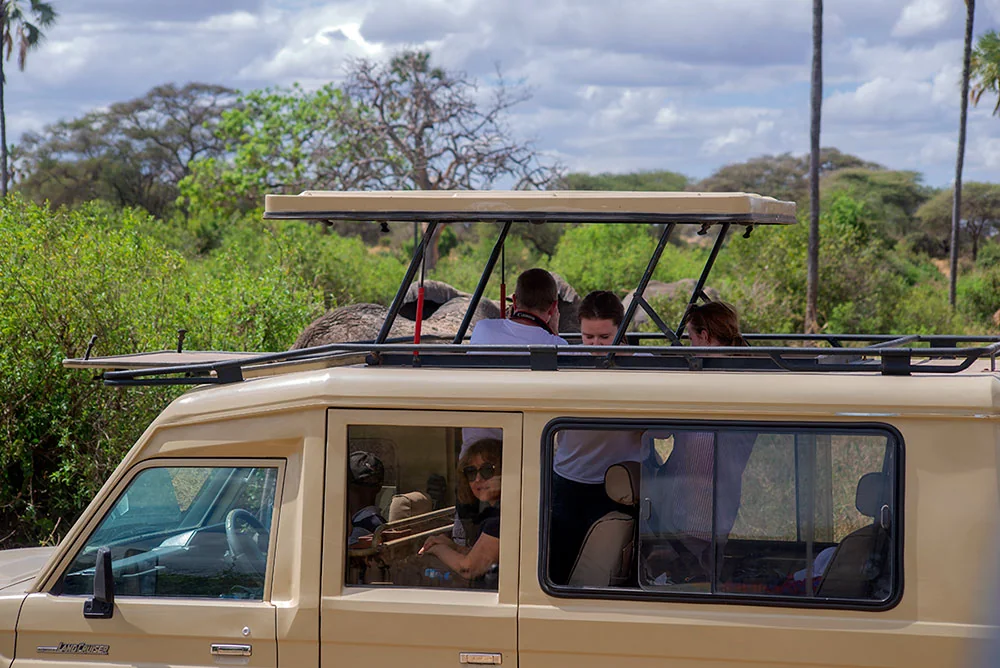
A classic safari vehicle on the open Serengeti plains during the dry season.