Quick Answer
June marks the transition from Tanzania's long rains to the dry season, and the combination of factors this produces is genuinely compelling. The plains are still green and lush from the rains, which makes for outstanding photography, but the skies have cleared and morning visibility is crisp. The Great Migration herds are moving north through the central and western Serengeti, and Grumeti River crossings typically begin in earnest by late June. Meanwhile Tarangire is entering its best period as the river becomes the focal water source for hundreds of elephants. All of this comes at prices that are typically 10–20% below the July–August peak for the same camps and routes.
Why June Is a Smart Safari Month
The Grumeti River Crossings Begin
Tarangire's Elephant Season Peaks
Value Before the Peak Rush
Lush Green Landscapes
Wildlife Highlights in June
The Great Migration in June. In a typical June the wildebeest herds, numbering roughly 1.5 million animals when you include the accompanying zebra, are spread across the central and western Serengeti, moving progressively northward following the green flush of new grass. The central Serengeti around Seronera is productive in early June, while the Western Corridor (the area around Kirawira, the Grumeti Reserve, and Ndabaka Gate) becomes the focus by late June as the herds approach the Grumeti River. The first Grumeti crossings typically happen in the third or fourth week of June. Positioning in the Western Corridor gives you access to both the mass of migrating animals on the plains and the genuine possibility of watching a river crossing, often with very few other vehicles present.
Tarangire in June. As the dry season takes hold, the Tarangire River contracts to a series of pools and muddy channels that become the only water source in a vast dry landscape. Elephant families from across the ecosystem converge on the river, it is not uncommon to count 200–300 elephants visible from a single vantage point on the river bank. Large buffalo herds, zebra, wildebeest, and giraffe all compete for access, and lion prides stake out positions near the water to take advantage of the concentration. June is the month when Tarangire transitions from a good park to an exceptional one, and it is consistently underrated by travelers who focus all their attention on the Serengeti.
Ngorongoro Crater. The crater is excellent year-round and June is no exception. The crater floor, sitting at around 1,800 meters below the 2,300-meter rim, is warmer and drier than the surrounding highlands. In June the crater floor supports dense concentrations of plains game: wildebeest, zebra, Thomson's gazelle, buffalo, and flamingos at the crater lake. Black rhinoceros sightings are most reliable in Ngorongoro, the crater supports one of Africa's few remaining viable black rhino populations, with around 30–40 individuals. Early morning drives along the Lerai Forest and Mandusi Swamp areas give the best rhino chances. The crater also supports resident lions, hyenas, and jackals year-round.
Predators across the circuit. June's combination of thinning grass and concentrated prey makes predator sightings reliably strong. Lion prides that dispersed during the rainy season regroup around water and prey concentrations. In the Serengeti, cheetahs hunt on open plains where their speed advantage is greatest, and in June the plains are still firm enough for high-speed chases. Leopard sightings are most consistent in Tarangire (especially around the kopjes in the northern section of the park) and in the Seronera Valley in the Serengeti where fig trees along the river attract prey. With the grass lower than in the wet season but not yet fully dried, the balance strongly favors good sightings.
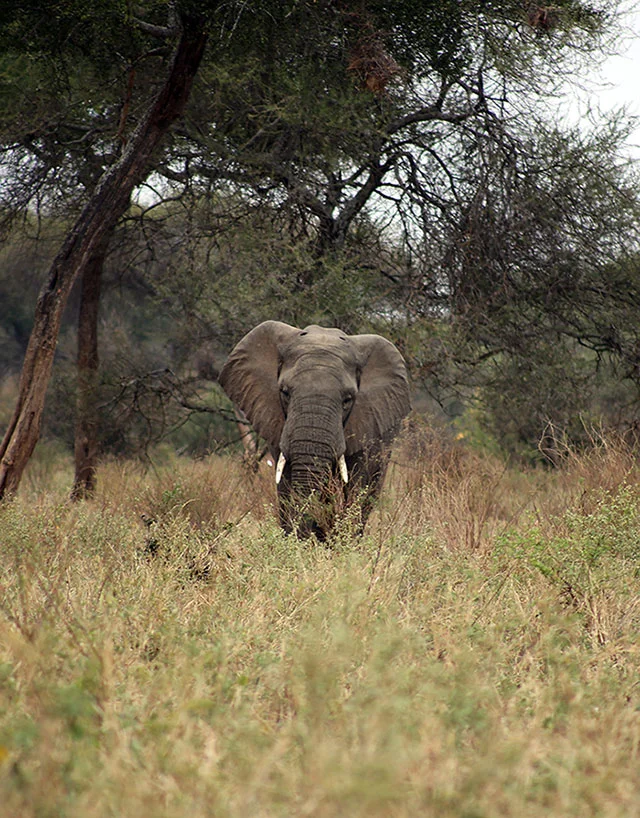
Tarangire's elephant concentrations peak in June as herds gather at the shrinking river.
June Weather Snapshot
Temperature by Zone
Serengeti plains: Morning game drives departing camp at 06:00 will feel cold, temperatures are typically 12–16°C with an open vehicle adding wind chill. By midday the plains warm to 24–28°C and remain comfortable throughout the afternoon. Pack a fleece or light down jacket specifically for the morning drive; you will want it.
Ngorongoro Crater rim: This is where the cold genuinely bites. The rim sits at 2,300 meters and at night temperatures drop to 5–10°C. Some mornings feel closer to 3–4°C. Crater rim lodges and camps are the coldest accommodation on the northern circuit. If your itinerary includes a night on the rim, which is ideal for an early crater descent, bring a warm layer you would be comfortable hiking in.
Crater floor: Warmer than the rim at 17–22°C during the day.
Tarangire: Slightly warmer and drier than the Serengeti, daytime temperatures 26–30°C, mornings around 15–18°C.
Rainfall Pattern
June is effectively the end of Tanzania's long rains. Early June can still see occasional afternoon showers, particularly in the western Serengeti and around Ngorongoro where highland topography creates local weather. By mid-June most parks are dry and by late June the countryside is firmly in dry-season mode across all northern circuit destinations.
The transition matters for road conditions. In early June some tracks in the Western Corridor can still be soft from recent rain, 4WD is always used on safari, but your driver will navigate carefully. By the third week of June roads have firmed up considerably and driving to remote areas becomes straightforward.
Rain risk in June is low but not zero. We advise packing a lightweight waterproof layer for the first week of June itineraries specifically.
The Photography Advantage
Cost Expectations in June
Price Brackets
June sits at the entry point of peak season pricing, meaningfully above the shoulder rates of April–May but below the July–August maximum.
Per person rates based on double occupancy, all-inclusive (accommodation, game drives, park fees, shared vehicle). Solo traveler supplements apply.
June pricing is typically 10–20% below the July–August rate for the same properties. A luxury camp charging $1,100 per person per night in July may offer the same experience for $850–$950 in June.
Booking Strategy for June
June is significantly more forgiving on booking timelines than July or August. For mid-range lodges and standard northern circuit itineraries, booking 6–8 weeks in advance is often feasible. For the best properties, particularly camps in the Grumeti Reserve and Western Corridor, aim for 3–4 months ahead to secure your preferred dates.
The contrast with July is stark: top camps in the Northern Serengeti for Mara River crossings can be fully committed a year out. In June you are rarely competing with that level of demand. Last-minute June bookings (under 3 weeks) are possible at many properties, though the best dates and room types go first.
Internal flights on the Kilimanjaro–Seronera or Kilimanjaro–Kogatende routes should still be booked early, small aircraft have limited seats and June demand is growing year on year.
What to Pack for June Safari
Warmth for morning drives: A fleece or light down jacket is essential for 06:00 game drives in the Serengeti. The open vehicle moving at 40 km/h in 13°C air feels significantly colder than standing still. Most guests who underpack for morning cold spend the first hour of their best drives uncomfortable.
Ngorongoro nights specifically: If your itinerary includes a crater rim lodge, bring a genuinely warm top layer, something you would wear hiking in cool European autumn. The rim at night in June can drop to 5°C. A sleeping bag liner is worth adding if you run cold.
Camera kit: A lens cloth is important, early mornings in June can have residual humidity from the rains that coats your front element. Dust is increasing but not yet at the July–August levels. Bring extra batteries (cold drains them faster) and at least two spare memory cards.
Sun protection: Once the skies clear in June the equatorial sun is strong. SPF 50 sunscreen and a wide-brim hat are non-negotiable for midday game drives. The UV index at Serengeti altitude is considerably higher than most visitors expect.
Clothing colors: Khaki, olive, tan, and muted greens. Avoid white (dust shows immediately), black (absorbs heat and can attract tsetse flies in some areas), and any bright or neon colors. Most good safari lodges provide laundry service so you need fewer changes than you think.
Footwear: Comfortable closed shoes for vehicle time (dust enters open footwear) and walking sandals for camp. You do not need hiking boots for a standard vehicle safari.
Binoculars: 8x42 or 10x42 are ideal. Spotting a leopard in a tree 300 meters away without binoculars is genuinely frustrating. If you only own 8x30s, bring them, something is much better than nothing.
Light dust buff or scarf: Not strictly necessary in early June but useful in the Western Corridor by late June when roads are drier.
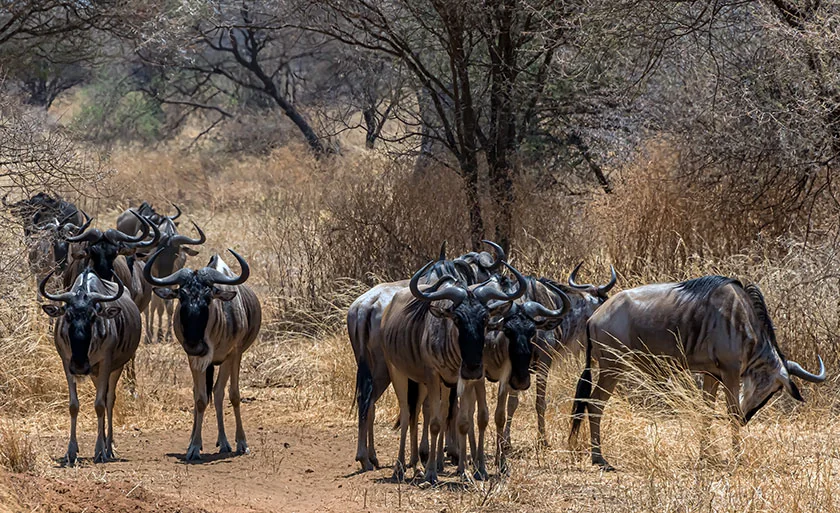
The Great Migration herds move north through the Serengeti in June, with Grumeti crossings beginning by late month.