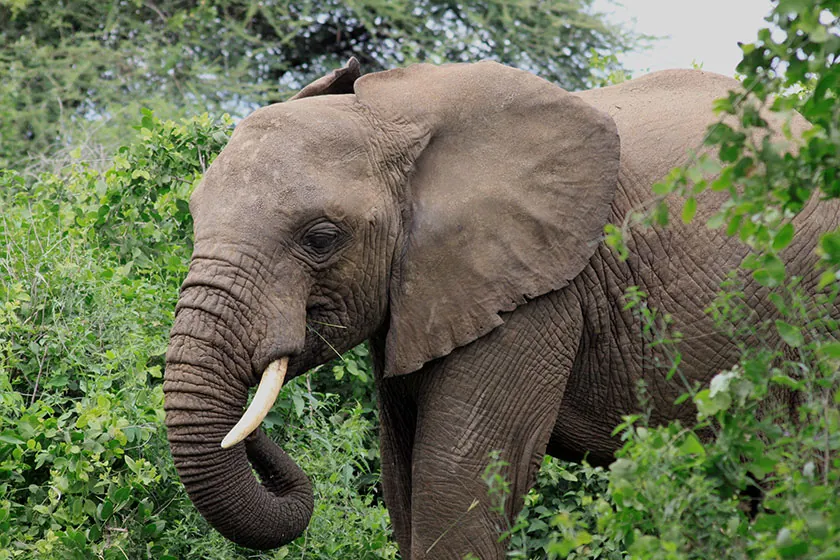
Tarangire is one of Tanzania's most distinctive safari destinations — a land of ancient baobab trees, sweeping savannahs, and one of the greatest elephant displays in Africa.
It often appears as a supporting player on northern circuit itineraries, but it deserves more time than most travellers give it. And unlike parks where wildlife stays fairly consistent all year, Tarangire changes dramatically with the rainfall.
Rivers, wetlands, and grazing areas shift as the months pass, deciding where the animals gather and how easily you will see them. Get the timing right and you can find yourself watching hundreds of elephants at the water's edge. Get it wrong, and you might wonder what all the fuss was about.
What This Guide Covers
Tarangire's seasonal pattern month by month, when the elephants and predators are at their most concentrated, the best time for birdwatching, and how to match your visit to your own safari goals.
Let's walk through each season together — the way I would talk a friend through planning their trip — so you can choose the moment Tarangire reveals itself at its most memorable.
Tarangire at a Glance
Best Time
June – October (dry)
Peak Months
August & September
Signature Species
Elephants
Rainy Season
March – May & Nov
Birding Peak
Wet season
Crowd Level
Low in wet season
Wildlife Density
Highest in dry season
Roads
Tricky in heavy rain
Photography
Great year-round
Overview of Tarangire's Seasonal Pattern
Tarangire runs on a simple but powerful rhythm: a classic dry and wet season cycle, with each period offering a genuinely different safari. The four seasons are:
Dry Season
June to October · Peak wildlife concentration
Elephants gather by the hundreds along the Tarangire River; visibility is superb.
Short Rains
November to December · Transitional green landscape
The bush turns greener, birdlife surges, and the park is quieter and more atmospheric.
Wet Season
March to May · Lush scenery, quieter parks
Dense vegetation, dramatic skies, calving wildebeest, and far fewer visitors.
Warm & Stable
January to February · Reliable, with fewer crowds
Green landscapes, warm weather, and consistent sightings near water sources.
The key takeaway: each season has real strengths, but they offer very different viewing conditions and wildlife behaviour. What is right for you depends entirely on what you want from your safari.
Dry Season: June to October (The Prime Wildlife Period)
The dry season is widely considered the most rewarding time to visit Tarangire. As the smaller water sources dry up, animals are drawn to the one thing they cannot live without: the permanent Tarangire River. It becomes the lifeline of the whole park.
Why This Season Stands Out
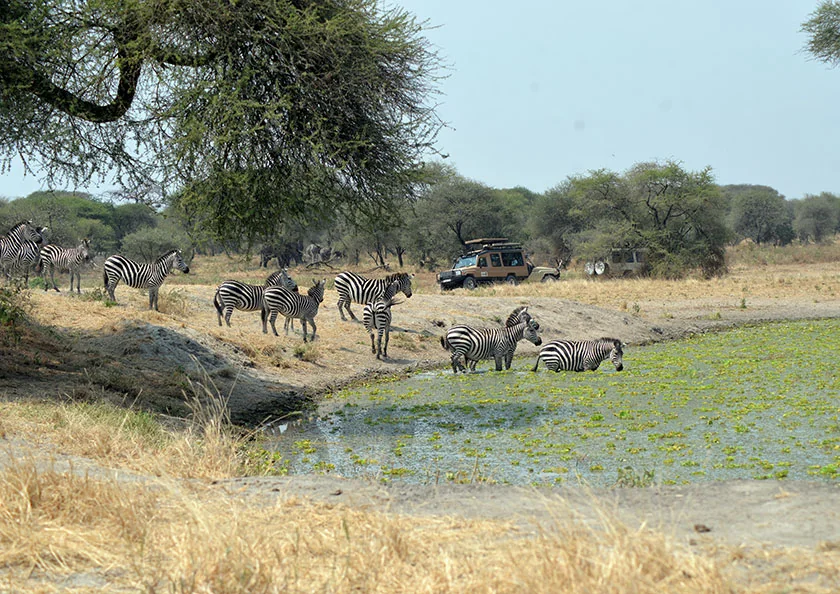
Wildlife becomes highly concentrated and far easier to spot. Elephant herds are the icon of the park — often gathering in groups that number in the hundreds. Lions, leopards, zebras, wildebeest, and buffalo all move closer to the remaining water as the dry bush thins out your line of sight.
The vegetation is thinner, which dramatically improves visibility across the open plains. Game drives in the dry season deliver consistent sightings throughout the day, with minimal effort spent searching. Tanzania National Parks highlights Tarangire's famous dry-season concentration of elephants along the river.
It is also the most reliable season for pairing Tarangire with the rest of the northern circuit, since wildlife viewing conditions across the whole region are at their best. Matching the timing across several parks is where a well-planned safari itinerary really pays off.
July to October: Peak Dry Season Conditions
The late dry season is the most dramatic period in Tarangire. By August and September, water is extremely scarce, and the concentration of animals along the river reaches its peak. This is Tarangire at its most spectacular.
Massive elephant herds congregating near water
High predator activity thanks to concentrated prey
Excellent visibility for photography
Clear skies and consistent game drives
This is the most popular safari window, so you will not be alone on the drive tracks. But the quality of wildlife viewing remains exceptional — and for most visitors, the trade-off for a few extra vehicles is more than worth it.
November to December: Short Rains and Renewal
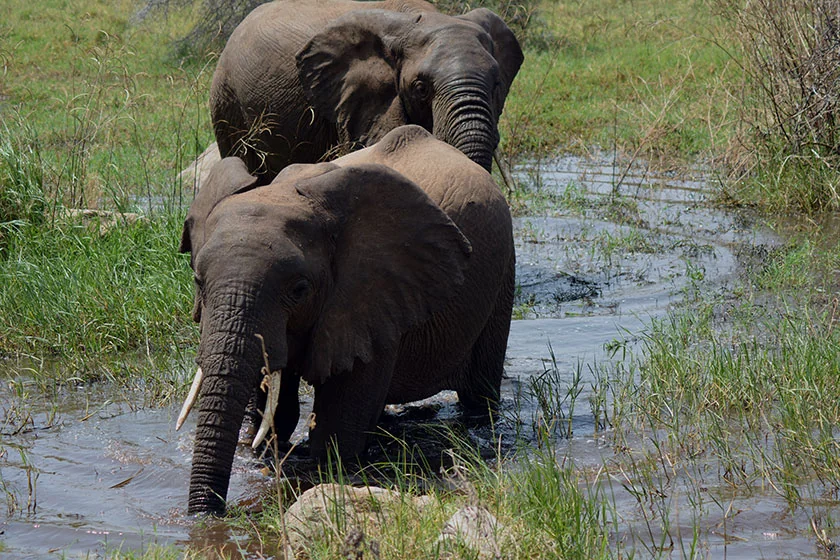
The short rains bring a noticeable shift. Rainfall here is generally light and intermittent, but it is enough to transform the park into a greener, more vibrant environment — and to scatter the wildlife that had crammed together for months.
Wildlife disperses slightly as water becomes more available
Birdlife increases with the arrival of migratory species
Vegetation grows thicker and more colourful
Far fewer visitors than in the peak dry season
This is a transitional period where Tarangire feels quieter and more atmospheric. Game viewing is still rewarding, but the thicker vegetation means sightings may ask for a little more patience — often rewarded by beautiful, fresh scenery.
January to February: Warm and Stable Conditions
Early in the year, Tarangire enjoys relatively stable weather. It is not as concentrated as the peak dry season, but it still offers a thoroughly reliable safari experience.
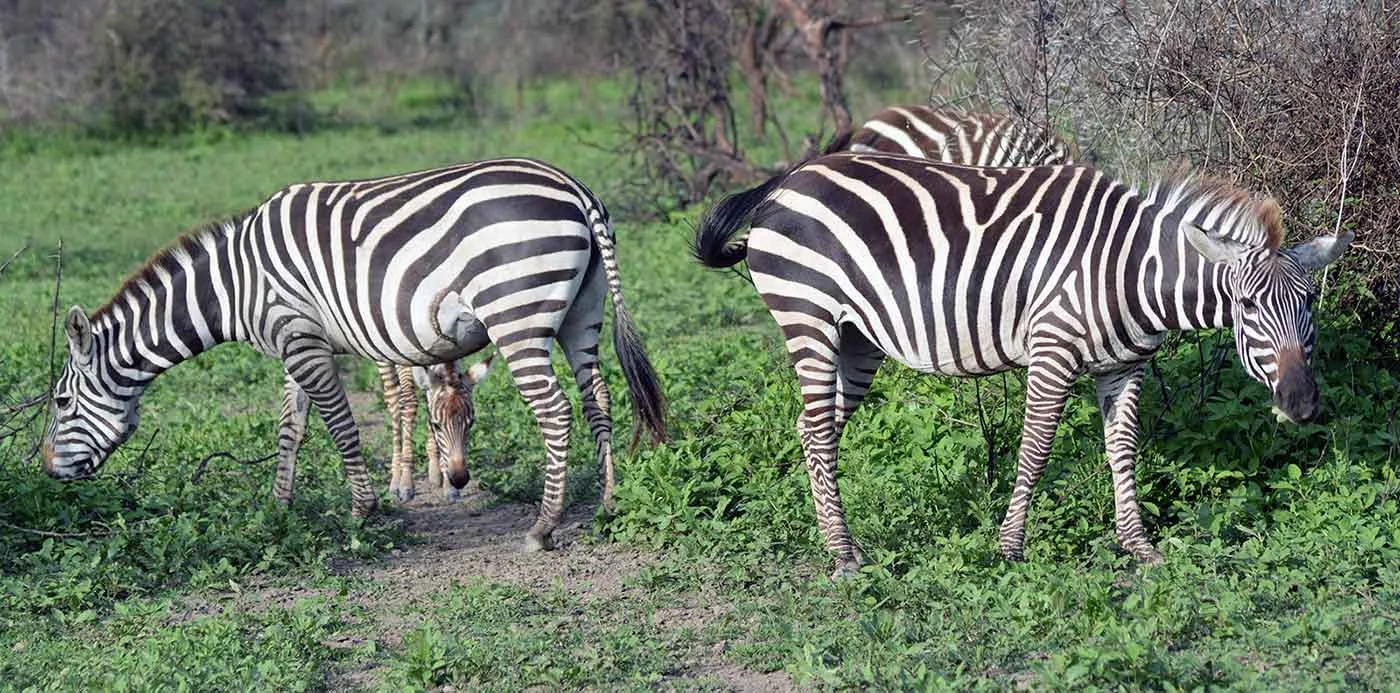
Animals are more spread out across the park, but sightings remain consistent, especially near water sources. The landscape is green, and the temperatures are generally warm and comfortable.
A Good Middle Ground
January to February is an excellent choice for travellers who want to avoid the peak-season crowds while still enjoying a reliably rewarding safari.
The Rainy Season: March to May
The long rains bring a dramatic transformation. Heavy rainfall turns the landscape lush and green, creating a safari environment that feels entirely different from the dry season.
Dense vegetation across the park
Lower visitor numbers
Dramatic skies and photographic conditions
Some roads become more challenging to navigate
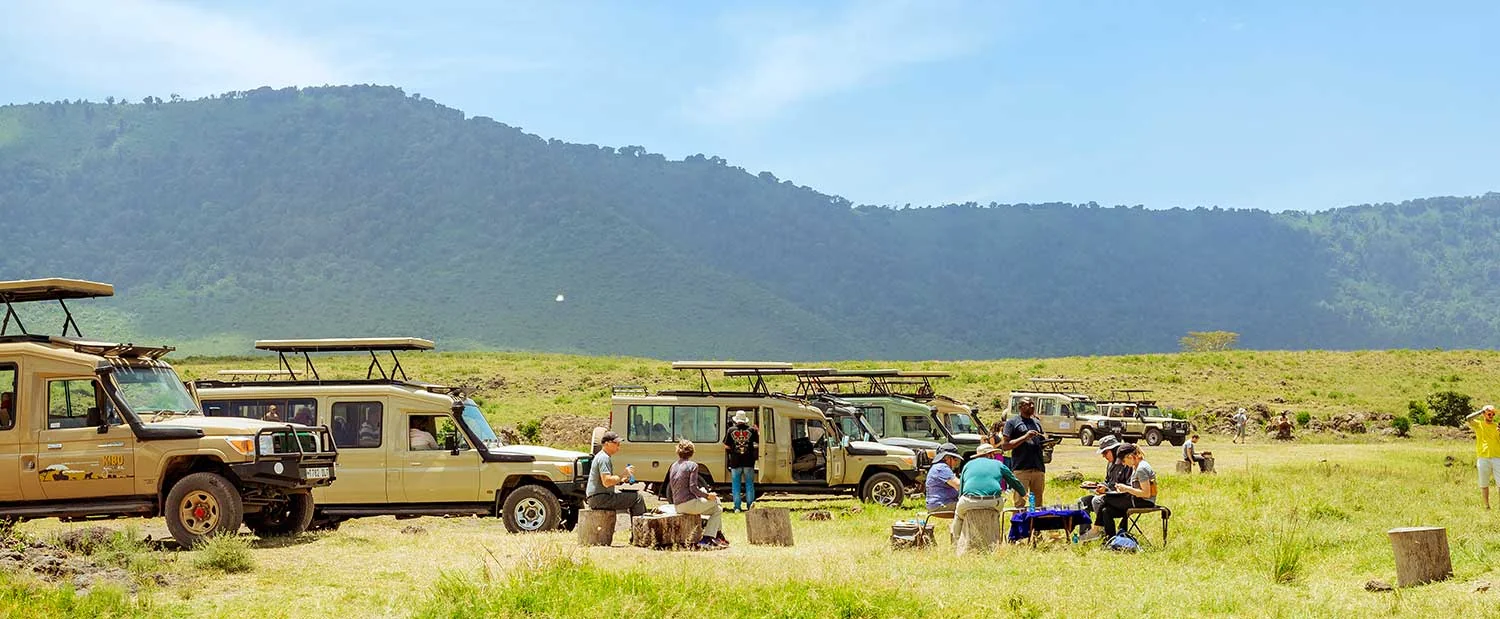
Wildlife is still present, but the animals spread out as water becomes abundant across the region, which can make sightings less predictable than in the dry season. And from a purely practical standpoint, heavy downpours can affect travel and some safari camp openings.
Yet there is a hidden gift in the wet season: it is calving time for wildebeest. That means predators are often on the prowl for fresh, easy prey — a fantastic opportunity for the patient photographer waiting for that perfect shot.
The wet season is not for everyone, but it has a unique appeal for travellers who value solitude and dramatic scenery over guaranteed busy game-viewing.
Wildlife Behaviour Throughout the Year
Tarangire is especially famous for its elephants, which remain a highlight no matter when you visit. But their behaviour shifts in fascinating ways with the seasons.
Dry Season Behaviour
Elephant herds gather in large numbers near the river, creating some of the most iconic safari scenes in East Africa. You will often see family groups strung along the river's edge in the late afternoon light.
Wet Season Behaviour
In the wet season, elephants spread out into smaller family groups across the park, following fresh grazing and abundant water. The big river congregations break up for a few months.
Other species respond to the same rhythms. Lions, giraffes, zebras, and buffalo all follow grazing patterns and water availability, which is exactly why timing matters so much here. Tarangire National Park tourism guidance notes that the dry season is when the park's predators and prey are at their most visible.
For a deeper look at the whole picture, our guide to which Tanzania safari offers the best chance of seeing lions covers the big predators in detail.
Birdwatching in Tarangire
While large mammals dominate most safari conversations, Tarangire is one of Tanzania's most rewarding birding destinations — and the wet season is especially strong, when migratory species from Europe and Asia arrive to join the resident population.
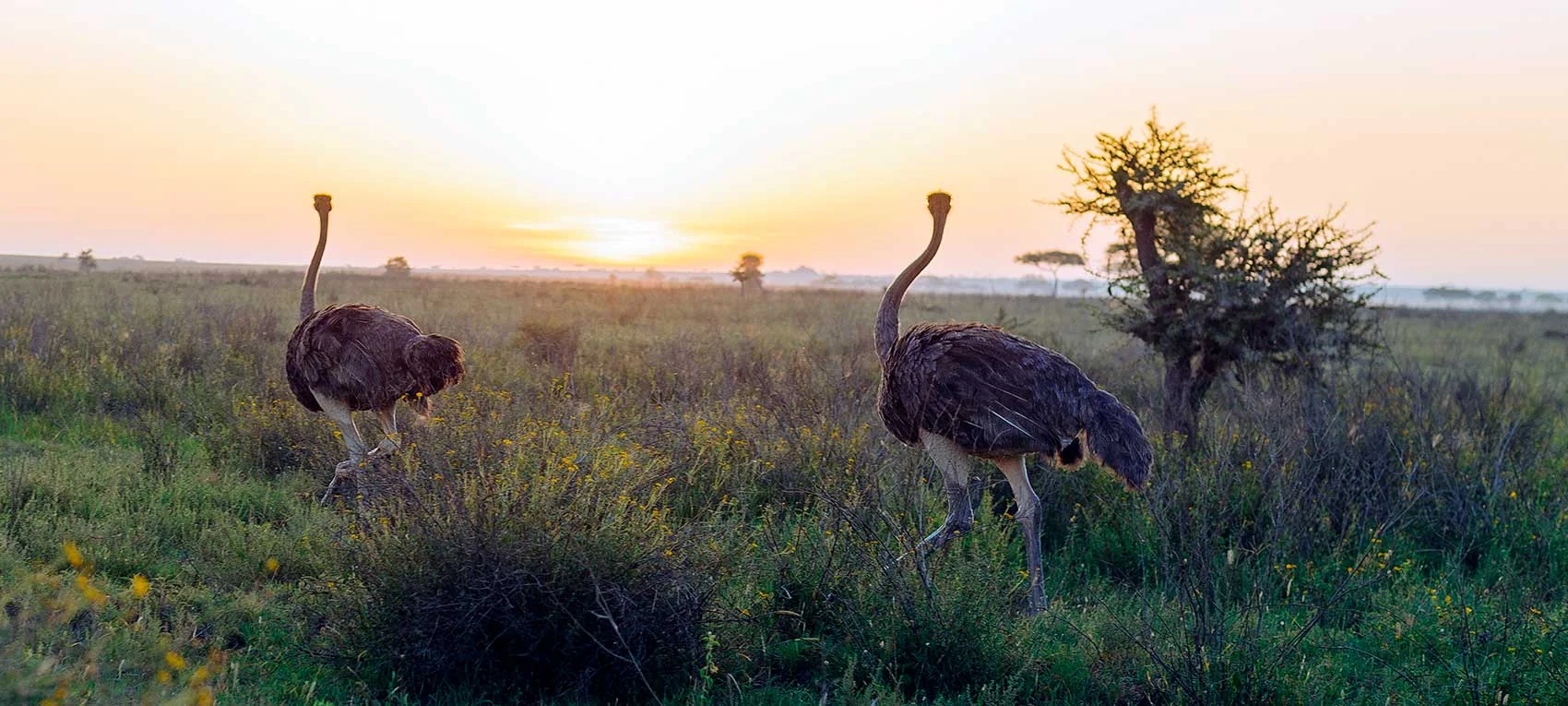
Species you are likely to see include: lilac-breasted rollers, yellow-collared lovebirds, martial eagles, and a steady cast of hornbills and starlings. The diversity of habitats across the park supports a wide range of birdlife throughout the year.
If photography and birding are your main focus, our guide to photographing wildlife is packed with tips to help you make the most of Tarangire's skies and light.
How Tarangire Fits into a Northern Circuit Safari
Tarangire is a natural piece of the broader northern Tanzania itinerary, alongside the Serengeti and Ngorongoro Crater. Its proximity to Arusha makes it a convenient and rewarding first or last stop on most routes.
Why Guides Love It
Including Tarangire at the beginning or end of a safari balances the experience, adding variety in landscape and wildlife density. It is especially effective when paired with the open Serengeti plains or the enclosed crater, since each park offers a completely different ecosystem.
To see how the parks compare, our Serengeti vs Masai Mara guide and Ngorongoro vs Serengeti breakdown are great starting points for planning a multi-park route.
Choosing the Right Season for Your Safari Goals
The best time for Tarangire depends heavily on what you want out of your safari. Here is the short version of how we usually advise travellers:
Maximum Wildlife Concentration
June to October is ideal, with August and September the absolute peak.
Fewer Crowds & Green Landscapes
November to February offers a quieter, more relaxed and greener experience.
Photography & Dramatic Scenery
The wet season provides striking skies, lush vegetation, and fresh predator action.
Why seasonality matters: unlike parks where wildlife is evenly distributed, Tarangire's ecosystem is deeply seasonal. The presence or absence of water shapes animal movement, so your timing has a direct impact on the quality of your safari — and choosing the right season can dramatically increase your chances of seeing huge herds, predator interactions, and the iconic elephant gatherings the park is famous for.
For a broader view, our best time for a Tanzania safari guide compares the seasons across the whole country.
Frequently Asked Questions
August and September are the peak months for wildlife viewing in Tarangire. By then the bush has dried out, the permanent Tarangire River holds all the water, and elephants, lions and other wildlife concentrate in huge, easy-to-spot herds.
Yes, Tarangire is visitable all year. The dry season offers the most concentrated and reliable wildlife viewing, while the wet season rewards travellers with lush scenery, fewer crowds, calving wildebeest and outstanding birdlife.
The main (long) rains run from about March to May, while shorter rains fall in November and December. June to October is the dry season and the best time to see elephants gathered along the river.
Yes, especially for birdwatching, dramatic green scenery and a quieter, more intimate safari. It is also calving season for wildebeest, so predators are often on the prowl for easy prey — a wonderful opportunity for photographers.
Most visitors spend one to two days in Tarangire as part of a wider northern circuit itinerary. A full game drive plus an afternoon is usually enough to cover the river systems where wildlife concentrates.
Tree-climbing lions are occasionally seen in Tarangire, especially in the southern sections of the park. They are not as famous as Lake Manyara's tree-climbing lions, but sightings do happen, particularly in the dry season.
Plan Your Tarangire Safari
However you decide to time it, Tarangire rewards a little planning. The dry season offers the most concentrated wildlife, while the wet season delivers solitude and drama — and both are wonderful in their own way.
Every safari we build is timed around the wildlife you care about most, whether that is elephants, lions, or birds. Our guides know Tarangire's rhythms intimately and will match your itinerary to the season.
A Park Defined by Seasonal Rhythm
Tarangire reveals a different side of itself with every season — from dense elephant herds in the dry season to lush green landscapes during the rains.
For most travellers, the dry season between June and October delivers the most consistent and rewarding wildlife viewing. But the quieter months have their own appeal, especially for those seeking solitude, green scenery, or dramatic photographic conditions.
Ultimately, Tarangire is not a park with a single "best" season. It is defined by how its landscapes and wildlife evolve over time. Choose the moment that matches what you love most, and the park will show you its most memorable self.
Related Safari Guides
Tarangire National Park Guide
Everything about the park of baobabs & elephants
Best Tanzania Safari for Seeing Lions
Where the big prides really are
The Big Five in Tanzania, Complete Guide
Lion, leopard, elephant, rhino & buffalo
The Great Wildebeest Migration
Follow the greatest show on Earth
Best Time for a Tanzania Safari
Plan your trip by season and wildlife
Tanzania Safari by Month
A month-by-month wildlife calendar
Tanzania Safari Packages
Plan your dream northern circuit safari
Serengeti vs Tarangire
Elephant paradise vs the Great Migration
Tanzania Safari Seasons
Dry vs green season compared — calving, crossings and prices
Last updated: August 28, 2026. Seasonal patterns and wildlife information are based on long-running observations across Tarangire National Park and referenced against official park sources.
