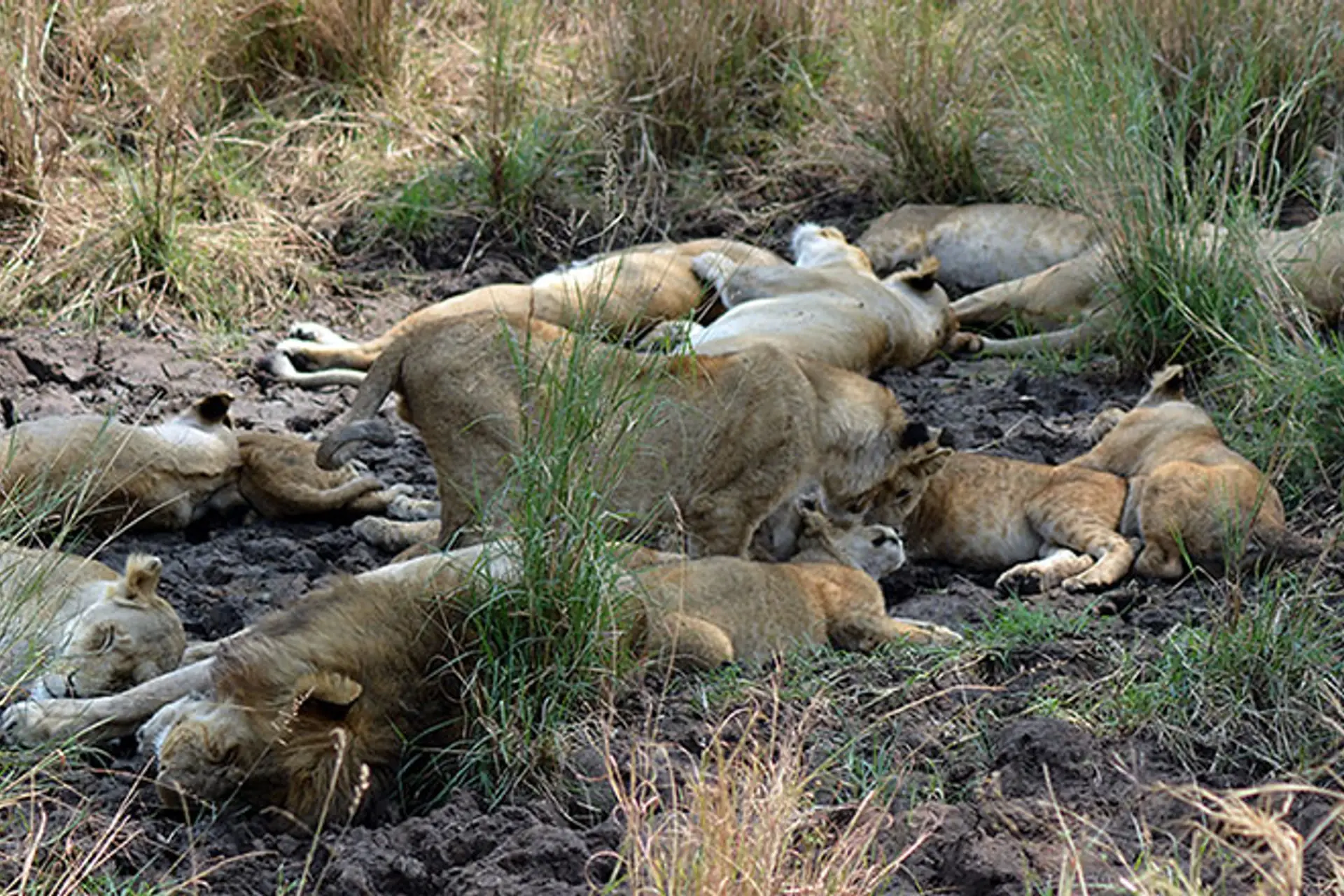
Why we built this one
We get asked for a safari and a beach in the same trip more than anything else, and for a long time we said no. The honest reason was the flying: Zanzibar is an island, and the logistics of getting there from the Serengeti eat the week.
So we built a route around that one hard fact. It flies you to Zanzibar on day seven, which means you lose a morning to connections and gain four days that feel like a completely different trip. The first six are the northern circuit done properly, with the Serengeti given the time it deserves instead of being rushed between Tarangire and the crater to fit a flight.
What you end up with is a week of genuine wildlife and then a week of genuinely doing nothing. Guests tell us the switch between the two is the part they remember, not the lion.
Your vehicle, the whole trip
No sharing, no waiting for other people, and you can stop when you want.
Three nights in the Serengeti
Long enough to track a leopard instead of driving past one.
Four days on Zanzibar
Beach, Stone Town and a spice farm, structured but never packed.
Route at a glance
Five stops, two hundred and ninety kilometres of road, one flight and one very good decision.
Arusha
Arrival & briefing
Tarangire
Elephants & baobabs
Serengeti
Three full days
Ngorongoro
Crater rim
Zanzibar
Beach & Stone Town

Day by day
This is a real, runnable plan rather than a brochure sketch, but every day flexes around your dates, your pace and what the animals decide to do.
Land at Kilimanjaro, sleep in Arusha
You land at Kilimanjaro International Airport and we meet you on the arrivals side, not at a taxi rank. The drive into Arusha takes about three-quarters of an hour through coffee and banana plantations, and the altitude change is barely noticeable at 1,400 m. We use this first night deliberately: after a long flight, everybody sleeps better before the first real game drive. Over dinner the guide walks you through the route, the colour code for the drives, and what we would change if we were you.
- Airport meet-and-greet
- Route briefing with your guide
- Early night, big day tomorrow

Into Tarangire for elephants and baobabs
Tarangire is where most itineraries stop for exactly one night and most people wish they had stayed two. The park is not enormous, which is the point: elephants gather here in numbers you will not see anywhere else in the northern circuit, and the ancient baobabs along the river give the place its photographs. We go in early, because the light is better and the heat is not. You will drive in the afternoon too, which sounds redundant until you realise the park shifts. Different animals, different light, and the elephants move with the water.
- Full-day game drives
- Elephant herds & ancient baobabs
- Optional bush breakfast
- Optional night drive in season

The long drive north to the Serengeti
This is the longest driving day of the trip and the one people are most often nervous about, so let us be straight about it. You do not sit in the vehicle for six hours. We break the journey properly: a stop at Olduvai Gorge if you want the archaeology, a walk around a Maasai village if you would rather stretch your legs, and a long picnic under a shade tree with your guide cooking. Lunch on a game drive is one of the small pleasures of a safari that people do not believe until they taste it. You reach the plains in the late afternoon, in time for a short evening drive.
- Olduvai Gorge stop
- Maasai village visit
- Picnic lunch en route
- Sunset drive on arrival

Two full days in the Serengeti
Two unhurried days are what separate a good Serengeti sighting from a disappointing one. We do not chase a checklist. Your guide reads the ground, finds where the cats have been feeding, and waits. That means some mornings you will be out at first light and some at breakfast, and that is the honest rhythm of the place. Most travellers see a lion on the first morning and a leopard only if someone local knows where to look. Wildebeest, zebra and gazelle are constant, but the predator is the reason you came.
- Dawn and dusk game drives
- Big Five tracking with a local guide
- Picnic breakfast in the bush
- Balloon safari option at sunrise

Descend into the Ngorongoro Crater
The crater is 600 metres deep and roughly 19 kilometres across, and it holds an improbable density of wildlife on its floor. You descend early while the floor is still cool and hazy with mist, and the light on the way down is extraordinary. Black rhino live here, which you will probably not see, and large lion, plus hippo pool, flamingo lines and the old colonial-looking outpost that makes people think of a Western film. We spend the day on the floor and drive up to the rim for the night. It is the single most reliable wildlife day in northern Tanzania.
- Half-day on the crater floor
- Picnic lunch overlooking the plain
- Rim lodge with crater views
- Maasai boma optional visit

Fly to Zanzibar and change gear
After breakfast you drive to a nearby airstrip and fly to Zanzibar. Flights out of the northern circuit generally route through Arusha or Dar es Salaam rather than direct, so allow a morning of connections; we build that slack into the day rather than pretending it does not exist. You land at Zanzibar airport and within thirty minutes you are on a beach. The contrast is instant and, after six days of dust and early alarms, most people say this is the moment the trip clicks. Evening free, dinner on the sand at your lodge.
- Fly Zanzibar
- Beach lodge check-in
- Sunset dhow cruise option
- Dinner on the sand
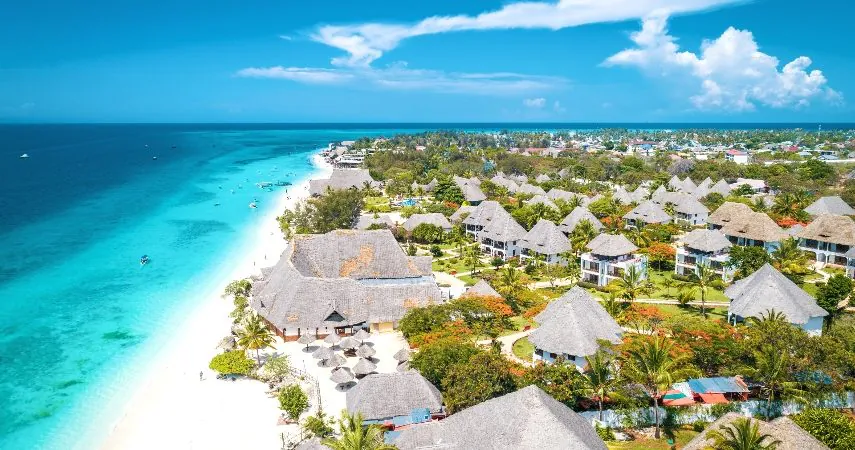
Stone Town, spice farms and doing absolutely nothing
Two island days, and we mean that. A full day in Stone Town on the water: the old fort, the narrow lanes, the dhow builders at work, and a spice farm tour where you will smell clove and nutmeg long before you taste them. Then a morning on the northern coast at Nungwi, where the tide pulls back to reveal a long white shelf. Most of our guests book one activity and then spend the rest of the afternoon doing nothing, which after a week in a vehicle is the correct decision.
- Stone Town walking tour
- Spice farm and dhow yard
- Nungwi or Kendwa beach
- Snorkelling at Mnemba
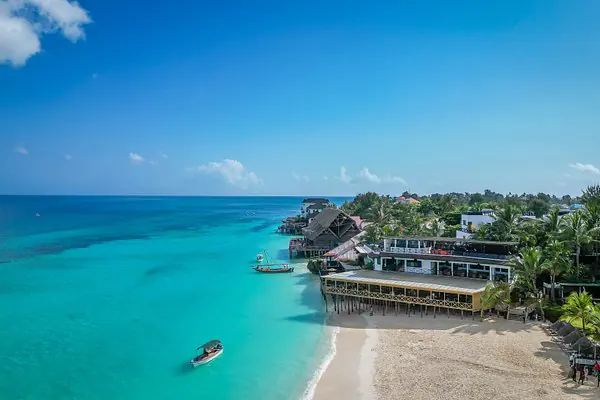
Slow last morning, then Zanzibar to home
Your last morning is deliberately unstructured. Swim before breakfast, read on a lounger, ask your guide anything you have been wondering, or take a short trip into the market for spices and khat-free souvenirs. We time the transfer to Zanzibar airport around your flight rather than the other way around. Most people add a night or two here rather than regret it, and the extra nights are cheaper than people expect. If Kilimanjaro is your gateway, we hold a room at the airport for the night so you are not scrambling.
- Free final morning
- Market visit if you want it
- Timed airport transfer
- Extra nights arranged on request
A note on day three
The Serengeti drive is the longest stretch of the trip and it is worth saying so up front. We build in the stops, and if you would rather not do the long-haul we can route you through Lake Manyara instead, which shortens day three and adds a park. Tell us at booking and we will price it both ways.
The four Zanzibar days
Most people arrive on day seven already tired from the drives, which is exactly why we put nothing heavy in the first afternoon. Stone Town gets a full day because it rewards a slow morning, and the northern coast gets the rest.

Stone Town
The old fort, the carved doors, the dhow builders at work, and a historian who will explain why this island matters.
Spice farms
Clove, nutmeg, cinnamon and vanilla, grown in the island's interior. You will smell it before you taste it.
Mnemba snorkelling
A short boat ride out to the reef. Sea turtles, parrotfish, and about four metres of visibility on a good day.
Sunset dhow
A lateen-rigged wooden boat, a calm sail out past Stone Town as the call to prayer comes over the water.
Still deciding on the island? Our guides on the ten best beaches in Zanzibar compare the north and south coasts honestly, and when to visit Zanzibar explains why February and March are cheaper but wetter.
Where you sleep
Prices are per person sharing, for the full 11 days on a mid-season basis, and they move with season. Zanzibar is the most expensive half, which surprises people.
Tented camp
Budget
Canvas and mesh rooms with en-suite bucket showers, shared dining and no electricity in some camps. Genuinely good value and the best animal viewing of any tier, because you are in the reserve, not outside it.
Mid-range lodge
Most booked
Solid stone lodges with proper beds, hot water and pools, usually 30 to 60 minutes from the park gate. The balance most travellers want: comfortable nights without paying for a room you only sleep in.
Luxury camp
Honeymoon pick
Tented suites on raised decks, private verandas, plunge pools and a chef. The Serengeti camps in this class put you in the middle of the wildebeest herds, which is as close to the wild as you can sleep.
Private villa
Families & groups
A whole house or villa with a chef, a driver and a vehicle on call. Sensible once you are six people or more, and it removes the awkward part of a group holiday: deciding where to eat.
Not sure which tier suits you? Our guide to Tanzania safari lodges breaks down what you actually get at each level, including the parts that do not matter as much as the brochure suggests.
When to go
This route works all year, but the wildlife and the beach do not have the same best months, which is the one thing worth planning around.
| Period | On safari | On the beach | Our verdict |
|---|---|---|---|
| Jan – Feb | Calving season in the south | Hot and humid | Best Serengeti calf sightings |
| Mar – May | Green season, animals dispersing | Short rains | Quietest and cheapest |
| Jun – Oct | Dry season, animals near water | Cool and dry | Most popular, book early |
| Nov – Dec | Short rains, herds moving south | Warm, short rains | Good value shoulder season |
Our honest recommendation is late June into October, when the animals concentrate near water and the Zanzibar weather is at its best. If your dates are fixed to the green season, go anyway: you get greener landscapes, lower prices and fewer other travellers, and our month-by-month guide sets out exactly what you trade away.
What it costs, honestly
Nobody likes an itinerary that hides the number until the end, so here it is. A mid-range private version of this trip sits between $2,050 and $2,750 per person sharing, before international flights.
Park fees
~$300 pp
Tarangire, Serengeti, Ngorongoro. Unavoidable and charged per day, not per trip.
Flight to Zanzibar
$120 – $260 pp
Light aircraft via Arusha or Dar es Salaam. Booked together with your lodge.
Zanzibar hotels
Biggest variable
A good beach hotel in high season can cost more than the safari half of the trip.
Where we save you money
- We are a Tanzanian operator, not a foreign middleman, so the margin on a lodge booking is thinner than an agent's.
- We price park fees in from the start rather than adding them later as a surprise line.
- One vehicle, one guide, no shopping stops on the long drives unless you ask.
For a fuller breakdown, read our guide to safari costs in Africa or use the quote calculator to see what your dates come to.
What is in the price
Included
- All park and conservation area fees
- Private 4×4 vehicle with roof hatch, throughout the safari
- English-speaking driver-guide, one per vehicle
- All accommodation as listed, 10 nights
- All meals, including full board on safari and breakfast on Zanzibar
- Internal flight from the northern circuit to Zanzibar
- Airport transfers in Arusha and Zanzibar
- Stone Town walking tour with a local historian
- Bottled water throughout, and tea and coffee at your lodges
Not included
- International flights to Kilimanjaro and home
- Tanzania visa and travel insurance
- Balloon safari, night drives and other optional activities
- Gratuities, which are genuinely expected and warmly deserved
- Zanzibar dinners beyond breakfast, where the good places are worth finding
- Drinks at the lodge bar and premium spirits
- Visa on arrival for Zanzibar if you go on a separate permit, and any extra nights beyond day 10
- Personal shopping and anything you did not tell us about at booking
Two notes we should not skip
Gratuities are not optional in practice. Your driver-guide earns roughly $10 to $15 a day and the camp staff fund is a few dollars a day per person. Budget it as part of the trip, not a surprise at the end.
Park rules apply, including on your Zanzibar days. You stay in the vehicle in the reserves, you keep your voice down around animals, and nobody leaves the camp at night unaccompanied. It is unglamorous and it is why the wildlife is still there.
What to pack
Fewer clothes than you think, one serious lens, and a fleece you will not believe you need until the Ngorongoro morning.
Clothing
- Neutral colours: khaki, olive, brown, grey
- Long sleeves for mornings and the crater
- Warm fleece or sweater for Ngorongoro dawns
- A hat that clips, not a floppy
- Swimwear and a quick-dry towel
Camera
- Telephoto lens, 200mm or longer
- Spare batteries, dust beats cold
- A lens cloth, always
- Nothing too valuable in the vehicle
Health
- Antimalarial tablets, started before you fly
- High-factor sunscreen and a lip balm
- Insect repellent with DEET or picaridin
- Rehydration salts
- Any personal prescriptions
Practical
- Binoculars if you do not want to share
- Power bank for long days
- Soft-sided day bag, not a hard case
- Cash in small notes for tips
- Light rain jacket
Our full Tanzania safari packing list goes into the details, and the beach packing list covers the Zanzibar half.
Questions we actually get
The ten things people ask before booking this trip, answered properly.
Locally owned
A Tanzanian operator based in Moshi. Your money stays in the country you are visiting.
Private by default
One vehicle, your guide, your pace. No coach, no waiting for a group.
Built around you
Every day is a starting point. We move things around to suit your interests.
Let's plan your 11 days
Send us your dates, group size and budget. You will get a proper itinerary with named lodges and a real price, usually within a day, and no pressure to book it.
