Discover Nyerere (Selous) National Park
Karibu. If you want wilderness that still feels like wilderness, space to breathe, the sound of hippos at dusk, and a sky that belongs to nothing but birds, Nyerere National Parkis a rare gift. Formerly the core of the Selous Game Reserveand upgraded in 2019, Nyerere is Tanzania's largest park: huge, remote, and wonderfully under-visited. It's the place where safaris slow down, and the land sets the tempo.

UNESCO World Heritage Site
The Selous Game Reserve was inscribed on the UNESCO World Heritage List in 1982, recognising its extraordinary size, wilderness value, and the diversity of its wildlife and habitats. The renamed Nyerere National Park continues to protect this legacy. Visit the official TANAPA website for more.
The Rufiji River is the lifeblood of the park, its channels, lakes, and floodplains create one of East Africa's most important wetland systems. Boat safaris, walking safaris, and fly-camping experiences are core to the Nyerere experience, offering a style of safari you can't replicate in Tanzania's busier northern circuit. If you're combining parks, consider Ruaha National Park nearby for a powerful southern Tanzania itinerary.
Quick Facts
- Location: Southern Tanzania (Morogoro / Lindi / Ruvuma)
- Size: ~30,000 km² (Tanzania's largest national park)
- Status: UNESCO World Heritage Site
- Upgraded: 2019 (formerly Selous Game Reserve)
- Bird Species: ~450 species recorded
- Best For: River Safaris, Wild Dogs, Solitude
The Masatu Tours team has visited nearly all national parks in Southeast Africa. We can confidently say that the safari experience in Nyerere is truly unique due to its vast wilderness, minimal crowds, and incredible riverine ecosystems.
What Makes Nyerere Special
Size and Solitude
At roughly 30,000 km², the park is vast. You can go a whole day without passing another vehicle. True wilderness at its finest.
Rivers and Wetlands
The Rufiji River and its channels feed the park; boat safaris and walking safaris are natural here. One of East Africa's most important wetland systems.
Big Fauna and Big Flocks
Enormous hippo and elephant populations, healthy lion numbers, and around 450 bird species. A paradise for wildlife enthusiasts.
Conservation Value
A UNESCO World Heritage landscape and an important stronghold for wild dogs, large antelopes, and riverine wildlife.

Wildlife, What People Come For
Nyerere's wildlife is shaped by water. The Rufiji River system creates a mosaic of habitats, from open floodplains to dense riverine forest, supporting a remarkable variety of species. Unlike the northern circuit, sightings here feel more personal: fewer vehicles, quieter margins, and animals that haven't learned to pose for crowds.


Key Species of Nyerere
Hippo
Tens of thousands, the Rufiji's stars
Elephant
Large herds near permanent water
African Wild Dog
Substantial pack presence (Rare)
Lion
Healthy populations (Common)
Nile Crocodile
Throughout the Rufiji system
Rare Antelopes
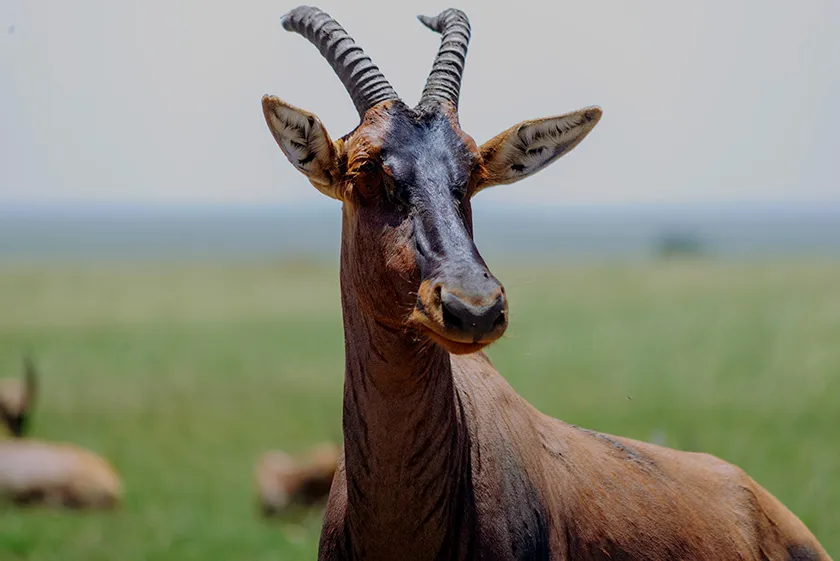
Roan, sable, Lichtenstein's hartebeest
Also present: buffalo, leopard, zebra, giraffe, waterbuck, impala, and the rare African fish-eagle and shoebill (seasonal).
Birding Paradise, 450+ Species
From African fish-eagles and the elusive shoebill (rare) to papyrus specialists and tens of waterbird species, Nyerere is a birder's dream. The combination of riverine, wetland, and woodland habitats creates extraordinary diversity.
What Makes Safari Here Different
Boat & River Safaris
Wildlife from the water is intimate and often quieter than road game drives. Drifting past hippo pods and basking crocodiles on the Rufiji is a core Nyerere experience.
Walking Safaris & Fly-Camps
Guided walking safaris and overnight fly-camp experiences let you slow down. A ranger's voice and the crackle of a fire are the best evening company.
Light Tourism
Fewer vehicles means less pressure on animals and better photographic opportunities. You'll rarely share a sighting with a crowd in Nyerere.
Top Activities We Recommend
River Safaris on the Rufiji
Drift along the Rufiji and side channels, hippos, crocodiles, water birds, and quiet camp margins. The river is the heartbeat of Nyerere.
Best for: Water wildlife, photography, relaxation
Game Drives, Dawn & Dusk
Classic game drives targeting predators and large mammals in the golden light. Fewer vehicles and wider spaces mean better encounters.
Best for: Big cats, elephants, landscape photography
Walking Safaris & Fly-Camp Nights
Guided walking experiences for experienced groups, feel the bush, read tracks, and sleep under canvas with only the sounds of the wild.
Best for: Intimate encounters, bush skills, immersion
Specialist Birding Days
A paradise for water and riverine species, 450+ species await the patient observer. Early mornings and water margins are most rewarding.
Best for: Birdwatching, nature photography, quiet mornings
Best Time to Visit Nyerere
Any time in Nyerere is a good time, but the experience changes with the seasons. Here is the honest breakdown from the Masatu Tours team.
Peak Season: June to October
Easiest travel, water concentrates animals, excellent for game concentration and boat sightings. The rivers shrink and hippos crowd into deeper pools, spectacular photography.
Dry Season
June - October
Best for game concentration and boat sightings. Animals gather at water sources. Hippos crowd into deeper pools.
Green Season
November - May
Lush scenery, newborns, and excellent birding. Some roads become soft in the heavy rains. Many camps close during the heaviest months.
How to Get There
By Air (Recommended)
Regular charters and scheduled light aircraft connect Dar es Salaam (and sometimes Zanzibar or Arusha) to airstrips bordering the park, the quickest, most comfortable option.
By Road
Long but scenic overland transfers from Dar es Salaam or Iringa are possible; 4×4 recommended. We'll arrange the transfer that fits your comfort and schedule.
Masatu Handles Everything
We'll handle all transfers, park permits, and ranger bookings. Just tell us your preferences and we'll make it happen seamlessly.
Nyerere (Selous) National Park Location
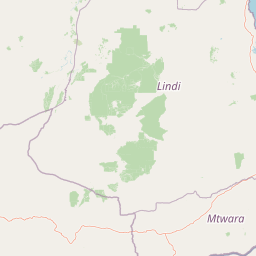


Interactive map showing Nyerere (Selous) National Park's location in Southern Tanzania · Open in Google Maps
A Simple 3-Day Nyerere Itinerary
Day 1: Arrival & River Cruise
Fly or drive in, settle at your camp or lodge. Late afternoon river cruise along the Rufiji, your first hippo chorus at dusk.
Day 2: Big Game & Culture
Dawn game drive for big cats, elephants, and wild dogs. Afternoon village visit or cultural programme. Evening river cruise as the light turns golden.
Day 3: Walking Safari & Departure
Morning walking safari or canoe experience. Midday transfer or flight out, carrying memories of rivers, wildlife, and open sky.
This is a starter itinerary, we customise pace, activities, and duration to your group. Request a personalised plan.
Conservation & How Your Visit Helps
Tourism in Nyerere directly supports ranger patrols, anti-poaching operations, and community projects. Visiting responsibly helps protect this enormous ecosystem, one of the last great wilderness areas on Earth.
Wide-Ranging Species Protection
Nyerere is critical for species like African wild dogs and large herbivores that need vast, connected landscapes to survive. Your visit helps keep these corridors protected.
Riverine Habitat Conservation
The Rufiji wetland system is ecologically unique in East Africa. Few other parks protect riverine habitats at this scale. Learn more at the World Wildlife Fund.
Community Impact
Responsible tourism funds local employment, education, and health programmes in surrounding communities, travel that genuinely benefits people.
A Small Masatu Story
One evening, after we eased our boat along a silent channel, the water broke ahead: a line of hippo backs, breaths steaming in the cooling air. A ranger whispered, "This is their evening." For a while, we simply watched, no photos, no chatter, and the world got a little quieter. That's what Nyerere gives you: time to witness the ordinary magic of wildlife.
Practical Tips & Safety
Preparation & Packing
Layers
Early mornings are cool, days can be hot, and river breezes are pleasant in the evening.
Footwear
Closed shoes for walks, sandals for camp; riverbanks can be muddy.
Health
Malaria prophylaxis recommended; bring insect repellent and sunscreen.
Photography
200–600mm lenses for both land and river shots; a beanbag helps for vehicle photography.
Safety & Ethics
- Never leave the vehicle or follow animals on foot without an experienced ranger
- River margins and hippo territories are dangerous if approached casually
- Follow ranger instructions during walks, night camps, and boat trips
- We only arrange village visits with prior consent and fair benefit
- Leave no trace, carry out everything you bring in
- Respect wildlife distance rules, especially around hippos and crocodiles
Frequently Asked Questions
Explore More Tanzania Adventures
Nyerere Safari Packages
Compare 3-day, 5-day, 7-day, and luxury packages
Ruaha National Park Guide
Remote wilderness, perfect southern Tanzania combo
Serengeti National Park
Home to the Great Migration and Big Five
Tarangire National Park
Land of elephants and ancient baobabs
5-Day Southern Circuit Safari
Nyerere, Ruaha & More
Northern vs Southern Tanzania Safari
Nyerere's Rufiji wilds vs the northern circuit
Plan Your Trip with Masatu Tours
Talk to a local expert about your itinerary
Last updated: August 17, 2026. Park fees and safari prices may change, always verify current rates before booking.