Picture it: the golden light of a Serengeti dawn, a herd of wildebeest stirring on the horizon, and your drone climbing slowly above the plains. The footage would be unforgettable. Now picture the reality check, the drone impounded at the park gate, a fine, and your whole safari turned upside down.
That second scene is what happens far more often than the first. Tanzania is one of the world's great filming destinations, but it is also one of the strictest about drones. The rules are not a paperwork game. They exist to protect wildlife, safeguard visitors, and secure national airspace. Once you understand that, the process makes sense, and it becomes completely manageable, with the right partner.
This guide walks you through exactly what it takes to fly a drone in Tanzania legally: the authorities involved, the permits, the real costs, the timelines, and the places where drone flights are effectively never allowed. If you read one thing before you book a shoot, let it be this.
Tanzania Drone Laws at a Glance
Regulator
TCAA (Tanzania Civil Aviation Authority)
Other Approvals
Film Board, TANAPA/NCAA, MOD, Police, Customs
Lead Time
4–8 weeks minimum
Film Board Fee
USD 1,000 standard / USD 3,000 rush
TANAPA Drone Fee
~USD 250–300 per day
MOD Officer
~USD 100/day plus costs
Import Rule
Bond or ATA Carnet, ~100% of gear value
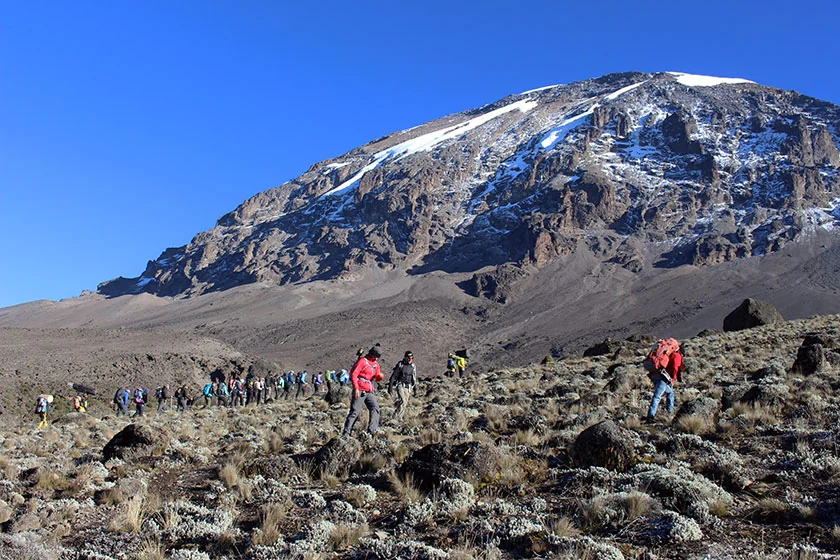
Kilimanjaro
Only with TANAPA approval
Ngorongoro
Permits rare, case-by-case
Serengeti
Permit required, no free flying
Penalties
Confiscation, fines, deportation
Bottom Line
Budget USD 5,000+ for a legal shoot
Can You Fly a Drone in Tanzania?
Yes, but only with the correct multi-agency permits. The honest short answer is that Tanzania has built its drone rules around professional, well-planned productions, not around hobby flying. For a visitor who simply wants to grab some aerial clips on a holiday, the realistic answer is almost always, leave the drone at home.
The Hard Truth
Flying a drone without permits is illegal and actively enforced. Customs can impound your gear on arrival, park rangers can confiscate it at the gate, and the penalties extend to your guide and your tour company. "Flying under the radar" is not a strategy.
The Good News
With a proper plan, a realistic budget, and an experienced local partner, drone filming in Tanzania is absolutely possible. Productions do it all the time, from Serengeti documentaries to Kilimanjaro climbs. Masatu Tours handles the entire multi-agency process so you can focus on the shot.
Why Tanzania Regulates Drones So Strictly
The rules can feel frustrating, until you see the reasons behind them. Tanzania's approach to drones is deliberate, and it protects the very things you travelled to see.
Wildlife Protection
Drones can distress animals and change their behaviour at the most sensitive moments, during a river crossing, a hunt, or while nursing young. Tanzania places animal welfare above commercial filming, and park authorities take disturbance seriously.
Visitor Experience
A dozen drones buzzing overhead would destroy the quiet wilderness people travel thousands of miles to enjoy. Restrictions keep the experience authentic for everyone in the park, including you.
National Security
Aerial views can reveal sensitive infrastructure. The Ministry of Defence monitors flights and assigns officers to accompany permitted crews, which is why security clearance is part of every application.
The Practical Result
Only professionally permitted productions, and the rare private shoot with serious preparation, are normally authorized. If you want drone footage, plan like a professional from day one.
Which Authorities Must Approve Your Drone Shoot?
To fly legally you generally need permissions from several agencies, usually in this specific order. Missing one means the whole chain is invalid.
Tanzania Film Board (TFB)
The overarching national filming permit, required before every other agency will look at your application.
Tanzania Civil Aviation Authority (TCAA)
Drone registration, import authorization, and operational permits for the aircraft and pilot.
Ministry of Defence & National Service (MOD)
National security clearance, plus an accompanying officer who travels with your crew.
TANAPA or NCAA
Park-specific filming permits for national parks or the Ngorongoro Conservation Area.
Local Police / Municipality
Permissions for any filming in cities and towns, where relevant to your schedule.
Customs (TRA)
Temporary import bond or ATA Carnet for your equipment on arrival.
Permits, Fees & Timeline
1. Film Board (TFB)
The prerequisite for everything else. Standard processing is typically USD 1,000 and takes about 30 days; an expedited service around USD 3,000 takes roughly 7 days. Your application is often endorsed by a Tanzanian embassy in your home country.
2. TCAA
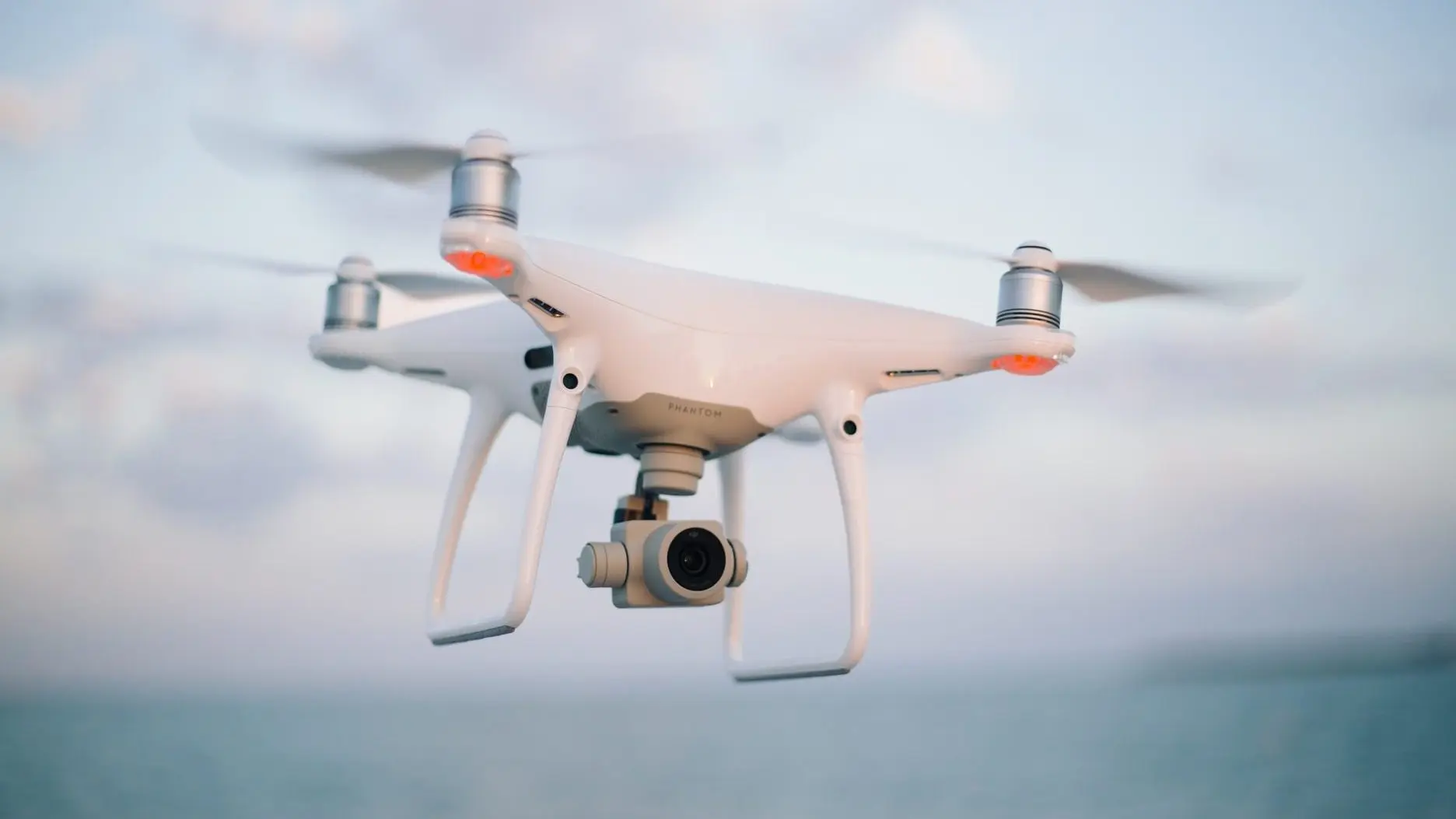
Registers the drone, authorizes import, and issues operational permissions. Professional permits range from roughly USD 100–1,000; import and registration fees commonly run USD 50–300 depending on the aircraft. You need your pilot licence, CV, serial numbers, and insurance.
3. Ministry of Defence
No application fee, but the MOD assigns an officer to accompany your crew. Budget about USD 100 per day for the officer's allowance, plus accommodation, meals, and park fees. They are professional and unobtrusive, but their costs are real.
4. TANAPA / NCAA
Park fees are charged per day. Expect around USD 300/day for Serengeti or Nyerere, USD 250/day for Kilimanjaro, and USD 180/day for Gombe or Mahale, with VAT sometimes added. Ngorongoro is stricter, see the dedicated section below.
5. Customs & Equipment Import
A temporary import bond equal to roughly 100% of your equipment's market value, unless you carry an ATA Carnet or use a broker. Broker commissions often run around 10% of equipment value. Masatu coordinates this to smooth your arrival.
6. Timeline & Realistic Budget
Comfortably 2–4 months end-to-end for a multi-location production, with 4–8 weeks the absolute minimum. A simple professional shoot starts around USD 5,000; mid-range productions run USD 8,000–25,000+.
4–8
Weeks minimum lead time
USD 1,000+
Film Board standard fee
USD 5,000+
Realistic shoot budget
6
Agencies involved
Operational Rules in Parks and on the Mountain
Even with permits, flying inside a park comes with strict operating conditions. These are the rules crews follow on every permitted shoot.
Minimum Altitude
Many parks require a minimum operating height, commonly 50 m (165 ft), to avoid disturbing wildlife below.
No River Crossings
Flights over Great Migration river crossings, such as the Mara or Grumeti, are sensitive and commonly prohibited.
No Disturbance
Never fly near groups of wildlife, and never when other visitors are present. Respecting the animals is non-negotiable.
Notifications
Notify the head ranger before each flight. Rangers or military officers may join the operation to supervise.
Restricted Areas
Never film military sites, prisons, police compounds, airports, or large public gatherings.
Kilimanjaro Check
Park gates scan daypacks. Drones without permits are commonly confiscated on the spot, so never risk a climb with one.
What Happens If You Fly Without Permits
Enforcement Is Active
This is not a theoretical warning. Tanzania regularly applies penalties to tourists and professional crews alike, and the consequences follow you across the border.
Common Penalties
- Confiscation at customs on arrival, often with no return of the gear
- Seizure of drones by park rangers plus heavy fines
- Possible arrest and, in serious cases, deportation
- Penalties for your guide and tour company, guides can lose their licences
The Smart Alternative
- Get the paperwork done properly, before you travel
- Use an experienced local partner who knows every agency
- Leave personal drones at home and enjoy the parks as they are
- Book a ground-based filming or photography safari instead
Special Case: Ngorongoro Conservation Area
If there is one place in Tanzania where drone permits are hardest to get, it is Ngorongoro. The crater is a UNESCO World Heritage Site and one of the most densely populated wildlife areas on Earth, which is exactly why its airspace is so tightly guarded.
Extremely Restrictive Policy
The NCAA reviews every drone application on a strict case-by-case basis. Permits are typically granted only to high-budget documentaries that demonstrate clear public benefit to Tanzania. Expect long lead times and strict conditions, and do not plan a production around the crater.
Practical Production Checklist
When you are ready to apply, this is the paperwork your team needs to prepare. Getting it together early is what turns an 8-week application into a smooth one.
| What You Need | Personal Drone | Professional Production |
|---|---|---|
| Permits | Not realistically available for tourism | Full multi-agency approval chain |
| Cost | Fines start where permits end | USD 5,000–25,000+ planned |
| Timeline | Uncertain, weeks to months | 2–4 months, scheduled |
| Where you can fly | Almost nowhere near parks | Approved parks, with ranger or MOD oversight |
| Kilimanjaro | Confiscation at the gate | TANAPA permit plus escort |
| Ngorongoro | Not granted | Rare, high-value projects only |
How Masatu Helps: Why Use a Local DMC
A drone shoot in Tanzania is a logistics exercise as much as a creative one. Masatu regularly obtains multi-agency authorizations for international productions, and we handle the parts that cannot be done from abroad.
Permit Management
Preparing and submitting Film Board, TCAA, MOD, and park permit applications on your behalf.
Government Liaison
Direct contact with MOD, TANAPA, and NCAA to arrange accompanying officers and approvals.
Customs & Import
Managing temporary import bonds, ATA Carnets, and broker coordination so your gear arrives smoothly.
On-Site Support
4x4 vehicles, field logistics, local fixers, translators, and full production assistance.
Plan Early, Shoot Smoothly
Send us your project details, synopsis, dates, locations, crew list, and equipment list at least 6 weeks before your shoot date. We will return a detailed permit plan and cost estimate, usually within 24–48 hours.
Official Resources
A Sample Simplified Budget
The numbers below are illustrative, but they come from real productions. They show you exactly why drone filming in Tanzania is a serious budget line, and why it is worth getting a proper quote.
| Item | Estimate |
|---|---|
| TFB Standard Fee | USD 1,000 |
| TCAA Permits | USD 200–800 |
| MOD Officer Allowance (10 days) | USD 1,500–2,000 |
| TANAPA Filming Fees (5 days × USD 250) | USD 1,250 |
| Customs (bond refundable, or broker ~10% of gear value) | Variable |
| Local Logistics & Vehicles | Variable |
| Total Estimate | USD 5,000–10,000+ |
Next Step: Get a Real Quote
Send Masatu your project details, synopsis, dates, locations, crew list, and equipment list. We will return a detailed permit plan and cost estimate, usually within 24–48 hours, so you can budget with confidence.
Frequently Asked Questions
Plan Your Filming Trip with Masatu
Whether your project is a Serengeti documentary, a Kilimanjaro commercial, or a multi-country travel series, the starting point is always the same: a proper plan and the right paperwork. Masatu's production team has done this many times, and we know every step of the process.
Start With a Conversation
Tell us about your shoot and we will tell you exactly what is possible, what it will cost, and how long it will take. No vague promises, just honest planning from a team that works inside Tanzania's system every day.
Conclusion
Drone footage of Tanzania is among the most spectacular in the world, from the crater rim of Kilimanjaro to the endless Serengeti plains. But the bar for entry is high, and that is by design. The wildlife, the visitors, and the country itself are protected by rules that work, when you work with them.
The choice is simple. Fly illegally and risk your gear, your holiday, and your freedom of movement in the country. Or plan properly, budget realistically, and use experienced local partners, and come home with footage nobody else has. The second path is why professional crews keep returning to Tanzania, and why Masatu exists.
Get the Shot, the Right Way
Ready to plan a legal, unforgettable shoot in Tanzania? Our team handles the red tape so you can capture the magic, pole pole, one perfect frame at a time.
Request a Filming QuoteRelated Travel & Filming Guides
Photography Tours in Tanzania
Professional wildlife photography expeditions
Safari Packing List
Everything to pack for a Tanzania safari
Kilimanjaro Park Fees
Climbing fees and costs broken down
Visa for Tanzania
The complete visa application guide
Tanzania Travel Tips
Practical advice before you fly
What to Expect on Safari
Your first safari, day by day
Tanzania Safari Packages
Plan your dream wildlife safari
Serengeti National Park Guide
Explore the world's most famous ecosystem
Last updated: August 15, 2026. Permits and fees change, so always confirm current rates with the relevant authorities before you apply.
