Typical Price
$2,000–$3,800+
per person; group rates are lower than solo
Duration
7 days / 6 nights
on the mountain; most operators include one pre-climb night in Moshi
Success Rate
~85–90%
with a quality operator on the 7-day format
Why the Machame Route?
The most popular route for good reason
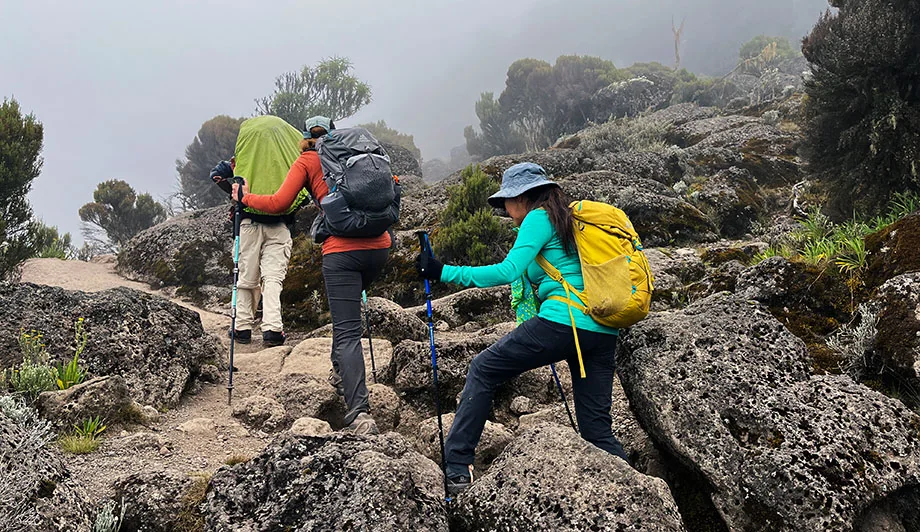
Machame earns its popularity because the route moves through every ecological zone on the mountain. Day 1 takes you through dense equatorial rainforest. By Day 2 you are crossing open moorland with views of Kibo emerging above the cloud line. Days 3 through 5 push through the alpine desert, surreal, wind-scoured terrain that feels like the surface of another planet. Summit night arrives at Barafu at 4,600 metres, and if the weather holds, you will reach Uhuru Peak at dawn with glaciers on your left and the African plains 4,000 metres below your feet.
The route profile is what matters most for success. Machame's classic "walk high, sleep low" profile on Day 3, climbing to Lava Tower at 4,630m before dropping back to Barranco at 3,963m, is a genuine physiological acclimatisation event, not just a pretty detour. Your body spends several hours above sleeping altitude, and that exposure matters. Climbers who cut this day short or take a 6-day version without the Lava Tower push show measurably higher rates of altitude sickness on summit night.
Machame is suitable for first-time Kilimanjaro climbers who are prepared. You do not need mountaineering skills or technical experience. What you need is solid aerobic fitness, the ability to walk 5–11 kilometres per day on steep terrain with a daypack for 7 days straight, and the mental resilience to keep moving slowly when altitude reduces your energy to a fraction of what it is at sea level.
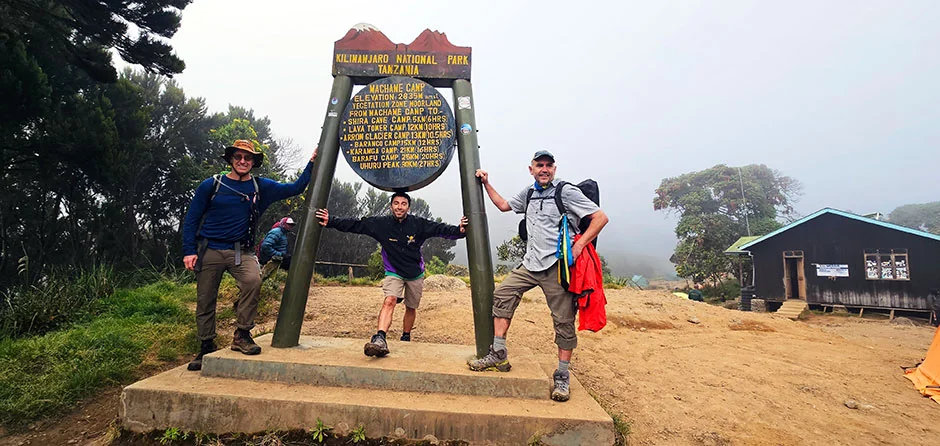
Machame Camp (3,000m), the first overnight stop, nestled in the dense cloud forest zone
Day-by-Day Itinerary
Day 1: Machame Gate → Machame Camp
Day 2: Machame Camp → Shira Camp
Day 3: Shira Camp → Barranco Camp via Lava Tower
Day 4: Barranco Camp → Karanga Camp
Day 5: Karanga Camp → Barafu Base Camp
Day 6: Barafu → Uhuru Peak → Mweka Camp (Summit Night)
Day 7: Mweka Camp → Mweka Gate
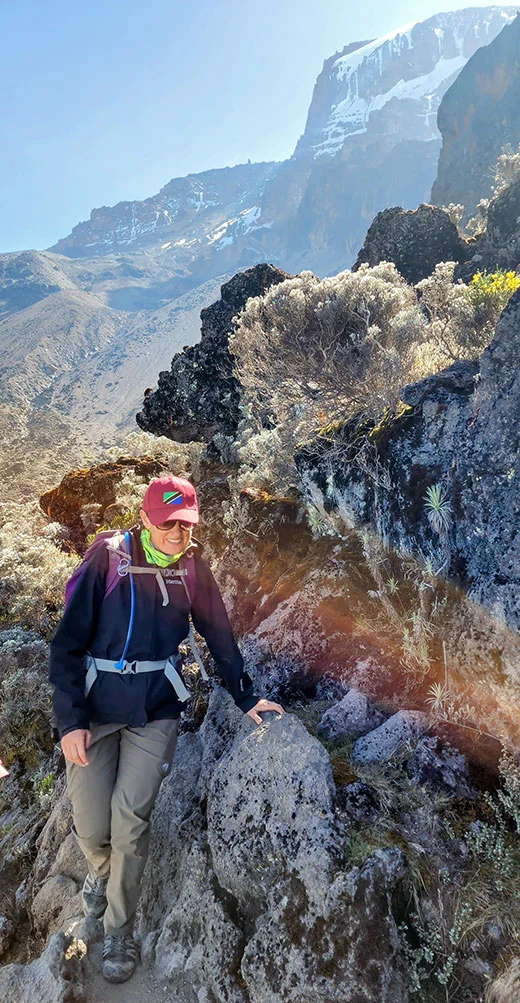
The Barranco Wall, a 300-metre rocky scramble on Day 4 that looks harder than it is
Cost Breakdown for 2026
Machame pricing varies significantly based on operator quality, group size, and what is actually included. Here is how the tiers break down in practice.
Budget
$2,000–$2,400
Smaller operators running shared group departures. Food is sufficient but basic; vehicle transfers may be shared with other groups. Guide experience varies. Suitable if you are confident comparing operator credentials and you join a departure with at least 4–6 climbers.
Mid-RangeRecommended
$2,400–$3,200
Reputable operators with experienced guide teams, private vehicle transfers, quality mountain food, and reliable safety equipment. This is the range where most climbers get a genuinely good experience and a success rate that reflects the route's potential.
Premium
$3,200–$3,800+
High-end operators with private group setup, enhanced camp meals, satellite communication devices, better crew ratios, and gear hire options. Worth it if you are climbing solo or want maximum support and flexibility. Some include a pre-climb hotel night in Moshi.
What drives the price difference
What Is Included and What Is Not
Included in a standard Machame package
- TANAPA park fees (conservation, camping, and rescue fees)
- Full mountain crew: licensed lead guide, assistant guide(s), cook, and porters
- All mountain meals (breakfast, lunch, dinner) and hot drinks
- Tents, sleeping mats, and dining tent
- Safety equipment: supplemental oxygen, pulse oximeter, first-aid kit
- Moshi–gate–Moshi transfers
- Summit certificate
Not included, budget separately
- International flights and Tanzania visa ($50–$100)
- Travel insurance with high-altitude evacuation coverage
- Personal climbing gear (sleeping bag, boots, layers) or gear rental
- Crew tips ($200–$350 per person is standard)
- Snacks, energy gels, or alcoholic drinks
- Pre/post-climb hotel accommodation in Moshi
5 Tips for Summit Success on Machame
Do not rush Day 3, the Lava Tower detour is doing real work
Some climbers treat the Lava Tower as a scenic side trip. It is not. Spending 1–2 hours at 4,630 metres before dropping back to sleep at 3,963m is one of the most effective acclimatisation stimuli on the entire route. If your guide moves quickly past Lava Tower, ask to stop and rest there. Eat, drink, and let your body work.
Eat and drink consistently even when you have no appetite
Altitude suppresses appetite and thirst. Above 4,000m, many climbers find they have to eat by the clock rather than by hunger. Aim for 3–4 litres of water per day and force yourself to eat at every meal even if it is just a small plate. Running low on fuel or hydration on summit night is one of the most common reasons climbers turn around short of Uhuru.
Start summit night mentally prepared, the first hours are hard
Midnight departures in sub-zero temperatures feel brutal. The first 90 minutes are the most psychologically difficult: cold, dark, steep, exhausted before you start. The rhythm comes. Your guide will set a pace slow enough that you can sustain it for 5–7 hours. Trust the pole pole pace. Every step is closer. By the time you reach Stella Point and see the glacier edge in the pre-dawn light, the suffering becomes context.
Hire a quality operator, crew experience on summit night is everything
Your guide's judgment on summit night matters more than any single piece of gear you bring. An experienced guide reads your symptoms, adjusts pace, recognises the difference between normal discomfort and something requiring descent. The $200–$400 difference between a budget operator and a reputable one is an investment in human judgment, not just equipment.
Train before you go, consistent aerobic fitness is the best preparation
You do not need to be an athlete. You need to be able to walk 5–8 hours a day on steep terrain for 7 consecutive days while carrying a 6–8kg daypack. Three to four months of progressive hiking with a loaded pack, combined with consistent cardio, is the most effective preparation. Climbers who arrive fit are not just more likely to summit, they also enjoy the experience significantly more.
Machame vs Lemosho: A Brief Comparison
Both routes converge at Barranco Camp on Day 4/5 and share the same final section to the summit. The difference is how you get there.
| Factor | Machame 7 Days | Lemosho 8 Days |
|---|---|---|
| Starting point | Machame Gate (1,800m), busier trailhead | Lemosho Glades (2,100m), remote, quieter start |
| Cost | $2,000–$3,800+ | $2,200–$4,200+ (extra day adds cost) |
| Best for | Fit first-timers; good value for 7-day format | Climbers wanting more remote start and extra acclimatisation day |
For a deeper comparison, see the Lemosho 8-day guide.
Frequently Asked Questions
Continue Planning Your Climb
Compare All Kilimanjaro Routes
Side-by-side comparison of all seven routes
Kilimanjaro Cost Guide 2026–2027
Full cost breakdown including park fees, crew wages, and extras
Training for Kilimanjaro
8–16 week preparation plans for all fitness levels
Kilimanjaro Packing List
What to bring, and what to leave at home