Key Facts
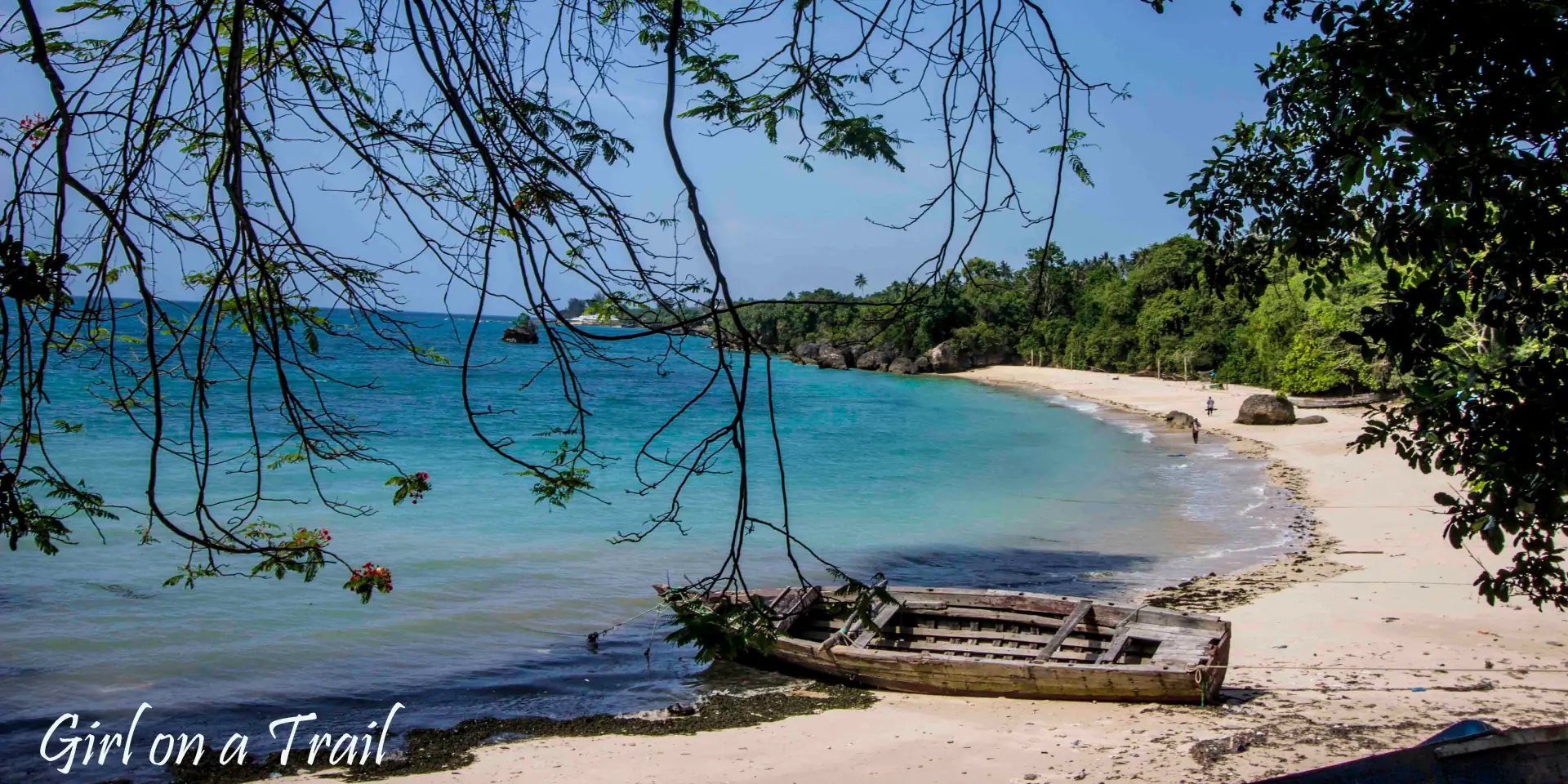
Tanzania has over 800 kilometres of coastline, most of it untouched by mass tourism. The mainland's best waves are at Pangani, north of Dar es Salaam, while the Zanzibar Archipelago holds reef breaks at Paje, Michamvi and Dongwe plus mellow beach breaks at Nungwi and Kendwa. The main surf season runs April to September, when southeast trade winds and groundswell combine. Even at the best-known breaks you will rarely share the peak with more than a handful of surfers.
Top Spots for Surfing in Tanzania
Tanzania boasts over 800 kilometres of coastline, much of it untouched by mass tourism. Or in other words: there's a wealth of undiscovered surf breaks, offering a sense of exclusivity and adventure rarely found in other surfing destinations.
The coastline is a tapestry of diverse landscapes, from the dramatic cliffs and the most beautiful white beaches of mainland Tanzania to the idyllic atolls and coral reefs of Zanzibar. This way, surfers of all levels can enjoy all kinds of waves.
Pangani: The Crown Jewel of Tanzanian Surfing
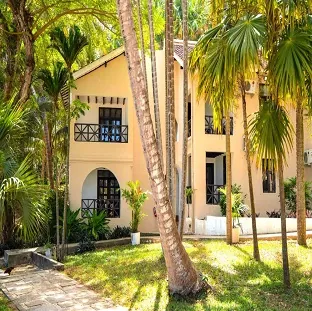
Pangani is a laid-back coastal town north of Dar es Salaam and considered the "crown jewel of Tanzanian surfing". Consistent swells rolling in from the Indian Ocean create long, peeling right-hand point breaks that are perfect for intermediate and advanced surfers. The iconic The Point break is a surfer's paradise, offering long rides and challenging manoeuvres. If you're seeking a more relaxed vibe, try nearby beaches like Utafta - the gentler waves are also ideal for beginners.
Beyond the waves, Pangani exudes a charm that perfectly matches the surfing experience. The town boasts a rich history, evident in its traditional Swahili architecture and vibrant local markets. If you want to marvel at some wildlife and culture, head over to Pangani River: a haven for birdlife and home to historical sites like the Pangani Caves.
| Break | Wave Type | Best For |
|---|---|---|
| The Point, Pangani | Long peeling right point | Intermediate and advanced |
| Utafta, Pangani | Gentle beach break | Beginners and longboarders |
| Oyster Bay, Dar es Salaam | Consistent beach break | Beginners and intermediates |
| Sea Cliff, Dar es Salaam | Challenging reef break | Experienced surfers only |
| Mchinga Beach, Lindi | Long rolling beach break | Longboarders and intermediates |
Getting There
Pangani sits about 90 km north of Dar es Salaam on the main A14 highway, which makes it an easy add-on to a safari itinerary or a stop before a Kilimanjaro climb. Plenty of surf camps and guest houses run boat transfers and boards, so you can arrive without carrying your own.
Zanzibar: Reef Breaks and Cultural Immersion
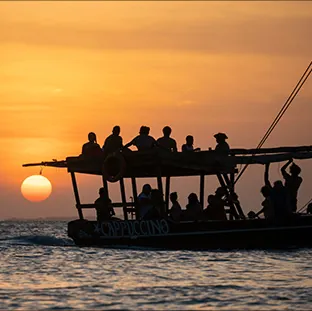
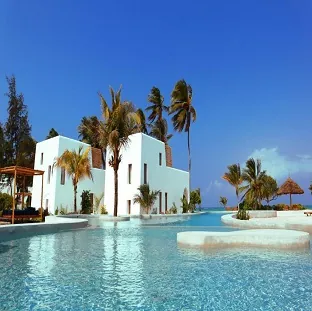
Zanzibar, Tanzania's famed archipelago, offers a unique blend of cultural immersion and pristine surfing conditions. The southernmost tip of the island, around Michamvi and Paje, is home to several hidden surf gems. These breaks are typically reef breaks, creating shorter but powerful waves that are ideal for experienced surfers. The idyllic setting, with swaying palm trees and turquoise waters, adds to the allure of surfing in Zanzibar.
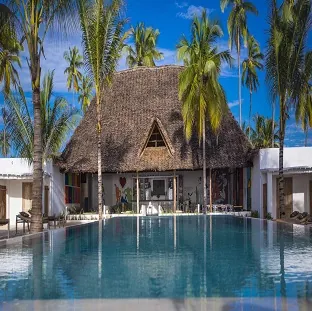
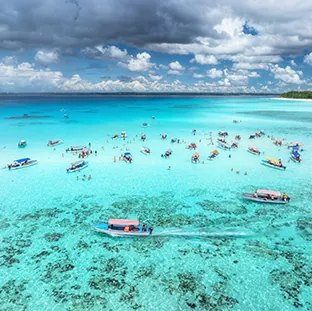
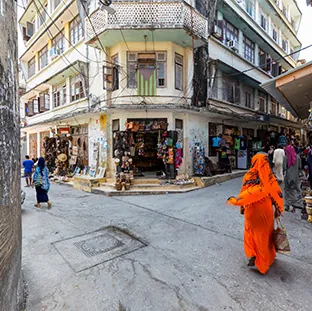
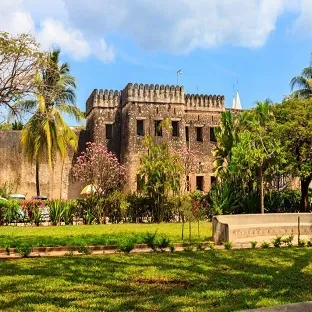
Beyond the waves, Zanzibar is a cultural melting pot, showcasing influences from Africa, Arabia, and the Far East. Stone Town is the island's historic capital and a UNESCO World Heritage Site. During a city tour, you can catch a glimpse into Zanzibar's rich past: explore bustling spice markets, wander through narrow alleyways, and marvel at the architectural wonders of the town.
Other Tanzanian Surf Spots Worth Exploring
While Pangani and Zanzibar are the most well-known surfing destinations in Tanzania, the vast coastline holds many other options for adventurous surfers. Here's a glimpse into some additional spots waiting to be explored.
Mainland Tanzania
Dar es Salaam: the bustling city enchants with a few surfable options right on its doorstep. Oyster Bay (Coco Beach), located on the peninsula, wows beginners and intermediates with consistent beach breaks. More experienced surfers can venture to Sea Cliff, a challenging reef break at the northern tip of the city.
Southern Coast: further south, near the town of Lindi, lies Mchinga Beach. This remote spot features long, rolling waves perfect for longboarders and intermediate surfers. However, be prepared for limited infrastructure and a truly off-the-grid experience.
Zanzibar Archipelago
Dongwe Beach: located on the east coast of Zanzibar, Dongwe Beach is home to a powerful right-hand reef break, perfect for experienced surfers. The consistent winds can make reaching the break challenging, often requiring a boat trip.
Nungwi: the popular tourist destination of Nungwi offers beginner-friendly waves, making it ideal for those new to the sport. The gentle waves and beautiful beaches make it a superb spot to learn and enjoy the stunning scenery.
Sinda Islands: this archipelago off the coast of Pemba Island, another island in the Zanzibar Archipelago, has a secluded and unique surfing experience in store for you. Reef breaks create challenging waves for experienced surfers, while the remote location ensures an untouched and pristine environment.
When to Go Surfing in Tanzania
The Tanzanian coast runs on two monsoon systems, and understanding them is the difference between a good trip and a wasted one. Our detailed month-by-month Zanzibar weather guide breaks the numbers down in full.
| Season | Conditions | Surf Verdict |
|---|---|---|
| April - May | Building groundswell, light winds | Prime season opens, clean mornings |
| June - September | Southeast trade winds, consistent swell | Best swell of the year, windier afternoons |
| October - November | Short rains begin, glassy at times | Fewer surfers, some heavy days |
| December - March | Long rains, monsoon swell | Wet, but big and empty |
If you are pairing surfing with a Kilimanjaro climb, aim for the clearer months of January to March and June to October for the mountain, then add Zanzibar at the end of the trip.
Surf Responsibly and Explore the Culture
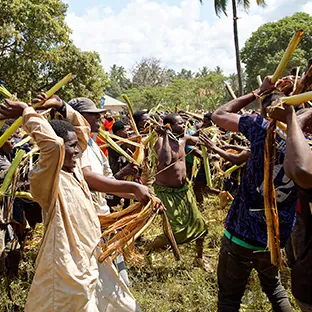
Surfing in Tanzania is more than just catching waves. It's an opportunity to immerse yourself in a unique culture and contribute to responsible tourism practices. With these four tips, you can easily make a positive impact.
Support local businesses
Choose locally-owned surf camps, guest houses, and restaurants to directly support the local community.
Respect the environment
Be mindful of your waste disposal and avoid littering on the beaches or in the ocean (this is a no-brainer).
Engage with the local community
Learn a few Swahili phrases, interact with locals respectfully, and appreciate their culture.
Support sustainable practices
Choose surf camps and lodges that prioritise sustainability initiatives, such as waste reduction and water conservation.


By following these practices, you can contribute to the responsible development of Tanzania's surf tourism industry, ensuring its beauty and cultural richness are preserved for generations to come. Our Leave No Trace guide sets out the same principles we follow on the mountain.
Conclusion: A Surf Scene Still Being Written
Tanzania's surfing scene is still in its nascent stages, offering a sense of adventure and discovery for those seeking an off-the-beaten-path experience. With its diverse coastline, uncrowded breaks, and rich cultural heritage, Tanzania has the potential to become a premier surfing destination. As the surf community grows and responsible practices are implemented, the country is poised to carve its own unique niche in the global surfing landscape, offering an unforgettable experience for surfers of all levels.
Whether you're a seasoned wave rider seeking a new challenge or a curious beginner looking for an introduction to the sport - Tanzania's emerging surf scene offers something for everyone. So, pack your boards, embrace the spirit of adventure, and get ready to discover the hidden gems of Tanzania's surfing havens.
Frequently Asked Questions
Yes. Tanzania offers consistent Indian Ocean swells, uncrowded breaks, and a genuine mix of beach and reef breaks. The best-known spots are Pangani on the mainland and the east and south coasts of Zanzibar around Paje and Michamvi. What Tanzania lacks in crowd numbers it more than makes up for in consistency and solitude.
The prime surf season runs from April to September, when southeast trade winds and consistent groundswell hit the coast. Pangani and Zanzibar both receive reliable swell during these months, with generally manageable or offshore wind conditions. The short rains in November and December can bring heavier, more inconsistent surf.
Yes. Spots like Nungwi and Kendwa offer gentler, beginner-friendly waves in shallow water. Paje suits intermediate surfers, while the more powerful reef breaks around Michamvi and Dongwe are best left to experienced surfers who know how to read a reef.
You can bring your own board or rent locally. Guest houses and surf camps around Pangani and Zanzibar offer board rentals, though availability varies in more remote spots. If you are flying long-haul, renting on arrival is usually simpler than risking baggage fees on a 3-metre board bag.
Generally yes in established surf areas. Be cautious of reefs, rip currents and marine life, and surf within your ability. Local knowledge helps enormously, especially for remote reef breaks. Respect local customs, avoid surfing near local fishing boats and swimmers, and check conditions with trusted operators before heading out.
Remarkably uncrowded compared with Bali, Sri Lanka or the Hawaiian Islands. Even at Zanzibar's most popular breaks you will often share the peak with only a handful of surfers. This is the single biggest draw for anyone who has grown tired of packed lineups.
Ready? Plan Your Tanzania Adventure
Surfing in Tanzania is rarely a standalone trip - the coast is an easy add-on to a bigger journey. Tell us your preferred dates and we'll build an itinerary that puts you in the right swell window.
More Tanzania Beach Guides
GuidesTop 10 Beaches in Zanzibar
Every major Zanzibar shoreline, from Nungwi to Paje
Best Time to Visit Zanzibar
Month-by-month weather, rains and swell windows
Tanzania Beach Packing List
What to bring for Zanzibar, Pemba and Mafia
Tanzania Safari From Zanzibar
Crossing to the Serengeti and what it costs
Which Island to Choose?
Zanzibar vs Pemba vs Mafia compared
Tanzania Safari Tours
Pair the coast with a Serengeti safari
Last updated: October 5, 2026. Surf conditions and swell windows change with the seasons - check local reports before you paddle out.
