Traveling to Tanzania is often described as a return to the origins of humanity. The country is famous for its lions and its powdery beaches, but scratch the surface and you will find something just as remarkable: a land woven from more than 120 different tribes, each with its own language, its own stories, and its own way of life.
Tall and stately Maasai nomads walk the dry savannah in bright red cloth, Hadza hunters still craft fires with two sticks in the ancient woodlands of Lake Eyasi, resilient Hehe warriors guard their Iringa highlands, and gifted Makonde carvers turn humble wood into faces you can almost feel breathing. They do not compete with one another — they coexist, and together they make Tanzania.
A Note From Our Guides
Culture is not a spectacle — it is life. When you visit a community with respect, you are not watching a show; you are sharing a morning with people who welcome you into their home. Come with an open mind, ask questions politely, and let their stories surprise you. That is when the real Tanzania opens up.
Tanzania's Tribes at a Glance
Total Tribes
Over 120 different ethnic groups
Origins
Most trace back to the Bantu people
Largest Tribe
Sukuma, about 16% of the population
Most Famous
The Maasai, symbol of East Africa
National Language
Swahili unites all tribes
Oldest Lifestyle
Hadza, hunter-gatherers for millennia
Artisans
Makonde, master woodcarvers
Highlands People
Chagga on Kilimanjaro's slopes
How Many Tribes Are in Tanzania?
Tanzania has more than 120 different tribes, spread across the whole country. Each one speaks its own language and follows its own traditions. The largest count millions of members; the smallest number fewer than a thousand people.
Most tribes can trace their roots to the Bantu people. The Bantu originally lived in Central Africa and, over many centuries, migrated east, south, and west — slowly dividing into the many groups that now call Tanzania home.
Below we have gathered a short, friendly list of some of the most fascinating and influential tribes. It is not the whole story — no single page could hold it — but it is a warm place to begin.
The Sukuma — People of the North
The Sukuma are Tanzania's largest ethnic group, making up about 16% of the total population. They live in the north of the country and along the southern shore of Lake Victoria. The name Sukuma literally means "north" — the Sukuma are the "people of the north."
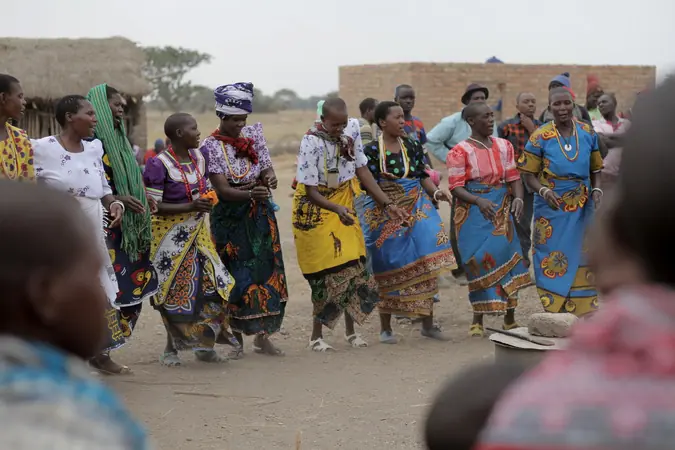
The Sukuma are farmers at heart. Around Lake Victoria they grow sorghum, corn, millet, groundnuts, sweet potatoes, cassava, peas, and rice, alongside cash crops like cotton and sesame. Cattle are just as important — cows, goats, and sheep are not only income and food but deep symbols of wealth and social standing.
Their culture bursts with music and dance, especially a colourful performance called Bugobobobo, or simply "Ngoma." Through song and rhythm, the Sukuma pass the wisdom of their ancestors from one generation to the next. Today many follow Christianity, yet the old love of ancestral spirits and traditional medicine still runs through daily life.
The Nyamwezi — People of the Moon
The Nyamwezi are the second-largest tribe in Tanzania, with around two million people. They live on the plains of the Tabora, Shinyanga, and Mwanza regions. Their name means "people of the moon," a nod to their ancient traditions of moon worship.
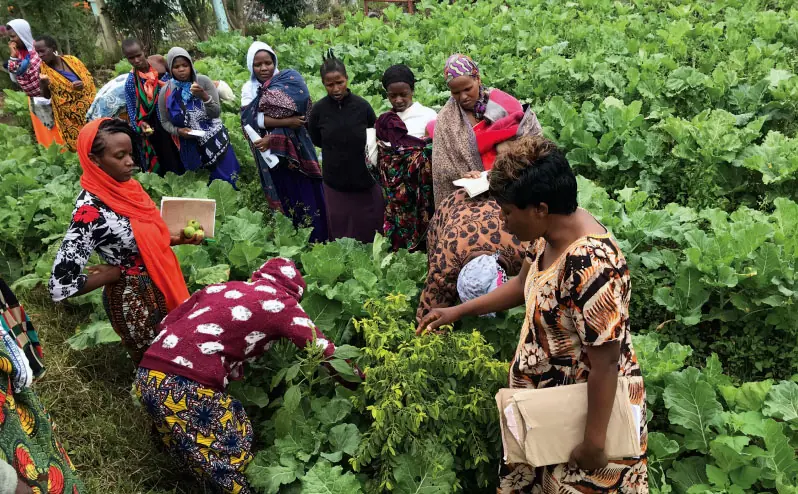
Islam and Christianity have shaped the Nyamwezi over time, but their older beliefs — veneration of the moon, spirits, and ancestors — remain strong. They believe in an almighty god called Likube (the High God), as well as Limatunda (the Creator), Limi (the Sun), and Liwelolo (the Universe). Ancestors are thought to influence the living, so rituals are held to keep them happy. Like so many Tanzanian tribes, most Nyamwezi earn their living through farming, with rice and sorghum the two most popular crops.
The Chagga — Farmers of Kilimanjaro
The Chagga are the third-largest tribe, living on the fertile southern slopes of Mount Kilimanjaro and Mount Meru — over 1.5 million strong. They are a Bantu people who farm and raise livestock.
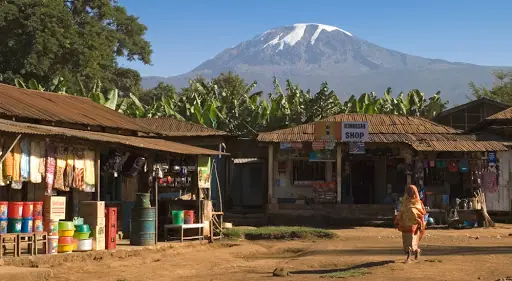
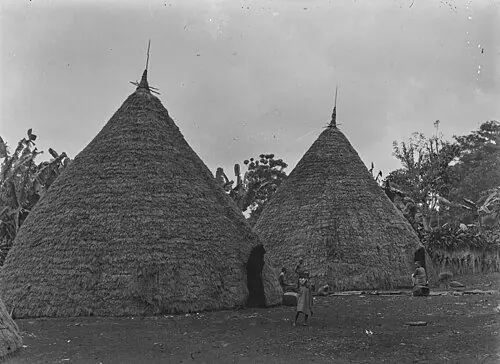
Every Chagga home has a large garden growing coffee, bananas, oranges, lemons, avocados, sugar cane, flowers, vegetables, and herbs. Many families keep cows and chickens too. Their tradition called kihamba passes land down through the male line. When coffee arrived in East Africa in the late 19th century it became their main cash crop — and thanks to Kilimanjaro's volcanic soil, it made the Chagga some of the wealthiest people in the country.
They even brew a traditional banana beer called mbege. As land grows scarce, many Chagga now work in the cities, yet they keep growing that coffee. You will meet plenty of Chagga guides and porters on the mountain — climbing Kilimanjaro is a proud part of their story.
The Maasai — Symbol of East Africa
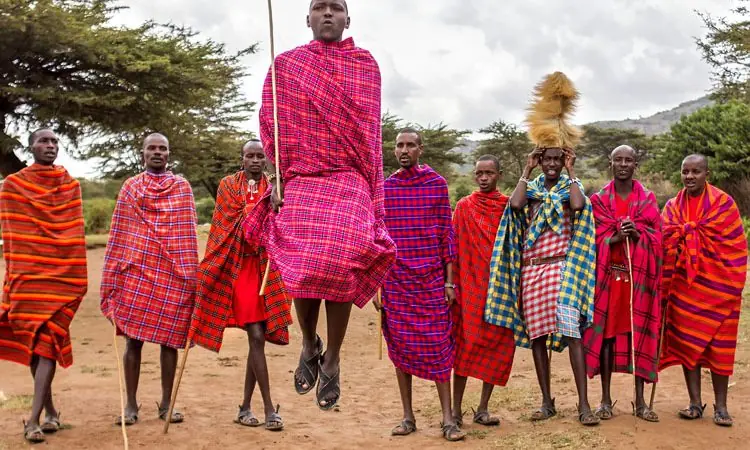
The tribe that has become a symbol of Tanzania is the Maasai. Around 800,000 live in northern and central Tanzania; count those across the border in southern Kenya and the number passes a million. They are cattle people, raising herds for meat and milk, and many also work in tourism.
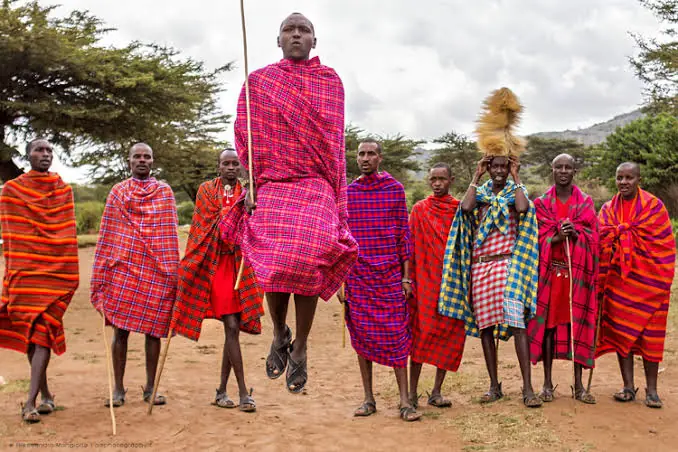
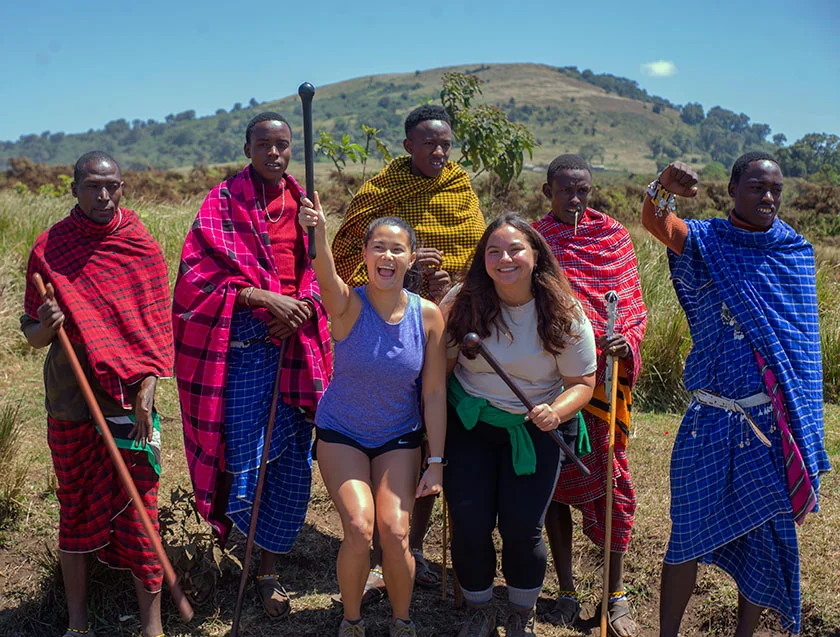
Even as their ancestral lands became national parks, the Maasai held on to their ways. They still dance, sing, and hold initiation ceremonies; Maasai women adorn themselves and their stretched earlobes with intricate beadwork. Most live in kraals — circular villages of homes around a central cattle pen, ringed by acacia thorn fences to keep lions out.
Many of those songs and dances now reach a far bigger audience. Each February, Maasai communities from across the border gather for the Serengeti Cultural Festival, the country's largest cultural event, where the same beadwork, cattle ceremonies and storytelling are performed on an international stage. Our guide to Tanzania's holidays and festivals covers the festival and the national holidays that shape the year.
"If you want to go fast, go alone. If you want to go far, go together."
Cattle and children are the two great gifts of Maasai life; a traditional prayer goes, "May the Creator give us cattle and children." The Maasai worship one god, Engai, who can be both gentle and fierce. South of Lake Natron stands Ol Doinyo Lengai, the Maasai's sacred "Mountain of God," where they come to pray for relief from hardship and for healing.
The Hadza — Living Hunter-Gatherers
The Hadza, sometimes spelled Hadzabe, are one of the last remaining hunter-gatherer tribes on our planet. Between Lake Eyasi and the Serengeti Plateau, fewer than 1,500 remain — descendants of Tanzania's indigenous people who have lived here for thousands of years, much as their ancestors did.
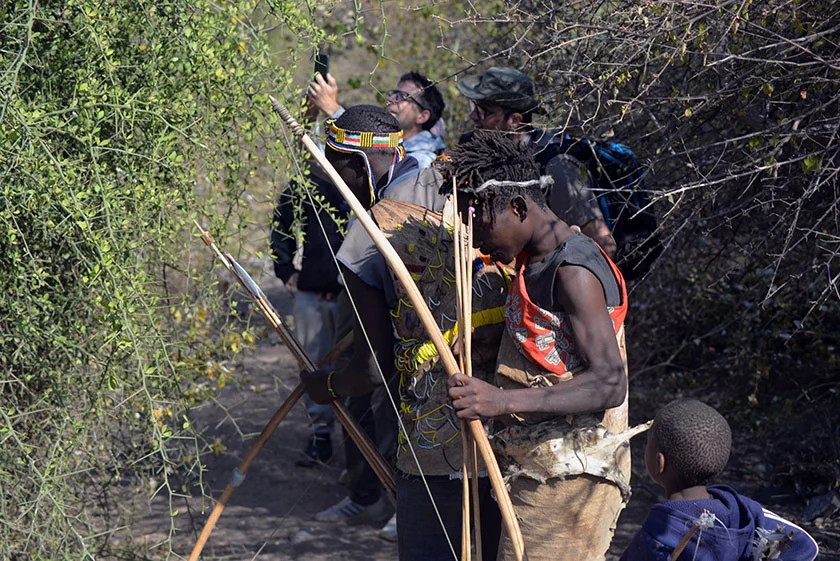
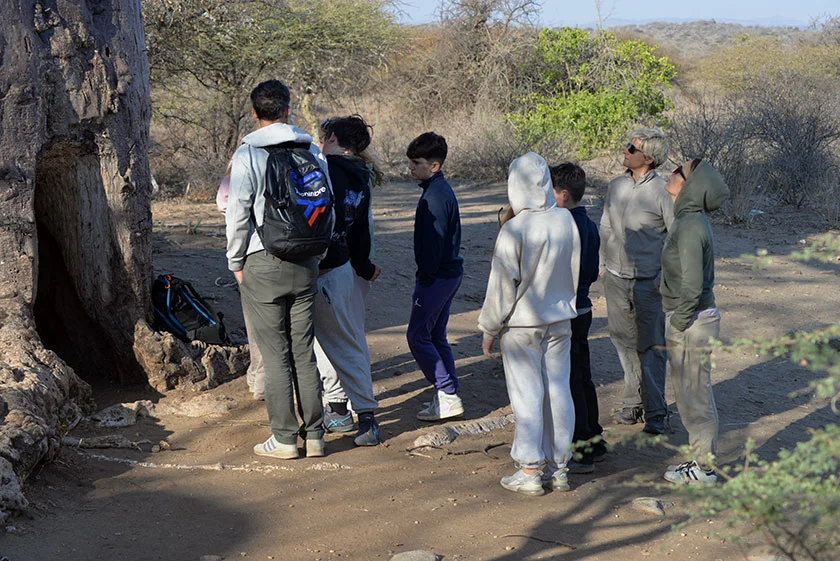
With no livestock or farmland, the Hadza spend most of each day hunting and gathering. Men return with meat and honey; women and children collect fruits, berries, and roots. They eat simply, and they believe this is exactly why they stay so healthy.
Their language is unlike any other in the region — the Hadza weave their words with delicate click sounds. It is an extraordinary connection to the deep human past, and one you can experience yourself on a day trip to Lake Eyasi.
The Makonde — Master Woodcarvers
The Makonde live in southeastern Tanzania; more than a million people identify as Makonde today. Fiercely proud of their traditions, they tend to keep to themselves. Their ancestors migrated north from Mozambique in the 18th and 19th centuries, fleeing colonial rule and Arab slave traders.
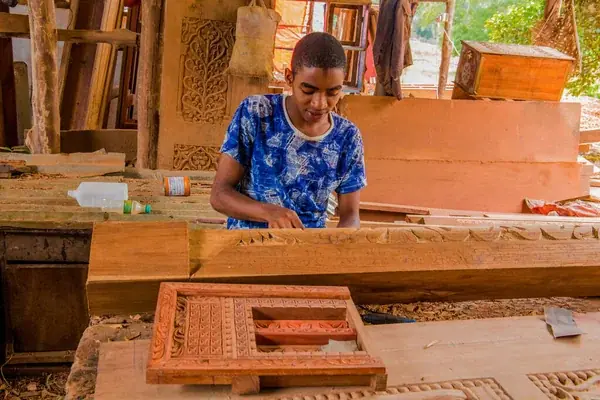
They farm cassava and corn, but it is their wood carving that made them famous. The skill passed from father to son, mastered during initiation ceremonies, and the finest carvers create ritual helmet masks called mapiko. Carving is traditionally a man's craft, kept secret from the women of the tribe.
There is a lovely myth among Makonde carvers that the mother of them all was once a wooden figure that came to life. Because village visits are not usually open to outsiders, many carvers moved north to the busy craft markets of Arusha and Dar es Salaam — which is where you can watch them work. Known for their spirit of resistance and their fierce warrior pride, the Makonde earned the nickname "the angry ones."
The Hehe — Warriors of Iringa
The Hehe, or Wahehe in Swahili, are famed for their resilience and warrior traditions. They dominate the Iringa region in south-central Tanzania, where they were formed in the 19th century from several older communities under their famous chief, Mkwawa — united mainly to resist slave traders and European colonists.
Their courage became legend on August 17, 1891, when the Hehe defeated a German detachment at Lugalo and held out for seven more years under Chief Mkwawa. In a sign of deep respect, the British colonial governor later returned Mkwawa's skull to his people in 1954, and the Hehe gathered in Kalenga to honour their fallen leader. Today these proud people are mainly farmers and cattle keepers.
The Haya — Iron Masters of the Northwest
The Haya people of northwestern Tanzania carry a history that stretches back over 2,000 years. They are renowned for their advanced ironworking — in pre-colonial times they produced high-quality steel using pre-heating methods far ahead of their time. Their culture is bound to Lake Victoria, and their rich soil grows the bananas at the heart of their diet and economy.
The Haya live in close-knit clans, each led by a chief who keeps order and settles disputes. Extended families often share one settlement. They honour ancestral spirits, who they believe watch over and protect the community, through sacred rituals and ceremonies. And their dances are something special — intricate foot rhythms performed in grass skirts and ankle rattles, with song woven through every step.
The Iraqw — Highlanders of the Mbulu Plateau
Finally, the Iraqw live in the cool highlands of north-central Tanzania, mostly on the Mbulu Plateau between Lake Manyara and Lake Eyasi. About 350,000 strong, they are believed to have come from Ethiopia around the 16th century, settling in the Rift Valley to farm and raise livestock.
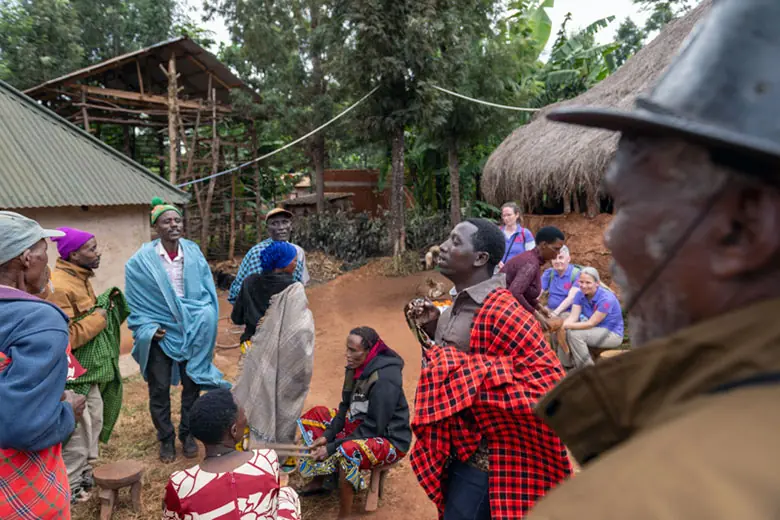
The Iraqw kept their distinct Cushitic language, which sets them apart from the Bantu, Nilotic, and Khoisan tongues spoken around them. They grow corn, beans, and millet, and raise cows, goats, and sheep. They are also gifted potters and weavers, turning sisal and palm leaves into baskets and mats. A deep belief in a higher creator and in the ongoing influence of ancestors shapes their culture.
Frequently Asked Questions
Tanzania is home to over 120 different tribes, each with its own language, traditions, and customs. They range in size from major groups with millions of members to small communities of fewer than a thousand people.
The Sukuma are Tanzania's largest tribe, making up about 16% of the population. They live in the north of the country along the southern shores of Lake Victoria and are primarily farmers and cattle keepers.
The Maasai are the most famous and recognizable of Tanzania's tribes. Their bright red shuka cloth, elaborate beadwork, and jumping warrior dances have made them an icon of East Africa. However, they are not the largest tribe in the country.
Yes. The Hadza (or Hadzabe) are one of the last remaining true hunter-gatherer tribes on Earth. Fewer than 1,500 still live around Lake Eyasi in north-central Tanzania, following a lifestyle remarkably similar to their ancestors thousands of years ago.
Most tribes speak a Bantu language, while others speak Nilotic (like the Maasai's Maa), Cushitic (like the Iraqw), or click-based languages (like the Hadza). Nearly everyone in Tanzania also speaks Swahili, the national language that unites all tribes.
Yes, respectfully. Through Masatu Tours you can visit the Maasai in their villages near Arusha, meet the Hadza hunter-gatherers at Lake Eyasi, and watch Makonde woodcarvers at craft markets. Responsible visits support local communities and their traditions.
How to Meet Tanzania's Tribes
You do not need a map of a hundred villages to begin. The easiest and most respectful ways to meet Tanzania's tribes are woven into ordinary travel:
- Visit a Maasai village near Arusha or Ngorongoro to learn about beadwork, cattle, and the jumping dance.
- Spend a morning with the Hadza at Lake Eyasi and watch fire-making and hunting skills that predate farming.
- Watch Makonde woodcarvers at the craft markets of Arusha and Dar es Salaam.
- Meet Chagga guides and porters on a Kilimanjaro climb, or visit a coffee farm in the foothills.
Travel with Respect
Ask before taking photos, dress modestly, and support community-led visits. The money you spend on a responsible cultural safari goes straight back to the people who welcome you — helping traditions, not just protecting them.
The Heart of Tanzania
This list hardly covers all of Tanzania's tribes — but it is a warm place to start. Daily life here has been shaped by the customs and beliefs of each group, and together they let Tanzania keep its identity in a fast-changing world. In the crowded streets of Dar es Salaam or the deep silence of the Serengeti, you will feel it: a nation of a hundred voices, singing one song.
