Key Facts
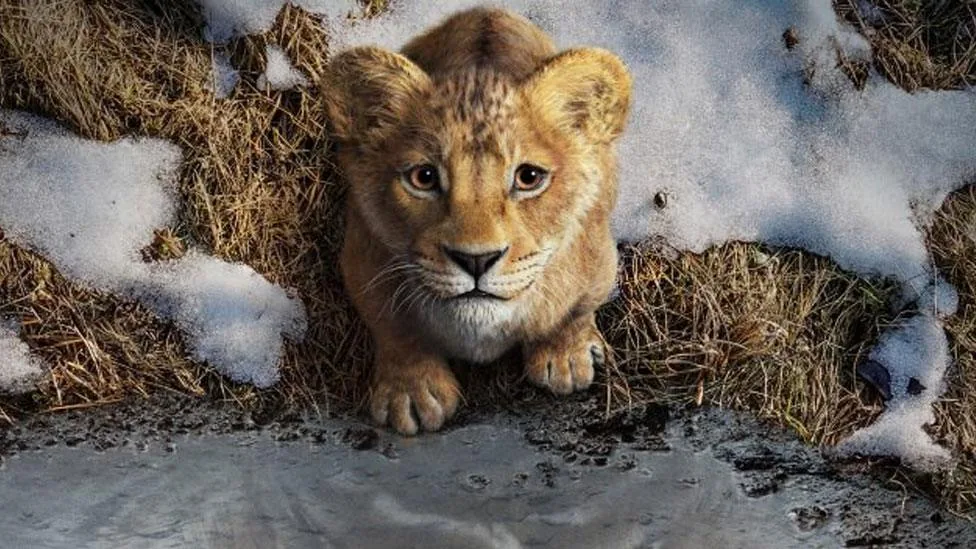
- Mufasa: The Lion King is a fully computer-animated prequel to The Lion King, following Mufasa and his half-brother Scar.
- Its landscapes were recreated from real photos and video gathered by teams travelling across Africa.
- The story opens in Namibia's Kaokoland and moves through Botswana, Zambia, Zimbabwe and Tanzania.
- In Tanzania, the film features the Isimila Canyon and the Ol Doinyo Lengai volcano near Lake Natron.
- A snowy highland sequence is inspired by the Rwenzori Mountains, moved to Kilimanjaro's location.
- The journey ends at the fictional Pride Rock, thought to sit near Amboseli in southern Kenya.
Is Mufasa: The Lion King Set in Tanzania?
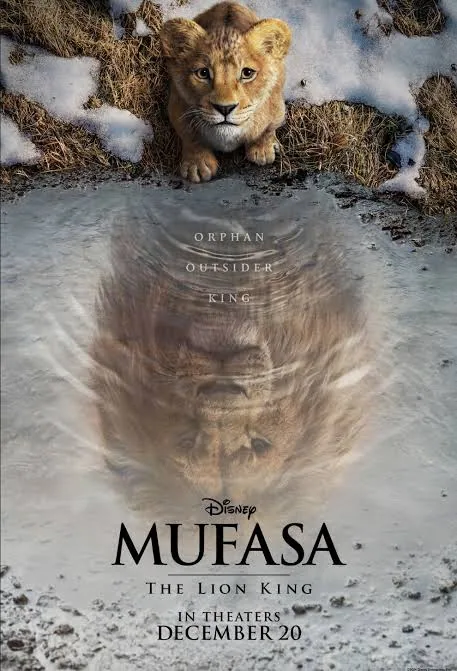
Mufasa: The Lion King is a computer-animated adventure film and a prequel to the classic The Lion King. It tells the story of Mufasa and his half-brother Scar, following their journey across several African landscapes as they grow from cubs into rivals — a journey that eventually reaches the fictional Pride Rock.
A significant part of the story takes place in Tanzania. Before we follow the characters there, it helps to understand how a modern animated film builds its world: because it was never "filmed" on location, the landscapes had to be researched, photographed and then rebuilt in virtual reality.
Spoiler alert
How the Movie's Locations Were Created
Computer animation does not simply invent landscapes. It captures real ones — through photography and video — and then meticulously recreates them in virtual reality. For Mufasa: The Lion King, work on these landscapes began during the COVID-19 restrictions, which prevented the crew from travelling to Africa themselves.
To overcome the challenge, the artists held twice-weekly video calls with teams who travelled across African countries by car. Those teams provided live footage and photographic references of key locations and objects, allowing the artists to faithfully recreate the film's main settings — from dry riverbeds to sandstone canyons and snow-capped peaks.
The result is a film that is fictional in its characters and its geography, but grounded in real places. You can read more about the production in the Wikipedia entry for Mufasa: The Lion King.
From Namibia to Tanzania: Kaokoland & the Okavango
The story opens in Namibia, in the remote and arid region of Kaokoland. This sparsely populated area is characterised by scarce water and rugged terrain, where even elephants adapt their behaviour to preserve the fragile ecosystem, rarely breaking trees to conserve the sparse vegetation. These resilient elephants, capable of surviving up to four days without water, play a significant role in the film's plot.
The adventure begins with a young lion cub, Mufasa, walking alongside his parents in a dry riverbed. Suddenly a powerful flood bursts through, toppling an elephant and smashing through a blockage of rocks and trees. The force of the water carves a new path through the riverbed and sweeps Mufasa far away from his parents — the event that sets his remarkable journey in motion.
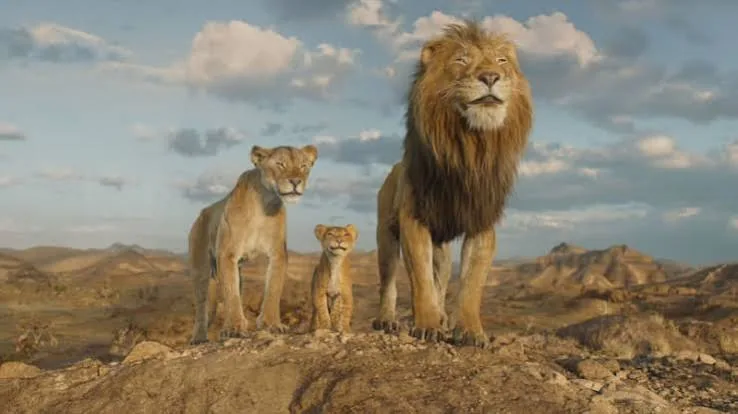
In the Okavango Delta, young Mufasa encounters another lion cub named Taka, who later becomes his half-brother and eventual rival, Scar. At this stage, however, the two form a strong bond of friendship. Together they grow up in the savannahs of Botswana, guided by elder lions, until their peaceful life is disrupted by an invasion of wandering white lions. Forced to flee once more, Mufasa embarks on a new journey, now alongside Taka.
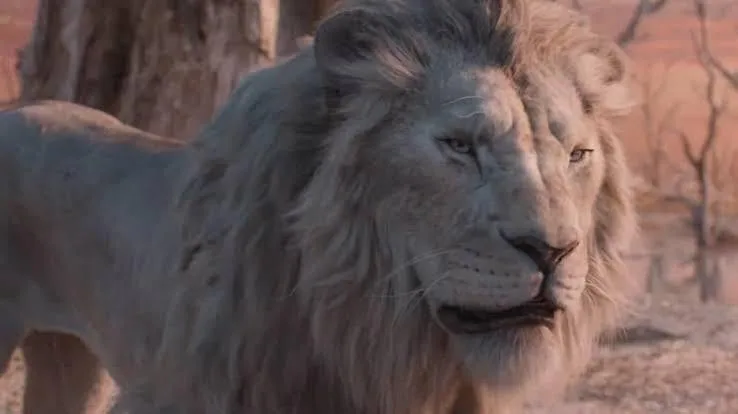
The chase leads the lions to the majestic Victoria Falls, on the border of Zimbabwe and Zambia. Once again young Mufasa finds himself in water, and the pursuers are relentless. Somewhere in Zambia, Mufasa and Taka meet a young lioness named Sarabi, who is also on the run from the white lions. Sarabi is accompanied by Zazu, a hornbill who acts as her scout and loyal companion.
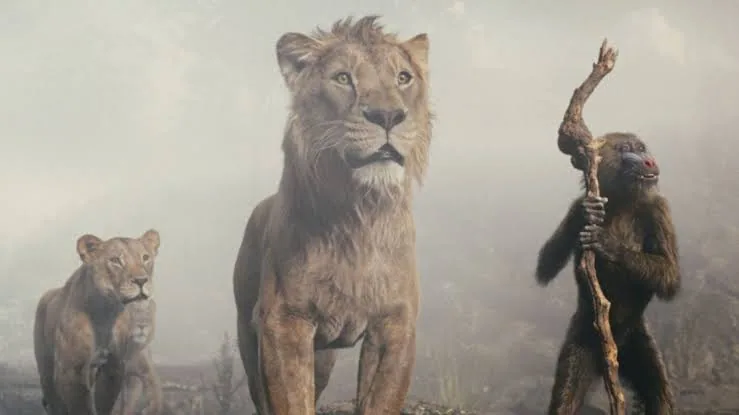
Along the way, the group encounters a mandrill named Rafiki, who has been exiled from his troop for practising shamanism and for his unsettling ability to prophesy. Now he wanders across Africa, searching for his purpose. Eventually, the companions find themselves in Tanzania — the part of the story this guide focuses on.
Isimila Canyon, Iringa — Tanzania's Sandstone Pillars
The first Tanzanian location featured in the movie is the Isimila Canyon, known for its ancient sandstone pillars. In southern Tanzania's Iringa region lies a sprawling valley carved by a canyon — the remnants of an ancient, now-dry lake once fed by rivers. Approximately 300,000 years ago the water receded, gradually forming a deep ravine.
At the bottom of the ravine, unique sandstone formations can be found: rocks composed of compacted grains of quartz and other minerals. Over millennia, the wind has sculpted these formations into striking, pillar-like shapes, some reaching heights of up to 30 metres (100 ft). The area's otherworldly beauty was further enhanced by the film's artists.
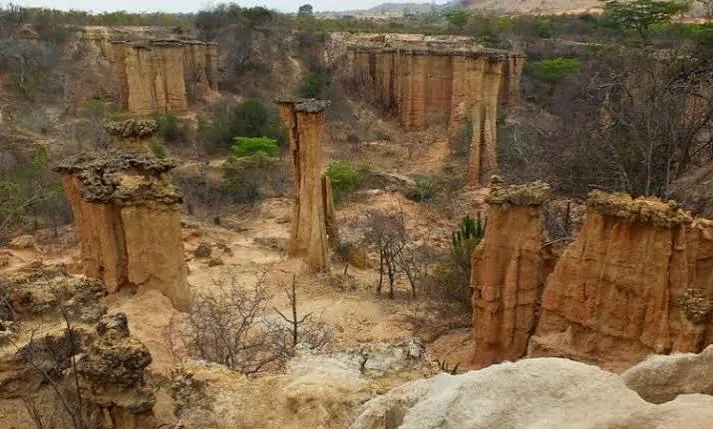
In the movie, Mufasa and his companions explore the ancient Isimila Canyon. However, the canyon appears larger in the film, with the sandstone pillars towering higher than they do in reality — an artistic adjustment to enhance the cinematic appeal. Within the storyline, the canyon becomes the setting for a dramatic sequence: the protagonists are pursued by their enemies and seek help from a migrating herd of elephants. Chaos ensues as panic spreads through the herd, leading to a stampede. The sandstone pillars collapse, and several characters narrowly escape harm amid the commotion.
Interestingly, in the real world the Isimila Valley is known not only for its canyon but also for its significant archaeological discoveries. Excavations have revealed a Paleolithic human settlement where ancient people sheltered in local caves tens of thousands — perhaps hundreds of thousands — of years ago. The site is rich in stone tools attributed to the Acheulean culture, offering a glimpse into early human life in the region.
A film set built from real stone
Ol Doinyo Lengai — the Mountain of God
The journey continues, and shortly after leaving the canyon the characters arrive near the Ol Doinyo Lengai volcano. Located in northern Tanzania near Lake Natron, this active volcano is home to thousands of flamingos and holds both natural and cultural significance. It is a popular destination for hikers and is deeply rooted in the traditions of the Maasai people, who believe that the god Ngai resides on the mountain.
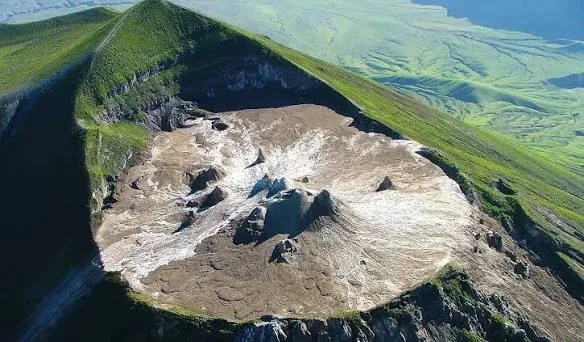
As production designer Mark Friedberg explains, the barren landscape around the volcano is the most desolate part of Mufasa's journey. The filmmakers used this setting to convey the characters' emotions — their despair and exhaustion are mirrored in the dry, lifeless environment.
In reality, the area around the volcano has many beautiful spots: Lake Natron, stunning waterfalls and authentic Maasai villages. If you would like to take a tour of Ol Doinyo Lengai, our Lake Natron complete guide explains the surroundings, and our Lake Natron day trips show how to visit. You can also see our Tanzania day trips for more options.
The strangest lava on Earth
Mount Kilimanjaro — or the Rwenzori?
Looking at a map of Africa, it is clear the characters in the movie are nearing the end of their journey. As we know from the original The Lion King (1994), their destination is Pride Rock — a fictional location thought to sit in southern Kenya, within Amboseli National Park or the nearby Chyulu Hills. From Tanzania, the group would only need to circle around Mount Kilimanjaro to arrive at this iconic setting.
But here the geography takes an unexpected turn. The filmmakers were determined to place the characters in snowy highlands, high up in the mountains — something Kilimanjaro alone could not offer on that scale. To make it happen, production designer Mark Friedberg and director Barry Jenkins made a bold move: they relocated the long Rwenzori Mountain Range, which stands on the border between Uganda and the DRC, to Kilimanjaro's location.
This allowed Mufasa, Taka, their friends and even their pursuers to find themselves amid towering snowy peaks. In reality, both mountains are worth knowing: Kilimanjaro is Africa's highest peak at 5,895 m (19,341 ft) and the only place on the continent with equatorial glaciers, while the Rwenzori — the "Mountains of the Moon" — carry permanent snow between Uganda and the DR Congo. See our guides to where Mount Kilimanjaro is and how high it really is.
Hollywood geography
Pride Rock and the Finale
After traversing mountains, snow and freezing temperatures, the five travellers finally arrive at the destined location of Pride Rock. That finale lies beyond the borders of Tanzania, so we will not spoil it here — instead, we will wrap up our overview of the Tanzanian landscapes that played a role in the story of Mufasa's rise to becoming King of the Pride Lands.
Pride Rock itself is fictional, but it is widely associated with the acacia-studded plains near Amboseli in southern Kenya — the same kind of country you find in Tanzania's northern parks. If the film has inspired you to see the real thing, our Serengeti National Park guide and our piece on the animals of Mount Kilimanjaro are good places to start.
The Lion King's Swahili heritage is a story in itself. To go deeper, read our articles on the true meaning of Hakuna Matata and the Jambo Bwana welcome song — both of which connect the films to everyday East African culture.
Real Locations vs the Movie
The table below summarises where each part of the story is set, which real place inspired it, and which country it is in. Use it as a quick reference for planning a trip.
| In the film | Real location | Country |
|---|---|---|
| The opening flood | Kaokoland (dry riverbeds) | Namibia |
| Meeting Taka | Okavango Delta | Botswana |
| The chase at the falls | Victoria Falls | Zimbabwe & Zambia |
| Sarabi and Zazu | Zambian bush country | Zambia |
| The elephant stampede | Isimila Canyon, Iringa | Tanzania |
| The desolate stretch | Ol Doinyo Lengai, Lake Natron | Tanzania |
| The snowy peaks | Rwenzori Mountains (placed at Kilimanjaro) | Uganda/DRC → Tanzania |
| The finale | Pride Rock (fictional) | Kenya (Amboseli area) |
Locations are based on the film's production notes and the real geography they reference. Some borders are approximate, and the film intentionally rearranges real places for dramatic effect.
How to Visit the Real Locations
Several of the places that inspired the film can be visited on a Tanzania safari or a dedicated excursion. Here is a quick guide to each one.
Isimila Canyon
Near Iringa in southern Tanzania. Visit with a local guide to see the sandstone pillars and the archaeological site; best combined with a southern-circuit safari.
Ol Doinyo Lengai & Lake Natron
In northern Tanzania. Reachable on a guided tour; the volcano can be climbed with a local guide, and Lake Natron is famous for its flamingo flocks.
Mount Kilimanjaro
Africa's highest peak, climbed on multi-day routes. You do not need to summit to enjoy it — day hikes and the surrounding villages are rewarding too.
The northern parks
The Serengeti, Ngorongoro and Tarangire deliver the acacia plains and big cats that define the Pride Lands on screen.
If you are inspired to conquer the real summit of Kilimanjaro — the highest point in Africa — we would be delighted to organise an expedition. There will be no avalanches or blizzards, and knee-deep snow is not guaranteed, but you will have your own unforgettable adventure on the "Roof of Africa". Explore our Kilimanjaro routes, browse Tanzania safari tours, or start with our Mount Kilimanjaro guide.
For official park information, see Tanzania National Parks (TANAPA) and the Tanzania Tourist Board.
Plan around the seasons
Frequently Asked Questions
Mufasa: The Lion King is a fully computer-animated film, so it was not 'filmed' on location in the usual sense. Instead, its artists recreated real African landscapes in virtual reality using photographs and video gathered by teams travelling across the continent. The story is set across Namibia, Botswana, Zambia, Zimbabwe and Tanzania, and the main Tanzanian locations are the Isimila Canyon in the Iringa region, the Ol Doinyo Lengai volcano near Lake Natron, and a snowy highland sequence inspired by the Rwenzori Mountains placed at Kilimanjaro's location.
A significant part of the story takes place in Tanzania. After the opening in Namibia and Botswana, Mufasa and his companions cross into Tanzania, where they visit the Isimila Canyon and the area around the Ol Doinyo Lengai volcano before heading toward the snowy highlands and, finally, Pride Rock.
The Isimila Canyon is a sandstone canyon in Tanzania's Iringa region, at the bottom of a valley once filled by an ancient lake. Roughly 300,000 years ago the water receded and carved a deep ravine, leaving pillar-like sandstone formations that can reach up to about 30 metres (100 ft) high. The area is also an important archaeological site, with Acheulean stone tools and evidence of a Paleolithic human settlement.
The film's snowy highland sequence was placed at Kilimanjaro's location, but the landscape is actually inspired by the Rwenzori Mountains on the Uganda–DR Congo border. The production team moved the Rwenzori range to Kilimanjaro's position so the characters could travel through towering snowy peaks — something Kilimanjaro alone could not offer on that scale.
Africa has snowy mountains. Kilimanjaro has glaciers near the equator, and the Rwenzori Mountains — the 'Mountains of the Moon' — carry permanent snow and glaciers between Uganda and the DR Congo. The film deliberately used high, snow-capped terrain to give the final leg of Mufasa's journey a dramatic, extreme setting.
Yes. The Isimila Canyon is near Iringa in southern Tanzania and can be visited as a guided archaeological and geological site. Ol Doinyo Lengai and nearby Lake Natron lie in northern Tanzania and are reachable on a guided tour, and hiking the volcano is possible with a local guide. Mount Kilimanjaro itself can be climbed, and Lake Natron day trips are available.
Yes. Ol Doinyo Lengai is an active volcano in northern Tanzania near Lake Natron, and it is the only volcano on Earth known to erupt natrocarbonatite lava, which is unusually cool and dark. It is sacred to the Maasai, who call it the 'Mountain of God' and believe the god Ngai lives there.
Yes, in practice. The Isimila site is normally visited with a local guide who explains the geology and archaeology. Ol Doinyo Lengai is a demanding, active volcano and should only be climbed with an experienced local guide; Lake Natron and the surrounding Maasai villages are also best visited on an organised tour.
More Tanzania & Kilimanjaro Guides
Lake Natron Complete Guide
Flamingos, Ol Doinyo Lengai and the Maasai
Read GuideMount Kilimanjaro Guide
Height, history and the mountain today
Read GuideThe True Meaning of Hakuna Matata
The Swahili phrase behind The Lion King
Read GuideJambo Bwana: Lyrics & Meaning
The Swahili welcome song of East Africa
Read GuideAnimals of Mount Kilimanjaro
Wildlife zone by zone on the roof of Africa
Read GuideWhere Is Mount Kilimanjaro?
Location, geography and maps
Read GuideWalk through the real landscapes
From the sandstone pillars of Isimila to the volcano at Lake Natron and the snows of Kilimanjaro, the places that inspired Mufasa: The Lion King are all within reach. Browse our Tanzania safari tours, plan a day trip, or read our Lake Natron guide.
Last updated: November 16, 2026. Location details are based on the film's production notes and the real geography they reference. Mufasa: The Lion King is © 2024 Disney Enterprises, Inc.; stills are shown for editorial and reference purposes. All other photographs are the property of Masatu Tours and are protected.
