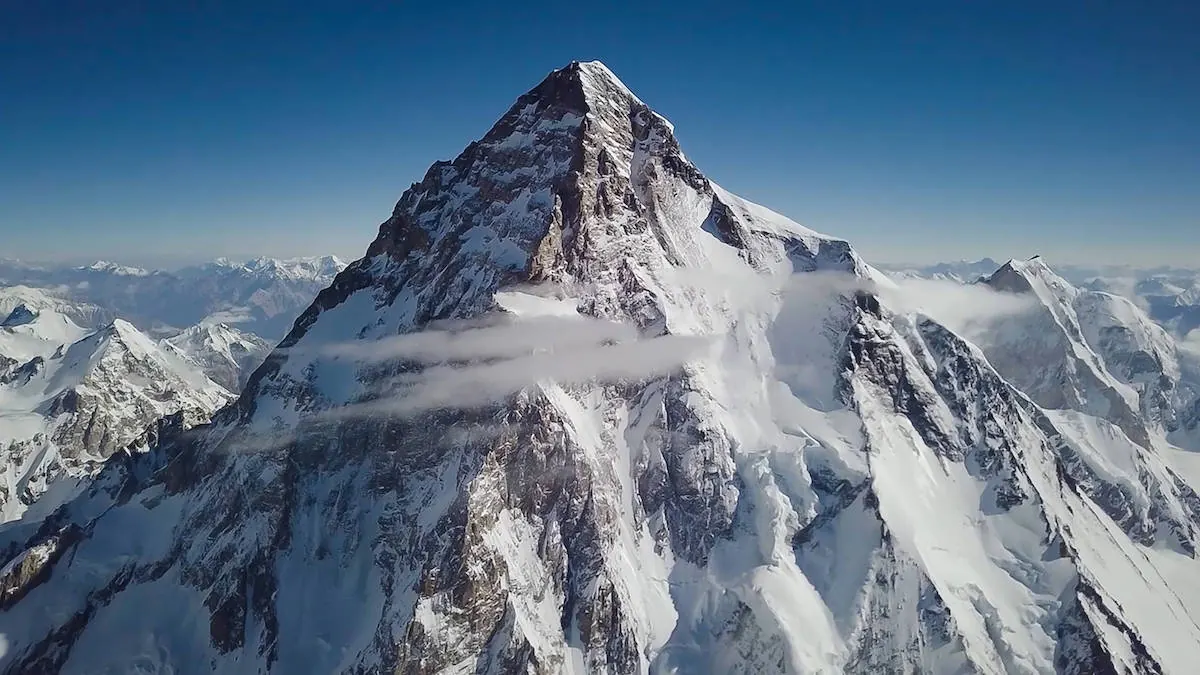
The Hardest Mountain on Earth Isn't the One You Think
Ask anyone to name the world's hardest or most dangerous mountain and most people answer Mount Everest. It makes sense — Everest is the tallest peak on the planet, and its name carries all the drama of the death zone.
But the climbers who actually spend their lives on big mountains will tell you something different. "Hardest" and "most dangerous" are not the same as "highest." Weather, route steepness, technical difficulty, how fast you gain altitude, whether fixed ropes exist, and even how many people are on the mountain — all of it changes the level of risk. A 3,900 m wall in Switzerland can be deadlier than an 8,000 m peak in Nepal, and a 1,900 m hill in New Hampshire can be one of the most dangerous places to be outdoors in America.
At Masatu Tours we spend our working lives on Mount Kilimanjaro and the gentler peaks of Tanzania, but we follow the stories of the world's great mountains closely. This guide ranks the 12 summits widely regarded as the hardest and most dangerous on Earth — with the real numbers, the real histories, and the honest answer to the question at the top of this page.
Spoiler alert: Mount Everest is not number one on this list. It's not even number five.
What Makes a Mountain Hard and Dangerous?
Height alone doesn't tell the story. Some lower mountains are far deadlier than higher ones. Climbing researchers and elite alpinists weigh four factors above all:
Mortality Rate
Deaths versus successful summits is the clearest statistical measure of danger. Annapurna kills roughly one climber for every four who summit. That ratio matters far more than total height.
Technical Difficulty
Vertical rock walls, ice mushrooms, overhangs, and mixed ground make some routes objectively terrifying even in perfect weather. Cerro Torre is only 3,128 m high — yet only a handful of the world's best have ever climbed it.
Weather & Hazards
Avalanches, rockfall, hurricane-force winds, whiteouts, and cold so severe it can kill in minutes. The deadliest storms hit at the worst possible moments, far from any shelter or evacuation route.
Infrastructure & Rescue
Fixed ropes, huts, weather forecasting, and helicopter rescue dramatically reduce risk. Peaks with none of these — or with terrain so remote that rescue is effectively impossible — are far more dangerous.
How does Kilimanjaro compare? Mount Kilimanjaro (5,895 m) is a non-technical walk with no ropes, no death zone, and — when climbed with a properly guided itinerary — a very low mortality rate. That is exactly why we guide people of all ages and fitness levels up it every year. The danger on this list is a different world entirely.
Quick Facts at a Glance
The highest of any 8,000 m peak
Where humans cannot stay long
Logged on Mount Washington in 1934
Common on the world's big walls
More than any other mountain
Roughly one death per four summits
The 12 Hardest & Most Dangerous Mountains in the World
There is no single perfect database that ranks mountains by danger, so climbers and researchers lean on mortality rates, technical difficulty, accident history, and the collective judgment of elite alpinists. These 12 names appear on almost every credible "deadliest mountains" list. We'll count down from 12 to the one that truly deserves the title.
Mount Washington
New Hampshire, USA
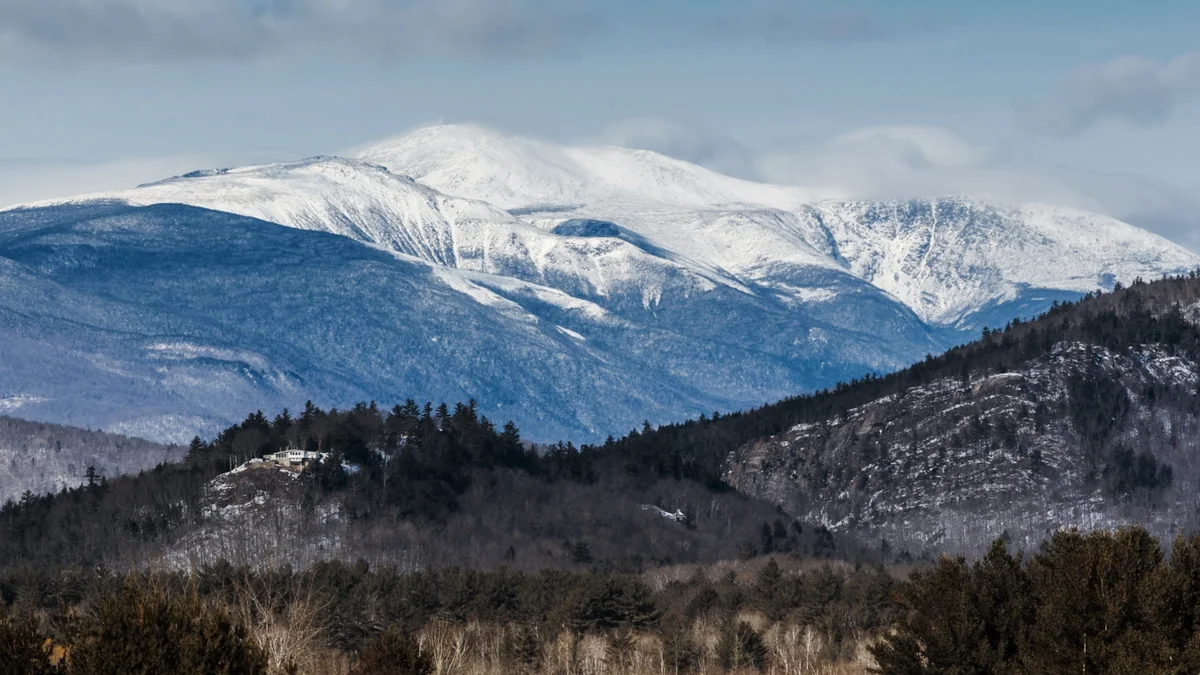
Mount Washington is not high — just 1,916 m (6,286 ft) — and yet it is one of the most dangerous mountains in the United States. It is a masterclass in how a relatively small mountain can become lethal through weather alone.
Sitting at the meeting point of three storm tracks, the summit of Mount Washington is often the worst weather spot on the continent. Its record for the highest surface wind speed ever measured on Earth — 372 km/h (231 mph), logged in April 1934 — stood for more than sixty years.
Key Facts
- Famous for hurricane-force winds, sudden whiteouts, and even summer ice pellets
- Summit temperatures can fall to –50°C (–58°F), even in decent weather
- More than 150 deaths recorded since 1849, many involving hikers caught out by rapidly changing conditions
- Around 25 rescues every year, despite a cog railway and a road that go all the way to the summit
The lesson: height is not required for danger. A "big hill" plus brutal weather plus casual attitudes is a deadly combination.
Cerro Torre
Argentina/Chile, Patagonia
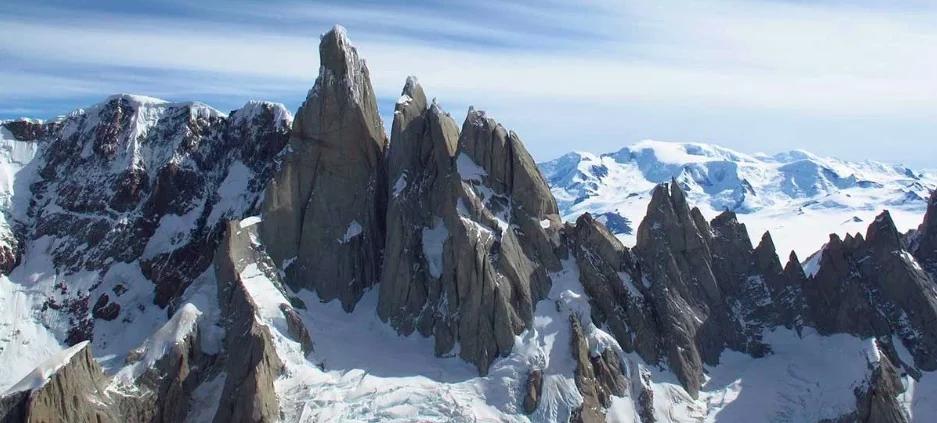
Cerro Torre is a 3,128 m (10,262 ft) tower of ice-covered rock in Patagonia, widely regarded as one of the most technically difficult mountains ever attempted. Its summit is a near-vertical spire sheathed in rime ice and mushroom formations that change every season.
Patagonia's climate makes everything harder. Violent storms, prolonged high winds, and huge precipitations sweep in with almost no warning, giving climbers tiny weather windows between the mountain's faces. Several of the world's finest alpinists have spent entire expeditions unable to even reach the base of the wall.
Key Facts
- A near-vertical spire with overhanging sections, rime ice mushrooms, and mixed terrain
- Requires alternating between technical rock, ice, and mixed climbing in very short weather windows
- Coastal Patagonian climate brings violent storms and prolonged high winds
- The 1959 Cesare Maestri / Toni Egger expedition remains one of mountaineering's most disputed stories
Note: there is no reliable public death count on Cerro Torre — its danger is measured in failed attempts and the judgment of elite climbers. It is one of the hardest summits that exists, period.
Baintha Brakk (The Ogre)
"Man-Eater" • "The Ogre"
Pakistan, Karakoram
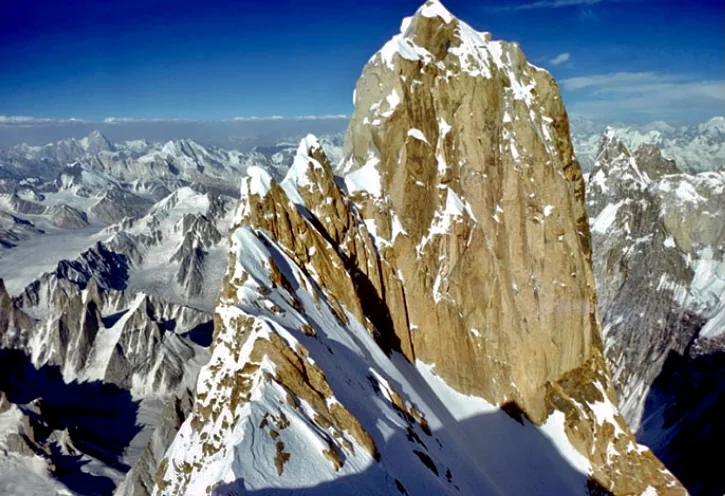
Nicknamed "The Ogre" and "Man-Eater", Baintha Brakk is terrifying not because of high death counts, but because almost nobody can climb it at all. In more than fifty years, only three expeditions have stood on its summit.
It sits deep in the Karakoram, a steep granite tower that demands big-wall rock climbing at high altitude — a combination that pushes even the world's strongest alpinists to their absolute limit.
Key Facts
- Steep granite tower with complex, technical high-altitude climbing
- Combines big-wall style rock, mixed snow and ice, and unpredictable Karakoram storms
- Even the "easiest" route is a survival-level undertaking
- Only three ascents ever: 1971, 2001, and 2012
The 1971 first ascent:
Doug Scott suffered two broken legs on the descent, while Chris Bonington was fighting pneumonia and two broken ribs. They survived a severe storm and dragged themselves back to base camp over several days. It took another 30 years before anyone repeated their route.
Matterhorn
Switzerland/Italy, Alps
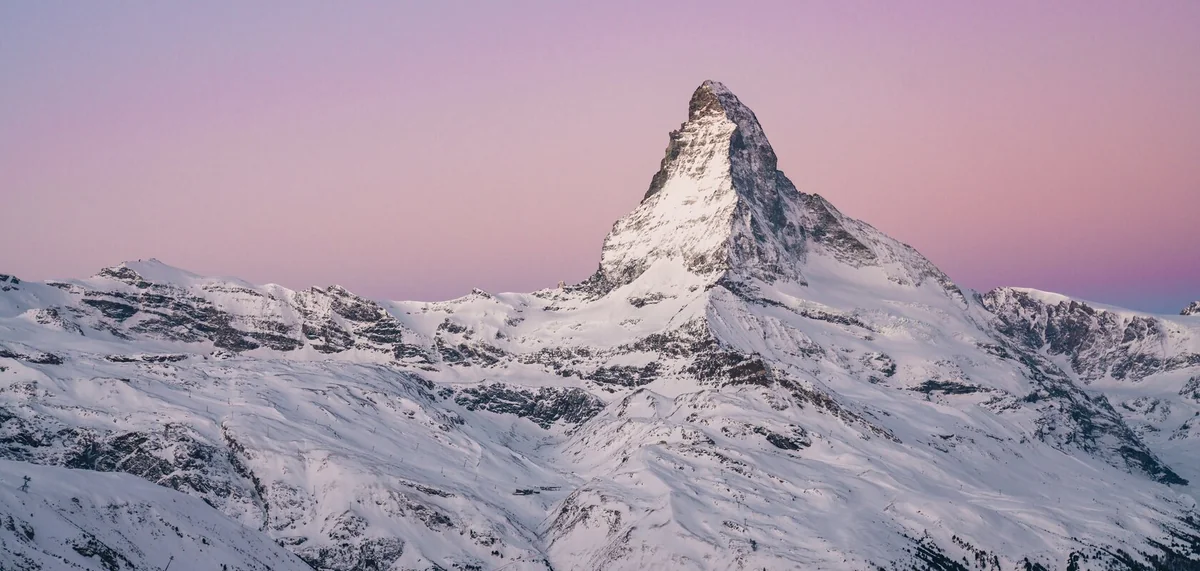
The Matterhorn is the classic example of a beautiful, accessible, and deadly mountain. First climbed in 1865, its unmistakable pyramid has drawn thousands of climbers every single season for more than a century and a half.
Its danger comes from the formula that kills the most people in the mountains: easy access plus crowds plus underestimation. A mountain that looks climbable from the valley can be deadly for those who forget the weather, the exposure, and the exhaustion.
Key Facts
- Easy access via lifts and huts leads to crowded, bottlenecked routes
- Underestimation of risk drives accident rates up every year
- Sudden storms, rockfall, and avalanches strike with little warning
- Around 40 rescue missions are conducted each summer season
Danger formula: popularity + under-preparation = tragedy.
Mount Everest
Nepal/China, Himalaya
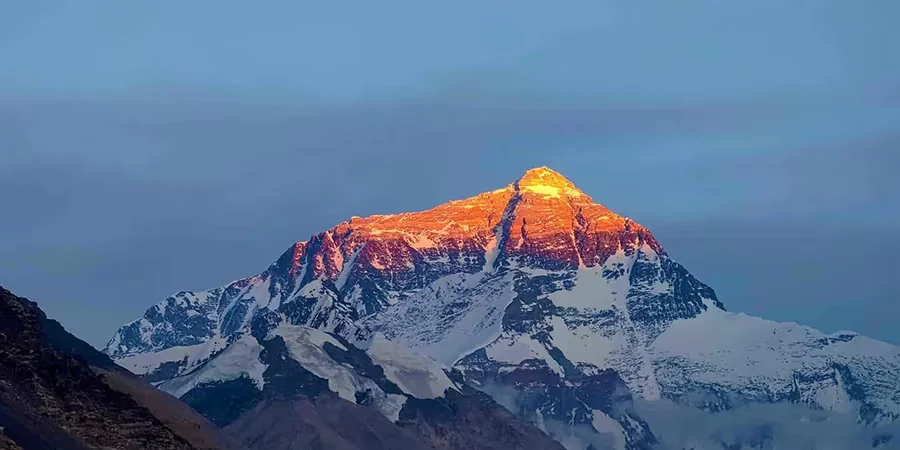
Everest is the highest mountain on Earth at 8,848 m (29,029 ft), and it is genuinely dangerous — but it is not the deadliest. Mortality rates have dropped from around 14.5% between 1922 and 1999 to roughly 1–3.3% in recent decades.
That improvement is real progress, driven by fixed ropes, better forecasting, and an enormous support industry. But the mountain still sits in the death zone, where every hour above 8,000 m robs your body of the ability to survive on its own. It is dangerous in a way that no amount of infrastructure fully removes.
Key Facts
- The death zone above 8,000 m: extremely low oxygen, severe cold, and high winds
- Around 59% of deaths come from avalanches, icefalls, storms, and falls
- Around 41% from altitude sickness, exhaustion, frostbite, and respiratory or cardiac issues
- Commercialization brings traffic jams in the "longest mile on Earth" — the last 300 m
A typical Everest expedition:
- ~2 months: 2 weeks to base camp, 1 month acclimatizing
- 10–15 kg of weight loss is common
- Below –60°C with wind chill at the summit
- About 30% of sea-level oxygen at the top
Dhaulagiri
Nepal, Himalaya
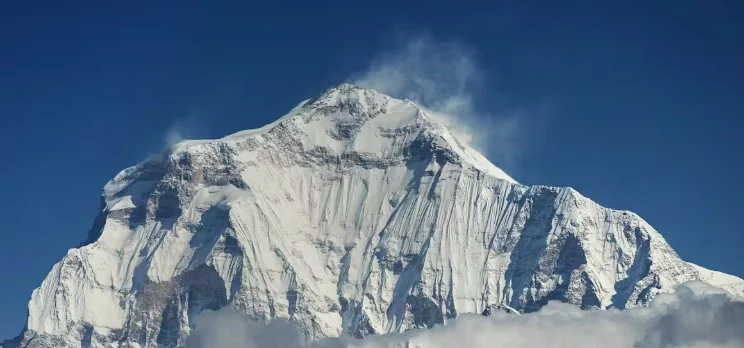
At 8,167 m (26,795 ft), Dhaulagiri is the seventh-highest mountain in the world and one of the deadliest 8,000 m peaks relative to its traffic. First summited in 1960, it has a mortality rate of 13–22% — among the highest of all the big peaks.
Its notorious southern face has never been climbed successfully, and even the great Reinhold Messner failed there. The mountain rises with terrifying steepness from the valley floor, forcing climbers into extreme altitude far faster than any approach on Everest.
Key Facts
- Very steep slopes with rapid rise to extreme altitude
- High exposure to avalanches, unstable seracs, and sudden weather changes
- Most dangerous sections are far from any quick escape route
- The southern face remains unclimbed — one of the great remaining problems in the Himalaya
Kangchenjunga
India/Nepal, Himalaya
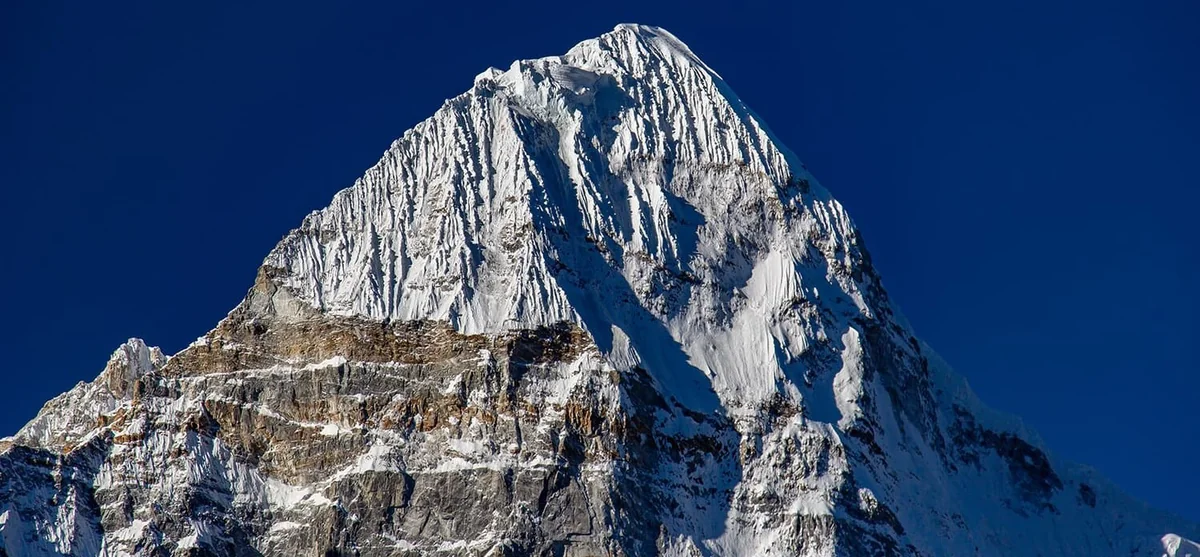
At 8,586 m (28,169 ft), Kangchenjunga is the third-highest mountain in the world — and statistically one of the most dangerous. What makes it stand out is that, unlike almost every other Himalayan giant, its fatality rate has not improved over time.
Fewer than 300 people have ever stood on its summit, a fraction of Everest's traffic. The mountain guards itself with highly variable weather, frequent avalanches and rockfall, and slopes so steep that a single slip on a 45–50 degree face is almost always fatal.
Key Facts
- Highly variable weather patterns that defeat even experienced teams
- Frequent avalanches and rockfall on most routes
- Steep slopes of 45–50 degrees where a small slip is fatal
- Only peak in the Himalaya where the death rate hasn't fallen in modern climbing history
The tragic 2013 event:
Five climbers — including elite alpinist Zsolt Eross, who had summited 10 of the 14 eight-thousanders — disappeared during the descent after reaching the summit. Their bodies were never found.
Mont Blanc
France/Italy, Alps
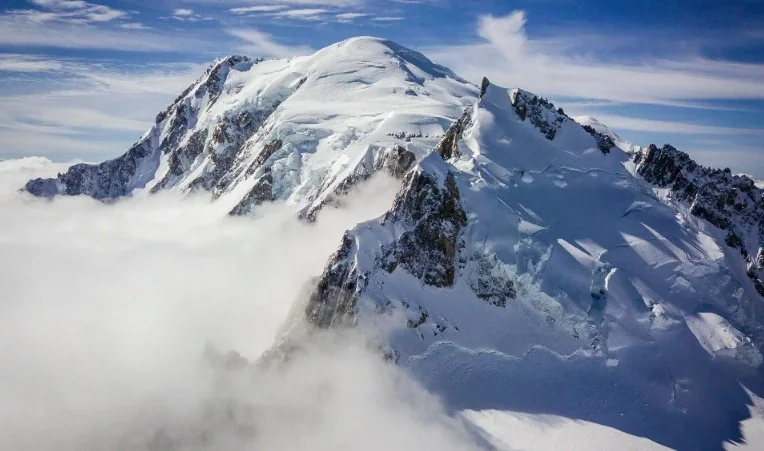
Europe's highest peak at 4,808 m (15,774 ft) holds a grim record: an estimated 6,000 to 8,000 deaths since people began climbing it in the 18th century — more than any other mountain on Earth, including all the 8,000 m giants.
The number is so high because Mont Blanc is not a serious expedition. It is a long, beautiful, deceptively difficult mountain that hundreds of tourists attempt on summer weekends. Up to 300 people try for the summit in a single day, and many are unprepared for the altitude, the weather, and the exposure.
Key Facts
- Extremely popular: ~20,000 climbers per year, up to 300 summit attempts a day
- Routes are perceived as "easy," which drives serious underestimation
- Rescue services handle ~12 operations per weekend in peak season
- The Goûter Couloir, nicknamed the "Corridor of Death," claims ~4 lives a year alone
Lethal combination: easy access + crowds + underestimation. The same recipe that makes the Matterhorn dangerous, multiplied by decades.
Eiger
Switzerland, Bernese Alps
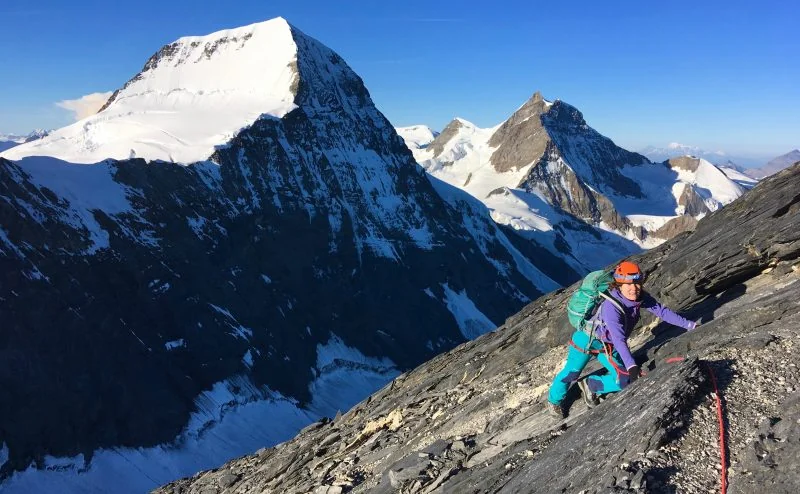
The Eiger's North Face — the Nordwand — is a 1,800 m (5,900 ft) wall of broken rock, ice, and mixed terrain, nicknamed the "Murder Wall." It is one of the most famous and feared faces in the Alps.
The West Flank was first climbed in 1858, but the North Face held out until 1938. Even today, with modern gear and fixed rope sections, it remains a serious, unpredictable objective — largely because the face generates its own weather system.
Key Facts
- Bitter cold and fast-changing weather, even on "good" days
- Serious rock and ice fall risk from the shattered upper wall
- At least 64 climbers have died on the Nordwand alone
- The West Flank went in 1858, the North Face only in 1938
British climber Kenton Cool: "In good conditions, the Eiger is wonderful; but the North Face has its own weather system and can become deadly with shocking speed."
Nanga Parbat
"Killer Mountain" • "Man-Eater"
Pakistan, Karakoram
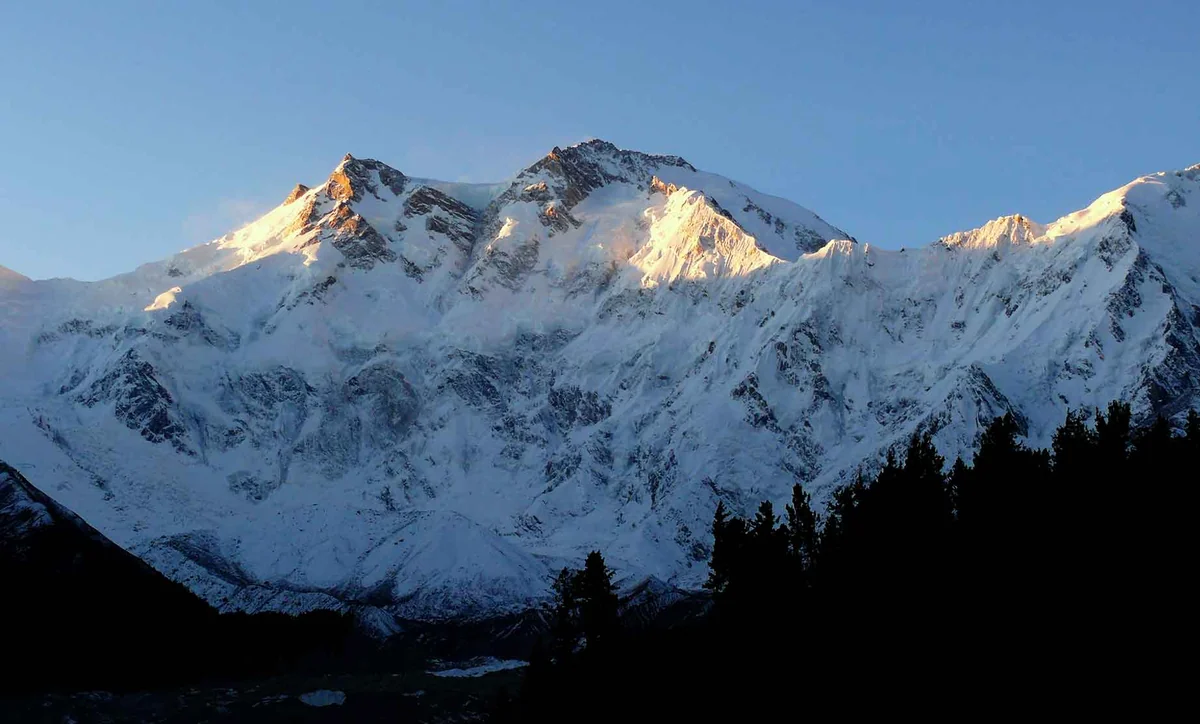
At 8,126 m (26,660 ft), Nanga Parbat is the ninth-highest mountain in the world and carries two of the most chilling nicknames in mountaineering: "Killer Mountain" and "Man-Eater."
Its south flank, the Rupal Face, rises almost 5,000 m (16,404 ft) in a single sweep — the largest rock and ice wall on Earth. Routes follow narrow ridges and exposed faces where one mistake is fatal. Before the first successful summit in 1954, at least 31 climbers had already died trying.
Key Facts
- The Rupal Face is the largest rock and ice wall on Earth
- Routes follow narrow ridges and exposed faces; one mistake is fatal
- Before the first summit in 1954, at least 31 climbers had died
- The Rupal Face wasn't climbed until 1970 — and rarely since
Historic tragedy, 1934:
A single expedition lost 10 climbers — one of the worst ordeals in mountaineering history. After a week trapped in a storm, only Ang Tsering survived, making a solo descent. Historically, mortality was around 77% before 1990; today it sits at a still-extreme 20–22%.
K2
"Savage Mountain" • Karakoram 2 • Chogori
Pakistan/China, Karakoram
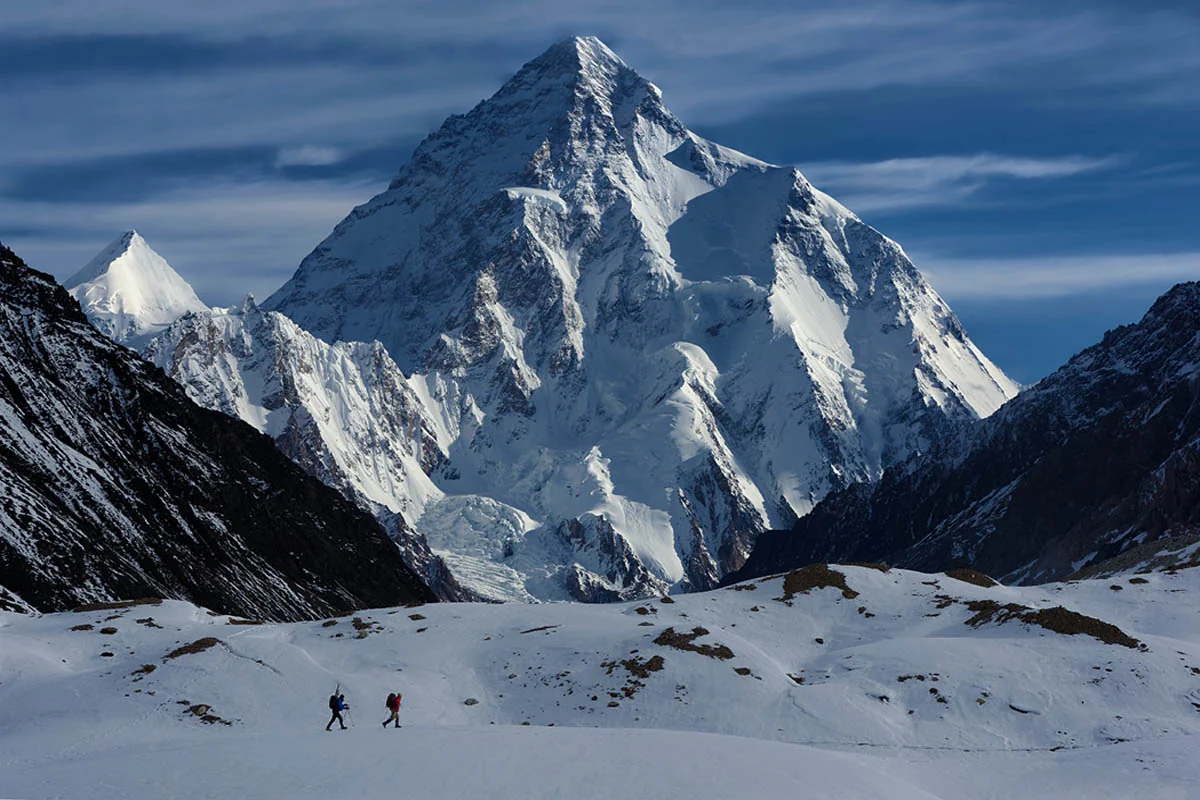
At 8,611 m (28,251 ft), K2 is the second-highest mountain on Earth — and for many experts, the hardest 8,000 m peak of all. Its mortality rate of 23–25% means roughly one death for every four climbers who stand on the summit.
Where Everest has fixed ropes, infrastructure, and thousands of commercial clients, K2 remains a climbers' mountain. The climbers who attempt it are on average far more experienced than those on Everest — and the mountain still kills them. It is a steep, weather-battered pyramid where the margin for error is nearly zero.
Key Facts
- A massive pyramid of rock, snow, and ice with steep, exposed routes
- Weather changes violently, with powerful storms and huge snowfall
- Far less commercialized than Everest — most climbers are highly experienced
- The Bottleneck: an overhanging serac that has collapsed during several deadly accidents
Dark moment — August 2008:
An avalanche and a chain of accidents on the Bottleneck killed 11 climbersand injured several more in a single day. To this day the exact sequence of events remains only partially known. Many climbers and analysts call K2 the hardest eight-thousander in combined technical and objective difficulty.
Annapurna I
"THE DEADLIEST OF THEM ALL"
Nepal, Himalaya
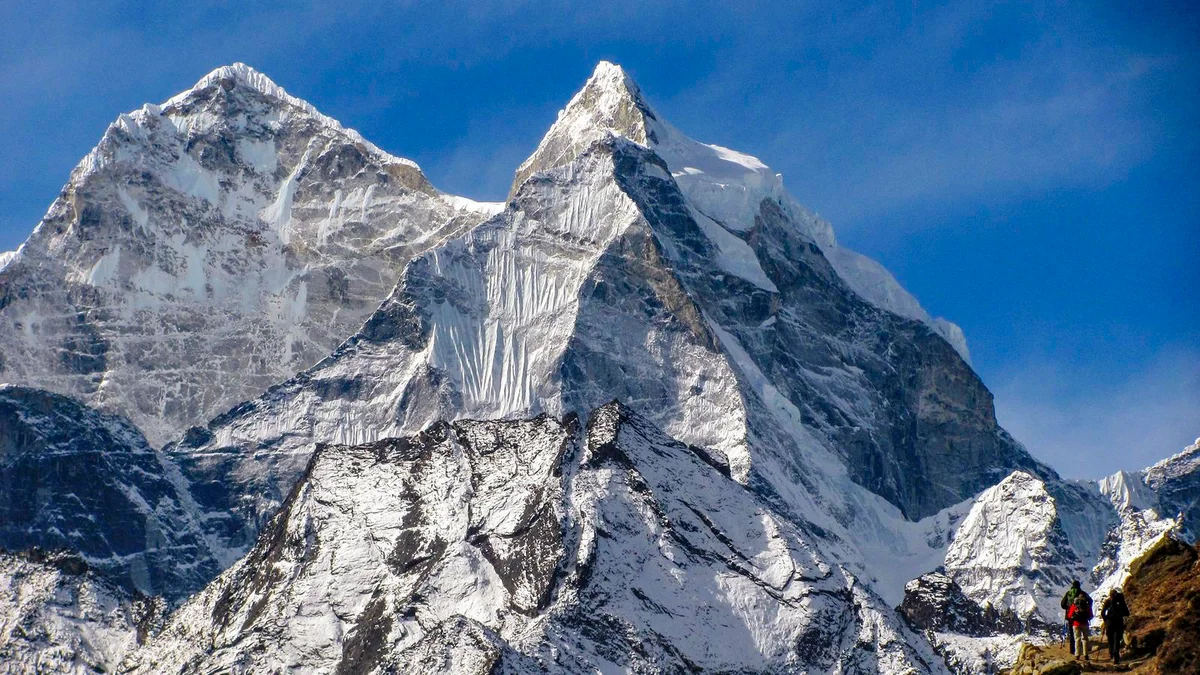
At 8,091 m (26,545 ft), Annapurna I is "only" the tenth-highest mountain in the world — yet it is the answer to the question this guide is named for. Its overall mortality rate of around 27.2% is the highest of any 8,000 m peak.
Annapurna is not dangerous because it is tall. It is dangerous because it is steep, avalanche-prone, weather-torn, and remote. Its south face is among the most technically demanding in the Himalaya, rescue is effectively impossible in the worst conditions, and the mountain has repeatedly killed even the strongest alpinists alive.
Key Facts
- Steep, complex faces with exposed rock, ice, and mixed ground
- Extremely high avalanche risk, especially after heavy snowfall
- Unstable weather with strong storms and low visibility
- Very remote from population centers; rapid evacuation is extremely difficult
- Many guide companies refuse to offer commercial climbs of Annapurna I at all
How it compares to Everest: Everest is about 800 m higher and has more than 6,000 summits — with a far lower mortality percentage. Annapurna remains the objective of a small group of elite alpinists, approached with deep caution by even the best of them.
By 2012 there had been 191 summits and 61 known deaths. The 2014 snowstorm and avalanches killed at least 43 more people across the region. No other major peak combines such difficulty with such a relentless toll.
The Masatu Perspective: Danger, Ambition, and Smart Choices
We have nothing but respect for the alpinists who test themselves on Annapurna, K2, Nanga Parbat, and the Eiger. Their achievements push the boundaries of human possibility — and they also remind us exactly how severe high-altitude mountaineering can be. The mountains on this list are not adventures; they are life-and-death commitments.
Safety First
We do not guide on 8,000 m peaks. Our focus is on achievable, well-managed objectives where a prepared trekker can genuinely succeed.
Mount Kilimanjaro
Our primary objective is non-technical and, guided properly, has a very low mortality rate — the total opposite of the mountains above.
Ethics & Experience
World-class summit experiences should be memorable but never reckless. Preparation, professional guides, and honest assessment keep adventure safe.
Our philosophy: adventure should be challenging but not reckless; memorable, but with safety and ethics first.
Ready for a Safer Summit?
If the stories above inspire you but you'd rather stand on a summit than risk your life, Mount Kilimanjaro is the world's most accessible big-mountain experience — no ropes, no death zone, and guides who know every step.
Is Kilimanjaro Worth It?Frequently Asked Questions
Sources & Data
The mortality rates and accident figures in this guide are drawn from the standard references used by climbers and researchers. Figures for 8,000 m peaks come primarily from the Himalayan Database (the expedition archive built from Elizabeth Hawley's records in Kathmandu), cross-checked against open statistics compiled for the eight-thousanders. Weather and fatality figures for lower peaks reference the documented histories of the mountains named.
The Verdict
So what is the hardest and most dangerous mountain to climb? The honest answer is Annapurna I, with a mortality rate near 27.2% and a combination of avalanche risk, technical difficulty, and remoteness that no other peak matches. K2, Nanga Parbat, and the Eiger are close behind, and even a 1,900 m hill like Mount Washington can be deadlier than the world's tallest mountain.
Danger in the mountains is never about one number. It's about the weather on the day you climb, the choices you make, and the people who guide you. That's why the world's most dangerous mountains share one lesson worth taking home: respect the mountain, prepare honestly, and never mistake a beautiful view for a safe one.
And if you're dreaming of a summit that's genuinely reachable — with expert guides, a real plan, and mortality rates close to zero — Kilimanjaro is waiting.
Related Guides
Location, three volcanoes, and five climate zones of Africa's highest peak.
Five ways to measure a mountain, and which peak wins each.
An honest, no-fluff look at cost, effort, and whether the summit is right for you.
Difficulty, altitude sickness, fitness, and real success rates explained.
Month-by-month weather, crowds, and summit chances.
Which routes summit most often, and why acclimatization time decides.
Last updated: June 4, 2026. Facts and mortality statistics checked against mountaineering records and Himalayan databases.
