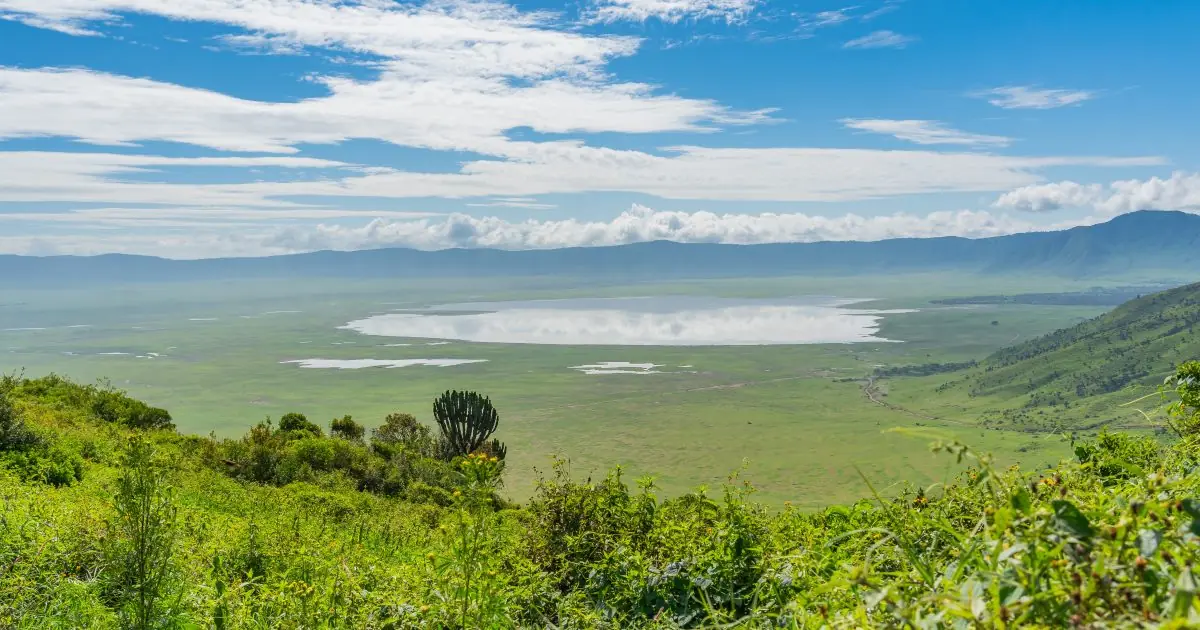
The Ngorongoro Crater, poetically referred to as Africa's Garden of Eden, is a unique natural wonder located in northern Tanzania. The crater lies within the larger Ngorongoro Conservation Area, a wildlife zone covering 1,892 square kilometers (730 square miles).
The massive caldera was formed when a large volcano, roughly the size of Mount Kilimanjaro, erupted and collapsed over 2.5 million years ago. Today, it is one of East Africa's most iconic safari destinations. The Ngorongoro Crater is over 600 meters (1,968 feet) deep and spans an area of 259 square kilometers (100 square miles).
At a Glance
The best time to visit is May to October during Tanzania's dry season, when animals gather around water sources. The rainy season from November to April offers green landscapes and off-season discounts. Safaris typically start from Arusha, accessible via Kilimanjaro International Airport.
The Highest Density of Wild Animals in the World
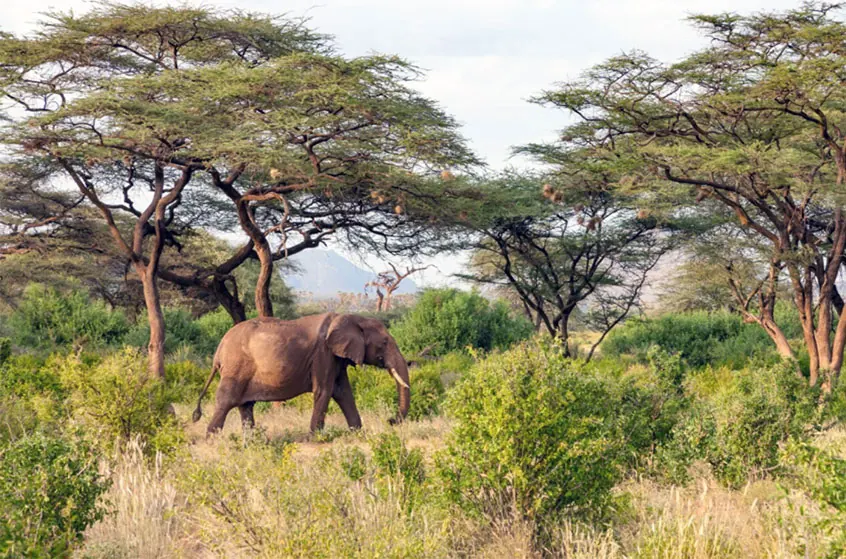
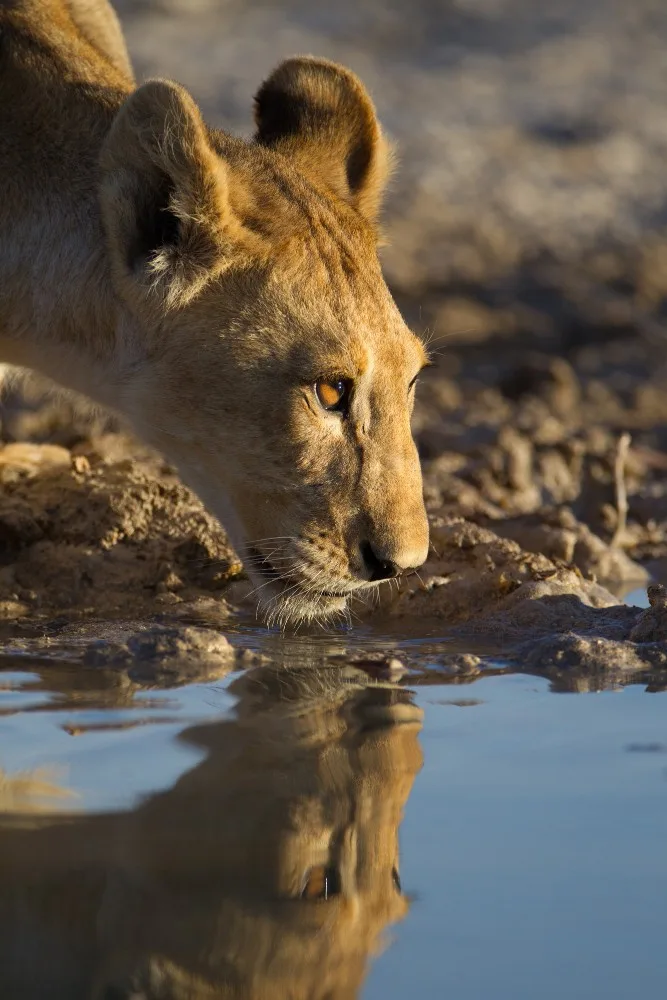
Tanzania's Ngorongoro Crater is renowned as the place with one of the highest densities of wild animals in the entire world. The unfilled volcanic caldera serves as a gigantic natural zoo, hosting thousands of animals, including a large population of lions, elephants, wildebeest, and even rhinos.
Looking down from the crater rim, you will see a vast and empty expanse enclosed by towering walls. But wait until you drive down to the crater floor. Ngorongoro Crater Safari is one of Northern Tanzania's most iconic activities, and you do not want to miss it.
The Largest Unbroken Volcanic Caldera on the Planet
The Crater is a unique unbroken caldera, the largest in the world. Calderas typically form when a volcanic cone collapses under its own weight. This happened at Ngorongoro over 2 million years ago. Craters resulting from eruptions of ancient volcanoes are rarely preserved so well.
The wall of the Ngorongoro Crater rises almost 200 stories high. The Crater's geological history combined with amazing wildlife diversity make it a very special destination.
Home to Our Ancient Ancestors
This area is rich in archaeological sites that have provided key insights into the earliest human evolution. Most interesting discoveries include ancient footprints dating back millions of years. These findings make Ngorongoro Conservation Area one of the key locations in the world for understanding early humans.
Another archaeological site located nearby is the Olduvai Gorge, sometimes referred to as the Cradle of Mankind. It is a ravine in the Great Rift Valley where the British archaeologist Dr. Louis Leakey enhanced our understanding of human evolution. His most notable discovery, the Homo habilis skeleton, helped us understand the earliest origins of the human race. Today, visitors can explore Olduvai Gorge and its museum, where ongoing excavations continue to uncover artifacts of high importance.
A UNESCO World Heritage Site
Initially designated in 1959 as a unique area where wildlife and humans could coexist, UNESCO recognized it as a World Heritage Site in 1979 for its outstanding natural and cultural significance. This designation helps protect the rich biodiversity of the area while supporting the indigenous tribes who call those lands home.
Seven Natural Wonders
In 2013, Ngorongoro Crater was named one of Africa's Seven Natural Wonders, recognizing its geological uniqueness and ecological importance alongside Victoria Falls, the Sahara Desert, and Mount Kilimanjaro.
There Is a 7-Mile Lake Inside the Crater
One of the most surprising Ngorongoro Crater facts is the presence of a large lake on the crater floor. In the southwest lies a beautiful shallow soda lake known as Lake Magadi. It is often visited by thousands of flamingos, who thrive on the unique algae found in the lake.
In addition, many larger animals can be seen by the lake, providing many opportunities for wildlife viewing. The contrast of pink flamingos against the blue water and green crater floor is one of Ngorongoro's most iconic images.
Home to Endangered Black Rhinos
The crater serves as a refuge for the critically endangered black rhinoceros. Due to conservation efforts over the past decades, their numbers have slowly increased from being critically low in 1995. The Ngorongoro Crater now supports a small but significant population of over 20 rhinos.
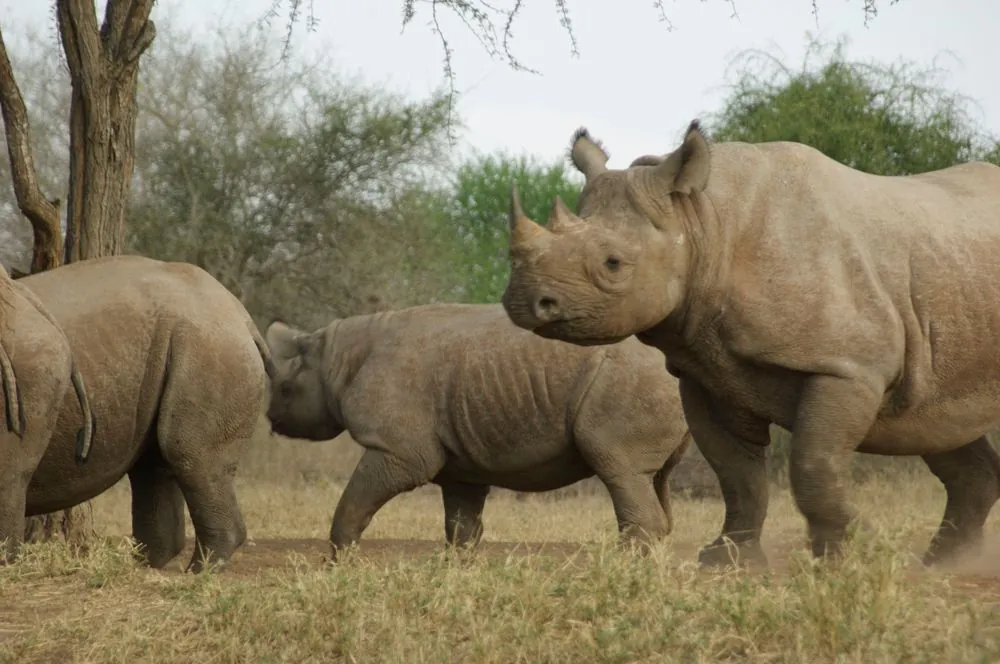
With some luck, you will be able to spot one of those majestic animals that unfortunately have become a globally threatened species. The crater's enclosed geography makes it one of the most reliable places in Africa to see black rhinos in the wild.
Luxurious Lodges on the Crater Rim
Some of the most luxurious accommodations in all of Africa can be found on the crater wall. The area offers a variety of lodging options from budget-friendly to luxury, making your vacation both comfortable and memorable.
Such lodges include the Lake Ndutu Tented Lodge, the Ngorongoro Serena Safari Lodge, and many others. These hotels provide stunning views and direct access to the natural beauty of the crater and the surrounding Ngorongoro highlands.
Over 42,000 People Living in the Conservation Area
98% of the people living in the area are Maasai, the indigenous people of Ngorongoro. The main inhabitants of this region used to be the Barabaig and Datooga people, but they were pushed off their lands by the Maasai and are now a minority population concentrated towards the south and east.
Over time, the Maasai pastoralists have transitioned from a nomadic lifestyle to a more settled one, with increasing emphasis on education. Now they have to go to school, and many choose to move to the cities.
The Great Migration Passes Through
Annually, the Great Migration involves millions of wildebeest and zebras that move through the Ngorongoro Conservation Area and the Serengeti National Park. This is a great opportunity to see African animals in all their glory and witness the largest movement of large mammals on the entire planet.
Featured in Numerous Movies and Documentaries
The beauty of the Ngorongoro Crater is so unique that the area has been used as the location for many fiction and non-fiction films. Notable films include "Great Natural Wonders of the World" and "Living Earth," which highlighted the crater's scenic and ecological importance.
The area's cinematic appeal continues to draw filmmakers, photographers, and travelers fascinated by its natural beauty.
Incredible Biodiversity
There are 300 species of large animals living in the Ngorongoro Conservation Area. If you add birds and insects, the count easily reaches thousands. The crater is often referred to as the place with the highest density of large mammals on the planet.
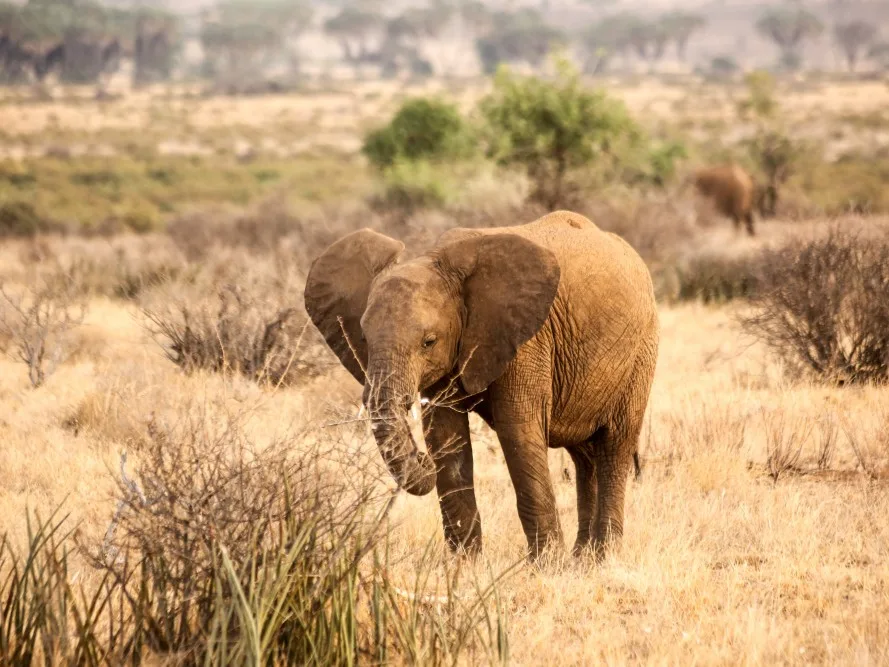
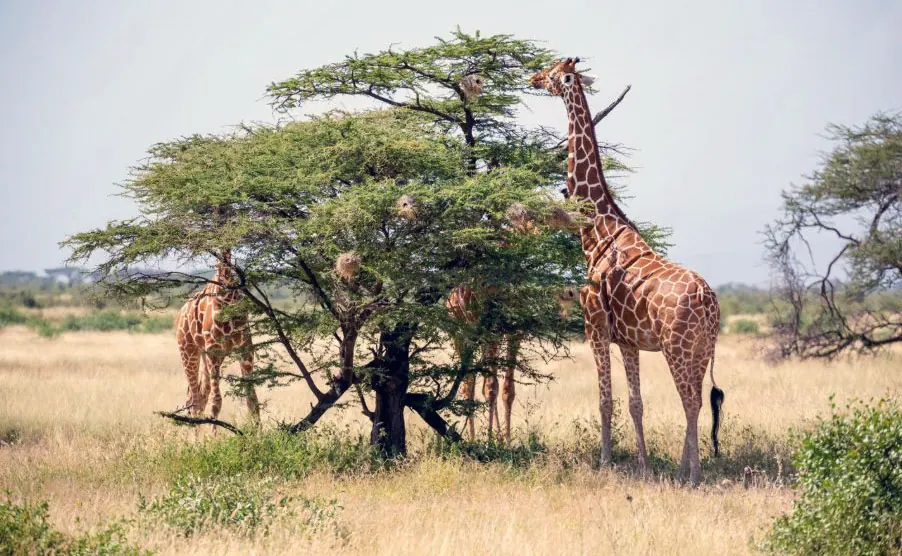
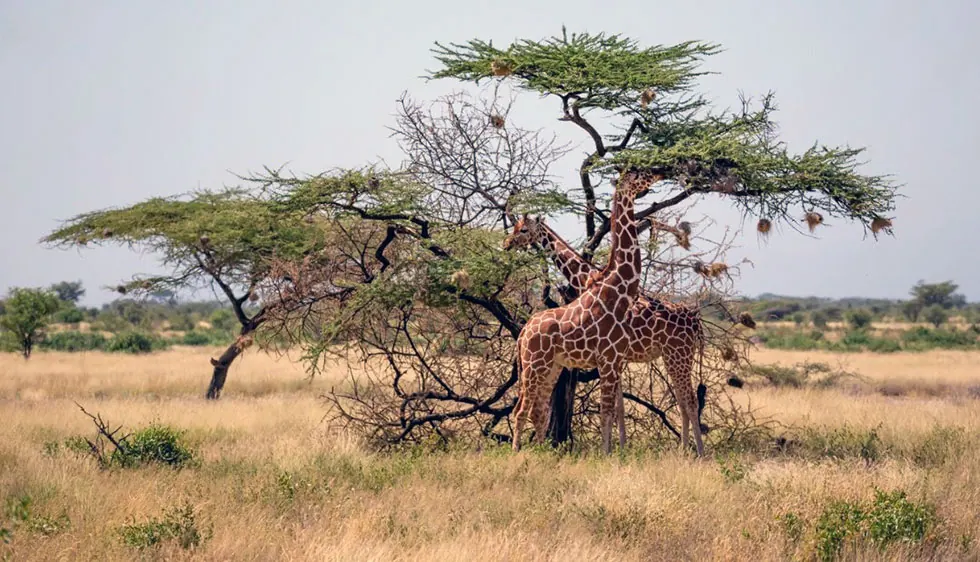
Its large population of lions stands in particular. The Crater is renowned for its rich wildlife that is accustomed to visitors, which makes for a perfect wildlife viewing destination. However, you will not find giraffes here; the crater's steep sides are not navigable for these creatures.
A Birder's Paradise
There is a huge array of bird species to spot here. The Crater and the broader conservation area is a haven for birdwatchers with over 550 species of birds. From flamingos and ostriches to birds of prey and tiny sunbirds, the variety here is astonishing.
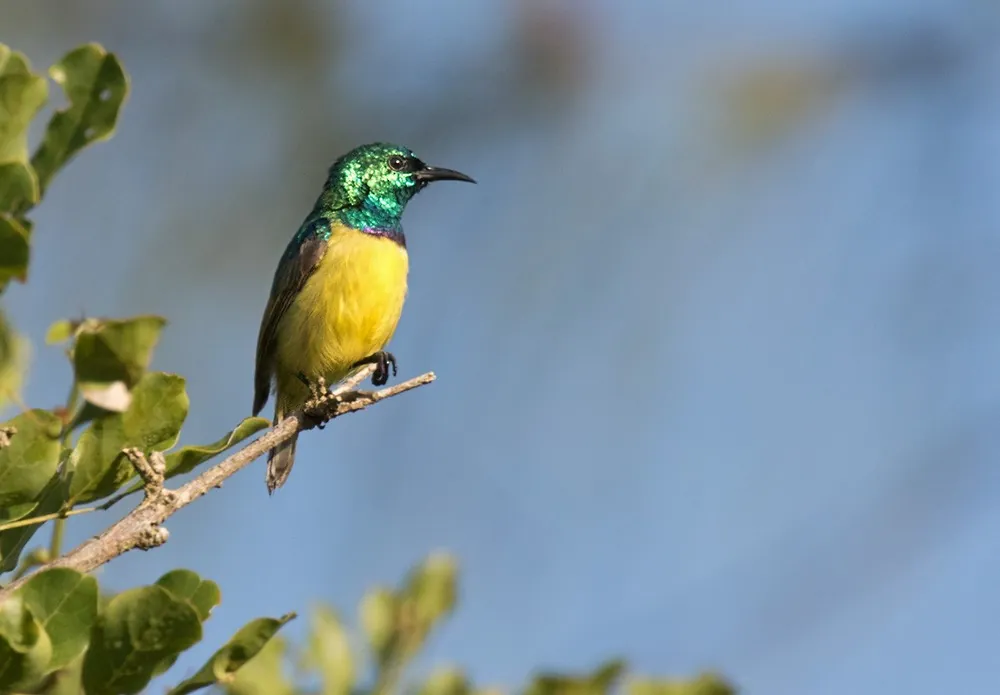
Many rare species like Livingstone's Turaco will delight anyone interested in Tanzania's avian diversity.
Frequently Asked Questions
Ngorongoro Crater is the largest unbroken volcanic caldera on Earth, spanning 259 square kilometers and reaching 600 meters deep. It hosts one of the highest densities of wild animals in the world, including endangered black rhinos, and has been a UNESCO World Heritage Site since 1979.
- TANAPA (Tanzania National Parks Authority) – Ngorongoro and northern circuit park management and fees.
- Wikipedia: Ngorongoro Conservation Area – caldera geology, history, and conservation facts.
Final Thoughts
The Ngorongoro Crater stands out as a truly iconic destination. It is the world's largest inactive volcanic caldera that has remained intact and unfilled with water. This unique site presents exciting opportunities for travelers to see diverse wildlife and enjoy the unmistakable landscapes of the Ngorongoro Crater.
The Ngorongoro Conservation Area is also an important conservation zone, preserving the biodiversity of this region while supporting the Maasai communities who have called it home for generations.
Plan Your Ngorongoro Crater Safari
Experience the crater with expert guides who know every corner of the conservation area. Book a tour with Masatu Tours and witness Africa's Garden of Eden with your own eyes.
Talk to a Safari ExpertRelated Safari Guides
Olduvai Gorge: The Cradle of Mankind
Where human evolution began
Best Time for Safari in Tanzania
Month by month guide
Serengeti National Park Guide
Explore the world's most famous ecosystem
Tarangire National Park Guide
Elephants and ancient baobabs
Where Is Mount Kilimanjaro?
Location and geography
How High Is Kilimanjaro?
Height, Uhuru Peak and Seven Summits
Tanzania Safari Packages
Plan your dream wildlife safari
Ngorongoro Crater Tours
Book your crater safari
Last updated: September 6, 2026. All facts verified against the sources listed above.
