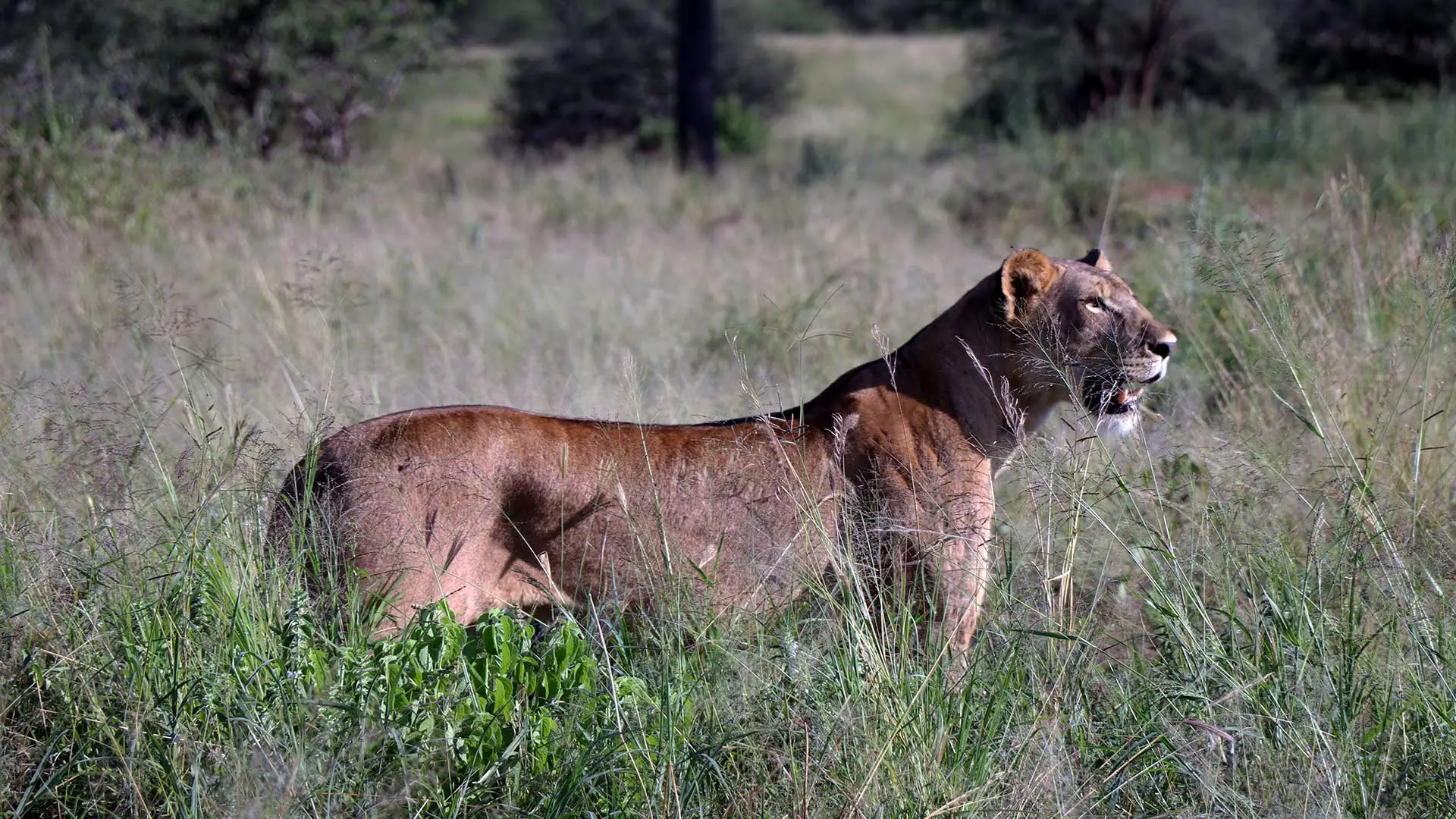
Tanzania safaris are simpler to plan than most travellers expect. The hard part is not finding wildlife, it is choosing. There are more parks, more seasons, and more pricing tiers than any first-time visitor needs, and most guides on the internet just add to the noise.
This guide cuts through it. We run safaris in these parks week after week, so the advice below comes from real driving days, not brochures. You will learn which month pairs with which park, what the Great Migration is really doing in each season, what you should budget per day, and how to build an itinerary that suits your group, your pace, and your wallet. Plan for 2026 or 2027 with the same confidence we plan every trip.
Safari Guide's Note
The travellers who enjoy Tanzania most are rarely the ones with the biggest budget. They are the ones who matched the month to the right park, kept the driving distances sensible, and trusted a guide who knows where the animals are. Get those three things right and the rest takes care of itself.
Quick Answers
Four numbers tell you almost everything you need to know about a Tanzania safari:
1.5M
Wildebeest in the migration
7-10
Days for the northern circuit
$300
Per person per day, from
Jun-Oct
Classic dry season months
Best Months
Late Jun-Oct, Dec-Mar
Migration Peak
Calving Jan-Mar, crossings Aug-Oct
Big Five
All visible, Ngorongoro best for rhino
Daily Budget
$300-$550 budget, $550-$900 mid-range
Top Parks
Serengeti, Ngorongoro, Tarangire
Park Fees
$50-$70 per day per person
Ideal Trip Length
7-10 days for the northern circuit
Book Ahead
6-12 months for peak season
Best Time to Visit Tanzania
Tanzania is a year-round safari destination, but the experience changes dramatically between the dry and green seasons. Understand the trade-off and you will pick the right window for your trip without second-guessing yourself.
Dry Season: Late Jun-Oct
- Wildlife concentrates around water sources, the easiest viewing of the year
- Low grass and sparse vegetation for superb photography
- Mara River crossings peak Aug-Oct in the northern Serengeti
- Higher lodge rates and more vehicles on the road
Green Season: Dec-Mar & Nov
- Lush landscapes, dramatic skies, and vibrant greenery
- Calving season Feb-Mar on the southern plains, predator action nonstop
- Outstanding birdwatching with migratory species present
- Fewer tourists and noticeably lower rates
The Green Season Secret
April and May are the long rains and the quietest months of the year. Some camps close and a few roads get muddy, but the parks are empty, prices are at their lowest, and the scenery is at its most beautiful. For photographers and travellers with flexible dates, it is the best value in Tanzania.
Month-by-Month Safari Guide
The single most useful skill in safari planning is pairing the month with the right park. Wildlife moves, rains change visibility, and the migration follows the grass. Here is the honest, month-by-month picture for 2026 and 2027.
| Months | Season | Where the Action Is | Best For |
|---|---|---|---|
| Jan-Feb | Dry pockets / calving | Ndutu & southern Serengeti | Calving, predator action, first-time safaris |
| Mar-May | Long rains | Central Serengeti, moving north | Budget travel, birding, dramatic skies |
| Jun-Jul | Dry begins | Western corridor, Grumeti River | First crossings, reliable weather, families |
| Aug-Oct | Peak dry | Northern Serengeti, Mara River | Crossing spectacles, premium lodges |
| Nov-Dec | Short rains | Returning south | Green landscapes, shoulder-season value |
Never Forget the Second Rains
November has short rains, not long ones. It is a fantastic, underrated month: the parks are green again, tourists are thin, and game viewing holds up well between afternoon showers. If you are flexible, put November on your shortlist.
The Great Migration, Explained Simply
The Great Migration is not a single event. It is a year-round, circular movement of roughly 1.5 million wildebeest, 200,000 zebras, and hundreds of thousands of gazelles chasing rain and fresh grass across the Serengeti-Maasai Mara ecosystem. What you see depends entirely on when you arrive.
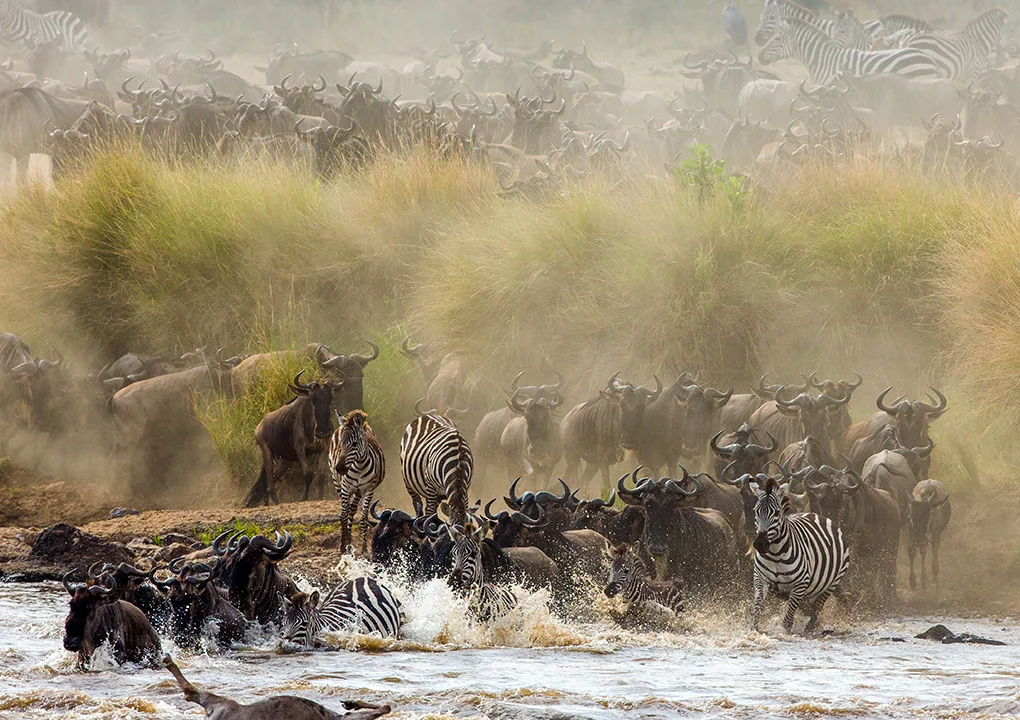
The Mara River crossings are the most dramatic few minutes in African wildlife watching
Jan-Mar: Ndutu Calving
8,000 calves a day on the short-grass southern plains. Lions, cheetahs, and hyenas never far away. The best raw predator photography of the year.
Apr-May: Northward Push
The herds move through central Serengeti after the rains. Rutting season begins and the movement becomes visible at scale.
Jun-Jul: Grumeti Crossings
The western corridor chokes at the Grumeti River, with giant Nile crocodiles waiting below. The season's first serious crossings.
Aug-Oct: Mara River Drama
The herds mass on the northern plains and throw themselves into the Mara. Peak tourist season for the biggest, most famous crossings.
Nov-Dec: The Return South
Short rains pull the herds back toward the southern plains, and the whole cycle begins again where it started.
Resident Wildlife
Important truth: the Serengeti is packed with resident animals all year. Even without the migration, you will see lions, elephants, leopards, and more.
Top National Parks for Safari
The northern circuit, Serengeti, Ngorongoro, Tarangire, and Lake Manyara, covers the classic Tanzanian safari in one route. The southern parks are wilder, quieter, and well worth adding if you have the time.
Serengeti National Park
Africa's most famous park and home of the Great Migration: 1.5 million wildebeest, 3,000+ lions, and classic endless savannah. Spend at least three nights here.
Best for: Migration, big cats, balloon safaris. Time needed: 3-4 nights.
Ngorongoro Crater
A 260 km² volcanic amphitheatre with permanent water and over 30,000 animals, including the critically endangered black rhino. The best single location for the Big Five.
Best for: Big Five, rhino, dense prides. Time needed: 1 full day.
Tarangire National Park
Elephant country. Dry-season herds of up to 3,000 elephants gather along the Tarangire River beneath ancient baobabs, with 550+ bird species on top.
Best for: Elephants, birds, night drives. Time needed: 1-2 nights.
Lake Manyara
A compact, pretty park famous for tree-climbing lions and flamingos along the lake shore. Ideal as a gentle stop between Tarangire and the crater.
Best for: Tree lions, flamingos, easy days. Time needed: 1 night.
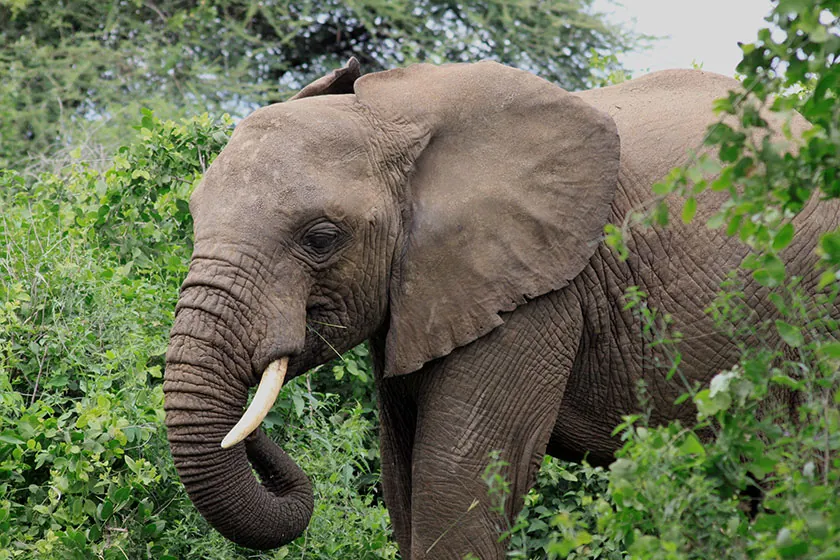
Tarangire's dry-season elephant herds are among the largest concentrations in Africa
Going Further Afield
Ruaha (Tanzania's largest park, 20,226 km²) and Nyerere (formerly Selous, Africa's biggest wildlife reserve) offer raw wilderness, wild dogs, boat safaris, and a fraction of the vehicles. Arusha National Park is a scenic half-day with Mt Meru views and colobus monkeys, close to the airport for short layovers.
Wildlife & the Big Five
Beyond the migration, Tanzania holds one of the highest wildlife densities on the planet, and over 1,100 bird species. Here is where each member of the Big Five is most reliably found.
Lion
Serengeti holds 3,000+; Ngorongoro has dense, easily seen prides. Best viewing Jun-Oct.
Leopard
Nocturnal and elusive. Central Serengeti around Seronera offers the best odds in Tanzania.
Elephant
Massive dry-season herds in Tarangire; elephants roam the Serengeti all year.
Buffalo
Large herds across the northern circuit, especially on the Ngorongoro Crater floor.
Black Rhino
Critically endangered; your best chance is Ngorongoro Crater, where a small population is resident.
Beyond the Big Five
Cheetahs on the southern plains, wild dogs in Ruaha, 500+ bird species in Tarangire alone.
Birdwatchers, Take Note
November to April brings Palearctic migrants on top of 1,100+ resident species: ostriches, secretary birds, lilac-breasted rollers, flamingos, and over 100 endemics. Read our Tanzania birdwatching guide for the top spots.
Safari Budget & Real Costs
Pricing in Tanzania is honest but opaque if you do not know the breakdown. The main drivers are accommodation tier, season, group size, and how many parks you connect. Here are the realistic per-person daily numbers for 2026 and 2027.
Budget Safari
$300-$550
per person per day
- Camping or basic lodges
- Group join safaris, 6-7 people
- All park fees included
Mid-Range Safari
$550-$900
per person per day
- Comfortable tented camps and lodges
- Private vehicle and guide
- Full board and flexible routing
Luxury Safari
$900+
per person per day
- 5-star lodges and mobile camps
- Prime concessions and private guides
- Balloon safaris and fly-in options
A Typical 7-Day Northern Circuit
Budget: $2,100-$3,850. Mid-range: $3,850-$6,300. Luxury: $6,300-$12,000+. These figures cover accommodation, meals, park fees, vehicle, guide, and fuel, and exclude international flights, visas, tips, and drinks.
What Drives the Price
- Park entry fees: $50-$70 per day per person
- Accommodation tier and location
- Season: peak vs shoulder vs green
- Group size: private vs shared vehicle
How to Keep It Honest
- Travel April-May or November for the biggest savings
- Focus on 2-3 parks instead of cramming five
- Mix a couple of camping nights into a lodge safari
- Book 6-12 months out for peak season rates
Sample Safari Itineraries
Every safari at Masatu is built around you, but these three shapes cover most first visits. Use them as a starting point and we will adjust the pace, camps, and extras.
5 Days
Northern Circuit Classic
Best for: First safari, limited time
Tarangire, Lake Manyara, Ngorongoro Crater, and central Serengeti in one efficient loop. Big Five and the migration highlights.
7 Days
Migration Special
Best for: Migration chasers, photographers
Two full days in the migration zone (Ndutu Jan-Mar or northern Serengeti Aug-Oct), then the crater and Tarangire.
10 Days
Ultimate Tanzania
Best for: Comprehensive trips
Northern circuit plus fly down to Ruaha or Nyerere for wild dogs, boat safaris, and near-empty parks.
Planning & Logistics
The practical details rarely make the brochures, but they decide whether a trip feels smooth or stressful. Here are the essentials for a first-time safari.
Getting There
- Fly into Kilimanjaro (JRO) for the northern circuit, or Dar es Salaam (DAR) for the south
- Overland trips use pop-top 4x4 Land Cruisers, built for viewing and photos
- Bush flights connect Serengeti, Ruaha, and Nyerere, saving long road days
Realistic Drive Times
- Arusha to Tarangire: about 2 hours
- Tarangire to Serengeti: 4-5 hours through Ngorongoro
- Serengeti to Ngorongoro: a long morning, worth it for the crater floor
Health & Safety
- Malaria prophylaxis recommended; see a travel clinic 4-6 weeks before
- Yellow fever vaccine required if arriving from an endemic country
- Comprehensive insurance with medical evacuation is non-negotiable
- Stay in the vehicle and follow your guide: that is the whole safety rule
Visa & Money
- Most nationalities get a visa on arrival ($50-$100) or an e-visa online before travel
- US dollars are widely accepted; bring crisp post-2009 notes
- Small bills ($1, $5, $20) for tips and markets; ATMs in Arusha
- Typical tips: $20-30/day guide, $10-15/day camp staff, $5-10/day chef
The Safari Packing List
Pack light, pack layers, and pack a soft bag. The morning drive is cold, the midday sun is fierce, and most camps limit luggage, especially when a light plane is involved.
Optics & Photos
- Binoculars, 8x42 or 10x42
- Camera with a telephoto lens, 300-600mm
- Spare batteries, cards, and dust protection
Clothing
- Neutral colours: khaki, olive, beige
- Warm fleece for cold 6am game drives
- Wide-brim hat, light rain jacket, comfy shoes
Health & Comfort
- High-SPF sunscreen and DEET 30%+ repellent
- Polarized sunglasses and a refillable bottle
- Small first-aid kit and personal medication
Frequently Asked Questions
Book Your Safari With Confidence
The planning is the hard part, and you have done it. Every Masatu Tours safari includes a professional guide, comfortable lodges, and clear pricing in US dollars, with the season matched to the right parks.
Experience Tanzania with Masatu Tours
Browse our Tanzania safari packages, get a custom itinerary in a day, and let guides who live here handle the details. Karibu Tanzania, welcome home to the wild.
Conclusion
A great Tanzania safari comes down to three choices: pick the month, match it to the right park, and budget honestly. Choose June to October for the classic dry-season experience, December to March for calving and green landscapes, or April to May for the best value in the country.
Give yourself 7-10 days, keep the driving sensible, and book your lodges early for peak months. The wildlife will do the rest.
For more planning help, read our best time by month guide, the Tanzania visa guide, and our safari packing list.
Plan Your Tanzania Safari
Ready to turn this guide into a booking? Get a free itinerary and honest pricing from guides who drive these parks every week. Talk to a safari expert today.
Talk to a Safari ExpertRelated Travel Guides
Best Time by Month
Pick the right month for each park
Great Migration Guide
Follow the herds all year
Complete Serengeti Safari
Plan a Serengeti trip with confidence
Ngorongoro Crater Guide
Everything about the crater floor
Ultimate Safari Packing List
Everything to bring to the bush
Big Five Tanzania
Where to find each of the five
Wish I Knew Before Safari
Honest advice from past travellers
Tanzania Safari Packages
Browse itineraries and pricing
How Many Days in Tanzania
3, 5, 7, 10 or 14 days — what each length includes and costs
Last updated: August 12, 2026. Safari guidance from the Masatu Tours team, updated for 2026-2027 planning.
