
You can't truly know a country until you've tasted it. Tanzania might be famous for its safaris and beaches, but its food deserves just as much attention. Tanzanian cuisine is a melting pot — Arab, Indian, Portuguese, Swahili, African — all simmering together into something rich, spicy, and endlessly comforting.
It's food made for sharing, not posing for photos (though you'll probably take some anyway). If you're wondering what to eat when you visit, here are the must-try dishes that capture the heart of this extraordinary country.
The 12 Dishes in This Guide
From the everyday comfort of ugali to the street-side genius of chipsi mayai, and the coconut-scented classics of the coast — each dish below tells a little story about Tanzania. Plus a section on drinks worth trying too.
Ugali — The Staple of Tanzanian Life
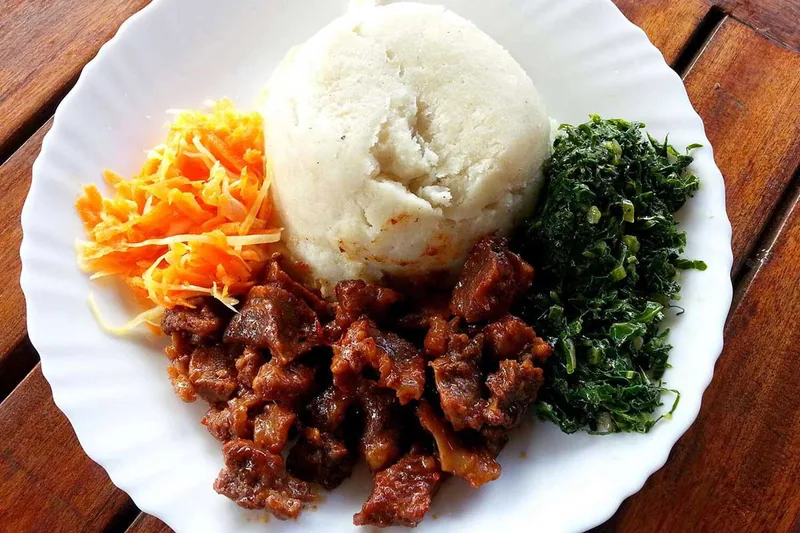
Let's start with the foundation: ugali. If Tanzanian food were a religion, ugali would be the communion bread. It's a simple maize flour porridge, thickened to the consistency of play-dough, eaten by hand and served with almost everything — stews, vegetables, fish, meat.
You roll a bit of it into a ball, press a small dent with your thumb, and use it to scoop up whatever you're eating. It's not flashy, but it's comfort incarnate. People grow up on it; it fills you, anchors you, and somehow tastes like home even if you've never had it before.
Nyama Choma — Grilled Meat, Tanzanian-Style
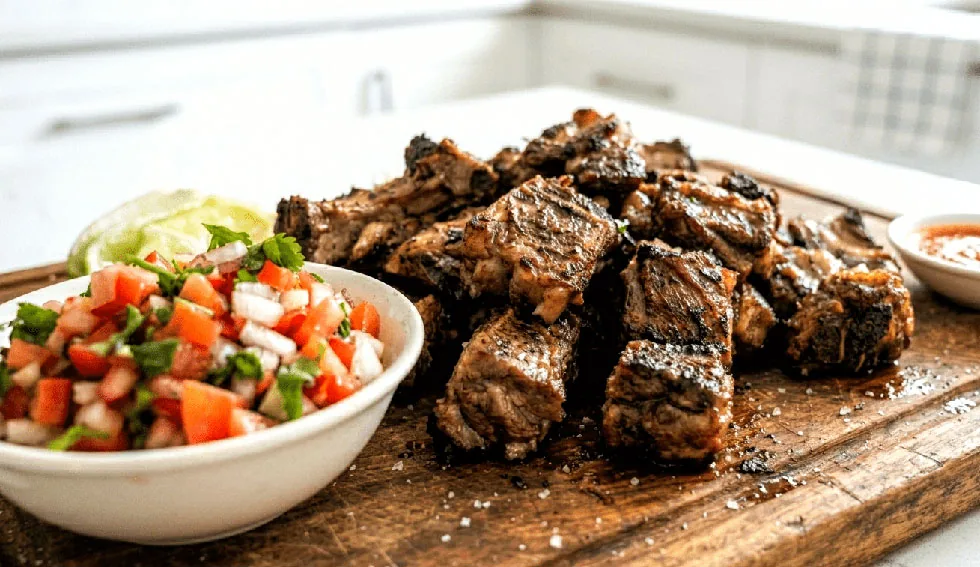
Nyama choma literally means "roast meat," and that's exactly what you'll get — usually goat or beef, grilled over an open flame until smoky and tender. It's a social dish, best enjoyed with friends, cold beer, and laughter.
Most locals prefer it with kachumbari (a tangy tomato-onion salad) and a side of chips. You'll find it everywhere, from roadside stalls to city bars.
The Trick
Ask for it freshly grilled. Pre-cooked versions lose their magic — the difference between a good nyama choma and a great one is minutes off the flame.
Zanzibar Pilau — Aromatic Rice With History in Every Grain
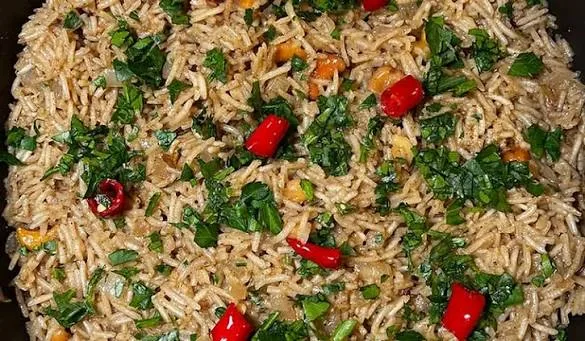
Zanzibar's spice-trading past shows up beautifully in its food, and pilau rice is the star example. Fragrant with cardamom, cinnamon, cloves, and cumin, this dish is slow-cooked with onions, garlic, and sometimes chicken or beef.
It's often served during celebrations and holidays, but you'll also find it at markets and homes year-round.
The aroma hits you before the plate even lands. It's East Africa's answer to biryani, but distinctly Swahili in spirit — proof that geography, trade, and history really do end up on the plate.
Mishkaki — The Street Food You'll Dream About Later
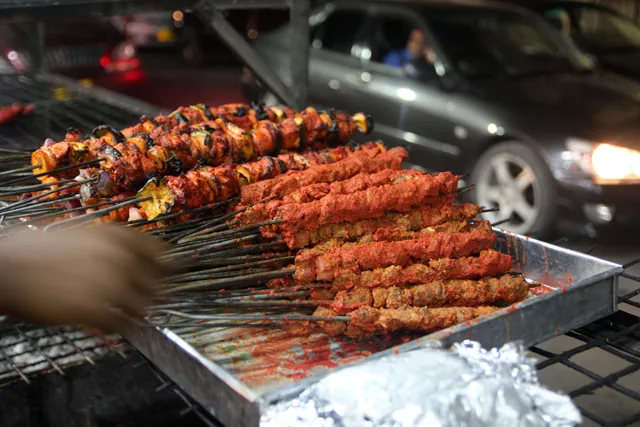
Imagine skewers of marinated beef or chicken, grilled to perfection over charcoal, smoky and slightly sweet. That's mishkaki, and it might just ruin all other kebabs for you.
You'll find vendors selling them late into the night, especially in Dar es Salaam and Arusha. They're usually brushed with a chilli-tomato sauce and served with chips or flatbread.
If you like bold flavours, this is your holy grail.
Chipsi Mayai — Tanzania's Take on the Omelette
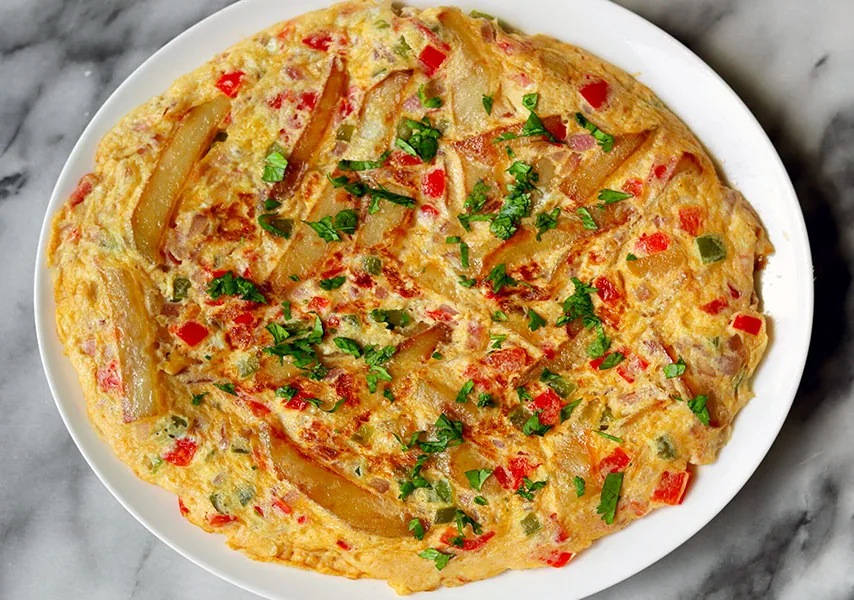
This one's pure genius. Chipsi mayai means "chips and eggs" — literally French fries mixed into an omelette. Sounds odd, tastes divine. It's Tanzania's ultimate comfort food: crispy, greasy, filling, and cheap.
Street stalls everywhere make them to order, served with ketchup or a bit of spicy kachumbari on the side. You'll see locals grabbing one before work, after a night out, or just because they can. It's the kind of dish you start craving at 2 a.m. for no reason at all.
Sukuma Wiki — The Everyday Green
Sukuma wiki translates to "stretch the week," which tells you exactly what kind of dish it is. It's collard greens sautéed with onions, tomatoes, and sometimes garlic — simple, healthy, and eaten with ugali more days than not.
Think of it as the Tanzanian equivalent of spinach, but with more attitude. It's cheap, easy to make, and quietly nourishing.
Zanzibar Pizza — Street-Food Chaos (In the Best Way)
Forget everything you know about pizza. Zanzibar pizza isn't baked — it's pan-fried on a hot griddle. Imagine a thin dough stuffed with egg, minced meat, cheese, onions, and mayonnaise (yes, really), then folded like a parcel and fried until crisp. Sweet versions with banana and Nutella exist too.
You'll find them at Forodhani Gardens night market in Stone Town, where the air smells like smoke, spices, and grilled seafood. It's chaotic, noisy, and absolutely unmissable.
Samaki wa Kupaka — Coconut-Grilled Fish
Zanzibar's coastline means one thing: seafood. Samaki wa kupaka — fish in coconut sauce — is a coastal favourite. The fish (often snapper or kingfish) is marinated in lime, garlic, and chilli, grilled over charcoal, then coated with a creamy coconut curry sauce.
Silky, rich, and slightly smoky from the grill. Pair it with rice and you'll understand why locals call it "food for the soul."
Mandazi — Sweet Fried Clouds
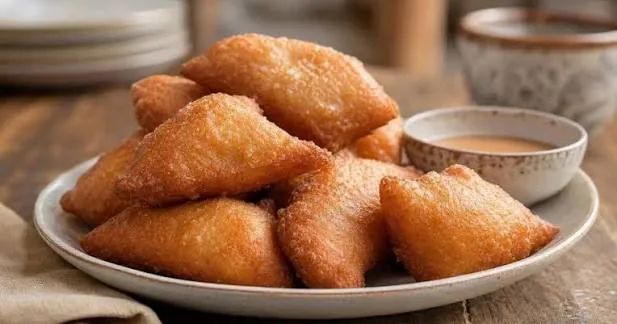
No East African morning is complete without mandazi, the golden, triangular cousin of the doughnut. Lightly sweet, sometimes flavoured with coconut or cardamom, and perfect with chai.
You'll find them sold in baskets on street corners, at bus stations, everywhere really. They're dangerously addictive — you'll eat three before realising it.
Urojo — Zanzibar's "Mix" Soup
Locally known as "Zanzibar mix," urojo is a thick, tangy, slightly chaotic bowl of everything: potatoes, fritters, boiled eggs, mango, coconut chutney, tamarind sauce. It's a full meal disguised as street food, found mostly in Stone Town.
Every vendor's version is slightly different, and part of the fun is comparing them. It's messy, spicy, and unforgettable.
Wali wa Nazi — Coconut Rice From the Coast
Walk into any coastal kitchen and the scent will hit you first: rich, gently sweet coconut folded into fluffy rice. Wali wa nazi is the side dish of the Swahili coast, and in Zanzibar it's practically a religion. Cooked with coconut milk and a whisper of salt, it turns the simplest curry or grilled fish into something you'll dream about.
It's also a brilliant choice for vegetarians — it pairs beautifully with vegetable curries, lentil stews (maharage), and the coastal beans that restaurants serve with such pride. Ask for it with anything from the sea and you'll understand why locals order it daily.
Vitumbua — Sweet Rice-Flour Pancakes
If mandazi is the East African doughnut, vitumbua is its lighter, spongier cousin. Made from rice flour and coconut milk, these little round pancakes puff up golden-brown in deep pans with distinctive dimpled centres. Served warm from street stalls most mornings, they're soft, sweet, and dangerously easy to eat by the half-dozen.
Look for the flame-grilled metal pans with all the little round holes — that's the signature of a real vitumbua seller. They're especially wonderful with the hot, milky chai that vendors pour from huge kettles at dawn.
Drinks Worth Trying Too
Food aside, Tanzania's beverages are part of the experience. Tangawizi (ginger beer) is fiery and refreshing, while sugarcane juice pressed fresh on the street is a revelation on a hot day.
If you're a coffee lover, Tanzania's Arabica beans are among the world's best — smooth, rich, and grown on the slopes of Kilimanjaro.
And if you're feeling adventurous, try Konyagi, a local spirit that's somewhere between gin and rum. It's best mixed with tonic, ideally while watching the sun dip into the Indian Ocean.
The Influence of Culture and Geography
Tanzanian food is shaped by geography and history. Coastal dishes draw heavily on Arabic and Indian flavours — coconut milk, cardamom, clove, and tamarind — while inland cooking is heartier, based on grains and stews.
Colonisation and trade brought in new ingredients, but the soul of Tanzanian cooking has always been about community and resilience, as celebrated by the official Tanzania Tourist Board. Meals are slow, shared, and eaten with gratitude.
There's no rush, no over-complication — just depth and warmth.
Vegetarian and Vegan Options
Vegetarians actually do quite well here. Many local dishes like sukuma wiki, maharage (beans), wali wa nazi (coconut rice), and vegetable stews are naturally plant-based. Just double-check for meat stock or fish sauce if you're vegan.
Fruit Lovers? You're in Paradise
Mangoes, pineapples, papayas, and jackfruit are everywhere, ripe and cheap — the perfect counterpoint to a spicy bowl of urojo.
Frequently Asked Questions
Ugali — a soft maize flour porridge — is the national staple and is eaten with everything: stews, vegetables, meat, and fish. It is rolled into a ball, dented with the thumb, and used to scoop up the rest of the meal. Nearly every Tanzanian meal is built around it.
Often yes, but in a layered, aromatic way rather than just heat. Coastal dishes like pilau and urojo draw on cardamom, cinnamon, cloves, chilli, and tamarind, reflecting centuries of Arab and Indian influence. Inland cooking tends to be heartier and milder, based on grains and simple stews.
Start with Zanzibar pizza from the Forodhani Gardens night market in Stone Town — a griddle-fried savoury parcel stuffed with egg, meat, cheese, and onion (sweet versions come with banana and Nutella). Add mishkaki skewers and a bowl of urojo, the famous 'Zanzibar mix' soup.
Yes. Sukuma wiki (sautéed collard greens), maharage (beans), wali wa nazi (coconut rice), and many vegetable stews are naturally plant-based. Just ask for them without meat stock or fish sauce if you are vegan. Fruit is abundant, cheap, and spectacularly ripe.
Tangawizi (fiery ginger beer), fresh-pressed sugarcane juice, and coffee made from Tanzania's world-class Arabica beans grown on Kilimanjaro's slopes. If you are feeling adventurous, Konyagi — a local spirit somewhere between gin and rum — tastes wonderful over tonic at sunset.
Zanzibar spices are the classic choice: cloves, nutmeg, and cardamom grown in the spice islands are among the most aromatic on earth. They are light to carry and impossibly easy to fall in love with once you are back home.
Savour Tanzania With Us
Food in Tanzania isn't just sustenance — it's a cultural experience, a window into how people live and connect. Whether you're eating street-side chipsi mayai, a home-cooked fish curry, or fancy resort seafood, it all carries that same Tanzanian generosity.
And when you've had your fill, you can explore more of the country's soul through a safari or a deep dive into Tanzanian culture and traditions — because food here is only the beginning.
Eat, Share, and Remember
Tanzanian food is more than a list of dishes — it's the warm, generous heart of the country, served on plates all over the mainland and the spice islands.
Start with ugali at a local lunch spot, graduate to nyama choma with friends at dusk, and save the Zanzibar pizza for a lively night at Forodhani. Every dish tells you something true about this extraordinary place.
Karibu Tanzania. Come hungry, leave with spices — and a craving you'll never quite shake.
More Ways to Taste Tanzania
Tanzania Travel Tips
Everything you need before you fly
Tanzania Safari Packages
Browse ready-to-go itineraries
Tanzania's Tribes & Traditions
Meet the cultures behind the cuisine
Best Time for a Tanzania Safari
Pick the right season for you
Maasai Culture Experiences
Share a meal and a moment with the Maasai
Request a Free Quote
Let us plan your food-and-safari adventure
Last updated: August 28, 2026. Dishes and eating habits reflect widely shared Tanzanian food culture; always confirm current opening hours and locations with local sources.
