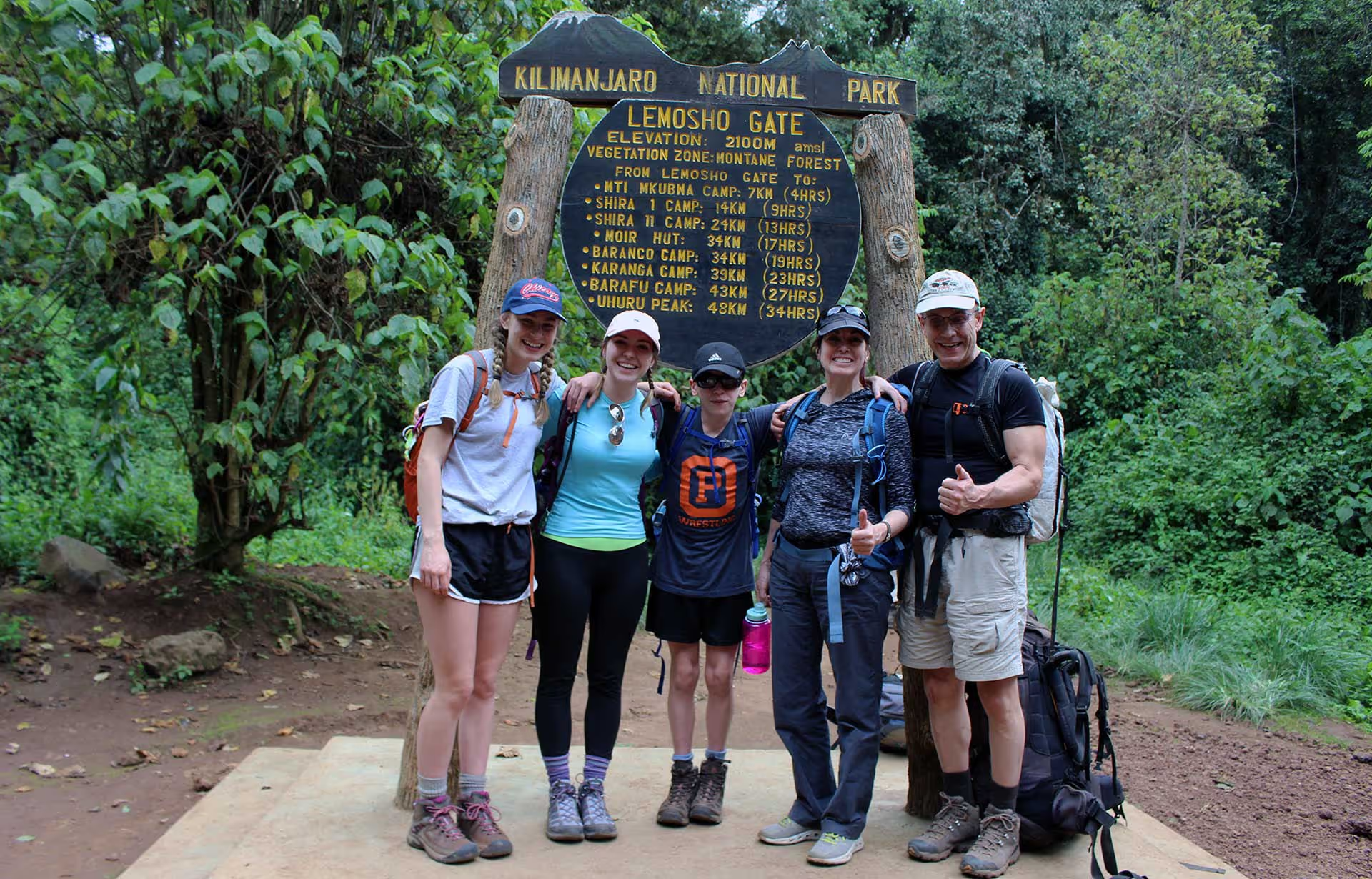
Here is the honest version most travel sites skip: climbing Kilimanjaro in the rainy season means you will get wet, you will sometimes walk in cloud, and a few afternoons will test your waterproofing. It also means you will have near-empty trails, a forest so green it looks painted, fresher air, and prices that make the climb genuinely more affordable. For many of our climbers, the rainy season ends up being the quieter, more intimate version of the mountain they were hoping for.
The rain is never a reason to cancel, only a reason to plan properly. The two rainy seasons are short, predictable, and well understood by everyone who lives and works under this mountain. Once you know what they actually look like, which routes cope best, and what to pack, a wet-season climb becomes completely manageable. If your dates are flexible, it might even be the smartest time for you to go.
From Our Team in Moshi
We run climbs every single month, including all of April and May. Our honest advice: the rainy season suits flexible, good-humored climbers who care more about solitude and value than perfect weather insurance. If you want the absolute clearest summit night, book a dry-season month instead, and read our month-by-month timing guide to pick your window. But if you can handle a little rain, you'll be rewarded with one of the most underrated experiences on the mountain.
Kilimanjaro Rainy Season Quick Facts
Long Rains
Late March – early June
Short Rains
Late October – mid December
Wettest Months
April & May
Best Rainy-Season Month
November
Most Comfortable Route
Marangu (huts)
Driest Route
Rongai (north side)
Best Success-Rate Route
Lemosho / Northern Circuit (7–8 days)
Peak-Season Success
85–95% on long routes
Rushed 5-Day Success
27–35%
Typical Price Drop
10–30% below peak
Summit-Night Cold
−15°C to −25°C with wind
Mountain Status
Open year-round
The Two Rainy Seasons, Explained
Tanzania sits close to the equator, so Kilimanjaro doesn't have a single rainy season, it has two. They follow the movement of the sun and the rain band that trails it. Learn these two blocks and you instantly understand the entire year of Kilimanjaro weather.
The Long Rains (March–May)
The long rains run from late March to early June, with April and May the heaviest months of the entire year. Rain is more persistent here, though it still tends to follow the daily rhythm of afternoon showers rather than nonstop downpour. This is the quietest, cheapest, and greenest season on the mountain, and the one most first-timers worry about.
The Short Rains (Oct–Dec)
The short rains run from late October to mid-December. They are lighter and more sporadic than the long rains, usually short afternoon showers that clear quickly. November is our pick of the rainy months: mornings stay clear, the trails are quiet, and prices have dropped but the weather hasn't fully committed to the wet.
The Daily Rhythm of Rain
Rain on Kilimanjaro almost never lasts all day. The classic pattern: mornings start clear, clouds build through the afternoon, and rain arrives on the lower slopes in the late afternoon or evening. By the time you're climbing above the forest, wet weather becomes drizzle, cloud, and eventually snow. Summit night begins around midnight, usually in the calmest, clearest window of the day, which is why rainy-season summits are far more common than the forecast suggests.
Month-by-Month Weather
Here is every month of the Kilimanjaro year, with the honest climbing outlook. If you're deciding between two dates, this table tells you which one to choose.
| Month | Season | Rain | Climbing Outlook |
|---|---|---|---|
| January | Dry (warm) | None | Peak season. Warm, stable, busy camps, reliable summit nights. |
| February | Dry (warm) | None | Driest month of the year. The classic 'best time to climb' window. |
| March | Long rains begin | Low–Moderate | Early March is still excellent; rain builds from mid-month onward. |
| April | Long rains | High | Wettest month. Lowest prices, emptiest trails, most rain you'll see all year. |
| May | Long rains | High | Still wet early, drying steadily. Late May is a great value window. |
| June | Dry (cool) | Low | Rains ease fast, trails dry, clear cool days. Underrated month. |
| July | Dry (cool) | None | Peak season. Cold, clear summit nights, busy but spectacular. |
| August | Dry (cool) | None | Peak season. Reliable weather, the busiest month of the year. |
| September | Dry (cool) | None | Clear and calm with thinner crowds. Excellent choice. |
| October | Short rains begin | Low–Moderate | First half dry and popular; showers creep in from late October. |
| November | Short rains | Moderate | Best rainy-month value. Brief afternoon showers, quiet trails, good prices. |
| December | Short rains end | Low–Moderate | Showers ease after mid-month as peak season begins. Festive, busy. |
One honest note: no month is a guarantee. We've summited in February under snow and in May under a perfect clear sky. The table above is the pattern, and patterns are what you plan around, not promises.
Best Routes in the Rain
Every route stays open in the rainy season, but they don't all treat you equally. Here's how the main routes compare when the clouds roll in.
Marangu: The Huts Route
The only route with dormitory huts instead of tents. In the rainy season that's a genuine advantage: you sleep dry, your gear stays dry, and you skip the ritual of pitching a tent in the rain. The gradient is also the gentlest on the mountain. Take the 6-day version, the 5-day schedule is too rushed and its success rate suffers.
Marangu Route GuideRongai: The Dry Northern Side
Rongai approaches from the northeast, and the mountain itself shields much of that side from the wet southern weather. It sees noticeably less rain than the southern routes and offers a wild, quiet approach through remote country. Camps are tents, so it can't promise a dry night the way Marangu can, but the trail is drier.
Rongai Route GuideLemosho & Northern Circuit: Best Odds
Both are longer, higher, and built for acclimatisation, which makes them the strongest choices in the rainy season if your goal is simply to summit. Rain happens, but a properly acclimatised body is what actually decides success. Take 8 days on Lemosho or the Northern Circuit and you keep the 85–95% success range even in the wet.
Lemosho Northern CircuitAvoid in Heavy Rain
Umbwe and the Western Breach. These are the steepest, most exposed routes on the mountain, and heavy rain turns their rocky sections slippery and genuinely unpleasant. Save them for the dry season, or skip them entirely, the longer routes are safer and give you better summit odds anyway.

Gear That Keeps You Dry
In the dry season, average rain gear is a luxury. In the rainy season it's your whole trip. The difference between a miserable wet week and a comfortable one is almost entirely what's in your duffel.
Waterproof shell jacket
A proper 3-layer hard shell, not a shower-proof windbreaker
Waterproof rain trousers
Worn over your hiking pants from the first sign of rain
Gaiters
Stops water and mud pouring into your boots on the forest trails
Genuinely waterproof boots
Tested in a sink before you leave home. Wet boots end trips
Dry bags
One per compartment, sleeping bag, clothes, electronics each get their own
Quick-dry base layers
Merino or synthetic only. Cotton stays wet and cold for days
Waterproof gloves
Cold wet hands at 4,700 m are miserable and dangerous
Pack cover
A cheap cover that saves your daypack's contents
Spare wool socks
Swap to dry socks at every camp stop, your feet will thank you
Waterproof liner for duffel
Your porter carries your main bag; keep it dry inside the pack
Rent Locally, Save the Weight
You don't need to fly in with all of this. Our gear shop in Moshi rents quality waterproof shells, trousers, gaiters, sleeping bags, and boots, which keeps your luggage light and your wallet happy. See our full Kilimanjaro packing list for the complete field-tested system.

Your Real Summit Chances in the Rain
Let's talk numbers, because "success rate" is the question everyone actually means when they ask about the rain. Across all routes and itineraries, the average summit rate on Kilimanjaro is around 65%. Rain lowers that number a little, but here's what surprises people: weather is rarely the reason climbers turn back.
65%
Overall average across all routes
85–95%
7–8 day Lemosho / Northern Circuit
27–35%
Rushed 5-day itineraries
~75%
Of turn-backs are altitude-related
Wet cold, cloud, and mud sap morale, and morale matters at 5,700 meters. But altitude sickness is the true gatekeeper, and its main cause is climbing too fast. That's why a longer itinerary beats a dry forecast every time. On a proper 7–8 day route, rainy season or not, our clients summit at rates close to the dry season. On a rushed 5-day climb, no amount of sunshine fixes bad acclimatisation.
The Short Answer
Pick a long route and the rain costs you a few percentage points. Pick a short route and the rain is the least of your problems. For the full breakdown of how every route and itinerary performs, read our Kilimanjaro success rate guide.
Tips From Our Guides
We asked our senior guides what they tell every rainy-season group. Here's what decades of wet summit nights have taught them.
Start Early, Beat the Afternoon
Rain has a schedule. Our teams get moving early so you reach camp before the heaviest afternoon weather. On the trail, the morning is your friend.
Embrace the Mud
The forest turns to chocolate-brown trails after rain. Slip, laugh, keep moving, it's part of the adventure. Gaiters make it a detail instead of a drama.
The Rainforest Comes Alive
After rain, the forest is electric. Colobus monkeys call, birds erupt, and the air smells of wet earth. This is the greenest, most alive the mountain ever looks.
Layer, Layer, Layer
You'll heat up fast on climbs and freeze the moment you stop. A thin waterproof layer over quick-dry base layers beats one heavy coat every time.
Trust Your Guide on Windows
Local weather knowledge is worth more than any forecast app. If our guide sees a clear window on summit night, we go for it. That call has put many rainy-season groups on Uhuru.
Dry Socks Are Morale
At camp, the first ritual is swapping wet socks for dry ones and pulling on a dry layer. Small comforts keep spirits high, and high spirits carry you to the top.

Booking & Timing
A few practical notes on money, dates, and choosing your operator for a rainy-season climb.
The Price Advantage
April–May and November are the cheapest months to climb, fly, and sleep in Tanzania. Climb prices drop 10–30% below peak, and you'll often have camps almost to yourself. Just check the operator behind the discount: ethical crews, fair porter pay, and proper gear should never be the line items being cut.
Build In Flexibility
If you can, leave a day or two of buffer around your climb. A flexible itinerary lets your guide work the best weather windows and still hit your flights. Rigid plans and mountain weather rarely get along in any season.
Insurance That Covers Altitude
Whatever month you pick, carry insurance that covers helicopter evacuation above 5,000 m. Rain doesn't change the rule; it just makes the paperwork more important. No reputable operator should let you start the climb without it.
Choose an Ethical Operator
Rain is a test of how well an operator is run. Waterproof tents, dry sleeping bags, warm wet-weather gear for porters, and honest advice about weather windows all show up in the wet season. See our ethical climbing guide for what to look for.


Frequently Asked Questions
The Final Word
Kilimanjaro doesn't care which month you arrive. It rains when it rains, and the mountain is always there, always open, always worth the climb. The rainy season asks you for a little more patience, a little better gear, and a lot more trust in the people guiding you. In return it gives you a quieter, greener, more personal mountain, one that most visitors never see.
Some of the best stories our guides tell come from rainy-season groups who summited anyway: standing on Uhuru as the clouds peeled back at sunrise, having the whole crater to themselves. That version of Kilimanjaro is out there, and it's waiting for you.
Plan Your Rainy-Season Climb
Ready to climb Kilimanjaro on your dates, rain or shine? Tell us your window and we'll recommend the route, itinerary, and gear setup for it. Our team climbs year-round and will plan your summit around the weather that actually shows up.
Related Kilimanjaro Guides
Best Time to Climb Kilimanjaro
Month-by-month timing and crowds
The Complete Packing List
Field-tested gear for every season
Kilimanjaro Success Rate
Your real chances of reaching Uhuru
How Hard Is Kilimanjaro?
Honest difficulty and fitness guide
Kilimanjaro Cost Breakdown
Pricing, fees, and where to save
Marangu Route Guide
The huts route, best for rain
Rongai Route Guide
The drier northern approach
Ethical Kilimanjaro Climbing
Porter welfare and responsible trekking
Last updated: August 12, 2026. All facts verified against our guiding records and current Kilimanjaro weather data.
