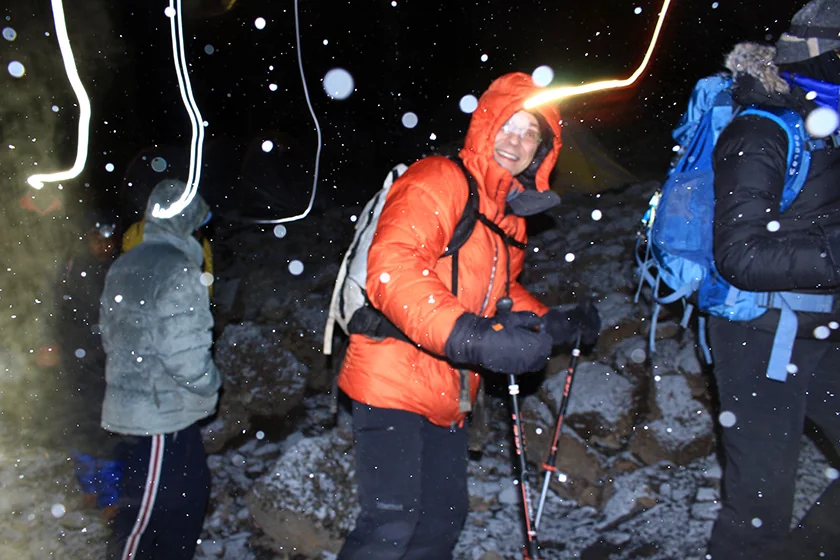
There is a moment on every Kilimanjaro climb when the mountain stops feeling like a scenic trek and starts feeling like a genuine challenge. For most climbers, that moment arrives shortly before midnight, when head torches flicker to life outside camp and hundreds of boots begin crunching slowly up the volcanic slopes towards Africa's highest point.
Summit night is the defining experience of a Kilimanjaro expedition. It is the hardest part of the climb, the most physically demanding, and often the most emotional. Yet it is also the section that climbers remember most vividly long after they return home — the night when months of planning and training are distilled into a single, unforgettable push.
If you're preparing for Kilimanjaro, understanding what happens during summit night can help you approach it with realistic expectations and greater confidence.
6–8 hrs
Midnight ascent to Uhuru
11 PM–1 AM
Wake-up & departure
5,895 m
Uhuru Peak elevation
−10°C
Possible low temperature
Why Summit Night Starts So Late
One of the first surprises for many climbers is discovering that summit night begins long before dawn. Depending on your route and camp location, guides typically wake climbers between 11:00 PM and midnight. After a quick snack and a final equipment check, the ascent usually begins between midnight and 1:00 AM.
This timing serves several important purposes. First, colder overnight temperatures help keep the volcanic scree firmer underfoot. Secondly, climbers reach the summit around sunrise, offering spectacular views across the mountain and the plains far below. Most importantly, the schedule allows climbers to descend before afternoon weather conditions become less predictable.
The Takeaway
Although the midnight start may seem intimidating, it has become the standard approach across all major Kilimanjaro routes — and it works.
Leaving Camp in Darkness
The atmosphere at high camp is unlike anything most travellers have experienced before. Whether you're staying at Barafu Camp, Kosovo Camp, or Kibo Hut, the evening before summit night is usually quiet. Most climbers eat an early dinner and attempt to rest, although genuine sleep can be difficult due to anticipation, altitude, and excitement.
When guides begin waking everyone, camps that were silent only moments earlier suddenly come alive. Head torches illuminate tents. Porters prepare equipment. Climbers layer up against the freezing temperatures. Then comes the moment of departure.
Stepping beyond camp into complete darkness can feel surreal. The summit remains invisible above, hidden against the night sky. All that can be seen is a distant chain of lights stretching upwards as other climbers make their way towards the crater rim.
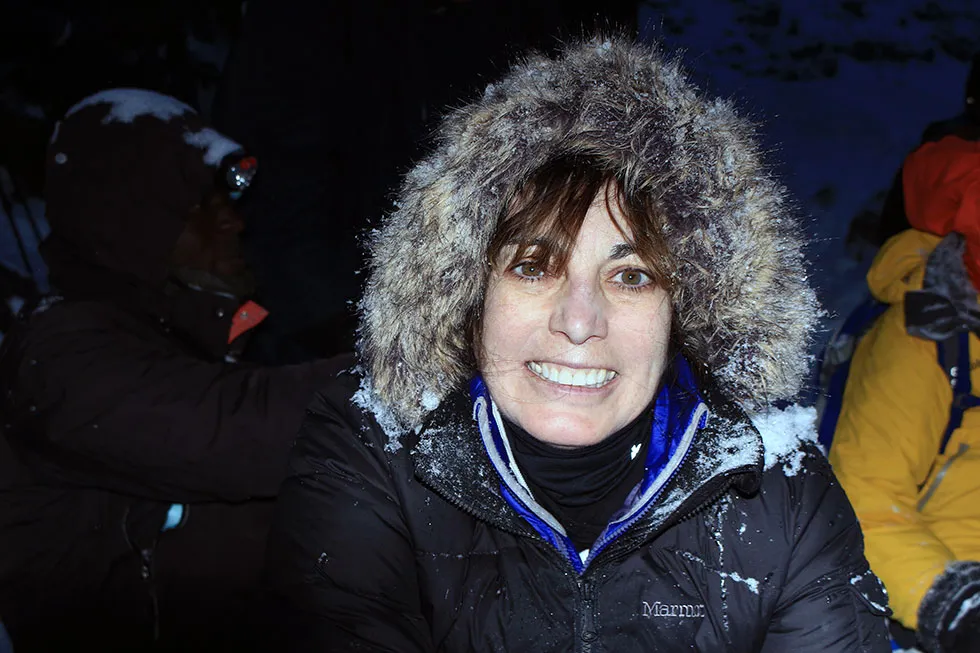
Looking back down the mountain during the first hour is a strangely beautiful sight. The camp you left behind becomes a cluster of tiny lights, and ahead the trail disappears into blackness. Any doubts you feel are echoed by every other climber on the slope — and that shared experience is part of what holds the group together.
The pace immediately feels slow. Very slow. And that's entirely intentional.
Pole Pole: The Secret to Success
One of the most important phrases you'll hear on Kilimanjaro is 'pole pole', meaning 'slowly slowly' in Swahili. Nowhere is this philosophy more important than on summit night.
At over 4,500 metres, your body is operating with significantly less oxygen than it is accustomed to. Every movement requires more effort. Breathing becomes heavier. Recovery takes longer. The temptation is often to push harder and climb faster. Experienced guides know this is usually a mistake.
Successful summit attempts are built on maintaining a consistent, sustainable pace for several hours. Even exceptionally fit climbers often find themselves moving much slower than they expected.
Remember
The goal is not speed. The goal is simply to keep moving.
The Physical Challenge
Summit night is physically demanding for several reasons. The most obvious factor is altitude. By this stage, climbers are approaching heights that exceed 5,000 metres, where oxygen levels are dramatically lower than at sea level. Simple activities become noticeably harder.
Many climbers experience:
- Heavy breathing
- Fatigue
- Reduced appetite
- Mild headaches
- Slower movement
- Difficulty concentrating
The terrain itself also contributes to the challenge. Much of the route towards the crater rim consists of loose volcanic scree. Taking two steps forward and sliding half a step back is common, and progress often feels frustratingly slow.
Temperatures can also drop well below freezing. Combined with darkness, altitude, and exhaustion, these factors make summit night one of the most demanding trekking experiences many people will ever undertake.
The Mental Battle
Interestingly, many climbers report that summit night is more mentally challenging than physically difficult. Hours of darkness create a unique psychological environment. Unlike daytime hiking, there are few visual landmarks to gauge progress. You simply follow the beam of your head torch and place one foot in front of the other.
Minutes feel longer. Distances seem greater. The summit appears endlessly far away.
This is where mental resilience becomes critical. Many climbers find success by focusing only on the next few steps rather than thinking about the entire climb ahead. Breaking the ascent into small, manageable goals helps prevent feelings of being overwhelmed.
Talking with your guide and fellow climbers also helps. Simple encouragement, a shared joke, or someone pointing out how far you've already come can completely reset your state of mind. On summit night, no one climbs alone — even when it feels like you're carrying the weight of the whole mountain on your shoulders.
The Secret
This is also why understanding how difficult summit night can be beforehand often helps climbers prepare more effectively for the experience.
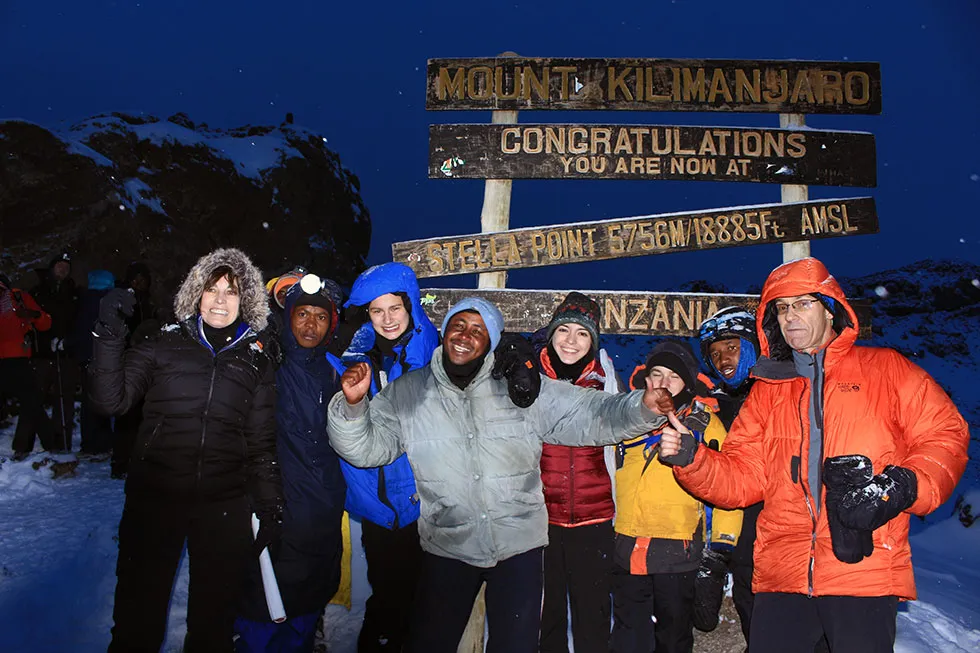
Reaching Stella Point
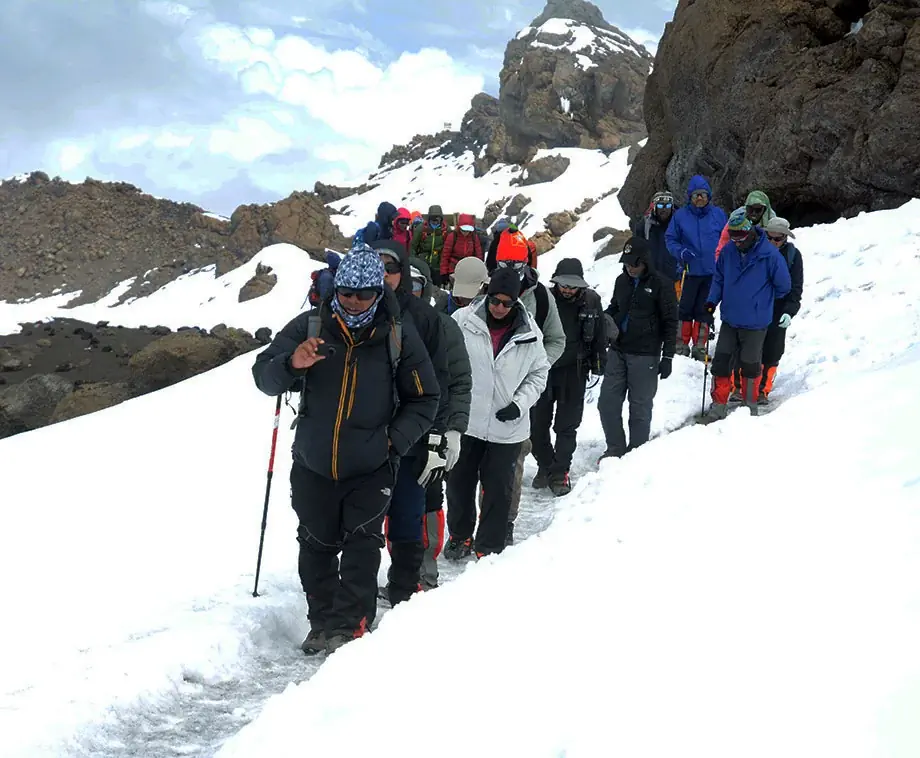
After several hours of climbing, most routes eventually reach Stella Point on the crater rim. For many climbers, this is one of the most emotional moments of the entire expedition. The first signs of dawn often begin appearing across the horizon, the darkness gradually lifts, and the vast glaciers of Kilimanjaro emerge from the shadows.
Reaching Stella Point is a significant achievement in itself. Technically, you have reached the crater rim and completed the hardest section of the ascent.
Many climbers stop briefly here to rest, take photographs, and absorb the moment before continuing towards the true summit. Want the full story of this famous crater-rim point? Read our complete guide to Stella Point - its height, history, and how it got its name.
The Final Push to Uhuru Peak
Although Stella Point represents a major milestone, the journey is not quite finished. The final stretch to Uhuru Peak usually takes between 45 minutes and an hour depending on conditions and individual pace. Fortunately, the terrain becomes less steep than the climb below.
By now the sun is often rising, revealing extraordinary views across glaciers, volcanic formations, and the African plains thousands of metres below. Despite exhaustion, many climbers experience a surge of energy during this section.
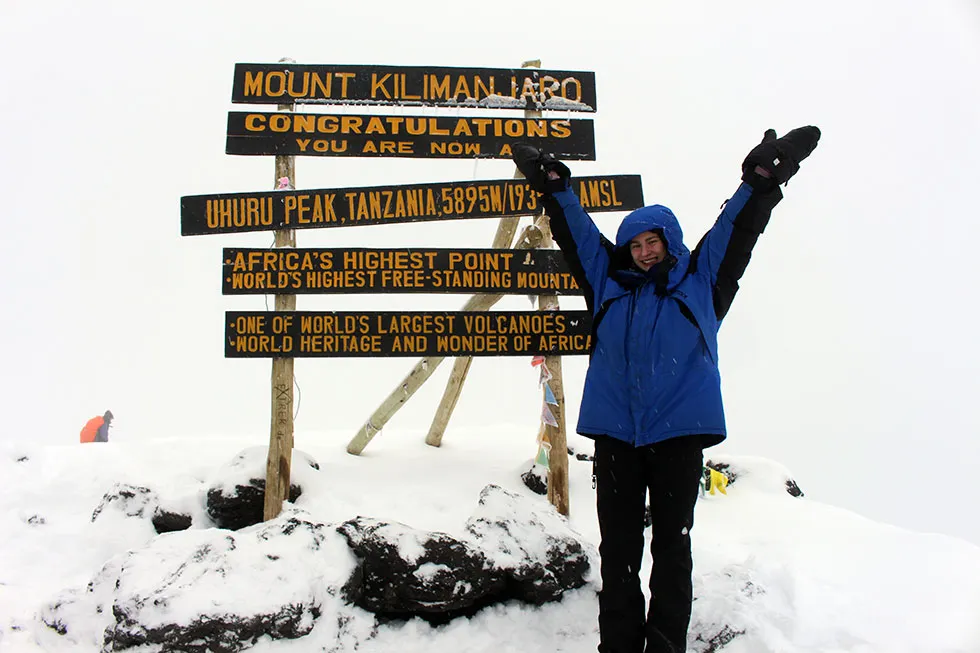
The summit sign is finally within reach. Months of planning, training, and anticipation suddenly become real.
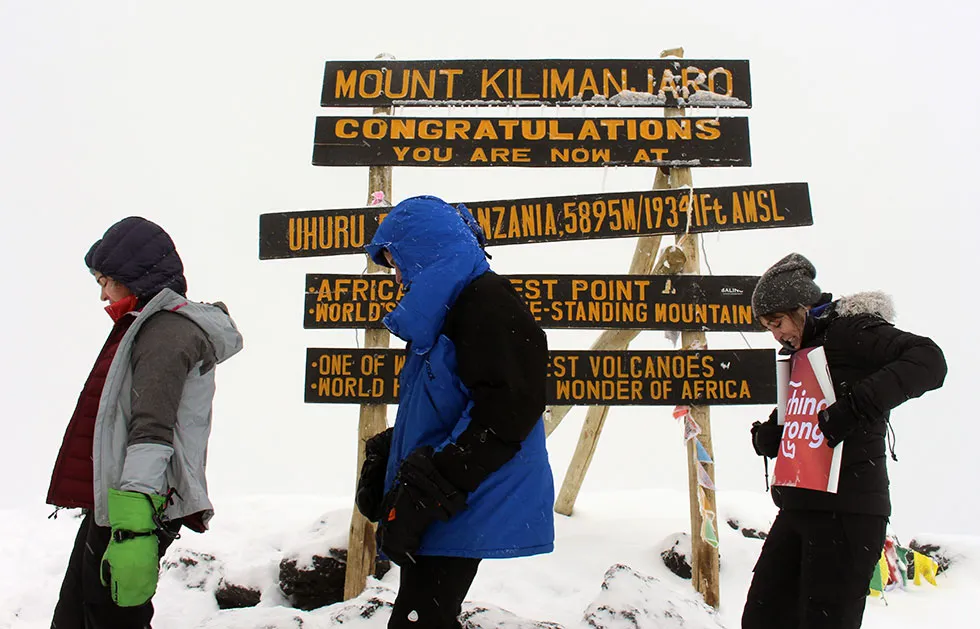
When the expedition team ascends together, the final push is a shared experience. Your guides have climbed this mountain many times, but the emotion of bringing first-time climbers to Uhuru never fades — and neither does theirs. Holding onto that idea, with the summit sign growing closer on every step, is often exactly what carries climbers across the finish line.
Standing on the Roof of Africa
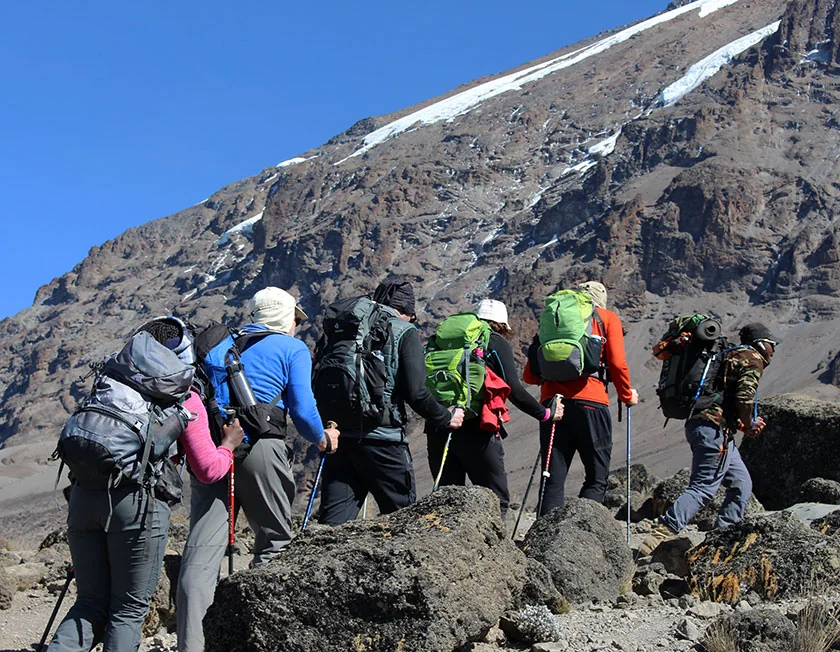
At 5,895 metres above sea level, Uhuru Peak marks the highest point in Africa. Reaching the summit is a moment that is difficult to describe accurately. For some climbers, it is pure celebration. For others, it is quiet reflection. Many feel a mixture of pride, relief, gratitude, and disbelief.
The reality is that most people do not spend very long at the summit itself. High altitude conditions mean extended stays are not recommended.
Typically, climbers spend around 10 to 20 minutes taking photographs, celebrating with their team, and appreciating the achievement before beginning the descent.
The Descent Is Harder Than Many Expect
One common misconception is that the climb is essentially over once you reach Uhuru Peak. In reality, the descent remains a major part of the day. Most climbers return to high camp for a short rest before continuing further down the mountain.
The descent through loose scree can be surprisingly demanding on knees, ankles, and leg muscles. Fatigue accumulated throughout summit night often becomes more noticeable once adrenaline begins to fade.
Did You Know?
Many climbers describe summit day as lasting anywhere from 12 to 16 hours in total. By the time they finally reach their lower overnight camp, exhaustion is often matched by an immense sense of accomplishment.
What to Wear on Summit Night
Conditions can vary considerably, but layering is essential. Most climbers wear:
- Thermal base layers
- Insulating mid-layers
- Down or insulated jacket
- Waterproof outer shell
- Warm hat
- Gloves or mittens
- Thermal socks
- Head torch with spare batteries
The key is remaining warm without becoming excessively sweaty during the climb.
Temperatures frequently fall below freezing before sunrise, making proper clothing one of the most important aspects of summit preparation.
Fuel and Hydration Matter More Than You Think
Even though appetite often decreases at altitude, maintaining energy intake remains critical. Guides typically encourage climbers to eat light, easily digestible foods before departure. Hot drinks are also common before leaving camp.
Throughout summit night, small snacks such as biscuits, energy bars, nuts, or sweets can provide valuable energy.
Hydration Warning
The cold air and increased breathing rate can lead to dehydration surprisingly quickly, even when you don't feel particularly thirsty.
Why Guides Play Such an Important Role
Summit night is one of the clearest examples of why experienced mountain guides are so valuable. Throughout the ascent, guides monitor pace, encourage hydration, assess altitude symptoms, and provide constant motivation when conditions become challenging.
Their experience helps climbers navigate the physical and mental demands of the night safely and effectively.
For many travellers joining guided Kilimanjaro climbing expeditions, the support provided during summit night becomes one of the most appreciated aspects of the entire journey.
Frequently Asked Questions
Most summit ascents take between six and eight hours from high camp to Uhuru Peak, followed by several hours of descent. In total, summit day usually runs anywhere from 12 to 16 hours from the first wake-up call until you reach your lower overnight camp.
Yes. The combination of altitude above 4,500 metres, freezing temperatures, darkness, loose scree, and long hours of fatigue makes summit night the most demanding section of the climb. It is also the most rewarding.
Temperatures often fall below freezing and can reach -10°C or lower depending on conditions and wind chill. Proper layering — thermal base layers, insulation, and a waterproof shell — is essential.
Absolutely. Many successful climbers have no prior mountaineering experience. Proper acclimatisation, slow 'pole pole' pacing, hydration, and good guidance matter far more than technical climbing ability.
Most climbers attempt to rest for a few hours after an early dinner, although excitement and altitude often make deep sleep difficult. The rest you do manage still helps, even if it doesn't feel like much at the time.
Guides typically wake climbers between 11:00 PM and midnight. After a quick snack and a final equipment check, the ascent usually begins between midnight and 1:00 AM, so climbers reach the summit around sunrise.
Plan Your Kilimanjaro Climb
Summit night will push you to your limits — and reward you beyond them. The best way to prepare is to climb with a team that knows the mountain: how to pace you, keep you warm, fed, and hydrated, and get you to the top and safely back down again.
With the right route, the right gear, and the right guides, summit night stops being something to fear and becomes the highlight of your life.
A Night You'll Never Forget
Long after the sore muscles have faded and the summit photographs have been shared, most climbers remember summit night more vividly than any other part of Kilimanjaro. It is a night of darkness, determination, and perseverance — a night where progress is measured one careful step at a time.
The experience is undeniably challenging, but that challenge is precisely what makes reaching Uhuru Peak so rewarding. Watching the sun rise over Africa from the highest point on the continent is something few people ever experience.
And for those who do, the memory tends to last a lifetime.
More Kilimanjaro Guides
Which Kilimanjaro Route to Choose
Find the route that fits you — and your summit camp
How Long Does the Climb Take?
Routes, days, and realistic timeframes
Uhuru Peak: Facts & History
The story behind Africa's highest point
How Hard Is Kilimanjaro?
An honest look at the physical demands
Kilimanjaro Gear List
Everything you need to pack
Best Time to Climb Kilimanjaro
Pick the right season for your summit
Last updated: August 29, 2026. Summit night conditions vary by route, season, and weather; always follow the guidance of your expedition team and the official Tanzania National Parks authority.
