Arusha at a Glance
Thanks to its proximity to some of the country’s most famous game reserves, Arusha is a popular starting point for safaris in Tanzania. But the city is not just a gateway town — it has a great deal to offer itself. Within a single day’s drive you can hike Mount Meru to the green-roofed Miriakamba huts and on to Napuru Waterfall, walk among zebras and colobus monkeys in Arusha National Park, paddle a canoe across the Momella Lakes, or summit the volcanic cone of Mount Longido. Add a tanzanite museum, a coffee estate, a snake park, a walking safari and a buzzing market, and Arusha rewards two or three days easily. Here are our most beloved attractions.
Hike to Miriakamba Camp on Mount Meru
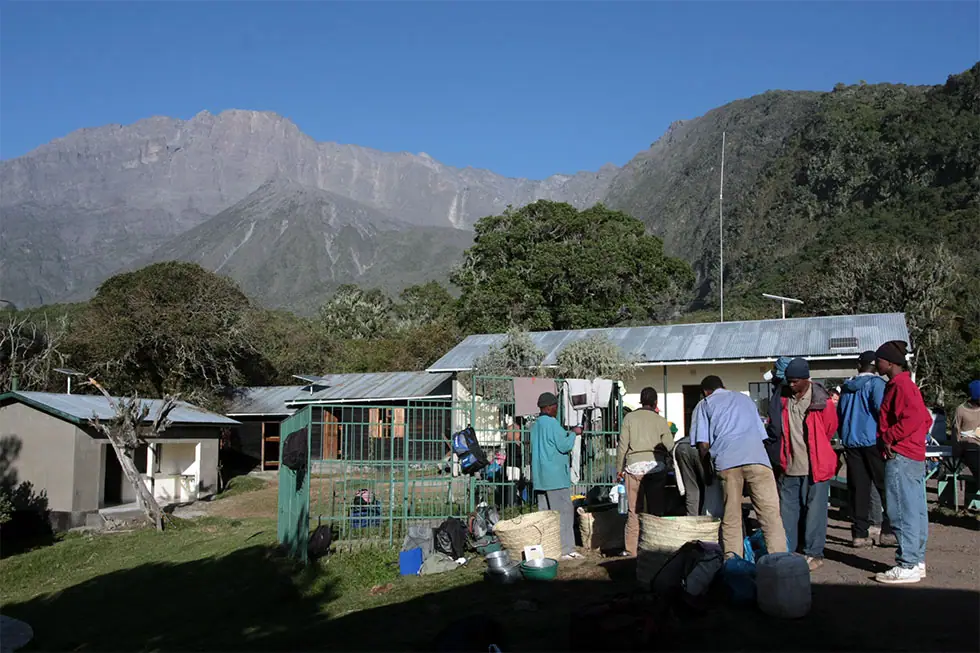
It may live in the shadow of its bigger brother, Mount Kilimanjaro, but Mount Meru should not be overlooked. At 4,566 metres (14,980 ft) it is Tanzania’s second-highest mountain, and it has its own understated beauty and genuine challenges for hiking lovers. Our Mount Meru guide covers the routes and prices; this is the first taste of the mountain.
The route to Miriakamba Camp, the first camp on the mountain, is nothing short of a nature lover’s fairytale. One minute you are sauntering through mossy forest; the next you step into a clearing that treats you to sneak peeks of the Meru summit. The Momella Lakes glitter below on the western flank.
And let us not forget the wildlife. This is not your typical stroll through the park but a live episode of your favourite nature documentary. From mischievous monkeys swinging through the canopy to the occasional majestic buffalo giving you the side-eye, animals like these add a thrilling layer of unpredictability to your trek.
Why climbers start here
Meru is the classic acclimatisation mountain for Kilimanjaro. Sleeping at 3,800 m and 4,566 m first makes the long days on Kilimanjaro’s high camps feel manageable, and it also protects the forests and wildlife of Arusha National Park, which surrounds the lower slopes.
Hike to the Mount Meru Waterfall (Napuru)
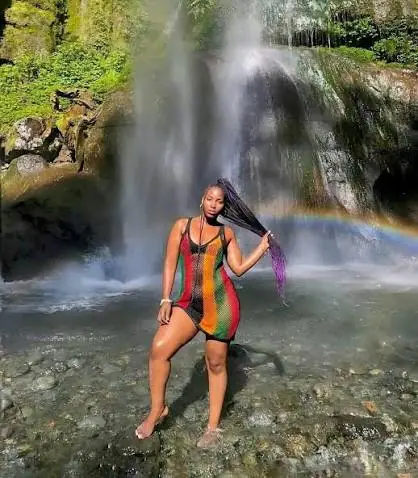
The hike to the Mount Meru Waterfall — also known as Napuru Waterfall — is an outdoor enthusiast’s dream come true: no ifs, ands, or buts about it. This trail, which takes more or less an hour, leads you through a verdant rainforest where you will be greeted by cheeky monkeys. Keep your eyes peeled, because you might also spot zebras in the distance, various antelopes grazing, or even a lone buffalo staring at you with mild interest.
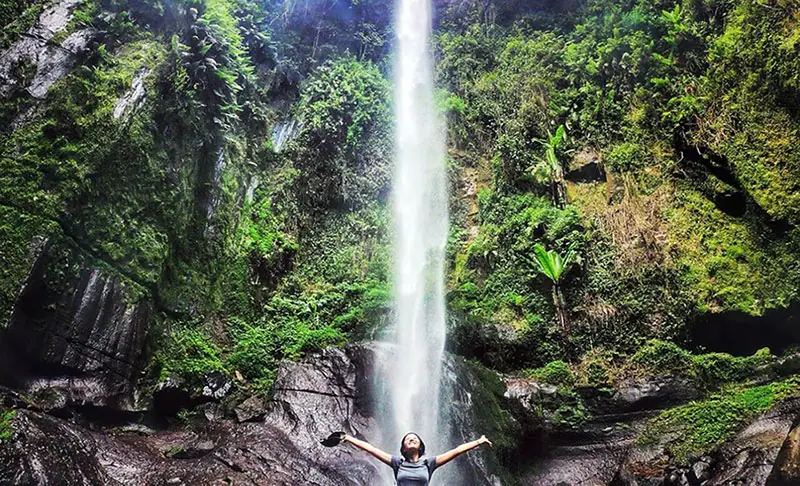
Reaching the waterfall itself is the highlight. The sight of water cascading roughly 24 metres (80 feet) into a crystal-clear pool will make you gasp for the wonderfully fresh air. Fancy a cool(ing) shower? Go ahead, you have definitely earned it.
And if you decide to dine al fresco with a packed picnic, there is no better backdrop in the whole of Arusha National Park than these majestic falls. Simply breathe, relax, eat, repeat.
Best time for the waterfall walk
Mornings are cooler and quieter, and the forest is at its most beautiful just after the first rains. In the long rains from March to May the steps can get slippery, and the falls run hardest — spectacular, but muddy footwear. Wear shoes with grip; the descent is longer than it looks.
Take a Walking Safari in Arusha National Park
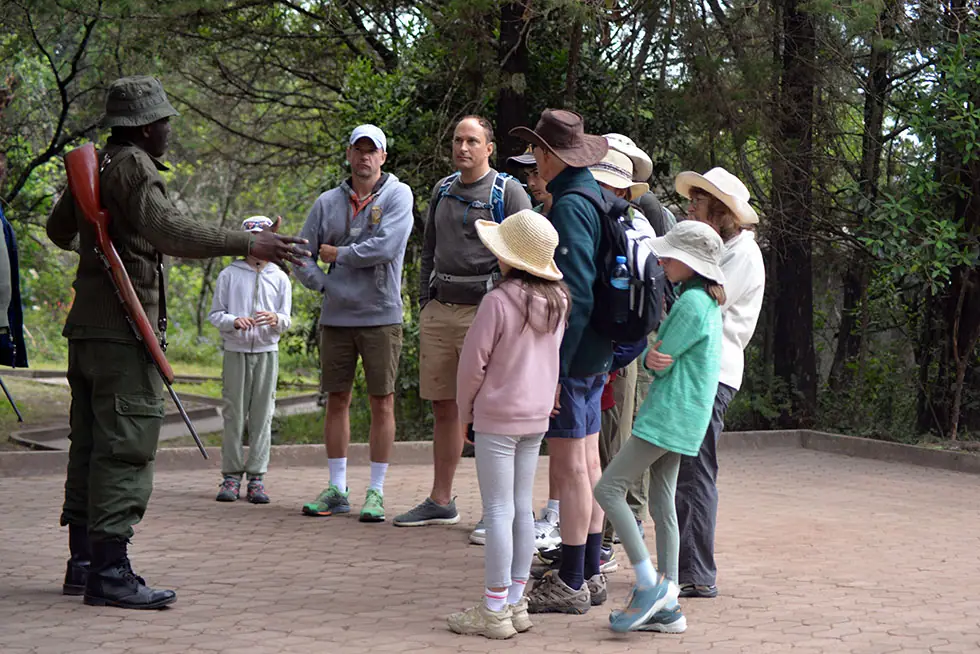
During this very special safari you will not hear the rumble of an engine, only the sound of nature. Together with a guide and an armed ranger you walk across the park and get close to animals like zebras, giraffes, different kinds of antelope and the park’s famous black-and-white colobus monkeys. A nice bonus: your guide will also explain the local flora and share fun facts about the wildlife. It is one of the few places in Tanzania where stepping out of the vehicle is the whole point — see our full Arusha National Park guide.
The park is also home to the stunning Ngurdoto Crater, often called the “Little Ngorongoro” — a haven for a variety of four-legged and winged residents thanks to its lush, verdant floor. Another highlight is the Momella Lakes, a peaceful setting that contrasts sharply with the wild landscapes around it. If you like birds — or the colour pink — this is your place, since countless flamingos have made these lakes their home.
| Highlight | What it is | Best for |
|---|---|---|
| Ngurdoto Crater | A 3 km-wide flooded crater in dense forest, “Little Ngorongoro” | Hippo, buffalo and forest walks |
| Momella Lakes | Seven shallow lakes with flamingos and giraffes | Canoeing and birdwatching |
| Momella Lakes Game Drive | A 2–3 hour circuit around the lakes | Giraffes, zebras, colobus monkeys |
| Fig Tree Trail | Ridge path at 1,900 m with views of Meru and Kilimanjaro | Mount Meru acclimatisation |
Follow the guide's instructions to the T
Wildlife encounters on film look a lot smoother than they are in real life, and the starring role in “I Petted a Lion (and Lived to Regret It)” is surely not on anyone’s bucket list. Listen to your ranger, keep your distance, and let the guide handle the animal — they carry a rifle as a precaution and dangerous encounters are extremely rare.
Go Canoeing on the Momella Lakes
Let us stay in Arusha National Park a little while longer, because it is oh-so-pretty. How about adding a splash of adventure to your trip with a canoe tour? On the serene waters of the Momella Lakes you can simply paddle your worries away. You will feel a million miles away from the hubbub of the city as you take in the tranquil lake views, vibrant wildlife and fresh mountain air.
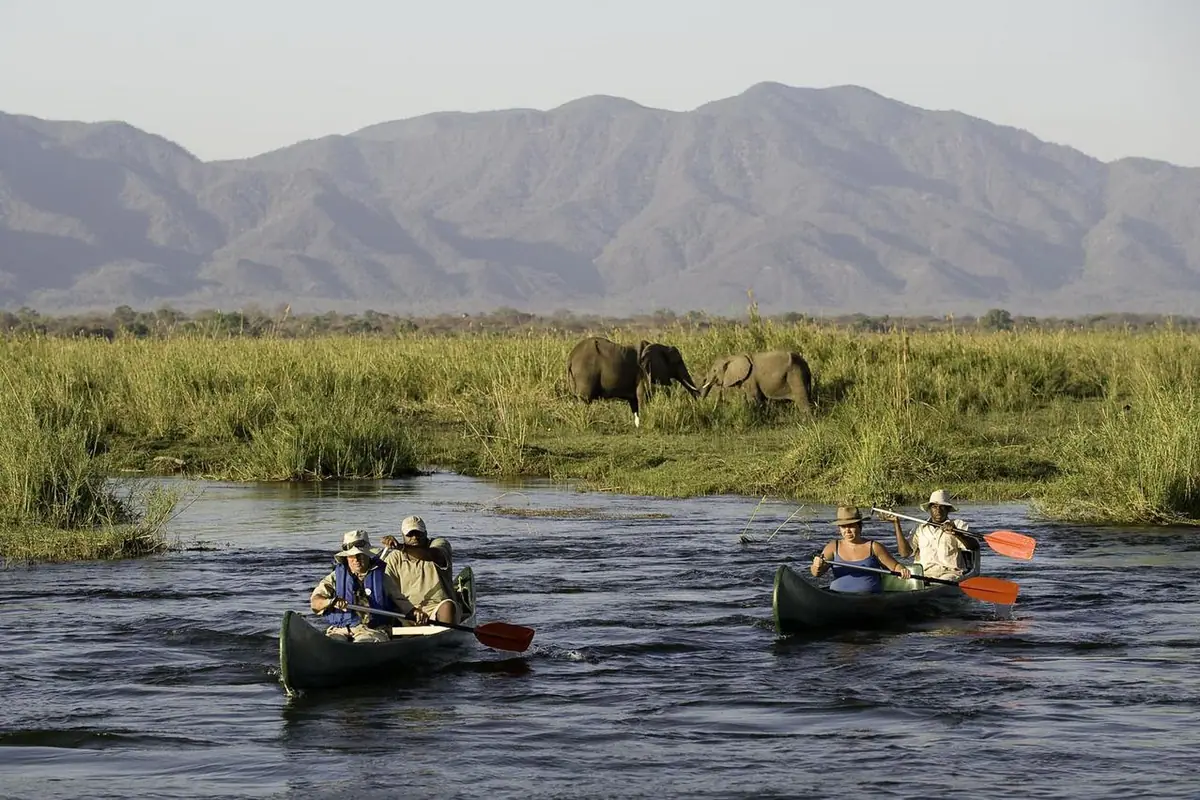
More than 400 species of birds have been recorded in the park, and the lakes are the reason so many of them are there. Giraffes come down to the water's edge in the late afternoon, colobus monkeys feed in the fig trees above the shore, and the cone of Mount Meru rises behind you the whole time.
Book the canoe in advance
The kayaks are brought into the park from Arusha, so canoeing cannot be arranged at the gate — reserve it when you book. Allow a full day for the walk, the game drive and the paddle together. Our Arusha National Park day tripincludes hotel pickup in Arusha or Moshi.
Climb Mount Longido
Located just outside Arusha, Mount Longido is a stunning 2,636-metre (8,651 ft) volcanic peak that offers incredible panoramic views of the surrounding landscape. For anyone looking for an invigorating day hike near Arusha, climbing Longido is a fantastic option — and a far quieter alternative to the crowds on Meru.
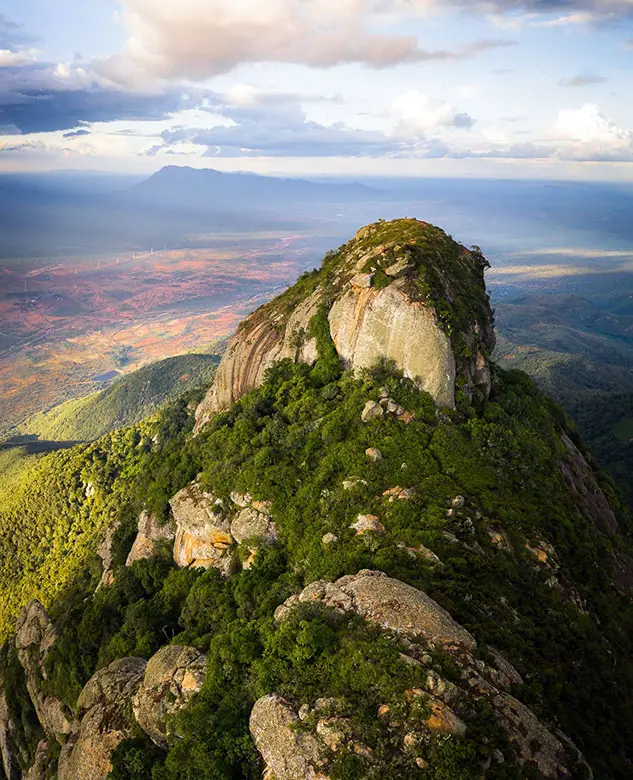
The hike takes most hikers around six hours round trip. The trail starts off through lush forest and scrub before opening up to more rocky terrain. As you climb higher you are treated to sweeping vistas of Mount Meru, the Namanga Hills, Ol Doinyo Lengai, and on a very clear day even the summit of Kilimanjaro on the horizon.
Pro tip: bring your determination, not just your gear
Longido is short but steep, and the last hour is loose scree with no shade at all. Start before seven in the morning, carry two litres of water, and go with a guide — the summit ridge is exposed and the descent is easy to get wrong in cloud.
Visit the Tanzanite Museum
The Tanzanite Museum in Arusha is a unique attraction you really should not miss if you are in the area. It holds an impressive collection of tanzanite gemstones that will make your eyes sparkle, and it explains how the stone was discovered — tanzanite is found only in Tanzania, in the Merelani hills near Arusha, and was only identified as its own variety in 1967.

You will learn about the history of this rare precious stone and see some of the world’s most beautiful examples up close, from rough crystal to faceted gem. And if you are smitten with the shiny stones, you can buy your own piece of tanzanite jewellery in the museum’s shop — buying directly from a co-operative or cutter is the fairest way to do it, and you can always have a stone graded by GIAif you plan a significant purchase.
Why the Arusha museum is worth 45 minutes
Tanzania earns a large share of its national export income from this one stone, and the museum is the easiest place in the country to understand where it comes from and who mines it. Pair it with the town’s gem dealers along Nairobi Road, where cutting and polishing workshops are happy to explain what you are looking at.
Enjoy Mountain Biking in and Near Arusha
Discover the area in and around Arusha on two wheels instead of four — and burn some calories while doing so. On a mountain bike you can explore the region’s diverse terrain with breathtaking views and paths for every skill level.
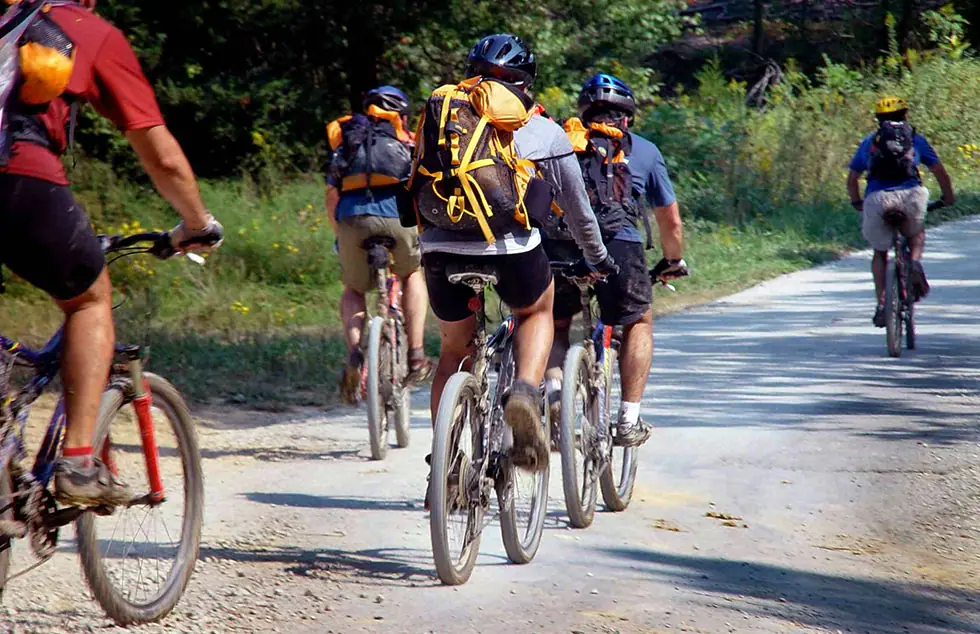
Some of the best-known riding hotspots around the city include:
- Mount Meru, which caters to intermediate and advanced riders with its forest tracks and wildlife sightings.
- Arusha National Park, a mix of natural dirt roads and forest paths that suits wildlife enthusiasts of all levels.
- The Usa River cultural trails, which pass through coffee plantations and local villages.
- Lake Duluti’s circular trail, perfect for beginners and birdwatchers alike.
A second base camp, 20 minutes away
Lake Duluti is a small crater lake ringed by forest and coffee, with a flat, shaded circuit that is genuinely rideable for almost anyone. Several local operators run guided half-day rides with bike hire, helmet and support vehicle included — our Lake Duluti page covers what else to do there.
Visit a Coffee Plantation in Arusha
Did you know that Tanzania produces some of the best coffee beans in the world? It does — and that is why visiting the coffee fields around Arusha is a must-do. Arusha sits at the foot of Mount Meru, among some of the most productive Arabica estates in East Africa, and coffee has shaped this town since the colonial era.
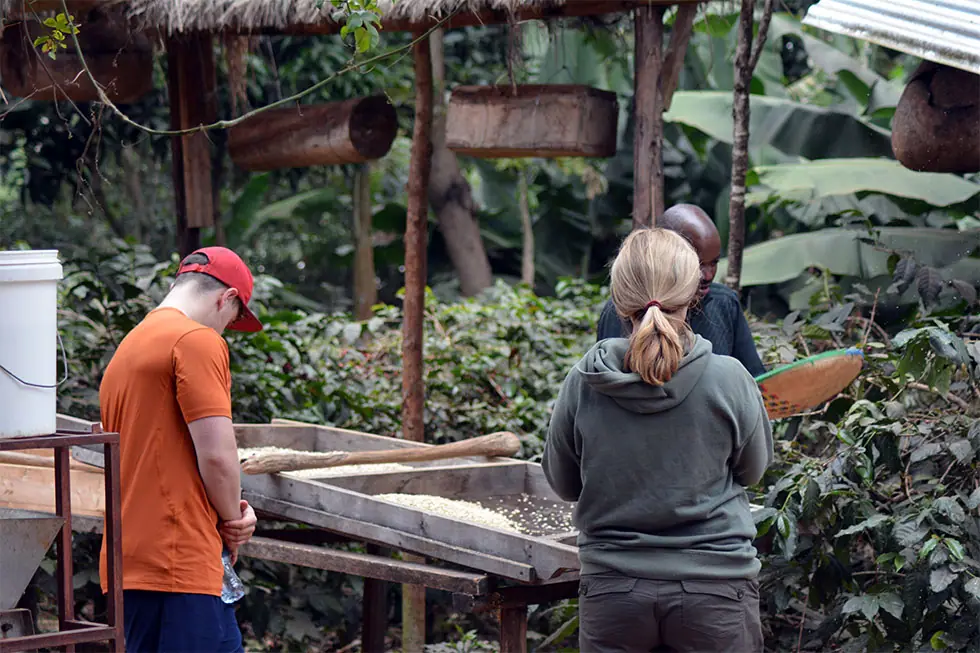
Learning how the coffee is grown, harvested and processed makes for an experience that is both educational and fun. While you take in the beauty of the rolling hills covered in neat rows of coffee plants, your guide will explain everything about coffee farming — from cherry selection and pulping to drying on raised beds. Naturally, the day ends with some freshly brewed coffee. Enjoy!
Coffee harvest calendar
The main Arabica cherry harvest runs roughly April to July for the long crop and October to December for the short crop, though estates near Arusha often run three plantings. Visit outside the harvest and you can still follow the whole process from drying rack to cup, plus walk the estate borders that double as Kilimanjaro viewpoint trails.
Check Out Meserani Snake Park and Maasai Museum
The Meserani Snake Park is a fun family activity with educational shows for the kids — and the grown-ups. It is home to various species of snakes, including puff adders, green and black mambas and the Egyptian cobra, as well as crocodiles, lizards and, oddly enough, birds.
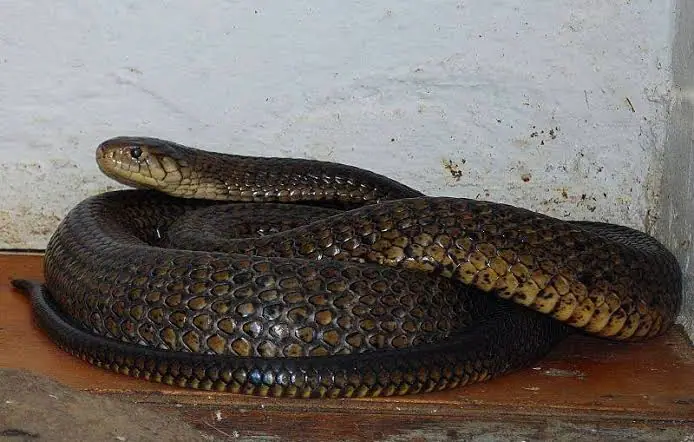
The cultural boma on site features the Maasai Museum, which displays traditional artefacts. Here you can learn about the semi-nomadic Maasai people’s customs and culture. Traditional weapons, beads, gourds and everyday objects give you an inside look at the lifestyle of these fascinating indigenous people — a great cultural experience you do not want to miss. Our longer read on the subject is in experiencing Maasai culture.
Plan it as a half-day, and skip the animal photo-ops
Meserani sits on the road out to Tarangire and the Ngorongoro area, so it pairs naturally with a safari transfer day. Where you want a genuine look at the Maasai way of life, our Maasai village tour goes to a working village rather than a staged enclosure.
Take an Arusha City Tour
Arusha is home to many fascinating sights and historical landmarks that are worth exploring on a guided city tour. Taking a half-day or full-day city tour is a great way to see the best the city has to offer in a short amount of time. And the best part: you do not have to worry about navigating or planning the best route. Just soak up the atmosphere, the stories and the scenery. Done.
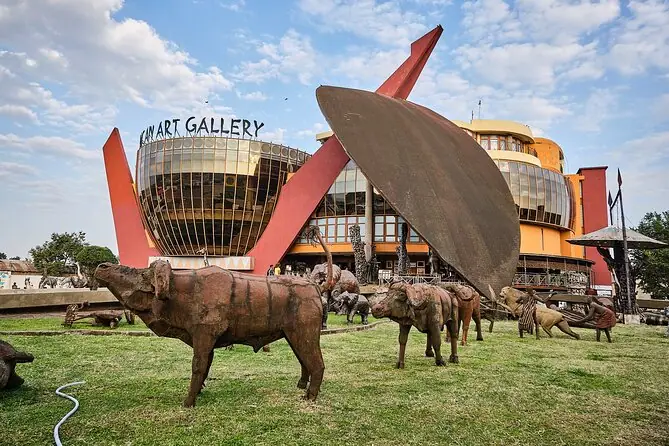
The classic half-day loop takes in the clock tower at the centre of town, the surviving stone boma (fortified enclosure) of the old German colonial station, the busy central market, the lively Nyerere Road strip of craft stalls and the Arusha Declaration Monument, where the Arusha Declaration of 1969 set out the case for a free Africa. A longer version adds the Cultural Heritage Centre, which holds Tanzania’s largest collection of Maasai and Sambaa artefacts outside a national museum, and a drive out to the coffee estates.
Where to eat while you are here
Ask your guide for the local spots rather than the hotel’s. A proper chipsi mayai from a roadside kijiwa, a mishkaki skewer with tomato and onion, and a cup of spiced mandazi or chai make up the everyday Arusha diet — see our guide to Tanzanian foodfor the full list.
Buy a Souvenir at the Arusha Maasai Market
The Arusha Maasai Market is the famous spot to buy a souvenir for your loved ones — or yourself. Located near the clock tower in central Arusha, this market is open seven days a week and brings together artisans and craftspeople selling traditional Maasai pieces. Bargaining is both welcomed and expected. Do not be shy to negotiate on items that catch your eye; with good-natured haggling and a smile you are likely to get the best deals.
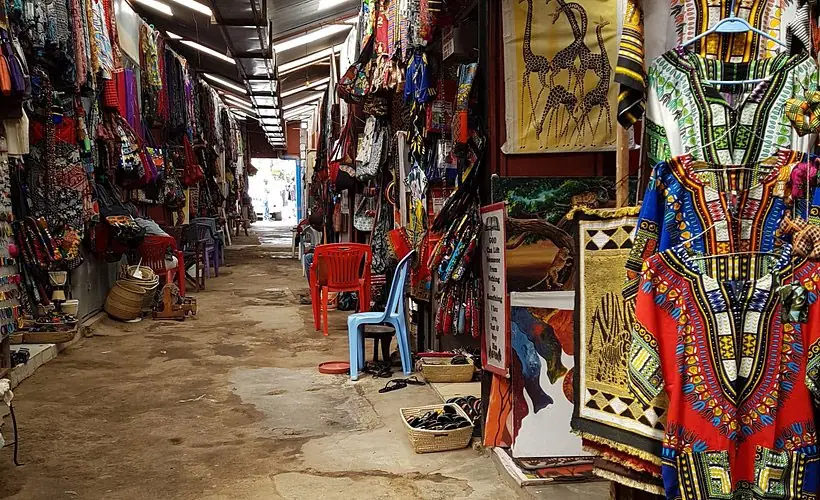
Some highlights of shopping at the Maasai Market include:
- Vibrant Maasai beaded jewellery, often incorporating colours and symbols with real cultural significance.
- Wooden carvings depicting wild animals and Maasai warriors, made from local woods such as ebony.
- Hand-dyed, loosely woven shukas and other textiles in vivid colours.
- Carved walking sticks, spoons, bowls and jewellery boxes, often sold as sets.
Know the going rate before you walk in
Start at around a third of the first asking price and work up; a friendly karibu and an unhurried pace get you better prices than rushing. For anything carved in mpingo or ebony, check for signed pieces and ask whether the wood is certified. If you want a real splurge, the best hotels in Arusha guide covers the lodges where Arusha’s craftwork is sold at fixed prices.
Getting Around Arusha
Getting around this vibrant city and its surroundings is half the fun. With scenery in abundance, travelling between each adventure becomes a sightseeing experience in itself. There are three practical ways to cover Arusha and the parks around it.
By bus or public transport
Hop on a dala dala for a glimpse of local life. Routes and schedules can confuse newcomers, but fares are extremely cheap and you will get to chat with friendly locals.
Self drive
Nothing beats the freedom of your own 4x4. Be ready for bumpy, unpaved roads and learn a few basics, such as changing a tyre, before you set off.
Join an organized tour
From budget day trips to luxury bespoke safaris, a small-group trip maximises convenience and safety with the insight of experienced local guides.
Whatever you choose, tell your hotel or operator how long you plan to stay in Arusha before you book — the Kilimanjaro International Airport is about 50 km (31 miles) from town, and almost every northern safari departs from Arusha in the early morning.
Plan Your Trip to Arusha
So, what have we learned today? Exactly this: one should not simply breeze through Arusha, but explore it — from the bustling markets to the green landscapes beyond. Get in touch with us today, and together we will plan your trip to Arusha. Whether you are looking for a luxury safari or a budget-friendly adventure, we can help you find the right tour. Most travellers pair these city days with the parks — our walking safaris, Tarangire and Serengeti all run straight from Arusha.
Getting to Arusha
Most visitors fly into Kilimanjaro International Airport (JRO) and drive roughly an hour to town. Our how to get to Kilimanjaroguide covers the flights, and before you fly, check the latest UK government travel advice for Tanzaniafor entry, health and safety updates.
Frequently Asked Questions
More Arusha & Northern Tanzania Guides
GuidesArusha National Park Guide
Momella Lakes, Ngurdoto Crater and the walking trails.
Arusha National Park Day Trip
Walking safari, game drive and canoeing in one day.
The Best Hotels in Arusha
14 places to stay, from coffee estates to five-star lodges.
Mount Meru Climbing Guide
The perfect acclimatisation mountain before Kilimanjaro.
Lake Duluti Canoeing Day Trip
Paddle a crater lake ringed by coffee and forest.
Things to Do in Moshi
13 more tours at the foot of Mount Kilimanjaro.
Last updated: October 6, 2026. Attractions, trail conditions and park fees checked against current travel conditions and official Tanzania national park information.
